Showing posts with label foods. Show all posts

Tuesday, 16 February 2016

Top 10 Fat Loss Foods

Many readers have been asking about foods that they can incorporate into their daily diet that can help promote fat loss and create a feeling of fullness. Well you asked for it, now I am delivering!
In my opinion, the best fat loss foods are not just “healthy”, but must pass the following checklist:
(1) Not calorie dense (I have one exception)
(2) Help fill you up
(3) Create only a small release of insulin
(4) Easy to procure/prepare
So let’s get started…

Fat Loss Food #1: Egg Whites

This is a favorite of many natural body builders and fitness models because it’s 100% pure protein, containing 4 grams of protein, 0 grams of carbs and fat, and only 16 total calories. Want 10 egg whites for breakfast? Sure why not, it’s only 160 calories and will fill you up. An egg white omelet with some veggies and low fat cheese makes for a great breakfast, while a few egg whites from a hardboiled egg can make for a great snack any time (add some high fiber fruit, like an apple, or blueberries for extra bonus points).

Fat Loss Food #2: Low Fat Yogurt
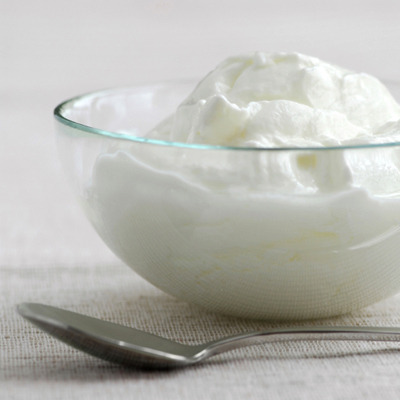
Low fat yogurt is a great way to get a compete protein source, a lot of calcium, and a nice tart flavor to help satisfy your cravings. There are a variety of yogurts, but I would go for those that are not too high in added sugars. For example, it’s better to get plain yogurt and add in the fruit yourself. You should also consider non-fat Greek yogurt, which contains a solid 22 grams of protein in only a 1 cup serving and a mere 120 calories.
Some studies have found that eating yogurt can help in fat loss. It may be due to the fact that calcium reduces a fat cells’ ability to store fat. Or, it may be due to the branched chain amino acids present in dairy products. Either way, low fat, or non fat yogurt deserves to be part of the Top 10 Fat Loss Foods.

Fat Loss Food #3: Low-Sodium Turkey

Turkey without the skin is among the lowest fat meats available on the market. To cap it off, it’s also pretty easy to eat on the go. Want to eat 8 ounces of turkey breast? Why not, it’s only about 240 calories and packs a protein punch. I recommend removing the skin, which is all fat, but if you have the skin, just eat in moderation.

Fat Loss Food #4: Apple

This is a favorite of mine, because it’s easy to carry around and eat on the go, but it’s also very nutritious and high in fiber, so it helps fill you up. An apple contains 24 grams of carbs, 3 of them being from fiber, and around 80 calories in a medium sized apple. I personally like the taste of green apples the most, but the various types of apples don’t make much of a difference in terms of calorie content.
I do, however, suggest you try to get organic apples when you can. I can’t handle tasting chemicals in the skins of apples that are not organic anymore. Blueberries came very close to making it on to the list because they are so high in fiber and antioxidants, but I think an apple is just easier to eat on the go.

Fat Loss Food #5: Lettuce

While lettuce is not that high in fiber, it requires more calories for your digestive system to digest than the lettuce contains. Pretty cool, huh? This is known as a negative calorie balance.
The main reason lettuce made this list is that you can put as much lettuce as you want in a big bowl, fill it up with veggies, lean meats, maybe some beans for some starch, and you’re good to go. The other great quality of lettuce is that it takes a long time to eat, which is a good thing. It takes up to 20 minutes for our brains to sense that we are full. Ideally, the darker green the lettuce, the more antioxidants and the more nutritious.

Fat Loss Food #6: Low-Sodium Chicken/Vegetable Soup


Similar to lettuce, drinking soup at a meal can slow you down, which helps your brain register that you are full. It also helps fill you up and is very low in calories because most broth based soups are low in fat, assuming they haven’t been doused in oil.
Like lettuce, you can throw in a lot of veggies and lean meats to make it more nutritious and filling. Healthy Valley has some pretty good low sodium soups, just be careful because some soups have outrageous amounts of sodium, like over 900mg of sodium per 1 cup serving, which is 40% of the suggested daily intake of 2300mg.
Just be careful if you order soups at a restaurant they don’t have any cream added.

Fat Loss Food #7: Almonds

While very calorically dense, almonds snuck onto the list because healthy fats are great in moderation, and almonds are among the best healthy fats. An almond is technically the seed of the fruit of the almond tree and is a great source of vitamin E and manganese. While almonds are not a “complete” protein source, a quarter cup of almonds offers solid 6 grams of protein.
Some weight loss studies have shown that the calories from nuts like almonds don’t seem to add weight as compared to other foods with the same amount of calories. The theory is that our bodies do not absorb calories from nuts very efficiently.
Either way, be careful not to munch on almonds all day long, because calories can add up fast. Only a quarter cup of almonds contains 140 calories and 15 grams of fat, which means one cup is a solid 560 calories and 60 grams of fat! A handful (about a quarter cup), on the other hand, makes for a great snack.

Fat Loss Food #8: Oatmeal
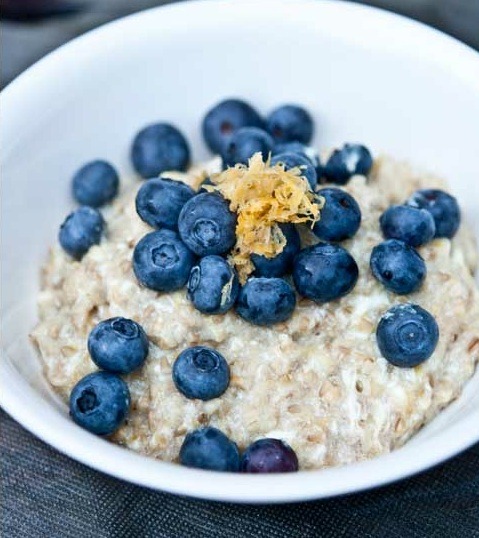
I love oatmeal because it’s filling, but doesn’t provide many calories. My favorite oatmeal is Kashi Go Lean vanilla, which only has 160 calories per serving, but you’ll be amazed at how much it fills you up because it has 6 grams of fiber. For you hardcore types, McCann’s Steel Oats and Traditional Quaker Oats have almost no sugar, but provide natural carbohydrates that will help fuel your workouts, without spiking your insulin levels. One more thing, if eating enough protein at breakfast is a problem area for you, then consider mixing in some whey protein, use skim milk instead of water, or a cup of egg whites.

Fat Loss Food #9: Low-Sodium Tuna

There’s a joke that many natural bodybuilders smell like tuna fish, because they are always eating cans of tuna all day long. The tuna you get at the Deli that’s filled with mayo does NOT count. In fact, mayo is a fat loss disaster, because it’s so calorically dense. I chose tuna because it’s easy to carry around for a high protein snack on the go. Of course, a tuna steak, and most fish for the matter are great sources of protein and healthy fats as well.

Fat Loss Food #10 Broccoli

I never used to eat broccoli as a kid, but fortunately I started eating broccoli after college and I developed a taste for it (as long as it’s steamed, I can’t stand raw broccoli!). Feel free to add it to your salads, or as a side with your lean meat, but you can’t go wrong with broccoli. Well, actually, let me clarify that.

If you smother it with sodium/sugar filled teriyaki sauce and stir fry it, broccoli can lose its appeal. Sautéed broccoli is still a heck of a lot healthier than French fries, but steamed is ideal. In general, vegetables are phenomenal fat loss foods and more veggies could have easily made it on this fat loss list.
As you probably started to notice, you can mix and match these 10 fat loss foods to create a number of different healthy, low calorie, nutritious snacks and meals to help you reach your fitness goals.

If you think I should have included something that didn’t make the list, or you have anything to add, leave a comment!


Source

Tuesday, 27 October 2015

Energy boost diet

Discover the power of food to recharge your energy levels.

Energy boost diet

Tired of being tired? The 4 Week Energy Diet will give you an injection of all the ingredients required to recharge energy. You may also lose weight.
* Get the full 4 Week Energy Diet recipes here.

How the diet works

Clean fuel for your body: Fuel is the right foods we need to get the body's energy-generation cycle turning efficiently to ensure we are digesting and using fuel well and eliminating waste.
Four weeks, two phases: The Energy Diet is broken into two phases, with each phase lasting two weeks. The first phase focuses on giving the body a spring clean and the second phase focuses on rebuilding energy stores. Each phase has meal plans and daily routines to help you stay on track.
Phase 1:
Remove all stimulants such as caffeine, alcohol, sugar, processed food and red meat and replace with fresh juices, herbal teas and whole foods.
On Sundays, plan your meals for the week and cook a soup and stew to have in the fridge or freezer for quick dinners during the week.
Drink a glass of warm water with lemon juice or a tablespoon of apple cider vinegar on rising, a fruit and vegetable juice before breakfast, and two litres of water or herbal tea during the day. Eat a small pre-dinner salad every night. Do not eat red meat, wheat and dairy.
Phase 2:
Reintroduce wholewheat, red meat and non-cow's milk dairy. You will be eating more carbohydrates, too.
    Take your time with your meals. Chew slowly and donít dilute your digestive juices with drinks.
    Other lifestyle changes: Along with rethinking your approach to food, you also need to give your body enough time and space to de-stress. Consider your exercise, stress management, sleep and routines, and see if you can increase activities such as stretching, hobbies and meditation.

    Recommended foods

    Fruit and vegetables: Go crazy! The star foods include lettuce, rocket, radicchio, watercress, endive, globe artichokes, carrots, celery, beetroot, green peas and beans, alfalfa sprouts, leeks, shallots, broccoli, cauliflower, cabbage and brussels sprouts, plus grapefruit, apples and pears.
    Legumes: Eat beans, peas and lentils regularly.
    Nuts and seeds: Eat a variety of raw nuts and seeds (especially linseed, sunflower seeds and pepitas).

    Wholegrains and healthy carbohydrates: Good wholegrain choices include whole oats, buckwheat, barley and brown rice. Avoid carbohydrates with dinner unless you exercise a lot or have a very active job.
    Drinks: Go for water, herbal tea and wheatgrass juice.
    Protein: Good choices include free-range eggs, tofu, seafood (fresh and frozen) such as sardines, salmon, tuna, calamari and blue mussels, and lean meats such as free-range skinless chicken breast fillets and organic low-fat mince.

    Foods to limit

    Dairy: Avoid cow's milk and cow's milk cheese. In weeks 3 and 4, good choices include goat's and sheep's milk and cheese and low-fat natural yoghurt. Alternatives include calcium-enriched soy milk, oat milk and rice milk.
    Wheat: Avoid wheat in Phase 1. Try alternatives spelt, rice, kamut and buckwheat. In Phase 2, good bread options include wholemeal soy and linseed and rye.

    Foods to avoid

    Butter, margarine with trans fats and cheap oils: Instead, choose seed-based spreads with no trans fats such as tahini and avocado and cold-pressed, good-quality oils such as extra-virgin olive oil and nut oils.
    Sugar: Stay away from sugar, chocolate, lollies, soft drinks and artificial sweeteners. Instead, try barley malt syrup, agave nectar and pure maple syrup.
    Tea, coffee and alcohol: Alternatives include dandelion and cereal-based coffee substitutes, water, herbal teas and fruit and vegetable juices.
    Artificial colourings, flavourings and preservatives

    Secrets of success

    • Spend 10 minutes on a Sunday planning your week's meals and writing a shopping list. Not having to think about meals every day will make the diet easier and free up time.
    • You may crave some of the foods you are excluding while on the diet. Try to resist. Keep them out of the house and look for some healthy alternatives to have on hand.
    • Remember, this is not a test. It is something wonderful you are doing for yourself. Just do the best you can.

    Energy meal ideas

    Breakfast
    • Two scrambled eggs with parsley, basil, baby spinach and diced capsicum.
    • Wholegrain rye or spelt bread with date jam (1 cup pitted dates soaked overnight in 1/2 cup filtered water, then blended).
    • Warm Fruity Quinoa*.

    Lunch
    • Corn tortilla (wholewheat wrap in Phase 2) with poached or steamed chicken, alfalfa sprouts, beetroot and lettuce.
    • Baked sweet potato with kidney beans, salsa, tomato and mixed green leaves.
    • Chicken or Tofu Nori Rolls* with wasabi and tamari.

    Dinner
    • Grilled calamari with brown rice and Asian greens.
    • Grilled chicken with carrot, cucumber, capsicum, mixed leaves, spring onion, tomato, parsley and a mustard and white wine vinegar dressing.
    • Vegetable Lasagne* with garden salad.

    • Strawberry slushy (blend 250g hulled strawberries with º cup unsweetened apple juice and 6 ice cubes).
    • Homemade popcorn.
    • Speedy Snack Balls*.

    Comment below what you think. Did you find this article helpful? Are you going to apply these tips into your daily routine? Let me know! I love reading your comments!


    Source
    http://www.bodyandsoul.com.au/weight+loss/diets/energy+boost+diet,19423

    Saturday, 10 October 2015

    Surprising Sources of Hidden Sugar

    Pasta Sauces

    They taste savory, not sweet -- but many pasta sauces have between 6 and 12 grams of sugar per half-cup serving. That’s the same amount you’d get from a chocolate chip cookie. The American Heart Association recommends that women have no more than 100 calories of sugar per day (about 6 teaspoons' worth) and men have no more than 150 calories (about 9 teaspoons).  Too much sugar can lead to extra pounds, and that’s bad for your health. So, look on the ingredient label for the sugar content of your favorite marinara or Alfredo before planning your meal.  


    Granola Bars

    Check granola bar labels for ingredients like corn syrup, brown sugar, honey, brown sugar syrup, dextrose, and fructose. Some have a yogurt or chocolate coating, or chocolate chips, which can ramp up the sugars fast -- anywhere from 8 to 12 grams per serving. Instead of eating a 1-ounce granola bar, switch to 1 ounce of granola (about 1/3 cup) and the sugar lowers to about 5 grams.

    Yogurt

    Yogurt is full of healthy calcium and protein, but even low-fat flavored yogurt can have 17 to 33 grams pf sugar per 8-ounce serving -- that’s about as much as 2 scoops (1 cup) of chocolate ice cream. When shopping, look for ones that are lower in sugar. Or, buy it plain and toss in the fruit of your choice.


    Instant Oatmeal

    Oatmeal has a good rep for being full of healthy fiber, but many fruit-flavored instant ones have between 10 and 15 grams of sugar per packet. “Reduced sugar” varieties can have closer to 5 or 6 grams per packet. Better yet, add apple slices to plain instant oatmeal. It has less than 1 gram of sugar in a packet.


    Salad Dressing

    Sweet dressings, such as raspberry vinaigrette, French, and Catalina, have the most sugar-- about 5 to 7 grams of sugar in a 2-tablespoon serving. So watch how much you pour on. A lower-sugar option is a light homemade vinegar and oil dressing. It will have only about 1 gram of sugar in the same amount.


    Breakfast Cereals

    Yes, we all know fruity kids’ cereals are high in sugar, but even healthier-sounding ones sneak it in. Many popular oat, corn and bran cereals have 10-20 grams or more per cup. No matter what the front of the box promises, read the ingredients label to be sure of what you’re getting.


    Energy Drinks

    Most of those drinks that say they’ll give you a lift have tons of sugar along with caffeine. Some energy drinks have about 25 grams per 8-ounce serving. How about having some cool water instead? Sometimes being dehydrated can make you feel tired.


    Packaged Fruits

    Mandarin oranges in light syrup have about 39 grams of sugar per 1-cup serving. You can minimize the sugar somewhat by draining the cup -- that gets you to about 15.5 grams. Better yet, just have fresh fruit.


    Coleslaw

    That’s the “healthy” side dish at the fast-food restaurant, isn’t it? Think again. One regular-size side of coleslaw from many popular fast-food places will cost you about 15 grams in sugar. You can learn what goes into some of your favorite restaurant offerings by looking it up online on their website. If you're craving coleslaw, you can always make a low-sugar version at home.


    Tea

    You’re wary of the added calories and sugar in juices, so you’ve switched to tea. Uh-oh. Many popular teas have a surprising amount of sugar. The leading brands of lemon-flavored iced tea, for example, all have about 32 grams of sugar per bottle. A cup of apple juice has 24 grams. You can control sugar if you brew your own tea instead. Also, some flavored waters aren’t high in sugar -- check labels, though.


    Dried Fruit

    With all the water taken out, dried fruit has way more sugar by volume than fresh fruits. A small box of raisins -- 1.5 ounces -- has more than 25 grams of sugar. Instead, you could eat a cup of grapes for 15 grams of sugar.


    Ketchup

    At about 4 grams per tablespoon, ketchup on your burger can give you a minor sugar boost. That's not as much as some other foods on this list, but if you’re trying to cut back on sugar, switch to regular yellow mustard -- it gives you less than 1 gram of sugar per tablespoon.

    Are you shocked at how many foods you thought were healthy are actually packed with hidden sugars!? What do you think! I'm sticking to raw, untouched, unprocessed foods. Anything packaged or processed in any way will contain hidden sugar.

    Source
    http://www.webmd.com/diet/ss/hidden-sugar-slideshow
    Reviewed by Elaine Magee, MPH, RD on 3/, 014

    Monday, 14 September 2015

    5 Surprising Fat Burners to Help You Lose Weight the Natural Way

    Ever wish eating helped you lose weight? Wish granted! We've got the scoop on five superfoods that actually help shed pounds—and easy and delicious ways to add them to your diet.


    Pears

    Why you need them: Pack the fruit bowl with pears if you want to lose pounds, reports a study out of the University of Rio de Janeiro. In the study, which was published in the journal Nutrition, women who ate three pears a day consumed fewer total daily calories and lost more weight than those who didnt. Rich in fiber (one pear packs 15% of your daily recommended amount), pears help you feel full and keep you from overeating.

    Best way to work them in: Eat a pear before a meal to help curb hunger. Ditch the peeler, though; most of the fruits beneficial fiber is in the skin.


    Grapefruit

    Why you need them: According to researchers at Scripps Clinic in California, eating half a grapefruit before each meal may help you lose weight—up to one pound a week—even if you change nothing else about your diet. The studys author, Ken Fujioka, MD, says a compound in grapefruit helps regulate insulin, a fat-storage hormone. “Anything that helps lower insulin can help people lose weight,” he explains. “Grapefruit seems to be one of those foods.”


    Best way to work them in: Peel and segment; cut into chunks and add to spinach salad. Its also a great companion with shrimp or peeled, sliced jicama.


    Almonds

    Why you need them: Eating a handful of almonds a day, along with a healthy diet, might help you zap fat, suggests research published in the International Journal of Obesity. Diet-study participants who ate almonds daily for six months lost 18% of their body fat. Those who followed a diet with the same amount of calories and protein but swapped almonds for an equal number of calories in complex carbs (like wheat crackers) lost only 11%.

    Best way to work them in: Theyre a great at-your-desk snack—22 almonds add up to one serving. Another idea: chop them finely and add them to oatmeal or yogurt.


    Chocolate

    Why you need it: Cant resist a little rich chocolate? No need to: Dark chocolate—and other foods high in antioxidants—may help prevent the accumulation of fat cells in the body, a precursor to heart disease and obesity, according to new research from Taiwan published in the Journal of Agriculture and Food Chemistry.

    Best way to work it in: Melt a half-ounce of dark chocolate in the microwave for 30 seconds and spread it on half a graham cracker; its just 98 calories.


    Navy beans

    Why you need them: They're loaded with resistant starch, a powerful fat burner (one half-cup serves up nearly 10 grams of resistant starch). If you eat navy beans and other foods rich in resistant starch at just one meal a day, youll burn 25% more fat than you would otherwise, according to researchers at the University of Colorado.

    Best way to work them in: Saute diced onion and garlic in olive oil, add two cans of drained navy beans; puree and serve.


    Source
    http://www.health.com/health/article/0,,20410136,00.html

    7 Foods That Are Great For Natural Weight Loss

    I healed my body naturally from chronic disease, and in the process lost over 60 pounds, without drugs, deprivation or surgery. Along the way, I discovered that some foods are healing and have the ability to promote health within our bodies, while others can actually cause harm and create weight gain.
    Here are some of my personal favorite healing foods that can promote health and support natural weight loss.
    1. Broth
    When my body broke down, I was bedridden for weeks. As part of my journey back to health, I felt very fortunate to discover the healing power of broth.
    Broth can be made easily by cooking chopped organic vegetables in water, until they are super soft. (Bonus points if your vegetables are also local!) Leave six hours or overnight. Then drain the liquid, heat it up, and voila! Your soup broth is ready to drink. Add sea salt and pepper for taste if you want.
    You can eat the cooked vegetables seasoned with fresh herbs. (You can also add fish, meat or grains to your broth depending on your preferences.) This can be very healing for your body, since it's easy to digest, and also hydrating.
    2. Extra virgin coconut oil
    Many health experts agree that coconut oil is as close to a superfood that you can get. High in lauric acid (found naturally in breast milk), extra virgin coconut oil is anti-aging, moisturizing, and healing. It's the only oil that you should ever cook with since it stays stable when heated to high temperatures.
    3. Apple cider vinegar
    Apple cider vinegar is produced through the fermentation of fresh apple cider. It's a rich source of minerals (particularly potassium), vitamins, enzymes and amino acids. Apple cider vinegar is a potent and versatile healing substance and can be applied topically or diluted and taken internally.
    Always choose good quality apple cider vinegar made from organically grown apples and aged in wooden barrels. It should be pungent and when held up to the light, you should be able to see a cobweb like formation, called the “mother” suspended in the liquid. It's evidence of the vinegar’s naturalness.
    4. Cinnamon
    It may be hard to believe that something that tastes so delicious is also so good for your body. Eating cinnamon has the ability to regulate your blood sugars, which is an important part of the weight loss process. Generously sprinkle cinnamon on your cereal or add it to your smoothies for a flavor injection.
    5. Lemons
    Lemons are naturally detoxifying and have an alkalizing effect on your body. This makes them an ideal weight loss food. Each day upon waking, drink a glass of water with a squeeze of fresh lemon. For a delicious, yet healthy taste, squeeze fresh lemon juice onto your food just before serving.
    6. Fresh juices
    Drinking a selection of fresh fruit and vegetable juices in your day, your body will certainly feel the benefit. Fresh juices are a powerful way to increase your intake of antioxidants, minerals, vitamins and enzymes. You can juice most fruits and vegetables. I try to choose the greenest, water-rich and most alkalizing ones for my own juices, using some (or all!) of the following: spinach or cucumber, celery, pears, apples, ginger and lemon.
    7. Fresh greens and vegetables
    I encourage you to try a wide variety of fresh greens and vegetables to find all the ones you like. Always eat your greens according to the seasons. Some of my favorites are baby spinach, parsley, basil green leaves, broccoli, celery, cucumber, and chard.
    Healing foods are found everywhere in nature.
    Always listen to your body and let it guide you. Your body knows best how to heal itself naturally. Eating healing foods will help.
    I hope that this article inspires you to start eating more fresh, local foods so that you can experience the incredible joy that comes from feeling healthy and losing weight naturally, without diets, deprivation or restrictions. If you'd like to learn more about healing your body, mind and emotions, please click here to download a free chapter of my book, Losing Weight is a Healing Journey.


    Source
    http://www.mindbodygreen.com/0-13168/7-foods-that-are-great-for-natural-weight-loss.html

    Friday, 24 July 2015

    50 Foods Under 50 Calories

    1. Apples (45 cal./ 1/2 red delicious)
    A great on-the-go snack, apples help to fight hunger and 
    are packed with nutrition. When away from home, 
    apples are also a great way to quickly clean your 
    teeth after a meal.

    2. Apricots (14 cal./ 1 apricot)
    Apricots are those beautiful, sweet-tasting, orange fruits 
    that show up in the produce aisle during the summer 
    months. They’re easy to snack on and offer nutritional 
    benefits, such as vitamins A and C, fiber, and potassium.


    3. Artichokes (38 cal./ ½ cal.)
    If you can’t remember the last time you dug into an 
    artichoke, you might want to consider adding this 
    wonder veggie to your healthy eating plan. Artichokes 
    have a high amount of powerful antioxidants as well 
    as potassium. Try our Artichoke and Spinach Penne 
    Casserole for an easy and healthy dinner.

    4. Arugula (4 cal./ 1 cup)
    This great, green, leafy veggie is loaded with vital 
    nutrients, including vitamin A, vitamin C, fiber, 
    and potassium. Try it in salads, like this Panzanella 
    Salad with Arugula, and soups.

    5. Asparagus (20 cal./ 1 cup)
    Packed with essential vitamins and nutrients, doctors 
    claim that asparagus may even help prevent 
    certain types of cancers. Add that to a healthy 
    dose of age-defying antioxidants, and you’ve got 
    the perfect addition to a healthy diet. Check out 
    this recipe for Crustless Asparagus Quiche.

    6. Bean sprouts (Approx. 30 cal./ ½ cup)
    These fresh, crispy sprouts go nicely in salads (take a 
    look at our Green Bean and Zucchini Salad), soups, 
    and Asian noodle dishes.

    7. Beets (37 cal./ ½ cup)
    Beets get their gorgeous red color from betanin, 
    a powerful antioxidant. In recipes like our 
    Roasted Beet Salad, this root veggie takes 
    on an earthy sweetness.

    8. Bell peppers (30 cal./ 1 medium-sized)
    Whether you’re in the mood for red, yellow, 
    orange, or green, bell peppers offer dozens of 
    healthy benefits. These sweet vegetables are 
    full of flavor and contain potassium, fiber, 
    lycopene, and folic acid. For a new, healthy treat, 
    try making our Bell Pepper Candy.

    9. Broccoli (30 cal./ 1 cup)
    Broccoli is rich in beta-carotene, Vitamin C, 
    and folate, to boost your immune system. Also, 
    like most dark-green cruciferous veggies, it can 
    reduce your risk for certain cancers. Try it 
    roasted, sautéed, or in recipes like our 


    10. Broth (10 cal./ 1 cup)
    Clear broths, such as chicken, seafood and 
    vegetable broths, create healthy, satisfying 
    soups without the extra calories. Try our 
    Superfood Soup, which is loaded with 
    clear broth and healthy veggies.

    11. Brussels sprouts (28 cal./ ½ cup)
    Don’t let your childhood memories of poorly 
    prepared Brussels sprouts hold you back! 
    In addition to being low-calorie, these 
    “little cabbages” pack tons of 
    cancer-fighting phytonutrients. These 
    excellent, healthy side dish.

    12. Cabbage (34 cal./ 1 cup cooked cabbage)
    Cabbage, especially purple cabbage, 
    is nothing but good news for your body, 
    with lots of cancer-fighting and other 
    good-for-you vitamins, minerals, and 
    fiber. Our Mexasian Slaw is a fun way to 
    eat cabbage with other zesty ingredients.

    13. Cantaloupe (30 cal./ ½ cup)
    Cantaloupe, one of the most popular 
    varieties of melon in the United States, 
    is considered a superfood for good 
    reason. It has massive amounts of 
    vitamins A and C, as well as beta-
    carotene, which helps promote clear 
    skin. You can eat it raw, or try infusing 
    your water with it, following the 
    instructions for our Cantaloupe Water Recipe.


    14. Carrots (35 cal./ 1 medium raw carrot)

    You’ve probably heard that carrots can 
    improve eyesight, but that isn’t the only 
    health benefit that these crunchy, 
    orange root vegetables offer. Carrots 
    are rich in antioxidants, and are excellent 
    sources of potassium, magnesium, and 
    folate. Grab a handful of carrots and 
    some hummus for an healthy snack 
    between meals.

    15. Cauliflower (14 cal./ ½ cup boiled)
    Believe it or not, cauliflower is an excellent 
    source of vitamin C and folate. Mashed 
    cauliflower is a fiber-rich, nutritious substitute 
    for traditional mashed potatoes.


    16. Celery (18 cal./ 1 cup)
    It’s rumored that it takes more calories to 
    digest this crunchy vegetable than is 
    included in the celery itself. Celery is 
    perfect for detox and cleanse smoothies, 

    17. Coffee (0 cal.)
    Black coffee has zero calories! Great news, 
    right? Just watch that you eat a healthy 
    diet and watch your caffeine intake – you 
    don’t want to get the jitters!


    18. Collard Greens (49 cal./ 
    1 cup cooked greens)

    Collard greens are rich in vitamin K, with 
    a stunning 1,045% of the recommended 
    daily allowance of the vitamin in one 
    cooked cup! Collard greens also are 
    an excellent source vitamin A, C, folate, 
    manganese, and calcium, and a good 
    source of other B vitamins. Try this Healthy 

    19. Cucumbers (8 cal./ ½ cup)
    Cucumbers are comprised mainly of 
    water and will help you feel full for 
    longer periods of time, and will 
    aid in hydration. This Cucumber 
    and Tomato Salad is great for 
    backyard barbecues.

    20. Eggplant (20 cal./ 1 cup)
    A favorite ingredient in vegetarian recipes, 
    eggplant is fiber-rich and full of vitamins 
    and minerals, such as vitamins C and K. 
    Next time you’re craving chili, try this 

    21. Endive (10 cal./ 1 cup)
    These crunchy and bitter leaves are a great 
    addition to your salads, or on their own. 
    They pair nicely with pears and blue cheese.

    22. Fennel (27 cal./ 1 cup)
    This crunchy, licorice-flavored veggie is 
    known to help with various ailments, from 
    bad breath to winter coughs. It’s also 
    been known to help flatten tummies. 

    23. Garlic (4 cal./ 1 clove)
    Instead of butter and high-sodium 
    seasoning packets, always use fresh 
    garlic for added flavor. Learn more 

    24. Grapefruit (39 cal./ ½ fruit)
    Grapefruit definitely does a body 
    good, with its detoxifying and 
    antioxidant superpowers. It’s great 
    eaten raw, juiced, or even sliced up 
    in salads.


    25. Green Beans (36 cal./ 1 cup raw)
    Dip them in your favorite low-fat 
    dressing for a delicious, crunchy 
    afternoon snack. Try a handful 
    of green beans with our Dill 

    26. Green Tea (0 cal.)
    Stop sipping your calories and 
    grab some green tea. It’s a 
    fat-fighting drink loaded with 
    antioxidants. And the best part? 
    It has zero calories! Try our Green 

    27. Kale (5 cal./ 1 cup)
    If you’re looking for one veggie to 
    give your diet a super boost, look 
    at kale. It contains cancer-
    preventing phytonutrients, B 
    vitamins, folate, and manganese, 
    which helps control blood sugar. 
    Start by snacking on some of our 

    28. Kiwi (42 cal./ 1 medium-size fruit)
    Green on the inside and fuzzy 
    on the outside, this unusual 
    looking fruit is a pleasant surprise 
    for your taste buds. Give it a whirl 
    in smoothies, like this Green Tea 

    29. Leeks (27 cal./ ½ cup)
    Swap your onions for fresh leeks! 
    Cassoulet, and you’ll find a unique 
    flavor with fewer calories.

    30. Lemons (20 cal./ 1 fruit without peel)
    Citrus fruits are full of vitamin C, 
    making them essential in the 
    fight against colds and the flu. 
    Their cleansing properties can 
    also help you flush unwanted fat 
    and toxins from your body. Try 

    31. Lettuce (10 cal./ 1 cup Romaine)
    Sounds pretty obvious, right? 
    Use lettuce as a wrap instead of 
    a tortilla, and always go for the 
    dark green leaves for more nutrients.


    32. Mangoes (45 cal./ 1/2 cup mango chunks)

    Frozen mango cubes are a great 
    way to cool off in the hot summer 


    33. Mushrooms (15 cal./ 1 cup raw)
    We could all stand to incorporate 
    more mushrooms into our diet, 
    since they contain B vitamins, 
    vitamin D, folate, potassium, 
    antioxidants and fiber. Mushrooms 
    also contain selenium, which, 
    among other things, can help 
    fight breakouts.  Check out 

    34. Okra (33 cal./ 1 cup)
    Many of us tend to forget 
    about okra in our search for 
    healthy foods, but there 
    are plenty of reasons to keep 
    it in mind. Okra contains 
    vitamins A, B6, and C, and 
    it also has Thiamin, zinc, 
    folic acid, and zinc. New to 
    okra? Take a look at this 

    35. Onions (32 cal./ ½ cup)
    In addition to adding flavor to 
    almost any recipe, onions 
    contain allyl sulfides, which 
    can help protect against 
    endometrial cancer. Our 
    111 calories per serving.

    36. Papayas (23 cal./ ½ cup)
    Shred fresh papaya and add
    it to your salad for a little 
    sweetness without the calories.

    37. Peaches (38 cal./ 1 medium fruit)
    As long as you’re choosing fresh 
    peaches, as opposed to peaches 
    that have been canned in sugary 
    syrup, you can feel no guilt about 
    indulging in this deliciously sweet 
    fruit. Peaches are full of potassium, 
    fiber and beta-carotene, so they’re 
    great for your body and your taste 
    buds.

    38. Pineapple (41 cal./ ½ cup)
    This sweet tropical fruit is a great 
    zero-calorie snack. Toss it on the 
    grill for a caramelized side 
    dish at dinner. We love this 
    Chicken recipe.

    39. Plums (30 cal./ 1 fruit)
    With their juicy, sweet pulp, 
    plums make another 
    great go-to snack to keep 
    in your fruit bowl. In addition 
    to their vitamins and minerals, 
    the fiber, sorbitol, and isatin in 
    plums promote good digestion.

    40. Pumpkin (30 cal./ 1 cup)
    Don’t just think of pumpkins in 
    autumn – it’s a squash that 
    can be enjoyed year-round! 
    Pumpkin is loaded with beta-
    carotene, and it’s also a great 
    source of vitamins A, C and E. 
    If you’re sick of sweet treats 
    like pumpkin bread, try a more 
    savory dish like our Crispy Kale 

    41. Radishes (1 cal./ 1 radish)
    Yes, you read that right – only 
    one measly calorie per radish! 
    Slice them up and add them to 
    your salad, or eat them on their 
    own.

    42. Spinach (7 cal./ 1 cup raw)
    This leafy, green is a fabulous 
    source of pretty much every 
    important vitamin and nutrient 
    your body needs. Doctors 
    believe that a diet heavy 
    in dark, leafy vegetables 
    can help prevent everything 
    from cancer to heart disease 
    to osteoporosis. Spinach really 
    shines in our Spinach and Quinoa 

    43. Strawberries (49 cal./ 1 cup)
    1 cup of strawberries has nearly 
    100% of your daily recommended 
    vitamin C. You’ve got to try this 

    44. Summer Squash (36 cal./ 1 cup boiled, no salt)
    Summer squash has half the amount 
    of calories as winter squash. This 
    means you get to eat twice 
    as much! Summer squash is 
    a key ingredient in this 

    45. Tangerines (37 cal./ 1 small)
    Keep a few tangerines on 
    your desk for a healthy, 
    easy snack. Tangerines are 
    also in thisSkinny Fruit and 

    46. Tomatoes (22 cal./ 1 medium fruit)
    Tomatoes contain lycopene
    – a known cancer-fighting 
    nutrient – as well as vitamin C, 
    potassium and fiber. Studies 
    have shown that tomatoes 
    can also help protect your 
    skin from harmful UV rays 
    as well as lower your cholesterol. 
    Instead of buying canned diced 
    tomatoes for recipes, try this

    47. Turnips (34 cal./ 1 cup)
    Turnips, which are high in vitamin C 
    and fiber, can be eaten raw or 
    roasted like any other vegetable, 
    but one of our favorite 
    preparations is to puree them. 
    Turnips are packed with flavor, 
    and you won’t need a huge 
    portion size to stay full. For exotic 
    flavors, try this Moroccan Root 

    48. Watercress (4 cal./ 1 cup)
    Watercress, a crunchy, leafy 
    vegetable similar to spinach, 
    contains sulforaphane and 
    other compounds known to 
    lower disease risk. You can try 
    watercress in salads, soups, 
    on sandwiches or wilted, like 
    recipe.

    49. Watermelon (46 cal./ 1 cup)
    Watermelon is another great fruit 
    that quenches thirst and is 
    guilt-free. Try watermelon 
    in a new way with this 
    Gazpacho recipe.

    50. Zucchini (20 cal./ 1 cup)
    This super squash is easy to fill 
    up on, and it also incorporated 
    beautifully into cooking and 
    baking. Our Oven Baked 
    Zucchini Chips have just 99 
    calories per serving and are a 
    great substitute for potato chips 
    and French fries.


    Source