Showing posts with label tuna. Show all posts

Tuesday, 16 February 2016

Top 10 Fat Loss Foods

Many readers have been asking about foods that they can incorporate into their daily diet that can help promote fat loss and create a feeling of fullness. Well you asked for it, now I am delivering!
In my opinion, the best fat loss foods are not just “healthy”, but must pass the following checklist:
(1) Not calorie dense (I have one exception)
(2) Help fill you up
(3) Create only a small release of insulin
(4) Easy to procure/prepare
So let’s get started…

Fat Loss Food #1: Egg Whites

This is a favorite of many natural body builders and fitness models because it’s 100% pure protein, containing 4 grams of protein, 0 grams of carbs and fat, and only 16 total calories. Want 10 egg whites for breakfast? Sure why not, it’s only 160 calories and will fill you up. An egg white omelet with some veggies and low fat cheese makes for a great breakfast, while a few egg whites from a hardboiled egg can make for a great snack any time (add some high fiber fruit, like an apple, or blueberries for extra bonus points).

Fat Loss Food #2: Low Fat Yogurt
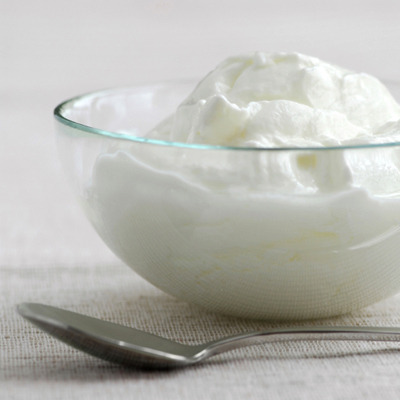
Low fat yogurt is a great way to get a compete protein source, a lot of calcium, and a nice tart flavor to help satisfy your cravings. There are a variety of yogurts, but I would go for those that are not too high in added sugars. For example, it’s better to get plain yogurt and add in the fruit yourself. You should also consider non-fat Greek yogurt, which contains a solid 22 grams of protein in only a 1 cup serving and a mere 120 calories.
Some studies have found that eating yogurt can help in fat loss. It may be due to the fact that calcium reduces a fat cells’ ability to store fat. Or, it may be due to the branched chain amino acids present in dairy products. Either way, low fat, or non fat yogurt deserves to be part of the Top 10 Fat Loss Foods.

Fat Loss Food #3: Low-Sodium Turkey

Turkey without the skin is among the lowest fat meats available on the market. To cap it off, it’s also pretty easy to eat on the go. Want to eat 8 ounces of turkey breast? Why not, it’s only about 240 calories and packs a protein punch. I recommend removing the skin, which is all fat, but if you have the skin, just eat in moderation.

Fat Loss Food #4: Apple

This is a favorite of mine, because it’s easy to carry around and eat on the go, but it’s also very nutritious and high in fiber, so it helps fill you up. An apple contains 24 grams of carbs, 3 of them being from fiber, and around 80 calories in a medium sized apple. I personally like the taste of green apples the most, but the various types of apples don’t make much of a difference in terms of calorie content.
I do, however, suggest you try to get organic apples when you can. I can’t handle tasting chemicals in the skins of apples that are not organic anymore. Blueberries came very close to making it on to the list because they are so high in fiber and antioxidants, but I think an apple is just easier to eat on the go.

Fat Loss Food #5: Lettuce

While lettuce is not that high in fiber, it requires more calories for your digestive system to digest than the lettuce contains. Pretty cool, huh? This is known as a negative calorie balance.
The main reason lettuce made this list is that you can put as much lettuce as you want in a big bowl, fill it up with veggies, lean meats, maybe some beans for some starch, and you’re good to go. The other great quality of lettuce is that it takes a long time to eat, which is a good thing. It takes up to 20 minutes for our brains to sense that we are full. Ideally, the darker green the lettuce, the more antioxidants and the more nutritious.

Fat Loss Food #6: Low-Sodium Chicken/Vegetable Soup


Similar to lettuce, drinking soup at a meal can slow you down, which helps your brain register that you are full. It also helps fill you up and is very low in calories because most broth based soups are low in fat, assuming they haven’t been doused in oil.
Like lettuce, you can throw in a lot of veggies and lean meats to make it more nutritious and filling. Healthy Valley has some pretty good low sodium soups, just be careful because some soups have outrageous amounts of sodium, like over 900mg of sodium per 1 cup serving, which is 40% of the suggested daily intake of 2300mg.
Just be careful if you order soups at a restaurant they don’t have any cream added.

Fat Loss Food #7: Almonds

While very calorically dense, almonds snuck onto the list because healthy fats are great in moderation, and almonds are among the best healthy fats. An almond is technically the seed of the fruit of the almond tree and is a great source of vitamin E and manganese. While almonds are not a “complete” protein source, a quarter cup of almonds offers solid 6 grams of protein.
Some weight loss studies have shown that the calories from nuts like almonds don’t seem to add weight as compared to other foods with the same amount of calories. The theory is that our bodies do not absorb calories from nuts very efficiently.
Either way, be careful not to munch on almonds all day long, because calories can add up fast. Only a quarter cup of almonds contains 140 calories and 15 grams of fat, which means one cup is a solid 560 calories and 60 grams of fat! A handful (about a quarter cup), on the other hand, makes for a great snack.

Fat Loss Food #8: Oatmeal
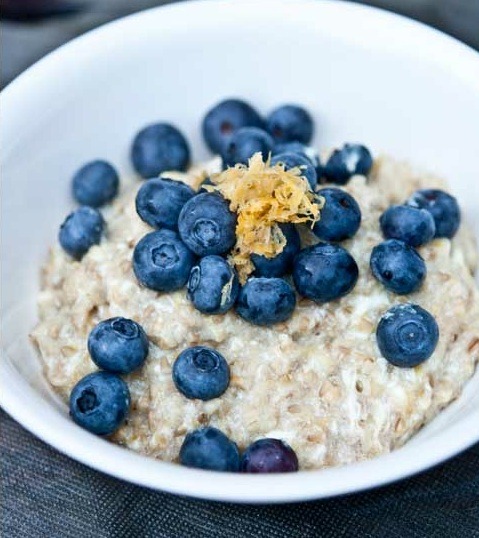
I love oatmeal because it’s filling, but doesn’t provide many calories. My favorite oatmeal is Kashi Go Lean vanilla, which only has 160 calories per serving, but you’ll be amazed at how much it fills you up because it has 6 grams of fiber. For you hardcore types, McCann’s Steel Oats and Traditional Quaker Oats have almost no sugar, but provide natural carbohydrates that will help fuel your workouts, without spiking your insulin levels. One more thing, if eating enough protein at breakfast is a problem area for you, then consider mixing in some whey protein, use skim milk instead of water, or a cup of egg whites.

Fat Loss Food #9: Low-Sodium Tuna

There’s a joke that many natural bodybuilders smell like tuna fish, because they are always eating cans of tuna all day long. The tuna you get at the Deli that’s filled with mayo does NOT count. In fact, mayo is a fat loss disaster, because it’s so calorically dense. I chose tuna because it’s easy to carry around for a high protein snack on the go. Of course, a tuna steak, and most fish for the matter are great sources of protein and healthy fats as well.

Fat Loss Food #10 Broccoli

I never used to eat broccoli as a kid, but fortunately I started eating broccoli after college and I developed a taste for it (as long as it’s steamed, I can’t stand raw broccoli!). Feel free to add it to your salads, or as a side with your lean meat, but you can’t go wrong with broccoli. Well, actually, let me clarify that.

If you smother it with sodium/sugar filled teriyaki sauce and stir fry it, broccoli can lose its appeal. Sautéed broccoli is still a heck of a lot healthier than French fries, but steamed is ideal. In general, vegetables are phenomenal fat loss foods and more veggies could have easily made it on this fat loss list.
As you probably started to notice, you can mix and match these 10 fat loss foods to create a number of different healthy, low calorie, nutritious snacks and meals to help you reach your fitness goals.

If you think I should have included something that didn’t make the list, or you have anything to add, leave a comment!


Source

Sunday, 14 February 2016

Can You Lose Fat by Eating Canned Tuna Packed in Water?

Tuna packed in water is not a weight-loss miracle, but it can be a healthy part of an overall fat-loss plan. As a nutrient-dense food, tuna packs in protein and vitamins with few calories. However, it would be dangerous to subsist on tuna alone -- not to mention boring. Avoid any type of diet that only includes canned tuna or any other specific food, as well as diets that cut out entire food groups.


Canned Tuna Calories

Each 3-ounce serving of light tuna packed in water has just 73 calories, making it a diet-friendly choice. However, the key is to control serving size. By the time you put down a 12.5-ounce can, you've consumed 271 calories. Also, skip the mayonnaise or other fatty mixers, and flavor your tuna with lemon juice or black pepper. Adding just 1 tablespoon of mayo adds 93 calories -- even more than the serving of tuna contains.

Protein

At almost 17 grams of protein per serving, tuna may help control your appetite. Protein has long been known to promote satiety, and a study published in "The American Journal of Clinical Nutrition" in 2005 demonstrated a direct link between protein and reduced calorie intake. Subjects tried diets of both 15 percent and 30 percent protein, with normal carbohydrate intake. On the higher-protein diet, participants consumed 441 fewer calories per day and lost about 11 pounds over 12 weeks.

A Balanced Diet

No food is healthy if you go overboard, so include tuna as part of a balanced meal plan. The U.S. Department of Agriculture recommends filling half of your plate with fruits and vegetables. The other half should contain grains and lean proteins. Opt for whole grains such as oatmeal, popcorn, brown rice and whole-wheat bread; at least half of your grains should come from whole sources. Tuna is an example of lean protein, and other options include low-fat dairy, egg whites, beans and tofu. Eat some healthy fats from nuts, avocado and other plant sources.

Exercise

To lose weight in a safe and sustainable fashion, eat 500 fewer calories than you burn every day. You'll shed a pound a week and won't feel starved. For optimal health, include regular exercise as part of your weight-loss plan. The Centers for Disease Control and Prevention recommends 150 to 300 minutes per week of moderate aerobic activity or 75 to 150 minutes a week of vigorous activity, plus at least two days a week of strength training. Walking or casual biking are moderate aerobic activities, while jogging and cycling uphill are vigorous. Strength-training activities include lifting weights, performing body weight exercises like pushups, pullups and squats or doing yoga.


Do you use tuna to boost weight loss? How do you eat your tuna; out of a tin? On a sandwich? In a salad? Comment below and let me know.


Source

References (6) 

Monday, 16 November 2015

6 Best Fish for Weight Loss

Fish are confusing.
Was it halibut that you ate last night—or haddock? Was it fluke or flounder? Redfish or whitefish? Bluefin or yellowtail? Snow crab or stone crab? Which one was good for the environment? Which one was good for your waist? And which one was so loaded with mercury it was like chewing on a thermometer?
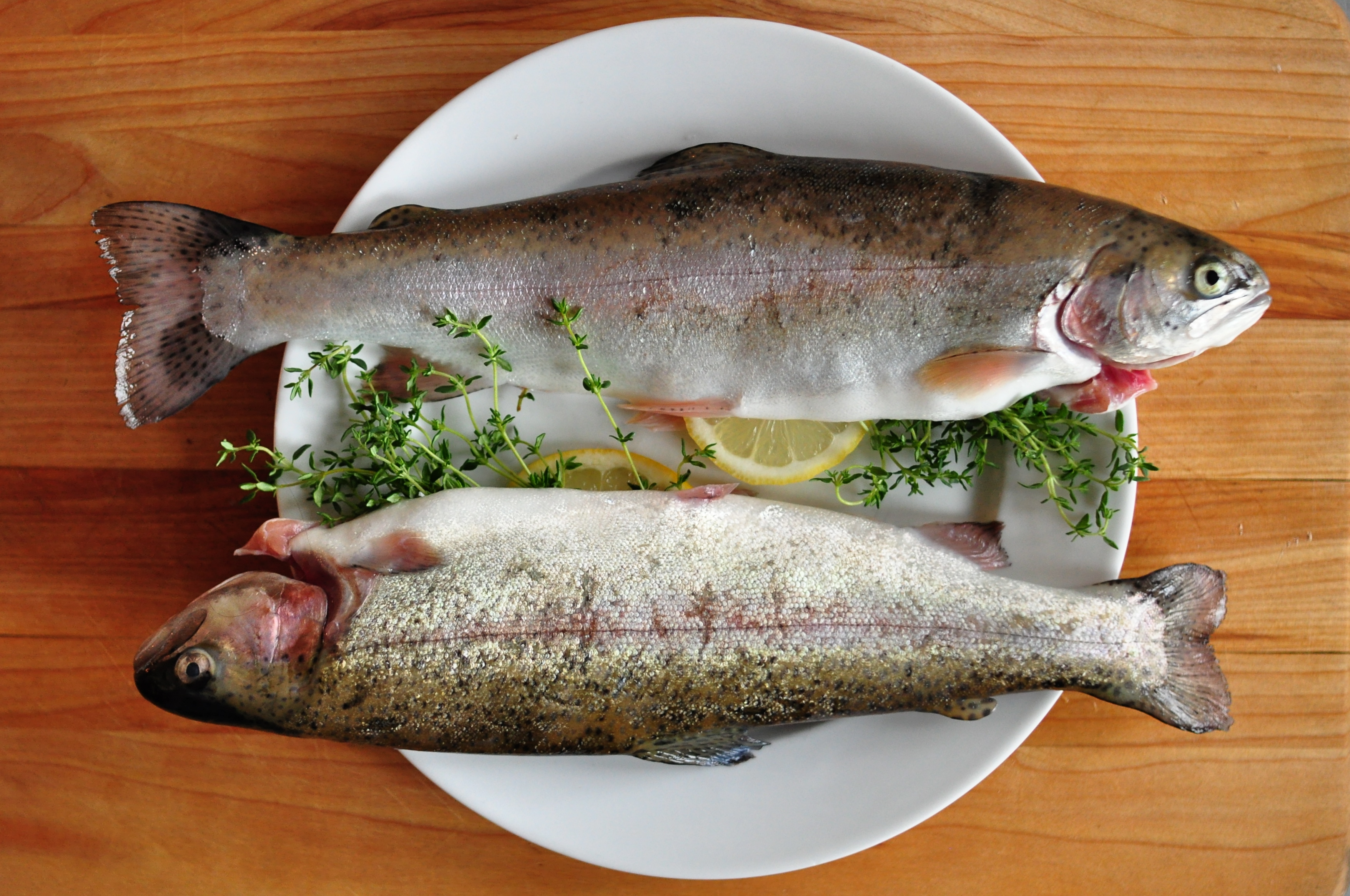
One thing we do know for certain is that regularly eating seafood as part of a healthy diet can do wonders for your weight loss goals—so long as you choose the right kind. That’s where the waters get murky again. So we had our research team here at Eat This, Not That! dive into the science behind your seafood. Let’s see if we can’t clear things up with this list of the best fish for losing weight.
1
HALIBUT


You might be surprised to learn that steamed white fish like halibut tops fiber-rich oatmeal and vegetables in the satiety department. The Satiety Index of Common Foods, an Australian study published in the European Journal of Clinical Nutrition, ranks it the number two most filling food—bested only by boiled potatoes for its fullness factor. A separate Australian study that compared the satiety of different animal proteins found a nutritionally similar white fish (flake) to be significantly more satiating than beef and chicken; satiety following the white-fish meal also declined at a much slower rate. Study authors attribute the filling factor of white fish like halibut to its impressive protein content and influence on serotonin, one of the key hormones responsible for appetite signals. Just make sure you avoid tilapia.
2
OYSTERS


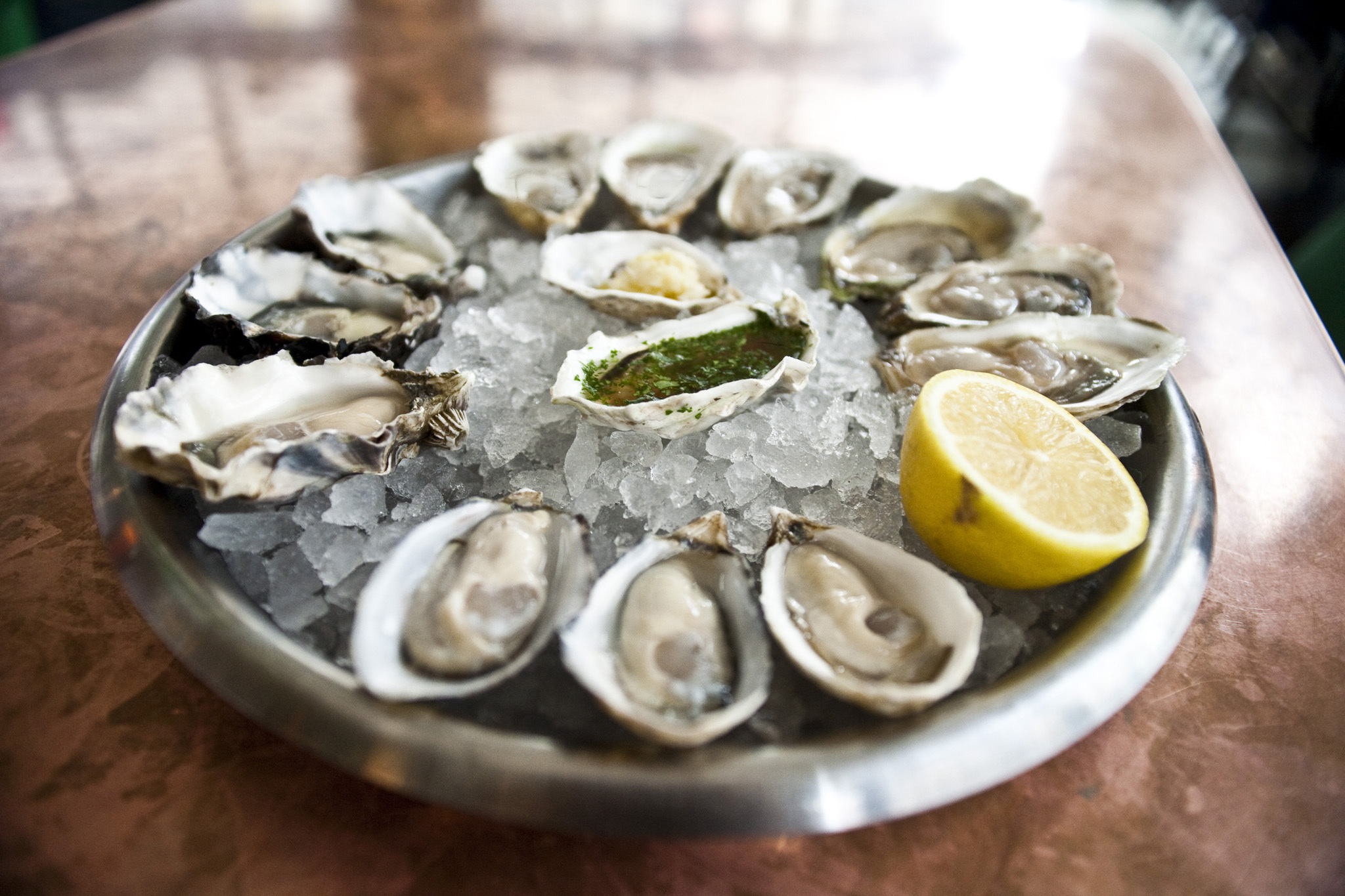
Scientists have yet to prove oysters well-known reputation as an aphrodisiac, but research has shown oysters’ lesser-known potential as natural weight loss aid. A half dozen order will set you back a mere 43 calories (the equivalent of a single Saltine cracker!), and provide 21 percent of your recommended daily allowance for iron, deficiencies of which have been linked to a significant increase in fat gene expression. What’s more, oysters are one of the best food sources of zinc, a mineral that works in tandem with the “I’m hungry!” hormone, leptin, to regulate appetite. Research shows overweight people tend to have higher levels of leptin and lower levels of zinc, in comparison to lean folks. One study in the journal Life Sciences found supplementing with zinc could increase leptin production in obese men by 142 percent. Get a shuck-load of zinc, naturally, with oysters—just six fulfills your recommended daily need by 200 percent! So make a happy-hour habit of hitting up the raw bar for a dozen on the half-shell; the order will get you into your skinny jeans, even if it doesn’t get you into anyone else’s.
3
WILD
SALMON


Don’t let salmon’s relatively high calorie and fat content fool you; studies suggest the oily fish may be one of the best for weight loss. (In fact, it makes our list of the fatty foods that will help you lose weight.) In one study, participants were divided into groups and assigned one of three equi-caloric weight loss diets that included no seafood (the control group), lean white fish, or salmon. Everyone lost weight, but the salmon eaters had the lowest fasting insulin levels and a marked reduction in inflammation. Another study in theInternational Journal of Obesity found that eating three 5-ounce servings of salmon per week for four weeks as part of a low-calorie diet resulted in approximately 2.2 pounds more weight lost than following a equip-calorie diet that didn't include fish. Wild salmon is leaner than farmed, which is plumped up on fishmeal; and it’s also proven to be significantly lower in cancer-linked PCBs. So go wild—literally!
4
SCALLOPS


The seafood jury rules scallops shall remain innocent until proven guilty! While they’re often guilty as by association with creamy and decadent restaurant sauces (not great for weight loss), the high-protein, low-calorie mollusks themselves are great for your waistline, and even your cholesterol. One study published in the Journal of Food Science found bioactive capsules made from scallop byproducts to show significant anti-obesity effects. Animals fed the capsules—a mixture of scallop and seaweed—over the course of 4 weeks showed greater reductions in body weight and body fat, compared to a control, which authors attribute to scallop’s high protein content (In fact, a scallop is 80 percent protein, and the part you eat is the mollusk’s adductor muscle!). A separate study that looked at the effects of different proteins on adipose tissue and glucose tolerance found scallops to reign supreme. Mice fed scallop protein showed lower blood cholesterol and diet-induced obesity levels compared to mice fed equi-caloric portions of casein or chicken protein.
5
LIGHT
CANNED TUNA


Tuna or to-not? That is the question. As a primo source of docosahexaenoic acid (DHA), canned light tuna is one of the best and most affordable fish for weight loss, especially from your belly! One study in the Journal of Lipid Research showed that omega 3 fatty acid supplementation had the profound ability to turn off abdominal fat genes. And while you’ll find two types of fatty acids in cold water fish and fish oils—DHA and eicosapentaenoic acid (EPA)—researchers say DHA can be 40 to 70 percent more effective than EPA at down regulating fat genes in the abdomen, preventing belly fat cells from expanding in size. But what about the mercury? Mercury levels in tuna vary by species; generally speaking, the larger and leaner the fish, the higher the mercury level. Bluefin and albacore rank among the most toxic, according to a study in Biology Letters. But canned chunk light tuna, harvested from the smallest fish, is considered a “low mercury fish” and can–and should!–be enjoyed two to three times a week (or up to 12 ounces), according to the FDA’s most recent guidelines.
tuna on bread
6
PACIFIC
COD


Fish and chips won’t help you lose weight, at least not out of the fryer. But research suggests a regular serving of Pacific cod, the fish that’s typical of fish sticks, may keep you stick thin. One study in the journal Nutrition, Metabolism & Cardiovascular Diseases found that eating five servings of cod per week as part of a low-calorie diet for eight weeks resulted in an extra 3.8 pounds of weight loss compared to a diet with the same amount of calories but no fish. And a second study in the European Journal of Clinical Nutrition found that people ate 11 percent less at dinner after having cod for lunch versus those who ate a beef lunch. Researchers attribute the satiating and slimming properties to cod’s high protein content and amino acid profile, which can help regulate the metabolism. No wonder Captain Birdseye looks so smug!


Comment below if you're a huge fan of food. Would you incorporate more seafood into your diet to boost weight loss? Let me know :)


Source