Showing posts with label eating. Show all posts

Saturday, 4 June 2016

The Best Time to Eat to Lose Weight

When you have your meals is just as important as what you eat if you’re trying to whittle your waist


Chances are your schedule is already so loaded that you cringe at the thought of trying to add another item. Having a set meal plan, however, can make it easier to lose or maintain weight. There’s no need to set an alarm, though: Check out these easy-to-follow eating menus to find the one that works best for your goals, lifestyle, and food preferences.
EATING 3 SQUARE MEALS
The classic breakfast, lunch, and dinner routine can be effective for weight loss when each meal is big enough to leave you satiated, but your daily total calorie intake is lower than what you’d eat chowing down five times a day. It’s also important to consume at least 30 grams of protein at each meal to maximize protein synthesis, a key strategy for protecting your hard-earned muscle while dieting. This meal structure can effortlessly translate into weight maintenance, as it follows social norms and is thus easily adoptable.
Works best for: Those who have a rigid work schedule that only allows for breaks at traditional set times, leaving no chance of escaping their desks for a mid-morning protein shake.
EATING 4 TO 5 SMALL MEALS
Very popular with people trying to drop pounds, this dining arrangement calls for reducing the size of the meals that you would normally eat and adding one or two small snacks throughout the day. If you’re looking to maintain the reading on the scale, the multiple meals will help manage satiety and provide a balance of calories throughout the day.
Works best for: This one's for you, snackers, as it transforms your freestyle eating into a plan, helping you better account for calories without drastically changing your way of eating. These “mini meals” are also smart for people with reactive hypoglycemia, a condition where your blood sugar levels drop too low shortly after eating. Munching more frequently helps prevent these dips and the subsequent feelings of shakiness, dizziness, or general brain fog.
EATING AROUND YOUR WORKOUT
Exercise increases insulin sensitivity, enhancing your muscles’ desire and ability to take up carbohydrates. If you want to ensure that your carbs are shuttled to your muscles to fuel recovery, try this agenda, which is one of the more biochemically sound approaches to eating: Consume all your carbs for the day during and after your workout, whenever that is. The rest of the day focus on protein-rich foods, green vegetables, and fat.
Works best for: Anyone looking to lose weight or stay lean while still being able to eat larger amounts of healthy starchy and grain-based carbs.
VEGAN BEFORE 6 P.M.
New York Times writer Mark Bittman made this approach popular when he used it to lose 35 pounds. According to Bittman, from the time he woke up until dinner he ate fruit, vegetables, whole grains, and legumes. Then he had whatever he wanted, which, he’s said, was normally “quite indulgent.” Going sans animal products most of the day restricts your food choices to relatively low-calorie options so you can eat fairly freely come dinner and still wind up with a low calorie count overall at the end of the day.
Works best for: People who don’t mind a more-limited food selection during the day and have enough self-control not to overindulge with excessive calories after 6.
FASTING TWICE A WEEK
A straightforward strategy popularized by Brad Pilon’s book Eat, Stop, Eat, all you have to do here is not eat for 24 hours two days a week—then you can eat freely (in moderation, of course) the other five days. Not only for weight loss, this method of fasting can also help you maintain your figure if you adjust the total time you are fasting each week (less fasting for weight maintenance and more for weight loss).
 
Works best for: While the idea of having anything you want when you can eat is appealing, be sure you’re also okay not eating for long periods of time.
NO EATING AFTER 8 P.M.
Let’s get one thing straight: Putting the kibosh on noshing past a certain time has nothing to do with some magic fat-burning hour. Establishing a no-food time frame can simply help cut down on late-night mindless calorie consumption. The trick is to be sure your evening meal isn’t the smallest of the day and that it includes adequate protein and fiber to help outwit potential hunger pangs that may arise before bed.
Works best for: Nibblers who can’t stop snacking after dinner has been cleaned up.


Source

Sunday, 14 February 2016

Can You Lose Fat by Eating Canned Tuna Packed in Water?

Tuna packed in water is not a weight-loss miracle, but it can be a healthy part of an overall fat-loss plan. As a nutrient-dense food, tuna packs in protein and vitamins with few calories. However, it would be dangerous to subsist on tuna alone -- not to mention boring. Avoid any type of diet that only includes canned tuna or any other specific food, as well as diets that cut out entire food groups.


Canned Tuna Calories

Each 3-ounce serving of light tuna packed in water has just 73 calories, making it a diet-friendly choice. However, the key is to control serving size. By the time you put down a 12.5-ounce can, you've consumed 271 calories. Also, skip the mayonnaise or other fatty mixers, and flavor your tuna with lemon juice or black pepper. Adding just 1 tablespoon of mayo adds 93 calories -- even more than the serving of tuna contains.

Protein

At almost 17 grams of protein per serving, tuna may help control your appetite. Protein has long been known to promote satiety, and a study published in "The American Journal of Clinical Nutrition" in 2005 demonstrated a direct link between protein and reduced calorie intake. Subjects tried diets of both 15 percent and 30 percent protein, with normal carbohydrate intake. On the higher-protein diet, participants consumed 441 fewer calories per day and lost about 11 pounds over 12 weeks.

A Balanced Diet

No food is healthy if you go overboard, so include tuna as part of a balanced meal plan. The U.S. Department of Agriculture recommends filling half of your plate with fruits and vegetables. The other half should contain grains and lean proteins. Opt for whole grains such as oatmeal, popcorn, brown rice and whole-wheat bread; at least half of your grains should come from whole sources. Tuna is an example of lean protein, and other options include low-fat dairy, egg whites, beans and tofu. Eat some healthy fats from nuts, avocado and other plant sources.

Exercise

To lose weight in a safe and sustainable fashion, eat 500 fewer calories than you burn every day. You'll shed a pound a week and won't feel starved. For optimal health, include regular exercise as part of your weight-loss plan. The Centers for Disease Control and Prevention recommends 150 to 300 minutes per week of moderate aerobic activity or 75 to 150 minutes a week of vigorous activity, plus at least two days a week of strength training. Walking or casual biking are moderate aerobic activities, while jogging and cycling uphill are vigorous. Strength-training activities include lifting weights, performing body weight exercises like pushups, pullups and squats or doing yoga.


Do you use tuna to boost weight loss? How do you eat your tuna; out of a tin? On a sandwich? In a salad? Comment below and let me know.


Source

References (6) 

Saturday, 10 October 2015

Secrets of Healthy Eating and Portion Control

A New American Diet

Our eating habits need help. Fast food, high-calorie desserts, sweet drinks, and more have filled us up -- and out. Most adults and 1 in 3 children in the U.S. are overweight or obese.
Changing the way you eat can be easy. To start, learn about some of the worst food offenders and how to replace them with healthier choices. Then try some portion-control tricks.


Calorie-Bomb Food Favorites

Most of our calories come from foods high in fat and sugar. Sweets like cookies and cakes, along with yeast breads, top the list. We also load up on calories in chicken dishes (often breaded and fried), sodas, and energy and sports drinks. Pizza, alcohol, pasta, tortilla dishes, and beef dishes pile on more calories. Unless you count fries and chips, fruits and vegetables don't even make a dent in our daily calorie count.

Eat Less

Just two problem foods -- solid fats and added sugars -- count for about 800 of our daily calories. That's almost half the calories an average woman should have in a day. U.S. dietary guidelines say we should limit solid, trans, and saturated fats. Cut back on fast foods and refined grains, like white bread. While you're at it, cut down on sodium (salt), too. Most of us get too much, raising our chances of high blood pressure and heart and kidney disease.

Eat More

Add more nutritious foods to your diet.
  • Instead of fatty meats, choose lean protein and seafood. Shoot for at least 8 ounces of fish a week.
  • Instead of solid fats like butter or margarine, use olive, canola, and other oils that are good for your waistline and heart.
  • Instead of baked goods and cereals with all white or refined grains, make at least half of your grains whole grains.
  • Other healthy choices: nonfat or low-fat dairy foods, eggs, beans, and lots of fruits and vegetables.

The Pizza Problem

Favorite foods like pizza may just need a makeover. Pizza can have lots of calories, refined grains, and fats. But with a few tweaks, it can be OK:
  • Choose a thin, whole-grain crust.
  • Pile on veggies and skip meat.
  • Use low-fat or fat-free cheese or just a sprinkle.
  • Have one small slice and fill the rest of your plate with vegetables.


What Are Whole Grains?

The outer shell, or "bran," of a kernel of wheat, rice, barley, or other grain is full of fiber, vitamins, and minerals. Fiber helps you feel full on fewer calories and keeps your bathroom visits regular. But to make white (refined) flour from a kernel of wheat, food makers get rid of the bran. With it goes much of the fiber and vitamins.

What Are Solid Fats?

Fats that are solid at room temperature usually contain saturated and trans fats. Trans fats should be avoided as much as possible and saturated fats should only contribute 10% of your calories. You will find saturated fats in butter, coconut oil, animal fats in meat, dairy, bacon and chicken skin. 

Serving the Right Size

Start downsizing to healthy portions and your body will, too. Check food labels and restaurant menus for hidden calories. Learn to "eyeball" your food to gauge what’s too much -- and what’s just right.

Shrink Your Plate to Lose Weight

You may have grown up being told to "clean your plate." The problem is that dinner plates in homes -- and restaurants – have gotten bigger. And so has the amount of food we put on them. If you clean your plate now, you're probably overeating.


Set Out Salad Plates

To shrink your portions:
  • Eat from a smaller dish like a luncheon or salad plate.
  • Learn and serve the right-sized portion.
  • Don't go back for seconds or keep extra food on the table to tempt you.
  • Store leftovers in single-serving containers for quick meals.

Eating Out? 4 Tips on Portion Size

Restaurants usually serve one person enough food for two or three. But you don't have to eat it all. 
  • Order a half portion or something from the kid's menu.
  • If you order a full-size entree, box up half of it before you start eating. 
  • Split a dish with a friend.  
  • Eat a healthy appetizer and soup or salad instead of an entrée.

Your Daily Diet

How many calories you should have depends on your age, your gender, and how active you are. An inactive woman should have 1,600-1,800 calories a day. An active average-sized man should have 2,400-2,800 calories. Have a healthy balance of foods each day:  
  • 1 1/2 - 2 cups of fruit and 2 1/2 - 3 1/2 cups of vegetables
  • 5-8 ounces of grain, 1/2 from whole grains
  • 3 cups of nonfat or low-fat dairy foods
  • 5-6 1/2 ounces of protein (meat, beans, and seafood) each day
  • No more than 5-7 teaspoons of oils, mostly from plants, fish, and nuts
  • 121 calories from solid fats and added sugars

Learn to Eyeball a Portion Size

You don't need to weigh or measure your food every time you eat. Instead, keep a mental image of a deck of cards, a poker chip, a baseball, a hockey puck, a CD, dice, and a light bulb. This makes it easy for you imagine healthy portion sizes.

Cut That Baked Potato Down to Size

1 medium potato = 1 computer mouse
That's equal to 1 cup of vegetables.
If you use a mouse every day, it's easy to grab the right size of potato at a grocery store. But a restaurant potato is likely to be twice that big and loaded with toppings and extra calories. To eat smart when you eat out:
  • Eat part of the potato and take the rest home for another meal.
  • Choose a sweet potato instead. It gives you vitamin C and vitamin A, which keep your eyes and skin healthy.

A Healthy Portion of Pasta

1 portion of pasta is 1/2 cup = 1/2 a baseball
That's 1 ounce, or 1/2 cup, of grains.
For healthier pasta:
  • If you eat more than one portion of pasta when you eat out, skip the breadbasket. But count the extra pasta as another portion of grains for the day.
  • Try whole-grain pasta. You'll fill up on less and get extra fiber.
  • Instead of Alfredo or other creamy sauces, choose tomato-based marinara.
  • Use low-fat salad dressing when you make pasta salad.

Trim Waffles Down to Size

1 portion of pancake or waffle = the size of a CD
That's a 1-ounce serving of grains.
Skip plate-sized waffles and stacks of pancakes swimming in syrup and butter. Instead:
  • Order a small pancake and an egg. That's a serving each of grains and protein.
  • Order whole grains, like a buckwheat or whole wheat pancake. You get more fiber and nutrition and stay full longer.  
  • Opt for fresh fruit or sugar-free syrup as a topping.

Your Favorites Can Fool You

Bagels and bran muffins seem like healthy eating choices. But they can be two or three times too big. A large bagel and even a low-fat muffin can pile on 300 calories. Spread it with butter or cream cheese, and you've added more fat and calories. Breakfast can be a whopping 500 calories.

Size Is Everything at the Bakery

1 small muffin = a tennis ball
1/2 a medium bagel = a hockey puck
That's a 1-ounce serving of grains.
Don't overdo it with bagels and bran muffins:
  • To save calories, eat a high-fiber English muffin instead.
  • Eat half of a large one or buy smaller sizes.
  • Make the bagel whole grain. The high fiber will curb hunger later.

Watch Your Dairy Servings

1 portion of cheese = four dice
That's a 1-cup serving of dairy.
Cheese is high in calcium. Regular cheese is also high in fat. One serving of low-fat cheese is one-third the amount of nonfat or low-fat dairy you should have in a day.
  • Try low-fat cheeses. They have gotten tastier.
  • Watch your portions. Nibble cheese like a mouse.
  • Ask for less cheese or low-fat cheese on pizza.

How Much Meat Is Too Much?

1 portion of meat or fish = a deck of cards or the palm of your hand
That's 3 ounces of protein.
Eat lean protein -- fish, poultry, eggs, nuts, and beans -- at every meal to help build muscle and lose weight.  But you may need less protein than you think. Adults only need 5 to 6 1/2 ounces of protein a day. That could be one egg at breakfast, a handful of nuts (12 almonds or 24 pistachios) mid-day, and 3 ounces of meat for dinner. 

Baseball-Sized Broccoli and Berries

1 serving of fruits or veggies = 1 baseball or a fist
1 serving of leafy greens = 2 tennis balls
That's a 1-cup serving of fruits or vegetables.
When it comes to fruits and vegetables, eat as much as you want.
  • Green, red, and orange foods have lots of nutrition. That includes berries, red bell peppers, tomatoes, pumpkin, and sweet potatoes.
  • Dark greens are heart healthy. Try spinach, broccoli, Swiss chard, and kale.

Go a Little Nuts for Peanut Butter

1 portion of peanut butter = a golf ball
That's 2 tablespoons or two 1-ounce servings of protein.
Peanut butter and jelly is great comfort food. And snacking on peanuts and peanut butter can curb hunger. The trick is to make a little bit go a long way. Peanuts have healthy fat, but it's still fat and can add calories -- 190 for 2 ounces. Jelly adds more.

Rice Lightens Up a Healthy Meal

2 portions of cooked rice = a light bulb
That's 2 servings of grains.
Rice is low in fat and calories. Serve it with a rainbow of healthy vegetables -- like red peppers, bok choy, onion, and carrots -- stir-fried in a little peanut or canola oil.
  • Steam rice instead of frying it to keep calories down.  
  • Try brown rice, which has more fiber than white rice.
  • Don't ruin the health benefits of rice by topping it with fried food or heavy sauce.


It's Easy to Overdo Fats and Oils

1 portion of fat = a poker chip or a stack of four dimes.
That's 1 teaspoon, or 1 serving, of fats and oils.
You probably get enough fat in foods like cooking oil, salad dressings, meats, and nuts.
  • Spray cooking oil in a pan before frying, instead of pouring in liquid oil.
  • Use heart-healthy olive or canola oil instead of butter.
  • Dress your salad with light vinaigrette instead of thick, creamy salad dressing.

A Handful of Chips

1 ounce = 6 large tortilla chips or 20 potato chips
That's 2 teaspoons of oil and 150 calories
Chips tend to be packed with the things we need to limit: unhealthy fat, refined grains, and sodium. Just one ounce can have nearly half of an entire day's fat for a woman.
Read the label: Baked, multigrain, and vegetable chips -- like carrot and sweet potato -- have more nutrients and may have less fat.

Keeping Dessert in Proportion

1 serving = 1/2 baseball
That's 4 ounces or 1/2 cup.
Desserts can be full of unhealthy fats and sugar. One cup of ice cream -- twice the size of a portion -- can have 285 calories and 75% of the solid fat an inactive woman should have in a day
  • Save sugar calories for something to eat instead of a coffee drink or soda
  • Instead of a bunch of cookies, have a small cookie and a piece of fruit or glass of milk.
  • When you really want chocolate, eat dark chocolate, which has less sugar.


Source
http://www.webmd.com/diet/ss/slideshow-serving-sizes
Reviewed by Kathleen M. Zelman, MPH, RD, LD on /2, 15 1

Monday, 7 September 2015

What to Eat When You’re Stressed

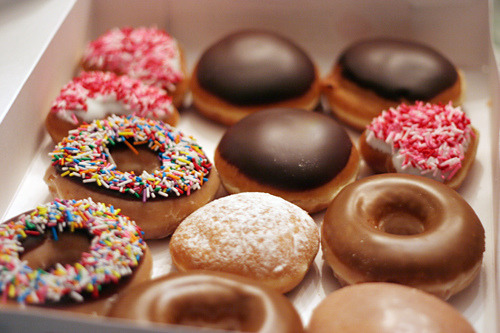
It’s 2pm. The day is in full swing. Your head droops toward the floor into your open hand. Running your thumb and forefinger firmly along your temples produces an involuntary grimace that contorts your face as if an attempt to scare away the day’s worries. Your mind wanders toward an escape from the stressors that are running rampant. Mmm, a doughnut left over from breakfast might do the trick. Maybe another cup of coffee will recharge things. That candy bar hiding in the desk drawer wouldn’t be bad either. Will any of these options offer escape or might they just exacerbate the problem? Let’s delve into some tension nutrition!
It’s inevitable that each day will bring challenges and stressors that can result in tremendous tension. Life throws all sorts of obstacles your way; the last thing you need to do is worsen the tension by polluting your body’s internal system with poor food choices. There are three simple questions one must ask when choosing foods during stressful periods:

  1. Why am I eating?
  2. What foods should I eat?
  3. What foods should I avoid?


    Why Am I Eating?

    Eating can be triggered by a multitude of factors other than hunger. If you were to analyze the intricate chemistry of the human body, it is apparent how stressful situations set off a cascade of hormones that can result in an unexpected calorie binge. Problems arise when we consistently give in to this hormonal calling and begin to depend on food as our escape from the tension of life.
    Jane, one of my clients, has experienced this negative eating pattern firsthand. Multiple times she’s discussed with me how challenging it is to not reach for a quick and easy comfort food when the day turns stressful. I continually reinforce to her that allowing your body’s hormones to lead you to eat calorie-dense foods can lead to weight gain. Excess weight increases your risk of diabetes, heart disease, stroke, gallbladder disease, arthritis, and multiple cancers. Carrying extra physical weight takes quite a toll, but accumulating emotional baggage just might be even more treacherous.  Ahead, we’ll look at foods that tame the “overeat hormones” and strategies for avoiding emotional eating.
    Using food as an emotional crutch is an extremely unhealthy habit. Delicious food acts as an easy escape from life’s problems.  Focusing on eating rather than dealing with a stressful situation can develop into a vicious cycle.  Tension leads to bad food choices, bad food choices lead to more tension, more tension results in more overeating, and so on and so on.  This cycle threatens our emotional stability and can wreak havoc on personal spirituality.
    Through years of counseling clients, I’ve discovered that personal spirituality can play a large role in helping one deal with stress, worry, and anxiety without compromising healthy nutritional efforts.  For example, the Bible says to cast all your anxiety on God because He cares about you so much.  If someone truly believes that God loves them, they can release their negative emotions to Him.  The spiritual danger of consistent emotional eating comes as a result of drowning stress and tension in calories rather than bringing those emotions to God.  Food is innocent and meant to be one of the natural pleasures of life.  Only when our relationship with food is distorted, do we encounter potentially serious issues that threaten our spiritual and physical health.  For all facets of your health, it’s important to stay vigilant against the deception of emotional eating.
    Here are four practical ways to squash emotion-driven eating and reduce daily tension.
    • Analyze your hunger. Ask yourself, “Is my brain craving food or is my stomach hungry?”
    • Stay focused. When you feel tension increasing as your tasks pile up, stand up, stretch, have a glass of water, and refocus on the task at hand.
    • Remove temptation. Simply put – you won’t eat what you don’t have.  Don’t keep unhealthy foods in your bag, at your office, or in your car.
    • Consistently ask God for discernment between true hunger and emotional cravings, as well as discipline to resist the temptation when it arises.
    It’s 2pm again.  The day is in full swing.  The tension is mounting as a million things throttle towards you.  Your head droops toward the floor into your open hand and . . . you pray a silent prayer.  Suddenly, you experience peace and better understand the cravings that gnaw at your brain.  Later, with your tension released and delicious food on your plate, you’ll bow your head one more time and thank God for the guilt-free meal you’re about to savor.  But what foods should be included in that meal?  Or, what would be a healthy snack to help tame those “overeat hormones?”


    What Foods Should I Eat? (What to eat when you’re stressed!)

    The basic components of quality nutrition are the best solution for 99% of scenarios.  It’s no different with choosing foods during times of high stress and tension.  While it may not sound quite exotic enough, the best recommendations are fruits, vegetables, quality protein, essential fats, and whole grains.  Each of these foods work together to maintain a stable environment within your body, resulting in consistent energy levels, reduced cravings, ease of concentration, proper digestion, and adequate recovery.  Here’s a little more specificity to help along the way.
    – Broccoli, oranges, bell peppers, papayas, cantaloupe, and tomatoes are all rich in everyone’s favorite nutrient: Vitamin C!  Research has shown that vitamin C helps reduce the physical and psychological effects of stress, as well as encouraging quicker recovery from stressful situations. Quick side note: mega-dosing vitamin C is not beneficial.
    – Leafy greens, soybeans, 100% whole grains, and nuts are good sources of what has been dubbed the “Anti-Stress Mineral”: Magnesium.  Magnesium helps to relax muscles, regulate your heart rhythm, improve quality of sleep, and plays a vital role in the functioning of your nervous system.
– Almonds, walnuts, flax seeds, and most seafood provide the body with essential fatty acids (or EFAs). I often like to call EFAs nature’s miracle workers. Research with EFAs has shown improved mood, more stable blood sugar levels, possibly reduced inflammation, and potentially strengthened immunity. To take advantage of these benefits, I basically  require all of my clients use a quality omega-3 formula everyday. My top recommendations are: Essential Superior Omega-3 Formula (gel caps) or Vitacost Finest Fish Oil (liquid).


For almost all of the above nutrients, there is tremendous nutrient crossover.  The point is – don’t over complicate things.  Just be sure to reach for fruits, vegetables, nuts, 100% whole grains, and/or lean meats.  You can’t go wrong.  Well, actually you can go wrong.  It’s time to look at what foods are on the opposing side against the nutrient rich, anti-stress foods.

What Foods Should I Avoid?
The list of foods you should eat all had one thing in common; they promote a stable environment within your body which helps it perform at peak function.  Using simple logic, it’s easy to predict that the opposite will be true for the foods to avoid.  The following foods have the potential to increase tension, worsen stress, and trigger the “overeat hormones” resulting in emotional eating.
– Highly processed foods can truly pollute your internal environment.  Carbs are the great double-edged sword.  Consuming processed carbohydrates can result in extreme energy swings, drowsiness, lack of concentration, and uncontrollable cravings.  A quick practical list of processed foods to avoid includes: crackers, chips, candy, any bread or grain product that is not 100% whole, most granola bars, cereal, and canned fruit or fruit juice.
– Caffeine is America’s favorite stimulant.  The problem is not with moderate consumption, but with excessive intake.  Consuming too much caffeine actually mimics stress to the body.  Two to three (8 oz) cups of coffee per day is considered average.  Problems tend to arise when people become dependent and consistently increase their intake.  Be sure to monitor yourself and avoid the pitfall of consistently increasing your consumption.


Source
http://coreylittlecoaching.com/tension-nutrition-eat-youre-stressed/