Many readers have been asking about foods that they can incorporate into their daily diet that can help promote fat loss and create a feeling of fullness. Well you asked for it, now I am delivering!

In my opinion, the best fat loss foods are not just “healthy”, but must pass the following checklist:
(1) Not calorie dense (I have one exception)
(2) Help fill you up
(3) Create only a small release of insulin
(4) Easy to procure/prepare
(2) Help fill you up
(3) Create only a small release of insulin
(4) Easy to procure/prepare
So let’s get started…
Fat Loss Food #1: Egg Whites
This is a favorite of many natural body builders and fitness models because it’s 100% pure protein, containing 4 grams of protein, 0 grams of carbs and fat, and only 16 total calories. Want 10 egg whites for breakfast? Sure why not, it’s only 160 calories and will fill you up. An egg white omelet with some veggies and low fat cheese makes for a great breakfast, while a few egg whites from a hardboiled egg can make for a great snack any time (add some high fiber fruit, like an apple, or blueberries for extra bonus points).
Fat Loss Food #2: Low Fat Yogurt
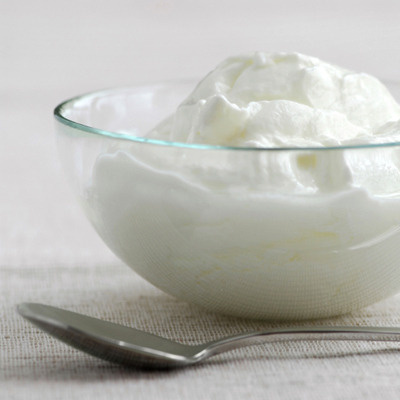 Low fat yogurt is a great way to get a compete protein source, a lot of calcium, and a nice tart flavor to help satisfy your cravings. There are a variety of yogurts, but I would go for those that are not too high in added sugars. For example, it’s better to get plain yogurt and add in the fruit yourself. You should also consider non-fat Greek yogurt, which contains a solid 22 grams of protein in only a 1 cup serving and a mere 120 calories.
Some studies have found that eating yogurt can help in fat loss. It may be due to the fact that calcium reduces a fat cells’ ability to store fat. Or, it may be due to the branched chain amino acids present in dairy products. Either way, low fat, or non fat yogurt deserves to be part of the Top 10 Fat Loss Foods.
Fat Loss Food #3: Low-Sodium Turkey
Turkey without the skin is among the lowest fat meats available on the market. To cap it off, it’s also pretty easy to eat on the go. Want to eat 8 ounces of turkey breast? Why not, it’s only about 240 calories and packs a protein punch. I recommend removing the skin, which is all fat, but if you have the skin, just eat in moderation.
Fat Loss Food #4: Apple
This is a favorite of mine, because it’s easy to carry around and eat on the go, but it’s also very nutritious and high in fiber, so it helps fill you up. An apple contains 24 grams of carbs, 3 of them being from fiber, and around 80 calories in a medium sized apple. I personally like the taste of green apples the most, but the various types of apples don’t make much of a difference in terms of calorie content.

I do, however, suggest you try to get organic apples when you can. I can’t handle tasting chemicals in the skins of apples that are not organic anymore. Blueberries came very close to making it on to the list because they are so high in fiber and antioxidants, but I think an apple is just easier to eat on the go.
Fat Loss Food #5: Lettuce
While lettuce is not that high in fiber, it requires more calories for your digestive system to digest than the lettuce contains. Pretty cool, huh? This is known as a negative calorie balance.
The main reason lettuce made this list is that you can put as much lettuce as you want in a big bowl, fill it up with veggies, lean meats, maybe some beans for some starch, and you’re good to go. The other great quality of lettuce is that it takes a long time to eat, which is a good thing. It takes up to 20 minutes for our brains to sense that we are full. Ideally, the darker green the lettuce, the more antioxidants and the more nutritious.
Fat Loss Food #6: Low-Sodium Chicken/Vegetable Soup

Similar to lettuce, drinking soup at a meal can slow you down, which helps your brain register that you are full. It also helps fill you up and is very low in calories because most broth based soups are low in fat, assuming they haven’t been doused in oil.
Like lettuce, you can throw in a lot of veggies and lean meats to make it more nutritious and filling. Healthy Valley has some pretty good low sodium soups, just be careful because some soups have outrageous amounts of sodium, like over 900mg of sodium per 1 cup serving, which is 40% of the suggested daily intake of 2300mg.
Just be careful if you order soups at a restaurant they don’t have any cream added.
Fat Loss Food #7: Almonds
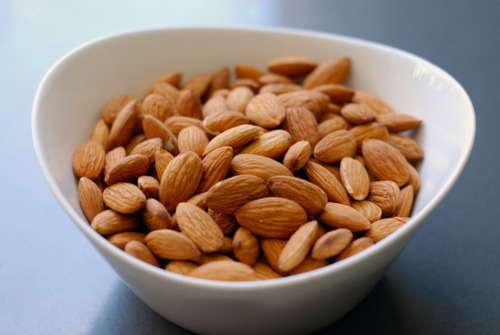
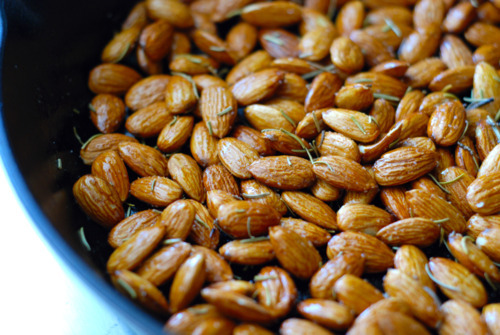
While very calorically dense, almonds snuck onto the list because healthy fats are great in moderation, and almonds are among the best healthy fats. An almond is technically the seed of the fruit of the almond tree and is a great source of vitamin E and manganese. While almonds are not a “complete” protein source, a quarter cup of almonds offers solid 6 grams of protein.
Some weight loss studies have shown that the calories from nuts like almonds don’t seem to add weight as compared to other foods with the same amount of calories. The theory is that our bodies do not absorb calories from nuts very efficiently.
Either way, be careful not to munch on almonds all day long, because calories can add up fast. Only a quarter cup of almonds contains 140 calories and 15 grams of fat, which means one cup is a solid 560 calories and 60 grams of fat! A handful (about a quarter cup), on the other hand, makes for a great snack.
Fat Loss Food #8: Oatmeal
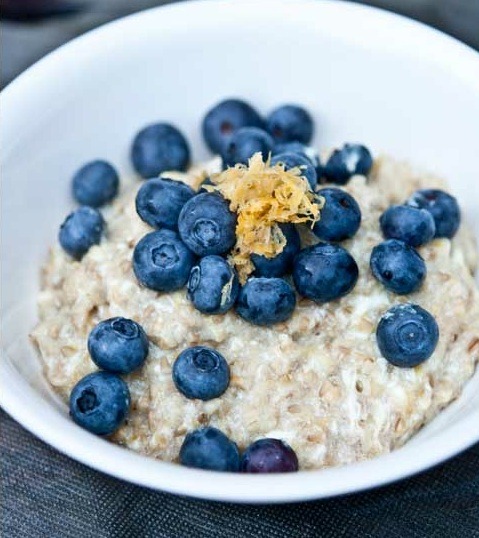 I love oatmeal because it’s filling, but doesn’t provide many calories. My favorite oatmeal is Kashi Go Lean vanilla, which only has 160 calories per serving, but you’ll be amazed at how much it fills you up because it has 6 grams of fiber. For you hardcore types, McCann’s Steel Oats and Traditional Quaker Oats have almost no sugar, but provide natural carbohydrates that will help fuel your workouts, without spiking your insulin levels. One more thing, if eating enough protein at breakfast is a problem area for you, then consider mixing in some whey protein, use skim milk instead of water, or a cup of egg whites.
Fat Loss Food #9: Low-Sodium Tuna
There’s a joke that many natural bodybuilders smell like tuna fish, because they are always eating cans of tuna all day long. The tuna you get at the Deli that’s filled with mayo does NOT count. In fact, mayo is a fat loss disaster, because it’s so calorically dense. I chose tuna because it’s easy to carry around for a high protein snack on the go. Of course, a tuna steak, and most fish for the matter are great sources of protein and healthy fats as well.
Fat Loss Food #10 Broccoli
I never used to eat broccoli as a kid, but fortunately I started eating broccoli after college and I developed a taste for it (as long as it’s steamed, I can’t stand raw broccoli!). Feel free to add it to your salads, or as a side with your lean meat, but you can’t go wrong with broccoli. Well, actually, let me clarify that.

If you smother it with sodium/sugar filled teriyaki sauce and stir fry it, broccoli can lose its appeal. Sautéed broccoli is still a heck of a lot healthier than French fries, but steamed is ideal. In general, vegetables are phenomenal fat loss foods and more veggies could have easily made it on this fat loss list.
As you probably started to notice, you can mix and match these 10 fat loss foods to create a number of different healthy, low calorie, nutritious snacks and meals to help you reach your fitness goals.
If you think I should have included something that didn’t make the list, or you have anything to add, leave a comment!
Source