Showing posts with label nuts. Show all posts

Saturday, 20 February 2016

Burning Fat With Flavonoids

Nuts appear to boost one’s metabolism, such that when we eat nuts we burn more of our own fat to compensate. People who don’t eat nuts tend to burn off around 20 grams of fat a day–about 5 pats worth of butter, but those eating walnuts averaged more like 31 grams–7 or 8 pats of butter. In Fat Burning Via Arginine, I explore one theory as to why this may happen (and where arginine can be found in our diet).

It may also be the flavonoids, phytonutrients found in nuts as well as citrus, berries, red onions, beans, green tea, grapes, and cocoa, that may boost our metabolism enough to significantly slim our waistline. Based on what kind of evidence? I showcase a study done on purple grape juice in my video Fat Burning Via Flavonoids.
Just like nuts are calorically dense yet don’t seem to cause much weight gain, Welch’s was hoping that the same would be found for their grape juice. They had people guzzle down 2 cups a day for three months. Keep in mind that Welch’s grape juice has more sugar than Coca Cola. Two cups of purple grape juice contain the equivalent of 20 spoonfuls of sugar. The control group was basically given grape Kool-Aid instead, with the same number of calories and same amount of sugar, but no detectable phytonutrients.

At two cups a day study subjects were getting hundreds of extra calories a day. Surely after 3 months they’d gain a couple pounds. Indeed that’s what happened in the grape-flavored sugar water group—how could they not with all that extra sugar in their diet? The grape juice group, on the other hand, did not. In fact, their waist circumference shrunk significantly. Drinking grape juice appeared to burn away significantly more tummy fat. So maybe there is something to the theory put forth by the nut and green tea researchers that flavonoid phytonutrients are capable of helping the body burn fat. If true, then it’s just one more reason to eat nuts and drink green tea—not grape juice. Instead of the juice, I’d recommend eating concord grapes, the source of purple grape juice that you may be able to find at a farmer’s market near you.


Source

Tuesday, 1 December 2015

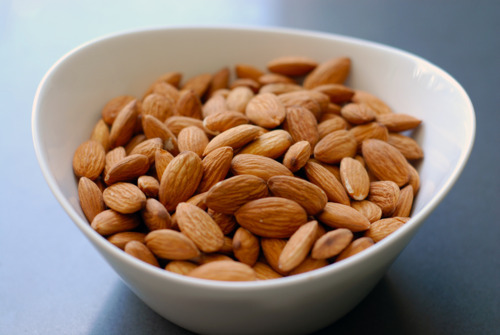
6 New Reasons to Eat Almonds

And okay, #7: They taste amazing.


Nutritionists are having a love affair with almonds. Next week at the American Society of Nutrition annual meeting, researchers are set to present six new studies on the health benefits of noshing on almonds. 
Patience isn't our strongest virtue, so we got a peek at the findings—and we're sharing them with you. Check out these six new science-backed bennies of our favorite snack:
Less Belly Fat
Belly fat does more than look bad. It hangs around your organs and ups your risk of chronic disease. Luckily, a new Penn State study of 52 adults with elevated LDL (bad) cholesterol, people who ate 1.5 ounces a day of almonds for six weeks reduced their belly fat and waist circumference more than those had a high-carbohydrate, calorie-matched snack.
Lower Cholesterol
Lower LDL (bad) cholesterol, that is. People who eat almonds are 44 percent less likely to have elevated LDL compared to those who don't get their almonds on, according to a new Louisiana State University study of 24,808 adults.
Fewer Cravings 
Snack on this: Eating 1.5 ounces of dry-roasted, lightly salted almonds daily helped curb participants' appetites and regulate their blood sugar, per a new Purdue University study of 137 adults.
Less Inflammation 
In a new Chinese study, type 2 diabetics who ate 1.5 ounces of almonds each day for three months dramatically improved their bodies' levels of oxidative stress and inflammation.
Healthier Baby Bumps
More than half of women gain too much weight during pregnancy, increasing their odds of gestational diabetes, high blood pressure, and preeclampsia. But almonds might help. A new study of overweight and obese women by California researchers shows that eating 2 ounces of almonds improves satiety, reduces appetite, and may promote healthy weight gain during pregnancy.

Another reason to enjoy almonds! Comment below if you found this helpful. Are you going to start eating more almonds? Let me know :)

Source

Sunday, 11 October 2015

Foods That Help Tame Stress

Is There a Stress Management Diet?

Stress: We all have it, and how we handle it can make all the difference. Stress management can be a powerful tool for wellness, since too much stress is bad for you. There are many strategies, and one of them includes what you eat. Read on to learn how a stress management diet can help.


Stress-Busting Foods: How They Work

Foods can help tame stress in several ways. Comfort foods, like a bowl of warm oatmeal, boost levels of serotonin, a calming brain chemical. Other foods can cut levels of cortisol and adrenaline, stress hormones that take a toll on the body over time. A healthy diet can help counter the impact of stress by shoring up the immune system and lowering blood pressure. Do you know which foods are stress busters?

Complex Carbs

All carbs prompt the brain to make more serotonin. For a steady supply of this feel-good chemical, it's best to eat complex carbs, which take longer to digest. Good choices include whole-grain breads, pastas, and breakfast cereals, including old-fashioned oatmeal. Complex carbs can also help you feel balanced by stabilizing blood sugar levels.


Simple Carbs

Dietitians usually recommend steering clear of simple carbs, which include sweets and soda. But in a pinch, these foods can hit the spot. They're digested quickly, leading to a spike in serotonin. Still, it doesn't last long, and there are better options. So don't make these a stress-relieving habit; you should limit them.


Oranges

Oranges make the list for their wealth of vitamin C. Studies suggest this vitamin can curb levels of stress hormones while strengthening the immune system. In one study of people with high blood pressure, blood pressure and levels of cortisol (a stress hormone) returned to normal more quickly when people took vitamin C before a stressful task.


Spinach

Too little magnesium may trigger headaches and fatigue, compounding the effects of stress. One cup of spinach helps you stock back up on magnesium. Don't like spinach? Other green, leafy vegetables are good magnesium sources. Or try some cooked soybeans or a fillet of salmon, also high in magnesium.


Fatty Fish

To keep stress in check, make friends with naturally fatty fish. Omega-3 fatty acids, found in fish such as salmon and tuna, can prevent surges in stress hormones and may help protect against heart disease, depression, and premenstrual syndrome (PMS). For a steady supply of feel-good omega-3s, aim to eat 3 ounces of fatty fish at least twice a week.


Black Tea

Drinking black tea may help you recover from stressful events more quickly. One study compared people who drank 4 cups of tea daily for 6 weeks with people who drank another beverage. The tea drinkers reported feeling calmer and had lower levels of the stress hormone cortisol after stressful situations.


Pistachios

Pistachios, as well as other nuts and seeds, are good sources of healthy fats. Eating a handful of pistachios, walnuts, or almonds every day may help lower your cholesterol, ease inflammation in your heart's arteries, make diabetes less likely, and protect you against the effects of stress. Don't overdo it, though: Nuts are rich in calories.


Avocados

One of the best ways to reduce high blood pressure is to get enough potassium, and half an avocado has more potassium than a medium-sized banana. A little bit of guacamole, made from avocado, might be a good choice when stress has you craving a high-fat treat. Avocados are high in fat and calories, though, so watch your portion size.


Almonds

Almonds are chock-full of helpful vitamins: vitamin E to bolster the immune system, plus B vitamins, which may make you more resilient during bouts of stress or depression. To get the benefits, snack on a quarter of a cup every day.


Raw Veggies

Crunchy raw vegetables can help ease stress in a purely mechanical way. Munching celery or carrot sticks helps release a clenched jaw, and that can ward off tension.


Bedtime Snack

Carbs at bedtime can speed the release of the brain chemical serotonin and help you sleep better. Since heavy meals before bed can trigger heartburn, stick to something light.


Milk

Another bedtime stress buster is the time-honored glass of warm milk. Research shows that calcium eases anxiety and mood swings linked to PMS. Dietitians typically recommend skim or low-fat milk.


Herbal Supplements

There are many herbal supplements that claim to fight stress. One of the best studied is St. John's wort, which has shown benefits for people with mild to moderate depression. Although more research is needed, the herb also appears to reduce symptoms of anxiety and PMS. There is less data on valerian root, another herb said to have a calming effect. Tell your doctor about any supplements you take, so they can check on any possible interactions.


De-Stress With Exercise

Besides changing your diet, one of the best stress-busting strategies is to start exercising. Aerobic exercise boosts oxygen circulation and spurs your body to make feel-good chemicals called endorphins. Aim for 30 minutes of aerobic exercise three to four times a week. If you're not active now, tell your health care provider you're going to start exercising -- they'll root for you and make sure you're ready to get moving.


Source
http://www.webmd.com/diet/ss/slideshow-diet-for-stress-management
Reviewed by Kathleen M. Zelman, MPH, RD, LD on 6/, 014

Tuesday, 9 June 2015

Best Healthy Nuts and Seeds for Weight Loss


Boost your energy with healthy super foods

Although energy dense and therefore high in calories, nuts and seeds can in fact be beneficial for weight loss.  Both of these foods are high in fibre and protein making them a filling snack option that will keep you satiated for a long time.  Not only this, but nuts and seeds are packed full of nutrients, making them a health super food, and hugely more nutritious than other popular snack foods.
Due to the high calorie content, it is important to keep portion sizes small if weight loss is your goal.  A small handful per day is sufficient to provide you with nutritional benefits and fight off hunger, without consuming too many calories.


http://quantitativemedicine.net/2015/05/19/why-do-nuts-prevent-heart-attacks/

Health benefits of nuts and seeds

Nuts and seeds are not only rich in fibre and protein, but also in numerous other nutrients.  They contain high levels of mono and polyunsaturated fats, which are important for heart health and can lower cholesterol levels.  Some also contain high amounts of omega-3 fatty acids, which have been shown to have substantial benefits for the heart, cells and nervous system, as well as to reduce inflammation.  The American Heart Foundation recommends including some nuts and seeds daily for the apparent benefits to heart health.
Loaded with Vitamins and minerals
Nuts and seeds are also rich in a multitude of antioxidants including vitamin E, folate, manganese, and selenium.  These substances are important in the body as they help fight damage causing free-radicals and thus are thought to protect against cancers.  Nuts are also a good source of minerals such as zinc and magnesium and B vitamins which are essential for energy.

http://www.oceanecology.ca/Seed_plant_suppliers.htm


The Best Nuts and Seeds

Choose raw and unsalted nuts
For weight loss and nutrition value its best to choose raw, unsalted nuts.  Salt can contribute to increases in blood pressure as well as making nuts more addictive, meaning it is hard to stop at a small amount.
Avoid coated or roasted
Avoid nuts that are coated or roasted in other oils, as these are often unhealthy hydrogenated or saturated fats, such as palm oil.  Oil coated nuts will also be higher in fat and calories and therefore less suitable for weight loss.
Avoid sugar coated nuts
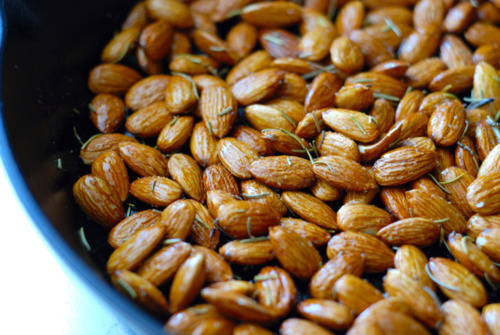
Sugar coated nuts should also be avoided, as these are again much higher in calories.  Try toasting nuts yourself under a grill and seasoning with herbs or spices for a healthier alternative with more flavour than plain nuts.
Calorie content of nuts and seeds
In terms of calorie and fat content, there is not a huge amount of difference between plain nuts.  Peanuts, almonds, pistachios and cashew nuts are the lowest in calories with around 160 calories per ounce, whilst brazil nuts, walnuts, pine nuts and pecans contain around 180 calories per ounce. Seeds such as pumpkin, sunflower and sesame contain around 150-180  calories per ounce, but are usually consumed in smaller quantities than nuts.

Healthiest nuts

According to the George Mateljan Foundation’s list of the world’s healthiest foods, the healthiest nuts include:
  • Almonds: High in vitamin E, magnesium, copper, vitamin B2 and phosphorus and concentrated in protein.  The majority of fat in almonds is heart healthy mono-unsaturated fat.
  • Cashews:  High in antioxidants, mono-unsaturated fats and phosphorus and with a lower fat content than many other nuts.
  • Flaxseeds (Linseed):  High in omega-3 fatty acids, beneficial for anti-inflammatory properties, as well as vitamin B6, fibre and manganese.
  • Peanuts:  High in mono-unsaturated fats, flavonoids, antioxidants, and folic acid.  They are also high in vitamin B3 and are thought to contain an antioxidant known as resveratrol, which is thought to have anti-aging effects.
  • Pumpkin Seeds:  High in essential fatty acids, potassium, magnesium, phosphorus and vitamin K, these may be beneficial for arthritis and help lower cholesterol.
  • Sesame Seeds:  Good source of Vitamin B1, mono-unsaturated fats, and phytosterols which inhibit cholesterol production.
  • Sunflower seeds:  High in linoleic acid, fibre, magnesium and phytosterols.
  • Walnuts:  High in omega 3 fatty acids, manganese and copper.  They also contain an essential amino acids used by the body to make nitric oxide, which is required for keeping blood vessels flexible.

Chia seeds, super foods or scam?

One of the more recent ‘super-food’ crazes to take hold, chia seeds are being dubbed as the dieters dream food and a nutritional miracle.  Whilst it is certainly true that these seeds are high in omega 3 fatty acids, antioxidants, fibre, protein and minerals, (as are many nuts and seeds), it is unclear as yet how many of the supposed benefits can be verified scientifically.  Studies have shown that when used in conjunction with a healthy diet, chia seeds may help to lower cholesterol and blood pressure.


How to add nuts and seeds to your diet

Apart from a handful of nuts as a snack there are many ways to add nuts and seeds to your diet to increase nutrition and assist with weight loss by adding protein and fibre to keep you fuller for longer.
Add them to your breakfast menu
Try adding a sprinkle of nuts or seeds on breakfast cereal or yogurt, or use spreads such as tahini or peanut butter (with no added fats or sugar).  See more healthy breakfast ideas
Add them as cooking ingredients to your recipes
When baking, throw in a handful of chopped nuts or sprinkle seeds on top of bread.
Also, try to choose products made with added seeds such as grain or nut bread.
Add them to your salads
A handful of nuts also make a great addition to a salad or pasta dish for a bit of crunch and toasted sesame seeds add extra texture to an Asian stir-fry.  Nut milks and butters are also a good way to get the nutritional benefits and can often be lower in saturated fats than alternatives from animal sources.


Source
http://www.caloriesecrets.net/best-healthy-nuts-and-seeds-for-weight-loss/