Showing posts with label food. Show all posts

Monday, 11 April 2016

7 Mental Tricks That Shed Pounds

It's Free!


Think about how often you eat food that you don't even want: the free cookie that came with your sandwich; the second helping of paella you accepted just to be polite; the unsatisfying fat-free ice cream that you kept dipping into each night because you didn't want to waste it. The trouble with such rationalizations is that they can add up to extra pounds. "These examples can total about 600 additional calories a day — enough to cause a moderately active woman to gain five pounds a month if she doesn't burn them off," says Milton Stokes, RD, a spokesperson for the American Dietetic Association. Here are the most common leaps in food logic and the simple attitude adjustments that will keep your diet — and your weight — in check.

THE LOGIC behind "It's Free!": 


When food's up for grabs, I might as well grab some!


Freebies are everywhere, from samples at the market to bagels in the morning meeting. But just one sesame-with-cream-cheese will set you back almost 500 calories. And that's not the only reason to refuse it: Research shows that you're likely to perceive free food as less tasty (so you're not even really enjoying it). Plus, you're unlikely to compensate for the additional calories by eating less the rest of the day, says Brian Wansink, PhD, author of Mindless Eating: Why We Eat More Than We Think. "In our brains, free food isn't coded as a meal but as a surprise that we don't need to enter into our daily calorie count," he explains. So even if the giveaway grub is mediocre at best, you keep eating, since it's not like you're paying for it — not in cash anyway.
Change your mind: When faced with a tempting handout, ask yourself, "If it weren't free, would I stop and buy it?" Anything not worth your hard-earned dollars or even cents isn't worth the added pounds either.

Better Be Polite


THE LOGIC: I have to have one of Mom's giant homemade cookies — she'll be insulted if I say no.


Whether it's your mother, your friend, or your boss who's the cookie pusher, one large chocolate chunk can pack more than 400 calories. But unfortunately, in many families, offering baked goods is the edible equivalent of saying "I love you"; to refuse is to reject the sentiment.
Change your mind: One strategy, says Stokes, is to ask for a cookie to go, then immediately toss it once you're home. If it's an ongoing problem and involves something less portable — like that second helping of paella — you'll have to take a more direct approach. Respectfully explain that you're trying to cut back on extra helpings. Or accept the offer of seconds, but say you've actually had your eye on another serving of tonight's veggie dish.

Don't Waste It!


THE LOGIC: Leaving food on my plate (or my kids') means throwing it away — not good home economics!


It's a message we hear our whole lives: You don't waste perfectly good food when there are kids starving in Africa! But nibbling the cold mac-and-cheese off your 4-year-old's plate doesn't help anyone. Nor does eating the entire carton of bland fat-free frozen yogurt you bought but hated after the first bite.
Change your mind: Never feel guilty for getting rid of extra food. Eating more than your body needs counts as wasting food too — it just gets dumped in your fat cells instead of the garbage can. Chucking that 1.75-quart container of fro-yo (minus the one serving you ate) would save you 1,170 calories — that's one-third of a pound of jiggly body fat. Try reducing recipes so you make only as many servings as you have people. Give kids who don't clean their plates smaller portions; if they're still hungry, they'll let you know.

It's a Special Occasion

THE LOGIC: It's okay to indulge at restaurants and parties as long as you eat healthfully at home.


Special occasions feel like a time to relax the rules and enjoy yourself. The problem is, when you've got an "occasion" every other day — whether it's a birthday party, working lunch, family event, happy hour, or restaurant outing — they can't all be considered "special" anymore. If, like most Americans, you eat out a few days a week, the calories can really add up: Just one piece of bread with butter tacks on more than 100 calories per slice.
Change your mind: Approach each day, whether you're dining in or out, with the same nutrition goals. A study of members of the National Weight Control Registry revealed that people with this mind-set were one and a half times more likely to maintain their weight. The trick is to remember that it's never your last chance to indulge — delicious food will still be available tomorrow and the day after that. Order the must-have appetizer this time and the fabulous dessert next time.
Just can't resist ordering all your favorites every time? Take a look at your regular diet: If all you eat is lackluster food (like frozen dinners, energy bars, and garden salads), no wonder you go nuts every time you go out. Replace some or all of your "diet" meals with real food — take a healthy-cooking class, buy a new cookbook, or make a trip to a gourmet shop. Just including one nutritious but full-flavored item at each meal, like artisanal cheese or dark chocolate, can make you feel less compelled to "get it while you can" at restaurants and parties, says Stokes.

What a Bargain!


THE LOGIC: Sure, I'll take the jumbo-size Coke — it's only 25 cents more!


Call it the "Costco effect": An item you didn't especially want or need suddenly becomes appealing when you can get twice as much for half the price. Unfortunately, getting 16 more ounces of soda for just a quarter more ups your calorie total as well — by 182. And don't count on making the larger serving last longer: In one study, Wansink found that people ate 92 percent more cookies each day when they had an especially large supply stockpiled in their cupboards. In fact, you're liable to keep munching away even after your monster-size snack loses its appeal, says Wansink. He found that people given larger buckets of free popcorn ate significantly more, even when it was 14 days old and stale!
Change your mind: Adopt a "pay less, weigh less" attitude. Sure, it may be a better value to buy 100 cookies for $5 than it is to buy 10 cookies for $3. But by choosing the smaller package, you'll actually spend $2 less — and save hundreds of calories.
This concept works at restaurants, too. Order an appetizer portion of your dish even if you have to pay the full entree price. You're not wasting money; your meal costs the same either way. You're simply choosing to buy fewer calories with your money.

It's No Fun Without Food


THE LOGIC: Movies just aren't the same without a family-size box of Sno-Caps.


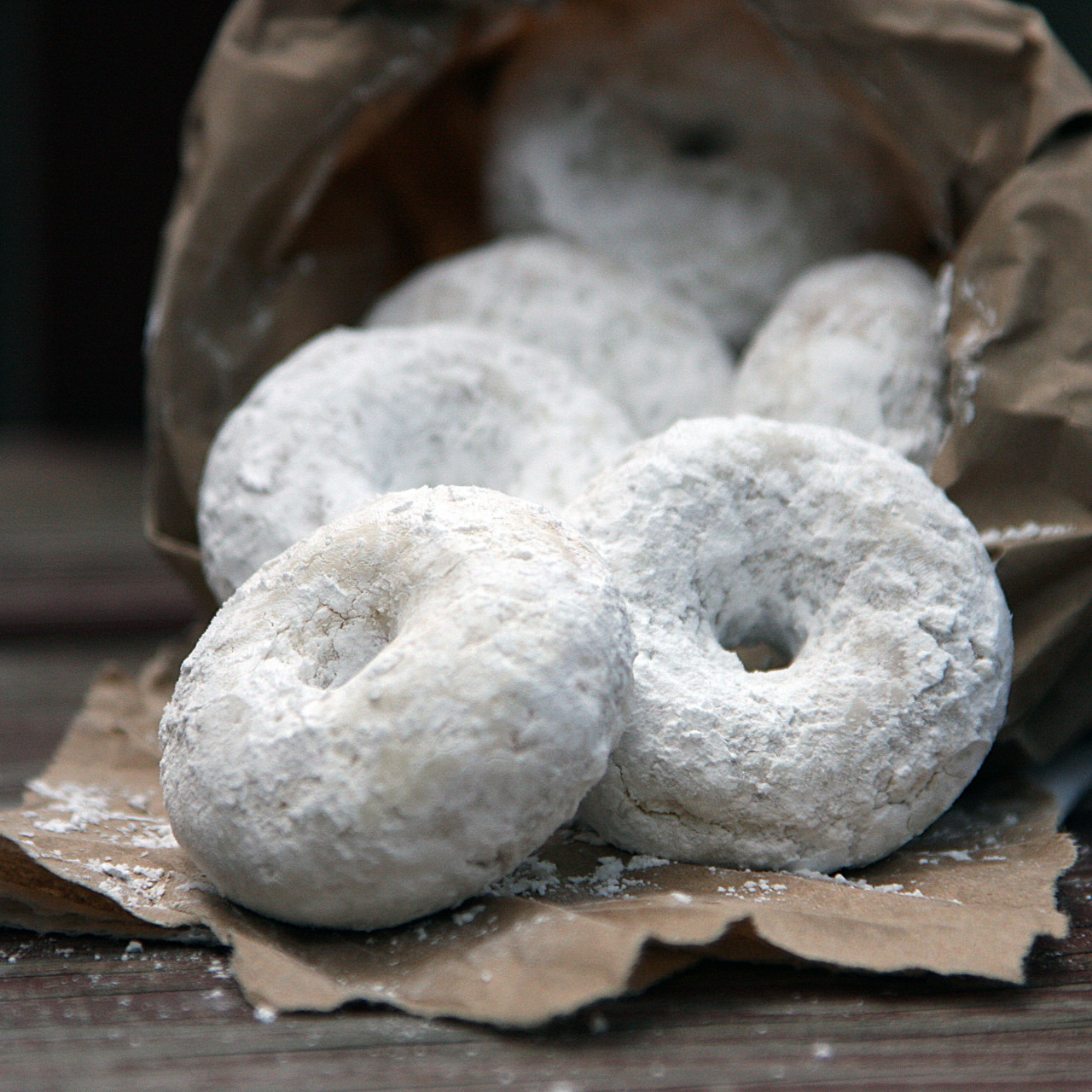
It's amazing how many activities are paired with food — candy at the movies, margaritas on date night, coffee and doughnuts while reading the Sunday paper. It becomes a classic Pavlovian response. "When you combine a certain pastime over and over with eating, you eventually stop listening to hunger or fullness cues and just eat on autopilot whenever you engage in that activity," says Tara Gidus, RD, a spokesperson for the American Dietetic Association in Orlando, Florida.
Change your mind: Disentangle food/fun associations by altering your routine, says Gidus. If your evening ritual is a bag of chips in front of the TV, relax instead with a book on the patio. "Just switching rooms or chairs can help break the pattern," says Gidus. Rather than dinner dates, plan active outings. And as for the movies, think about how much money you'll save just by avoiding the inflated concession-stand prices.

I Deserve It


THE LOGIC: With the day I've had, the world owes me a hot fudge sundae.


"Food provides a very basic, easily obtainable way to nurture and reward yourself, and delaying this gratification isn't easy," says Rick Temple, PhD, a psychologist who treats eating disorders at the University of South Florida Counseling Center in Tampa. The trouble is, we rarely nurture ourselves with broccoli: A classic study found that when an eating bout is triggered by emotions rather than by seeing or smelling food, you're less likely to take nutritional value into consideration.
Change your mind: Acknowledge all of your needs, not just the ones for instant gratification: "Yes, it's true, I deserve a sundae. But do I also deserve fat thighs and high cholesterol?" Next, grab a pencil and paper and list 10 inedible things that make you feel rewarded, or comforted, or indulgent or pampered, and pick one, suggests Gidus. Call your best friend, cuddle with a pet, or seduce your husband — that's one thing we guarantee will be more satisfying than food.


Source

Sunday, 8 November 2015

Are you eating healthy portion sizes?

Most foods are good, but only in moderation. Read on to see if you're eating the right sized serve.


Many people ensure that they get at least five serves of veggies and two serves of fruit each day. They eat wholegrain carbohydrates, lean proteins and low-fat dairy whenever possible, and only ever eat good fats. So why are they still carrying around extra kilograms? Lack of exercise is one reason, but in today's society, where portion sizes are getting larger and larger, another likely reason is that they are simply having too much of a good thing.


Steak

For protein, iron and zinc, a good steak takes some beating, but it is easy and tempting to eat too much.
Healthy portion: 120g (643kJ)
With a healthy portion of steak you can afford to buy the best meat possible. This eye fillet is the best that money can buy and you don't need to eat much to appreciate its quality and flavour. It's lean, tender and a perfect choice for anyone trying to manage their weight. A healthy portion of steak should be about the size of a palm.
Oversized portion: 300g (1608kJ)
Bigger is not always better and, while it might be tempting to fill your plate with a large steak, it comes at the price of a whole lot of extra kilojoules and saturated fat. Trim off the fat, cut the steak in half and fill the rest of your plate with vegetables. You'll feel satisfied and will be making sure you get your five serves of veggies a day.


Avocado

Avocado is a good source of vitamin E and C, folate, fibre and monounsaturated fat, and can help to lower cholesterol, but it is high in kilojoules.
Healthy portion: 3 slices, 30g (257kJ)
On a sandwich in place of butter or margarine, or to top a salad, this good fat provides nutrients.

Oversized portion: 1/2 , 120g (1026kJ)
On a weight-loss diet the total amount of energy for a meal should be about 2500kJ, so half an avocado is too much if you include lean protein, vegetables and good-quality carbohydrates.
Avocado


Nuts

Unsalted nuts are one of the best snacks you can eat. They fill you up, help to lower cholesterol and provide good fat, fibre and protein.

Healthy portion: 30g (765kJ)
One lady-sized handful is about 30g and perfect for snacking. It adds 2.5g fibre to your daily quota and helps regulate blood sugar levels.   
Oversized portion: 90g (1811kJ)
Three handfuls and you've consumed more in kilojoules than is recommended for a small meal.
Nuts


Salmon

With 100g providing more than half the suggested 500mg of omega-3 fatty acids per day, salmon also provides protein and potassium.
Healthy portion: 150g (891kJ)
This is the entire daily omega-3 recommendation (1000mg is recommended for those with cardiovascular disease) and has 29g protein.
Oversized portion: 250g (148kJ)
In a shop the salmon portions are usually too small to cut in half and too big for one serve. Trim it down to 150g and save the rest for the next day.
Salmon


Cheese

It contains saturated fat but is a good source of calcium and protein. Just don't eat too much.

Healthy portion: 30g (507kJ)
The size of a small matchbox, 30g cheese provides 507g energy, 7g protein and 230g  calcium: that's more than 20 per cent of the daily amount of calcium recommended for woman under 50.

Oversized portion: 80g (1352kJ)
Each 20g slice of cheese stacks on 338kJ, and four slices adds close to 19g of saturated fat.
Cheese


Source

Monday, 26 October 2015

Foods for Mental Energy and Focus

Choose the right foods to eat and you will be able to concentrate, feel alert, and get things done. Eat the wrong things and you'll lack focus, feel sluggish, and want to take a nap. Unfortunately, no one teaches us which foods help or hurt our ability to focus better.
I wish this wasn’t true. I used to find myself feeling tired, sluggish, and unable to get work done after eating what I thought was a healthy meal. This led to me doing a lot of research and experimentation to find foods that give me the energy I need to focus and work hard for 60 hours a week. After a few months of trial and error I came up with 6 foods and 1 drink that really work.
You’ll probably wonder why coffee and tea aren't on the list. While both work due to their caffeine content, I wanted to find foods that also had additional nutritional value (i.e. protein, vitamins and minerals, etc.). I also figured it’d be cool to know additional ways to boost brainpower.
Blueberries
Studies show that eating blueberries can improve your ability to concentrate and perform tasks requiring you to really focus. Scientists still don’t know why they’re beneficial. Some believe that it may be their high antioxidant content which helps vacuum up potentially damaging free radicals. Others suggest it’s their ability to reduce inflammation and increase the flow of blood and oxygen to your brain. Whatever it is, blueberries are a tasty, brain friendly food. I find that my energy stays consistent for several hours after eating them, especially when added to a protein shake or plain yogurt.
How much should you eat? You eat 1 cup a day. Eat them alone or add them to a protein shake for a delicious snack. Avoid eating them with sugar-rich desserts the blood sugar spike you'll get may diminish their brain boosting benefits. Don’t expect to see instant brain-boosting benefits. The benefits are more likely to occur over time.
Dark Chocolate
This will probably be your favorite brain boosting food. Chocolate, especially the dark stuff contains compounds called flavonols that can help improve mental focus. Studies show that drinking flavanol rich cocoa helps increase blood flow to your brain which, in turn, improves your ability to concentrate. A single square of dark chocolate also contains a small amount of caffeine too which also improves mental energy and focus.
Eat 2-3 squares of dark chocolate a day. The darker the chocolate the better.
Eggs
The simple egg is an awesome food for boosting your ability to focus. That’s why I eat them several times a week. I really notice a difference in my productivity after eating them for breakfast, lunch, or dinner.
Each serving of eggs are rich in protein, B vitamins, and choline. Each plays a key role in keeping your brain healthy. The choline in eggs is especially important since it's a component in the cells of your brain. It's also used to make acetylcholine, a compound that helps your brain send messages from one cell to another.
Eat eggs 3-4 days a week for the best results. You shouldn’t worry about their cholesterol content either. Studies show that it’s not bad for your heart. Don’t throw away the yolks as this it the part of the egg where the B vitamins, choline, and other brain healthy nutrients are contained.
Fatty Fish
Once I started eating fatty fish and taking a fish oil supplement daily I noticed that I was my ADD like tendencies diminished and I was able to get more work done in less time. I feel calmer too. The reason for this are the omega 3 fats found in fish like anchovies, mackerel, salmon, and sardines. One of these omega 3’s, DHA is found in large amounts within our brains. The other, EPA is converted to DHA once it’s been consumed.
EPA and DHA help our brains in a few ways. The first is that they increase the ability of the cells in our brain to communicate with one another. This makes it easier for your brain to properly function. Another is that omega 3 fats increase the production of dopamine and serotonin, two chemicals that have important roles with regard to mental focus. Dopamine helps spur you into action and get you to work while also making it possible for you to focus on the task at hand. Serotonin on the other hand helps to keep you feeling calm and better able to deal with stress which also makes it easier for you to concentrate and get things done.
Strive to eat fish at least 2-3 times a week to receive benefit. You may need to eat it more often or take a fish oil supplement to see significant results. Expect it to take a couple of weeks before you notice significant results.
Nuts And Seeds
Eating certain nuts and seeds can help your focus and brain function. They include: walnuts which are shown to boost serotonin levels so you’re better at handling stress, cashews which are rich in magnesium a mineral that can increase blood flow to your brain, and almonds a seed that is rich in phenylalanine an amino acid that helps produce the focus boosting chemical dopamine. I like to buy them raw and roast them myself. This allows me to come up with my own recipes and is much less expensive than buying a bag of roasted nuts.
Eat a handful of these nuts and seeds daily for the best results. You can eat them alone or add them to your favorite recipes. I like them with roasted fish and mixed in with yogurt.
Steak
A nice, lean cut of steak is is full of other nutrients that are good for your brain. It’s rich in B vitamins which your brain uses for fuel and proper function. Every serving also contains creatine, which your body uses for fuel. You also get a nice dose of the amino acid l-tyrosine which is used to make dopamine which, like I previously wrote, helps your brain stay alert, energized and able to fully focus. Since steak digests slowly, it will keep you full between meals minimizing energy crashes and brain fog too.
How much do you need? You can eat steak as often as you like. Aim for 2-3 servings a week, especially on days you really need to focus. I like to eat it for breakfast with our without eggs and find doing so makes it much easier to focus all morning long. If you eat steak regularly, eat lean cuts like flank, flat iron, filet mignon, and sirloin.
Water
Sure, it’s not as sexy as chocolate or tasty as steak but drinking good old water throughout the day instead of soda and other sweetened drinks is of paramount importance to keeping your brain in working order. As you know, water is required for your body to stay hydrated. This is important to our brains since being even a little dehydrated compromises our brains ability to function properly. This means instead of being able to focus you will instead feel lethargic and short of mental energy. Become dehydrated enough and you will find yourself feeling depressed and really out of sorts.
Most experts recommend drinking 8 glasses of water a day. Depending on your activity levels, you may require more or less for optimal results. Since I work out daily, I need to drink 12 or more glass every day. When I drink less my mental energy really wanes.
Putting It All Together
Now you know several foods to you can eat any time for better focus and mental energy. Give these suggestions a try for a month and I guarantee that you will find that you’re able to get more done in less time.
Comment below what you think of the article. Did you find it helpful? Will you start eating more of these foods to help you focus? Let me know :)

Source
http://www.pickthebrain.com/blog/foods-for-mental-energy-and-focus/

Friday, 23 October 2015

Food Addiction – A Serious Problem With a Simple Solution


Eating healthy and losing weight seems downright impossible for many people.
Despite their best intentions, they repeatedly find themselves eating large amounts of unhealthy foods, despite knowing that it is causing them harm.
The truth is… the effects of certain foods on the brain can lead to downright addiction.
Food addiction is a very serious problem and one of the main reasons some people just can’t control themselves around certain foods, no matter how hard they try.

What is Food Addiction?

Food addiction is, quite simply, being addicted to junk food in the same way as drug addicts are addicted to drugs.
It involves the same areas in the brain, the same neurotransmitters and many of the symptoms are identical (1).

Food addiction is a relatively new (and controversial) term and there are no good statistics available on how common it is.
This is very similar to several other eating disorders, including binge eating disorder, bulimia, compulsive overeating and having an “unhealthy” relationship with food.

How This Works

Processed junk foods have a powerful effect on the “reward” centers in the brain, involving brain neurotransmitters like dopamine (2).

The foods that seem to be the most problematic include typical “junk foods,” as well as foods that contain either sugar or wheat, or both.
Food addiction is not about a lack of willpower or anything like that, it is caused by the intense dopamine signal “hijacking” the biochemistry of the brain (3).
There are many studies that support the fact that food addiction is a real problem.
The way this works is pretty complicated, but this short video explains it in human terms:

8 Symptoms of Food Addiction

There is no blood test available to diagnose food addiction. Just like with other addictions, it is based on behavioral symptoms.
Here are 8 common symptoms that are typical of food addicts:
  1. You frequently get cravings for certain foods, despite feeling full and having just finished a nutritious meal.
  2. When you give in and start eating a food you were craving, you often find yourself eating much more than you intended to
  3. When you eat a food you were craving, you sometimes eat to the point of feeling excessively “stuffed.”
  4. You often feel guilty after eating particular foods, yet find yourself eating them again soon after.
  5. You sometimes make excuses in your head about why you should eat something that you are craving.
  6. You have repeatedly tried to quit eating or setting rules (includes cheat meals/days) about certain foods, but been unsuccessful.
  7. You often hide your consumption of unhealthy foods from others.
  8. You feel unable to control your consumption of unhealthy foods, despite knowing that they are causing you physical harm (includes weight gain).
If you can relate to 4-5 of these, then you probably do have a serious problem with food. If you can relate to 6 or more, then you are most likely a food addict.

Food Addiction is a Serious Problem

Although the term “addiction” is often thrown around lightly, having true addiction is serious business.
I’m a recovering alcoholic, smoker and drug addict with a history of many rehabs, jail more often than I can count and several trips to the emergency room due to overdose.

After I had been sober for several years, I started to develop an addiction to unhealthy foods.
Full-blown addiction. Nothing more, nothing less.
The reason I’m telling you this is to demonstrate that I know how addiction works.
I’m here to tell you that food addiction is the same as addiction to drugs… exactly the same.
The symptoms and thought processes are completely identical. It’s just a different substance and the social consequences aren’t as severe.
Food addiction can cause physical harm. It can lead serious diseases like obesity, type 2 diabetes, heart disease, cancer, Alzheimer’s, arthritis and depression, to name a few.
But you have even bigger reasons to quit than some unfamiliar disease in your distant future. Food addiction is also ruining your life… today.
It breaks your self-esteem, makes you unhappy with your body and can make your life a living hell (like it did for me).
The seriousness of being a food addict can not be overstated. This is a problem that ruins lives and kills people. Literally.

The Law of Addiction – Why You May Never be Able to Eat “Normally” Again

The most important lesson I have ever learned is called the law of addiction:
“Administration of a drug to an addict will cause reestablishment of chemical dependence upon the addictive substance.”
A former smoker who has a puff of a cigarette will become addicted again… instantly.
An alcoholic who has a sip of beer will relapse, with all the horrible consequences that follow.
There is no way of getting around it. This is simply how addiction works.
I am personally convinced that food addiction is no different. One bite of cake, one sip of coke, one “cheat” – that’s all it takes.

Of course, we all need to eat something. Otherwise we’ll die of starvation. But no one needs to eat sugar, refined wheat flour or any of the modern junk foods that people tend to lose control over.
Most food addicts will never be able to eat junk food like “regular” people again. That’s the cold, hard truth.
But if they manage to avoid the “trigger foods,” then they should be able to eat healthy and lose weight without problems.
The truth is… complete abstinence is the only thing that reliably works against addiction. The sooner you accept that, the sooner you will recover.
Although the “everything in moderation” message may work for some people, this advice is a complete disaster for food addicts.
When it comes to addiction, moderation fails. Every time.
This is the simple (but not easy) solution to addiction. Avoiding the addictive substance at all times.

How to Know if This is Worth The Sacrifice

Completely avoiding junk foods may seem impossible.
These foods are everywhere and are a major part of our culture.
But believe me… once you’ve made the decision to never eat them again, avoiding them actually becomes easier.

When you’ve made a firm decision to avoid them completely, then there’s no need for you to justify anything in your head and the cravings may not even show up.
Many people who have done this (including myself) don’t even get cravings anymore, not after they’ve made a profound decision to simply avoid this stuff… permanently.
But if you’re still in doubt and are unsure if this is worth the sacrifice, then write down a list of pros and cons.
  • Pros might include: I’ll lose weight, I’ll live longer, I’ll have more energy and feel better every day, etc.
  • Cons might include: I won’t be able to eat ice cream with my family, no cookies on Christmas, I might have to explain my food choices… (Most of these social dilemmas can be solved easily).
Write everything down, no matter how peculiar or vain. Then put your two lists side by side and ask yourself: Is it worth it?
If the answer is a resounding “yes” – then you can rest assured that you are doing the right thing.

Prepare Yourself and Set a Date

There are a few things you can do to prepare yourself and make the transition as easy as possible:
  • Trigger Foods: Write down a list of the foods you tend to crave and/or binge on. These are the “trigger foods” you need to avoid completely.
  • Fast Food Places: Write down a list of fast food places that serve healthy foods. This is important and can prevent a relapse when you find yourself hungry and not in the mood to cook.
  • What to Eat: Think about what foods you’re going to eat. Preferably healthy foods that you like and are already eating regularly.
  • Pros and Cons: Consider making several copies of your “pros and cons” list. Keep a copy in your kitchen, glove compartment and purse/wallet. Sometimes you will need a reminder about why you’re doing this.
It’s important to NOT go on a “diet.” Put weight loss on hold for at least 1-3 months.

Overcoming food addiction is hard enough as it is, by adding hunger and additional restrictions to the mix you will just make things even harder and set yourself up for failure.
Now… set a date, some time in the near future (maybe this weekend or next week).
From this day and onward, you will never touch the addictive foods again. Not a single bite, ever. Period.

When All Else Fails… Seek Help

If you end up relapsing and losing control over your consumption again, then you’re not alone.
Relapses are the rule when it comes to addiction, not the exception.
Most people have a history of several failed attempts before they manage to succeed in the long run.

That’s how it was for me and most recovering food addicts I know.
But if you relapse often, then there really is no point in trying to do it on your own again. If you’ve failed a hundred times, then the chances of you succeeding when you try it for the 101th time are almost nonexistent.
Luckily, help is not far off…
There are health professionals and support groups that can help you overcome this serious problem.
You can seek professional help… for example from a psychologist or psychiatrist. Try to find someone who has actual experience in dealing with food addiction.
But there are several free options available as well, including 12 step programs like Overeaters Anonymous (OA), GreySheeters Anonymous (GSA), Food Addicts Anonymous (FAA) and Food Addicts in Recovery Anonymous (FA).
Just go to their websites, find a meeting (they also have online Skype meetings) and go to it.
Or you can use google to find treatment options in your area. Look for something like “food addiction treatment [name of city]” – chances are that you will find something that suits you.
I’ve also listed a number of options in this article on where to find help.

Whatever You Do, Do Something!

Food addiction is a problem that will rarely resolve on its own. Unless you deal with it, chances are that it will just get worse over time.
If you have this problem, then you have to do something about it now, or it will end up ruining your life.
If you’re interested in my full story and a much more detailed version of the instructions above, then go to this page to read my free e-book on food addiction.

I hope this article helped you guys, let me know what you think or if you have any other tips that have helped you get over your food addiction.


Source
http://authoritynutrition.com/how-to-overcome-food-addiction/