Showing posts with label energy. Show all posts

Monday, 2 November 2015

Low GI still a winner

The low-GI diet proves that weight loss doesn't have to be complicated, restrictive or expensive.


Hardly a week goes by without a new weight-loss craze hitting the headlines. From pills and detox programs to prepackaged meals, it's no wonder dieters can become confused. But there's one diet that has been helping people to successfully lose weight for years. It's backed by sound scientific research, it can be followed by eating everyday foods and all the information you need to follow it is free.
The low-GI diet was based on research that shows that some carbohydrates have a different effect on blood glucose levels than others. While some flow into the bloodstream quickly, causing glucose to spike, others trickle in slowly, keeping it low. Based on this research, the glycaemic index, or GI, was established about 25 years ago. It's a scale that ranks foods from zero to 100 based on their effect on the body's blood glucose, but how does it relate to our weight?
Your body performs best when blood glucose is kept relatively constant. If blood glucose drops too low, you are left fatigued and looking for your next food fix. But if it goes too high, the pancreas secretes more insulin. This brings the level of glucose down, but primarily by converting the excess glucose into stored fat.


Weight-loss "power tool"

The low-GI diet was originally intended to help people with diabetes control their blood glucose levels, but it was quickly adapted to help people trying to lose weight as it also helps to control cravings and appetite.
Jennie Brand-Miller, a professor of human nutrition at the University of Sydney and a world authority on the GI, describes the diet as a "power tool" for healthy weight loss. "This is not a low-carb, low-fat or high-protein diet," she says. "On this diet you will be eating sensible quantities of bread, pasta, cereal, rice and noodles. It is just a matter of choosing the low-GI varieties."
Professor Brand-Miller says there are many benefits to the diet. One is that it promotes fat loss rather than muscle or fluid loss, and it increases the rate of weight loss compared to conventional low-fat diets. If you have "dangerous" levels of belly fat, a low-GI diet can help to get rid of that too.
All of the information you need to know about the GI, including a comprehensive database of food rankings, can be found free of charge on the glycaemic index website (www.glycemicindex.com). If you want to follow a specific 12-week diet plan, you can buy The Low GI Diet (Hachette Australia) by Professor Brand-Miller and her team.
When looking through the food database, a few things might come as a surprise. One is that some healthy, high-fibre foods, such as brown rice, have a high GI ranking. "Fibre is essential in our diet, but for a lot of people, eating everything 'brown' isn't very appealing," says Professor Brand-Miller. "One of the great things about the low-GI diet is that it is naturally high in fibre. People can eat low-GI bread, pasta and basmati rice, and not have to eat the brown versions."

Beneficial carbs

Also, certain high-fat foods, such as chocolate, have a low-GI ranking. "High-fat and saturated-fat foods still need to be limited as they would in any healthy diet," says Professor Brand-Miller. Lisa Renn, a Melbourne-based accredited practising dietitian and a spokesperson for the Dietitians Association of Australia, gives the diet a thumbs up. "The GI is a scientifically sound way of eating, as opposed to 'fad' diets which may avoid food groups, as it is based on eating carbohydrates which are generally higher in fibre and less refined," she says.
"The GI diet also teaches people about different types of carbohydrates, and how some may be more beneficial than others to their health. And it helps people to understand that carbohydrates are part of a healthy diet and can be useful for weight loss."
And there's more. "The GI diet does not require any supplements or [different] foods to be purchased," Renn says. "And the fact that people following this diet will prepare more meals at home will also be a saving for their budget in these tough economic times."
The key points
  1. High-GI foods have a ranking of 70 or higher, such as potatoes and most breads.
  2. Low-GI foods have a ranking of 55 or lower, such as pasta, legumes and porridge.
  3. Low-GI foods are best for most people most of the time, because they reduce the risk of heart disease and type 2 diabetes.
  4. Low-GI foods are the most satisfying to eat, and help suppress appetite.
  5. Low-GI foods help people with diabetes control their blood glucose levels.
  6. Low-GI foods help people lose and control weight.
  7. Low-GI foods help reduce blood insulin levels.

The GI symbol
 The University of Sydney has developed a GI symbol to help consumers make healthier carbohydrate choices. The symbol appears on a range of foods that have been tested for the glycaemic index by an accredited testing laboratory.

    Switching to a low-GI diet- the basics

    1. Eat breakfast cereals which include oats, barley and bran.
    2. Eat breads with wholegrains, stone-ground flour or sourdough.
    3. Reduce your consumption of potatoes.
    4. Enjoy all other types of vegetables and fruit.
    5. Cook basmati or doongara (a low-GI) rice.
    6. Eat pasta, noodles and quinoa.
    7. Eat plenty of salad with vinaigrette dressing.


    Comment below if you liked this article and found it helpful. Let me know what you think, love hearing from you. :)


    Source

    Tuesday, 27 October 2015

    Energy boost diet

    Discover the power of food to recharge your energy levels.

    Energy boost diet

    Tired of being tired? The 4 Week Energy Diet will give you an injection of all the ingredients required to recharge energy. You may also lose weight.
    * Get the full 4 Week Energy Diet recipes here.

    How the diet works

    Clean fuel for your body: Fuel is the right foods we need to get the body's energy-generation cycle turning efficiently to ensure we are digesting and using fuel well and eliminating waste.
    Four weeks, two phases: The Energy Diet is broken into two phases, with each phase lasting two weeks. The first phase focuses on giving the body a spring clean and the second phase focuses on rebuilding energy stores. Each phase has meal plans and daily routines to help you stay on track.
    Phase 1:
    Remove all stimulants such as caffeine, alcohol, sugar, processed food and red meat and replace with fresh juices, herbal teas and whole foods.
    On Sundays, plan your meals for the week and cook a soup and stew to have in the fridge or freezer for quick dinners during the week.
    Drink a glass of warm water with lemon juice or a tablespoon of apple cider vinegar on rising, a fruit and vegetable juice before breakfast, and two litres of water or herbal tea during the day. Eat a small pre-dinner salad every night. Do not eat red meat, wheat and dairy.
    Phase 2:
    Reintroduce wholewheat, red meat and non-cow's milk dairy. You will be eating more carbohydrates, too.
      Take your time with your meals. Chew slowly and donĂ­t dilute your digestive juices with drinks.
      Other lifestyle changes: Along with rethinking your approach to food, you also need to give your body enough time and space to de-stress. Consider your exercise, stress management, sleep and routines, and see if you can increase activities such as stretching, hobbies and meditation.

      Recommended foods

      Fruit and vegetables: Go crazy! The star foods include lettuce, rocket, radicchio, watercress, endive, globe artichokes, carrots, celery, beetroot, green peas and beans, alfalfa sprouts, leeks, shallots, broccoli, cauliflower, cabbage and brussels sprouts, plus grapefruit, apples and pears.
      Legumes: Eat beans, peas and lentils regularly.
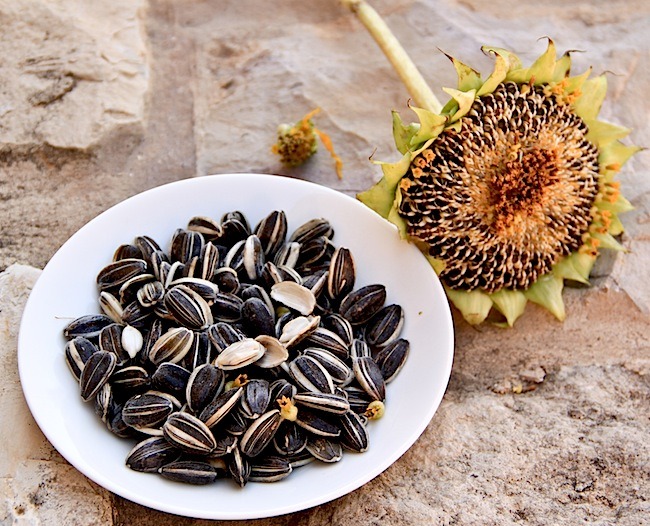
      Nuts and seeds: Eat a variety of raw nuts and seeds (especially linseed, sunflower seeds and pepitas).

      Wholegrains and healthy carbohydrates: Good wholegrain choices include whole oats, buckwheat, barley and brown rice. Avoid carbohydrates with dinner unless you exercise a lot or have a very active job.
      Drinks: Go for water, herbal tea and wheatgrass juice.
      Protein: Good choices include free-range eggs, tofu, seafood (fresh and frozen) such as sardines, salmon, tuna, calamari and blue mussels, and lean meats such as free-range skinless chicken breast fillets and organic low-fat mince.

      Foods to limit

      Dairy: Avoid cow's milk and cow's milk cheese. In weeks 3 and 4, good choices include goat's and sheep's milk and cheese and low-fat natural yoghurt. Alternatives include calcium-enriched soy milk, oat milk and rice milk.
      Wheat: Avoid wheat in Phase 1. Try alternatives spelt, rice, kamut and buckwheat. In Phase 2, good bread options include wholemeal soy and linseed and rye.

      Foods to avoid

      Butter, margarine with trans fats and cheap oils: Instead, choose seed-based spreads with no trans fats such as tahini and avocado and cold-pressed, good-quality oils such as extra-virgin olive oil and nut oils.
      Sugar: Stay away from sugar, chocolate, lollies, soft drinks and artificial sweeteners. Instead, try barley malt syrup, agave nectar and pure maple syrup.
      Tea, coffee and alcohol: Alternatives include dandelion and cereal-based coffee substitutes, water, herbal teas and fruit and vegetable juices.
      Artificial colourings, flavourings and preservatives

      Secrets of success

      • Spend 10 minutes on a Sunday planning your week's meals and writing a shopping list. Not having to think about meals every day will make the diet easier and free up time.
      • You may crave some of the foods you are excluding while on the diet. Try to resist. Keep them out of the house and look for some healthy alternatives to have on hand.
      • Remember, this is not a test. It is something wonderful you are doing for yourself. Just do the best you can.

      Energy meal ideas

      Breakfast
      • Two scrambled eggs with parsley, basil, baby spinach and diced capsicum.
      • Wholegrain rye or spelt bread with date jam (1 cup pitted dates soaked overnight in 1/2 cup filtered water, then blended).
      • Warm Fruity Quinoa*.

      Lunch
      • Corn tortilla (wholewheat wrap in Phase 2) with poached or steamed chicken, alfalfa sprouts, beetroot and lettuce.
      • Baked sweet potato with kidney beans, salsa, tomato and mixed green leaves.
      • Chicken or Tofu Nori Rolls* with wasabi and tamari.

      Dinner
      • Grilled calamari with brown rice and Asian greens.
      • Grilled chicken with carrot, cucumber, capsicum, mixed leaves, spring onion, tomato, parsley and a mustard and white wine vinegar dressing.
      • Vegetable Lasagne* with garden salad.

      • Strawberry slushy (blend 250g hulled strawberries with º cup unsweetened apple juice and 6 ice cubes).
      • Homemade popcorn.
      • Speedy Snack Balls*.

      Comment below what you think. Did you find this article helpful? Are you going to apply these tips into your daily routine? Let me know! I love reading your comments!


      Source
      http://www.bodyandsoul.com.au/weight+loss/diets/energy+boost+diet,19423

      Monday, 26 October 2015

      Foods for Mental Energy and Focus

      Choose the right foods to eat and you will be able to concentrate, feel alert, and get things done. Eat the wrong things and you'll lack focus, feel sluggish, and want to take a nap. Unfortunately, no one teaches us which foods help or hurt our ability to focus better.
      I wish this wasn’t true. I used to find myself feeling tired, sluggish, and unable to get work done after eating what I thought was a healthy meal. This led to me doing a lot of research and experimentation to find foods that give me the energy I need to focus and work hard for 60 hours a week. After a few months of trial and error I came up with 6 foods and 1 drink that really work.
      You’ll probably wonder why coffee and tea aren't on the list. While both work due to their caffeine content, I wanted to find foods that also had additional nutritional value (i.e. protein, vitamins and minerals, etc.). I also figured it’d be cool to know additional ways to boost brainpower.
      Blueberries
      Studies show that eating blueberries can improve your ability to concentrate and perform tasks requiring you to really focus. Scientists still don’t know why they’re beneficial. Some believe that it may be their high antioxidant content which helps vacuum up potentially damaging free radicals. Others suggest it’s their ability to reduce inflammation and increase the flow of blood and oxygen to your brain. Whatever it is, blueberries are a tasty, brain friendly food. I find that my energy stays consistent for several hours after eating them, especially when added to a protein shake or plain yogurt.
      How much should you eat? You eat 1 cup a day. Eat them alone or add them to a protein shake for a delicious snack. Avoid eating them with sugar-rich desserts the blood sugar spike you'll get may diminish their brain boosting benefits. Don’t expect to see instant brain-boosting benefits. The benefits are more likely to occur over time.
      Dark Chocolate
      This will probably be your favorite brain boosting food. Chocolate, especially the dark stuff contains compounds called flavonols that can help improve mental focus. Studies show that drinking flavanol rich cocoa helps increase blood flow to your brain which, in turn, improves your ability to concentrate. A single square of dark chocolate also contains a small amount of caffeine too which also improves mental energy and focus.
      Eat 2-3 squares of dark chocolate a day. The darker the chocolate the better.
      Eggs
      The simple egg is an awesome food for boosting your ability to focus. That’s why I eat them several times a week. I really notice a difference in my productivity after eating them for breakfast, lunch, or dinner.
      Each serving of eggs are rich in protein, B vitamins, and choline. Each plays a key role in keeping your brain healthy. The choline in eggs is especially important since it's a component in the cells of your brain. It's also used to make acetylcholine, a compound that helps your brain send messages from one cell to another.
      Eat eggs 3-4 days a week for the best results. You shouldn’t worry about their cholesterol content either. Studies show that it’s not bad for your heart. Don’t throw away the yolks as this it the part of the egg where the B vitamins, choline, and other brain healthy nutrients are contained.
      Fatty Fish
      Once I started eating fatty fish and taking a fish oil supplement daily I noticed that I was my ADD like tendencies diminished and I was able to get more work done in less time. I feel calmer too. The reason for this are the omega 3 fats found in fish like anchovies, mackerel, salmon, and sardines. One of these omega 3’s, DHA is found in large amounts within our brains. The other, EPA is converted to DHA once it’s been consumed.
      EPA and DHA help our brains in a few ways. The first is that they increase the ability of the cells in our brain to communicate with one another. This makes it easier for your brain to properly function. Another is that omega 3 fats increase the production of dopamine and serotonin, two chemicals that have important roles with regard to mental focus. Dopamine helps spur you into action and get you to work while also making it possible for you to focus on the task at hand. Serotonin on the other hand helps to keep you feeling calm and better able to deal with stress which also makes it easier for you to concentrate and get things done.
      Strive to eat fish at least 2-3 times a week to receive benefit. You may need to eat it more often or take a fish oil supplement to see significant results. Expect it to take a couple of weeks before you notice significant results.
      Nuts And Seeds
      Eating certain nuts and seeds can help your focus and brain function. They include: walnuts which are shown to boost serotonin levels so you’re better at handling stress, cashews which are rich in magnesium a mineral that can increase blood flow to your brain, and almonds a seed that is rich in phenylalanine an amino acid that helps produce the focus boosting chemical dopamine. I like to buy them raw and roast them myself. This allows me to come up with my own recipes and is much less expensive than buying a bag of roasted nuts.
      Eat a handful of these nuts and seeds daily for the best results. You can eat them alone or add them to your favorite recipes. I like them with roasted fish and mixed in with yogurt.
      Steak
      A nice, lean cut of steak is is full of other nutrients that are good for your brain. It’s rich in B vitamins which your brain uses for fuel and proper function. Every serving also contains creatine, which your body uses for fuel. You also get a nice dose of the amino acid l-tyrosine which is used to make dopamine which, like I previously wrote, helps your brain stay alert, energized and able to fully focus. Since steak digests slowly, it will keep you full between meals minimizing energy crashes and brain fog too.
      How much do you need? You can eat steak as often as you like. Aim for 2-3 servings a week, especially on days you really need to focus. I like to eat it for breakfast with our without eggs and find doing so makes it much easier to focus all morning long. If you eat steak regularly, eat lean cuts like flank, flat iron, filet mignon, and sirloin.
      Water
      Sure, it’s not as sexy as chocolate or tasty as steak but drinking good old water throughout the day instead of soda and other sweetened drinks is of paramount importance to keeping your brain in working order. As you know, water is required for your body to stay hydrated. This is important to our brains since being even a little dehydrated compromises our brains ability to function properly. This means instead of being able to focus you will instead feel lethargic and short of mental energy. Become dehydrated enough and you will find yourself feeling depressed and really out of sorts.
      Most experts recommend drinking 8 glasses of water a day. Depending on your activity levels, you may require more or less for optimal results. Since I work out daily, I need to drink 12 or more glass every day. When I drink less my mental energy really wanes.
      Putting It All Together
      Now you know several foods to you can eat any time for better focus and mental energy. Give these suggestions a try for a month and I guarantee that you will find that you’re able to get more done in less time.
      Comment below what you think of the article. Did you find it helpful? Will you start eating more of these foods to help you focus? Let me know :)

      Source
      http://www.pickthebrain.com/blog/foods-for-mental-energy-and-focus/

      Healthy Foods for Mental Energy

      Eating a healthy diet can boost your energy levels—both physically and mentally. Getting the extra energy to head to the gym as you are trying to lose weight is great, but a lot of people are surprised by the increased mental clarity and boost to productivity that their healthy diet provides them. Unhealthy foods have the ability to hurt our focus and leave us feeling mentally sluggish and tired.


      You can boost mental energy to stay focused and energized for making healthy decisions all day long by adding mentally stimulating foods to your diet.
      Here are a few brain-boosting health foods:
      • Almonds and walnuts are just a few nuts that can give your brain a healthy mental boost. Almonds are rich in the amino acid phenylalanine that helps the body produce the focus-boosting chemical dopamine. Try eating a tiny handful of plain, raw almonds when you need a mental refresher. Almonds also contain a decent amount of protein so they function as a healthy snack that helps keep you full. Walnuts help to boost serotonin levels to help you fight off stress and stay focused on the important matters at hand.

      • Blueberries have long been touted for their many health benefits, and now studies show that eating blueberries can improve your ability to concentrate and perform tasks requiring a lot of mental focus. One theory suggests that their brain-boosting capacities come from their ability to reduce inflammation, which increases the flow of oxygen and blood to your brain. You can eat blueberries by themselves or add them to a healthy protein shake for added weight loss benefits.
      • Fatty fishes contain healthy omega-3s which help the cells in our brain communicate efficiently with one another, thus enhancing cognitive function. Also, consuming omega-3s from healthy fish increases the body’s production of dopamine and serotonin—two chemicals known to enhance mental focus.
      Though water isn’t necessarily a food, it’s highly capable of restoring energy levels within the body. If your body doesn’t receive enough water it can become dehydrated, potentially causing you to feel lethargic and unable to concentrate. Try to drink at least 64 ounces of water every day—more if you are engaging in strenuous exercise. 

      These are just a few healthy foods that you can add to your weight loss diet to help you stay energized. As with any new additions to your diet, make sure you speak with your weight loss doctor before changing your diet plan.


      Source
      http://www.delightmedical.com/wellness-blog/healthy-foods-for-mental-energy

      Saturday, 3 October 2015

      Tired but wired: why you can't lose weight?

      Eating and exercise aren't the only things that impact our weight and health. Physical and emotional stress can also tip the balance of our nervous system and our scales.


      Take, for example, Susan a strikingly tall and physically beautiful woman, whose nutrition was top notch and whose booze consumption wasn't big.

      But, she had started putting on weight and couldn't understand why.
      So, she went to see dietition and biochemist, Dr Libby Weaver. Weaver herself was stumped by Susan's mysterious situation and fossicked for extra information. But, Susan was adamant nothing in her life had changed to explain the weight gain.

      Except, that is, her intake of coffee.

      She had gone from one a day to as many as four a day over a three to four month period. "But, they are all black coffees, so there are no calories in them," she assured Weaver.
      At this revelation, Weaver's eyes lit up and when Susan saw the look on her face she began to cry. "Please don't take them away from me," she begged.

      Weaver didn't take her coffee from her, she simply asked her to drop back to one a day for one month and see what happened. "I did nothing else for this woman," Weaver said. "Not one other change to her dietary intake, and four weeks later, she burst through my door telling me she had lost four kilos in four weeks."

      The reason was simple, Weaver explains in her book Rushing Woman's Syndrome and it had nothing to do with a reduction of calories.

      "When you consume caffeine, it sends a message to the pituitary gland in your brain that it needs to send a message to your adrenal glands to make adrenalin ... [and] get you out of danger that doesn't actually exist ...

      "When adrenalin is released, your blood sugar elevates to provide you with more energy, your blood pressure and pulse rate rise to provide more oxygen to the muscles, which tense in preparation for action [the fight or flight response] ... you make insulin to deal with that elevation in blood sugar. And insulin is one of our primary fat storage hormones ...

      "This biochemical state can either lead you to slenderness [often at the expense of your nervous system health] or fat storage, because insulin ... will firstly convert unused glucose from your blood into glycogen and store it in your muscles and what is left over will be converted into body fat."

      The biochemical dance produced by chronic stress, along with its emotional and physical impact, is what Weaver explains in Rushing Woman's Syndrome.

      "We're tired, but wired," she says. "So many of the women [I saw] kept talking about being so exhausted or so busy or so stressed. I talk to a biased group of the population. But, I kept hearing the same issues arising - about menstruation, digestion, sleep and the ability to remain calm and patient and kind ... I kept hearing the word 'pressure.'"


      In our information-saturated society, Weaver doesn't believe it is a lack of knowledge that causes people to be overweight or unhealthy, rather this sense of emotional 'pressure' can lead us to make poor choices.

      "I was at uni for 14 years," she says. "But, then when you go and work in the real world, you learn very quickly that often what you thought is not practical ... The whole idea that you could just tell some one how to eat and they'd do it ... it's not a lack of knowledge that leads someone to polish off a packet of chocolate biscuits after dinner ... of course people need great info, they need accurate info, they need an idea around what's the right thing to nourish their own body ...but, they also need to understand what drives their behaviour...So my work brings together the biochemistry and the emotional [factors]."

      While the cause of many weight and health problems are often biochemical and emotional, she says that stress compounds both. For when we are stressed emotionally for an extended period, our biochemistry changes and cortisol kicks in.

      "Cortisol traditionally kicked in when we had to deal with chronic stress - famine, wars and floods," Weaver explains. "When there was no food, it slowed the metabolism down. It thinks it's doing the body a big favour."

      "[But] if cortisol tells every cell of your body that food is scarce, and your metabolism slows down as a result, and you continue to eat and exercise in the same way you always have, your clothes will slowly get tighter. It doesn't matter how amazingly you eat ... it is very difficult, if not impossible, to decrease body fat until the cortisol issue is resolved."

      This can help to explain why intense exercise and curbing calories can be counter-productive in times of stress and why weight-loss doesn't just come down to the calories we consume.

      It is also the reason that Weaver believes we need to bring the body back into balance first by addressing our stress issues before our weight issues. "Most people believe that in order to become healthy, they must lose some weight. I believe the opposite is true; in order to lose weight, we must become healthy," she says.


      "Once the body is better balanced and healthier, body fat is readily burnt."
      Weaver's tips for bringing the body back into biochemical balance:

      • Eat real, whole food. "Amp up your greens."
      • Invest in your adrenal glands (yoga, tai chi, meditation etcetera).
      • If you can't get away from your desk, schedule a reminder on your computer to stop and take 20 long, slow breaths into the diaphram.
      • Be honest about how caffeine and alcohol are affecting you. "We know in ourselves [whether we're consuming too much]."
      • Schedule downtime. "Rest and recreation, are as important as work."
      • Don't compromise your sleep.
      • Take time just being grateful "[Many people] are losing the ability to see how privileged they are."
      • Start to understand what drives your behaviour. "[For many, food is their] pleasure [but, they are eating to] avoid feeling emotional pain."


      Source
      http://www.smh.com.au/lifestyle/diet-and-fitness/tired-but-wired-why-you-cant-lose-weight-20120730-238zq.html