Showing posts with label vegetables. Show all posts

Friday, 17 June 2016

Foods To Eat More Of If You’re Trying To Lose Weight

Fiber is a nutrient experts say you probably aren't eating often enough.


Fiber is a bona fide nutritional superstar. It plays a key role in various
important physical processes like increasing your satiety, keeping you
regular, and helping maintain good heart health, and it can even
promote weight loss when you chow down on sufficient amounts. Only
issue is, even though fiber is undeniably important, you may accidentally
be skimping on your intake.

“Nine out of 10 Americans are not eating enough fiber,” Ashvini Mashru,
R.D., L.D.N., author of Small Steps to Slim, tells SELF. She’s referring to a
July 2014 report in the journal Nutrients, which says Americans have
“persistent and alarmingly low intakes of fiber.” (For full disclosure, the study received a funding grant from Kellogg Company.) A March 2013 study in the American Heart Association‘s journal Stroke also found that “most people do not get the recommended level of fiber.” Luckily, the very simple solution to this problem involves filling your plate with fresh, wholesome foods. Read on to learn what fiber is, how it keeps you healthy, and how to get enough of it in your diet.

What exactly is fiber?
Fiber is a carbohydrate found in plant-based foods like produce and whole
grains, Shilpa Ravella, M.D., a gastroenterologist with expertise in nutrition
and an assistant professor of medicine at Columbia University Medical Center, tells SELF. But fiber differs from other carbohydrates in an essential way: your body can’t break it down and absorb it. “Fiber is the part of plant foods that is not digested by the small intestine,” says Ravella. That means it can do a few unique things other nutrients can’t.

There are two main forms of fiber: soluble and insoluble. In the body, soluble fiber dissolves and helps make a gel-like substance, says Ravella. That gel-like material can help lower your “bad” cholesterol, according to Mayo Clinic. Some of the best sources of soluble fiber are barley, oatmeal, beans, nuts, and fruits like apples and pears, says Mashru. (Most foods with a lot of fiber have both
types, but they usually have more of one than the other, notes Ravella.)

Insoluble fiber doesn’t undergo a similar transformation when it comes into
contact with water, but it does add bulk to food and soak up water as it goes through your digestive system. “That can increase pressure on colonic walls and help stimulate bowel movements,” says Ravella. You can load up on insoluble fiber via whole grains and vegetables like carrots, celery, and
tomatoes, says Mashru.


How much fiber should you get each day?
Women between the ages of 19 and 30 should try to consume at least 28
grams of fiber per day, according to the United States Department of
Agriculture’s Dietary Guidelines. That number drops to 25 grams between
the ages of 31 and 50.

“I would recommend aiming for at least the recommended daily fiber intake, but ideally you should include as many minimally processed plant foods in your diet as you can,” says Ravella. “It’s hard to construct a diet with ‘too much’ fiber as long as you are getting fiber from whole foods rather
than supplements.” If you’re looking for more high-fiber foods, here are some suggestions to get you started.

Keep in mind that items like meat and dairy don’t naturally contain fiber. And while things like white bread and pasta maystart out with fiber, the refining process removes a lot of it, so those options aren’t as nutritionally rich as their whole-grain counterparts. “In general, the more natural and unprocessed the food, the higher it is in fiber,” says Mashru.

Getting more fiber is a great goal to have, but it can also throw your digestive system for a loop. “It can take your body time to adjust if you’re going from a low-fiber to a high-fiber diet. Increasing the fiber in your diet can initially cause gastrointestinal symptoms like bloating, gas, diarrhea, [and constipation],” says Ravella. Upping your water intake is an easy way to reduce that kind of discomfort, explains Mashru. “Fiber absorbs water, so the more fiber you add to your diet, the
more fluids you should drink,” says Mashru.

OK, so how are fiber and weight loss related?
Fiber is a non-negotiable part of living a healthy life, whether you want to lose weight or not. But it can be especially useful if you’re looking to shed some pounds. “Fiber adds bulk to your diet, a key factor in both losing weight and maintaining [a healthy one],” says Mashru. That extra volume can help you feel satisfied sooner, and since fiber stays in your system longer than many other nutrients, it can also help you feel fuller longer, she explains.

Fiber offers a few other weight-related bonuses. “High-fiber foods such as fruits and vegetables tend to be low in calories,” says Mashru. The nutrient also helps regulate your blood sugar, which is part of why refined carbohydrates like cookies that have had a lot of fiber removed can lead to intense blood sugar spikes.

In addition, fiber may also help sort out your gut microbiome, or the collection of bacteria that keeps your stomach healthy and could be related to your weight. “We are increasingly learning that the makeup of gut bacteria can play an important role in weight management,” says Ravella. “Generally speaking, soluble fiber is fermented by gut bacteria—though some insoluble fiber can be
fermented, too—and promotes the growth and maintenance of beneficial gut bacteria,” she says.

The bottom line? Give fiber a slot high up on your list of nutritional priorities. Just remember to drink enough water throughout the day, and you should be golden.


Source

Monday, 23 November 2015

What is a balanced diet and why is it important?

Why is a balanced diet important?

A balanced diet is one that provides the body with all the essential nutrients, vitamins and minerals required to maintain cells, tissues and organs as well as to function correctly.  A diet that is lacking in nutrients can lead to many different health problems ranging from tiredness and lack of energy to serious problems with the function of vital organs and lack of growth and development.
balanced diet

What is a balanced diet?

A balanced diet needs to contain foods from all the main food groups in the correct proportions to provide the body with optimum nutrition.  It should also be made up of the correct number of calories to maintain a healthy weight, and be low in processed foods.  Every person is different and hence the correct diet for health may vary from person to person, however by following a diet that is varied, covers all foods groups and is low in undesirable nutrients such as sodium, saturated fats and sugar, you are well on your way to a healthy body. 

How to achieve a healthy balanced diet?

To achieve a healthy, balanced diet, it is important to eat at least three meals a day and not to skip breakfast.  Each meal should be composed of a variety of foods from each food group and portion sizes should be moderated to control calorie intake.  Limiting alcohol consumption is also recommended, the US guidelines being one standard drink per day for women and two for men with two alcohol free days per week.
The 2010 dietary guidelines from the U.S. Departments of Health and Human Services and Agriculture recommend that a diet that is low in saturated and trans fats, cholesterol, added sugar, salt and alcohol should be followed.  A diet similar to the DASH (Dietary Approaches to Stop Hypertension or the Mediterranean diet) diet is recommended to fulfil these requirements.  Calorie intake should also be balanced with physical activity and sedentary activities such as watching TV should be reduced.
Hint: The MyPlate tool, developed by the USDA (http://www.choosemyplate.gov) is a great tool for obtaining a more personal set of requirements.  The tool allows age, gender, weight, height and activity level to be entered to calculate more accurate requirements.

Components of a healthy balanced diet

1. Dairy

This includes cheese, milk and yogurt. Dairy foods are usually high in saturated fat so to reduce fat and calories it is best to choose low fat or fat free varieties.  Dairy is essential in the diet to provide calcium for strong bones as well as protein and vitamin D.  For those who do not consume dairy products it is essential to use a replacement such as soy or nut based milks or supplement calcium in the diet. 
Dietary Guideline:  Three cups of reduced fat dairy per day.  

2. Protein

This is the main protein containing food group and includes lean meat and poultry with visible fat and skin removed, as well as fish, beans, lentils, peas, nuts and seeds, eggs and soy proteins such as tofu and tempeh.
Meat and poultry are high in iron, whilst legumes are a rich source of fibre and eggs provide a multitude of vitamins and minerals. Fish should be included regularly, particularly oily fish high in omega three fatty acids such as salmon and sardines.   Cooking methods should be low fat such as grilling, poaching, dry frying or steaming to minimize extra fat added during the cooking process.  It is also important to avoid processed meats such as sausages and sandwich meats where possible as these are high in fat and sodium.
Protein requirements can vary greatly with age, gender and activity level.  To find out your personal requirement for protein, use the My Plate tool. 
US Dietary Guideline: 5-6 ounces per day depending on age and sex.  One ounce of protein is roughly equivalent to one ounce of meat, poultry, pork or fish, ¼ cup cooked beans, 1 egg, 1 tablespoon of peanut butter, or ½ ounce of nuts or seeds.

3. Fruit

Fruit is virtually fat free, low in calories, high in fibre and very nutritious.  Aim to include a variety of fruits to get a wide range of vitamins and minerals.  This could also include dried fruits 100% and fruit juices, however, it is important to choose unsweetened varieties.  Both dried fruit and juices are concentrated sources of calories, so make sure portion sizes are controlled.
US Dietary Guideline:  2 cups (4 servings) per day.  One serve is equivalent to ½ cup of fresh fruit, ½ cup of juice or ¼ cup dried fruit. 

 4. Vegetables

These generally contain the least calories and the most vitamins and minerals, hence they are an excellent option for filling up on.  Make sure to include a wide variety in your meals as different vegetables are rich in different vitamins.  Try to use low fat cooking methods such as steaming or grilling.  100% vegetables juices can also be included, and are a great way to get a few serves of vegetables into your diet. If you struggle to include enough vegetables in your day to day meals, try adding grated of finely chopped vegetables to mixed dishes such as pasta sauces, burger mince or lasagnes, chances are you won’t even notice the difference. 
Us Dietary Guideline:  2 ½ cups (5 servings) per day.  One cup is equivalent to one cup of raw or cooked veggies or vegetable juice, but 2 cups of salad greens.

5. Grains

This group is the major carbohydrate source in a balanced diet and includes bread, cereals, pasta and rice.  Try to choose whole-grain varieties as these are higher in fibre and contain more B vitamins than white versions.  Enriched cereals and breads, for example with iron, calcium or omega 3 can also be a good way to add some extra nutrition to your diet.  Avoid sugary or toasted breakfast cereals and sweetened breads made with refined flour as these contain little fibre and are higher in calories and fat. 
US Dietary Guideline: 3 ounces or more per day (requirements vary greatly with physical activity levels).  One ounce is roughly equivalent to one slice of bread, one cup of cereal, or ½ cup of cooked rice, pasta or cereal. 

6. Fats and Oils

Whilst some fat is necessary in our diets for the body to function correctly, it is important that these are the right types of fats.  Saturated and trans fats should be minimized as these are unhealthy for the heart.  These should be replaces with vegetable fats such as canola, olive, or sunflower oil or spreads.  All fats do contain a high amount of calories however, so it is important to keep added fats to a minimum in order to maintain a healthy body weight.  Opt for light or low-fat salad dressings and mayonnaise, and use vegetable oils for cooking and baking.  Other good sources of unsaturated fats include nuts, avocado and fish. 
US dietary guideline:  Fat intake shouldn’t exceed 20-35% of daily calories and should be based on poly and mono unsaturated fatty acids.  Saturated fats should not exceed more than 7% of calories and trans fats should be avoided.  Cholesterol should be limited to less than 300mg/day. 
Intake of oil should not exceed 5-7 teaspoons per day, depending on age and sex.  Aside from oils, be aware that many other foods have high oil content.  For example ½ an avocado contains about 3 tsp of oil, 4 large olives contain about ½ tsp and 2 Tablespoons of peanut butter has about 4 teaspoons of oil. 

7. Treats and ‘sometimes’ foods

Foods that do not fit into the above groups are generally considered to provide no or little nutritional benefit and are therefore not required in a balanced diet.  Foods such as candy, chocolate, cakes, chips, and other ‘junk’ foods should be avoided.  If you do indulge in a treat, try to choose one that is less than 145 calories.
These guidelines can help you achieve a healthy, balanced diet for maximum nutritional benefit.  It is also important to read product labels, be aware of your calorie requirements and adjust portions accordingly. You can also read how to diet to learn more about the role of diet in a healthy lifestyle.


Source

Tuesday, 17 November 2015

How to Cook Healthier Meals

Learn how to cook smarter and healthier

If you are someone who enjoys food and cooking, but still want to watch your weight and eat healthy nutritious foods, it can sometimes be difficult to find a balance between the foods you love to cook and the diet you are supposed to be following.  Food often seems to fall into one of two categories (this is the general belief), the delicious – but calorie and fat laden, or the healthy -low calorie but completely boring and tasteless.
Fortunately, watching your weight does not mean you have to give up cooking and eating your favourite meals and dishes.  With a few simple modifications in cooking techniques and ingredients, most dishes can be modified to improve their nutritional value and lower their fat and calories without losing too much of their flavour.  Whilst some things are more difficult to make healthier than others, if you are a keen cook, this is a great opportunity to expand your skills and experiment with different ingredients and cooking methods to create healthier versions of your favourite dishes.

10 Cooking tips for healthier and calorie friendly meals

To start you on your way to healthier, flavour packed meals for all your family, here are some tips to improve the nutritional value using various cooking techniques and ingredient substitutes.

1. Baking

Baking can refer to any cooking that takes place in the oven and generally does not require much added fat, although a little may be used to stop foods from drying out.  This means it is a relatively healthy cooking technique for foods such as fish, meat, and vegetables.  Baking fish in a foil parcel with some vegetables and a little olive oil, herbs or spices is an easy way to cook moist fish which retains its natural juices.
Baked foods such as cakes, pastries, pies, and biscuits are not such healthy choices, but recipes for your favourite sweet treats can often be modified to improve their nutritional value and lower fat and calories.  Good substitutions in baking include:
  • Butter or olive oil for margarine
  • White refined flour for wholemeal varieties
  • Reducing sugar, or substituting with artificial sweeteners if you prefer
  • Using apple sauce or fruit to sweeten rather than sugar
  • Making yogurt or olive oil based pastry as this has less saturated fat
  • Adding nuts or bran increase fibre
  • Using low fat ingredients such as milk and yogurt in baking.

2. Healthier cooking methods

By opting for healthier cooking techniques you can really cut down on the amount of fat that is added to the dish and thus also reduce the calories.  Healthier methods include, grilling, poaching, baking, broiling, steaming, and stir-frying as these require minimal or no fat to be added to the dish.  Often foods that are normally fried can be cooked in the oven or grill with similar effects but much less fat, for example fries.
Methods such as frying, deep frying, and roasting can add a lot of fat to the dish and really bump up calorie content.  However, there are a few methods you can use to make them as healthy as possible, if you really feel a dish needs to be cooked this way.
  • When deep frying, make sure the oil is as hot as possible, as this means the food will absorb less of the oil.  If the oil is not hot enough, the food is soggy rather than crispy and you are also eating a lot more of the fat.
  • Dry frying is a good method to replace frying, and basically involves frying without oil in a good non-stick pan.
  • When roasting, try to add minimal fat before cooking, and baste roast during the cooking progress to keep moist.
  • If you do use fat, try to use an unsaturated fat such as olive oil, rather than butter.

3. Choosing the healthiest versions of foods

Starting with healthier ingredients will result in a healthier dish in the end, so it is worth looking for low fat versions of products such as yogurt, milk, cream and cheese.
  • Try to choose low fat cuts of meat, and trim any visible fat before cooking, as well as removing chicken skins.
  • When buying pre-prepared foods such as minced meat, look for lean varieties, it is worth paying a little extra for meat that is lower in saturated fat.

  • Fish is also a great alternative to meat as it is lower in saturated fat and higher in omega three fatty acids which are good for heart health.
  • Always try to choose fresh, unprocessed foods where possible as these contain no artificial colour, flavours, preservatives, sodium and fillers that may be found in processed foods.
  • Fresh vegetables are ideal, but frozen are often just as good as they are snap frozen soon after harvesting, meaning that they retain their nutritional value better than vegetables that are sitting on supermarket shelves for weeks.

4. Ingredient substitutes

When cooking, substituting one ingredient for a healthier alternative can make a big difference to the nutritional content of your meal.  Good substitutes include:
  • low fat yogurt instead of cream in soups
  • Olive or canola oil instead of butter for all cooking that requires fat
  • Low salt tinned foods instead of normal varieties
  • Low fat cheese or a smaller amount of strong flavoured cheese in pastas and other dishes.
  • Wild rice instead of white
  • Whole grain pasta instead of white
  • Yogurt and a little lemon juice mixed with tuna on a sandwich rather than mayonnaise

5. Flavour options

Flavourings can add a lot of calories, or other undesirable things such as sodium to a meal.  Instead of adding salt and fat to food for flavour, try to use options such as herbs, spices, vinegars and lemon juice as these add loads of flavour, but very few calories.  Condiments such as tomato sauce, mayonnaise and salad dressing can also add a lot of calories so look for low fat /sugar/salt alternatives or make your own so you can control the amounts of oil, sugar and salt that go into them.


6. Sneaky Vegetables or legumes

By adding vegetables or legumes such as lentils, chickpeas, and beans to cooking you not only increase the amount of nutrients in the dish, but also the amount of fibre. (See also: Fiber Can Help You Lose Weight, But Only A Specific Type). As an added benefit, this can also be used to make a dish go further as it increases the quality with cheap ingredients. Legumes and vegetables are low in fat and calories and therefore generally reduce the calorie content of a dish when used to replace some of the meat.   This is also a good way to get children to eat vegetables, as if they are chopped finely or grated, they are unlikely to even know they are there.
Dishes which lend themselves well to these healthy additions include:
  • Hamburgers; mix grated zucchini or carrot into the mince mixture
  • Lasagne:  Mix grated or finely chopped vegetables into mince, or replace some of the mince with cooked lentils.
  • Pies:  reduce the quantity of meat and add extra veggies or legumes to fillings
  • Tuna sandwiches:  mix grated carrot with tinned tuna and a little low fat mayo or yogurt
  • Cheese sauce:  purred up white vegetables such as cauliflower and stir into sauce for a hidden veggie boost.  Alternatively if you don’t mind the strange colour, try purred carrots or broccoli.

7. Avoid unnecessary fats

Think about if you really need the fat you add to certain foods.  Often you will find you taste very little difference without them, for example butter on the bread of a sandwich, or oil in the pan when you fry an egg.

8. Downsize

A sure way to cut down on calories in a meal is to eat a smaller portion.  Sometimes this can take a little getting used to, but to make it less obvious, try using a smaller dish or plate.  This means a smaller portion of food still fills the plate and doesn’t look so lost.  Studies have shown that people who eat from smaller plates generally eat less calories over a day.
It is also important to allow yourself a good twenty minutes to digest after finishing a meal.  If you are still hungry after that, you can go back for seconds, but often this is the time required for the body to register that it is full.

9. Serve all meals with vegetables

It is suggested that vegetables should make up the largest portion of your plate in every meal, so make sure you serve all meals with a salad, or vegetable side.  By filling up on vegetables, rather than carbohydrates, protein or fat, you will get more vitamins and minerals in your meal.  You will also reduce you calorie intake, as vegetables are very low in calories and fat.

10. Avoid accidental calories.

Remember when cooking that calories consumed whilst cooking, such as licking the bowl or tasting a spoon or two of the dish before serving all count.  You may in fact be eating a lot more than you are sitting down to on your plate.  Try to limit snacking whilst cooking, or compensate by serving yourself a smaller portion afterwards.
Similarly, finishing up the scraps off someone else’s plate or the unfinished food of a child also contributes to calories.  If you are no longer hungry stop eating and store leftovers or feed to a hungry pet to avoid waste.

Comment below if you found this helpful. Do you find yourself adding extra calories when unnecessary? Let me know down below in the comments section if you want to see more articles like this. Have a great day!


Source

Tuesday, 3 November 2015

6 Best Veggies For Weight Loss

Newsflash: Vegetables can help you lose weight!
Okay, okay, we admit that’s not exactly breaking news, but did you know that when it comes to rapid weight loss some veggies reign supreme while others fall fairly flat in comparison? It’s true! Thanks to their specific nutritional profiles, certain produce-aisle picks can help you trim down by revving your metabolism, turning off belly fat genes and frying flab—and that’s on top of all their other health-boosting benefits.
These powerful veggies remind us a bit of those overachievers you loved to hate in high school—you know, the ones who not only got straight A’s, but also scored the hottest date to prom and got voted soccer captain, too. The primary difference between produce and Mr. Popular? Veggies don’t aim to make you jealous with their superhuman skills, they want you to use them to your advantage so you can reach your better body goals. Scroll down to learn which delicious picks fit the bill and discover delicious ways to incorporate them into your diet.

1
Peppers


You may have heard that spicy hot peppers can help you scorch calories, but did you know that mild peppers can have the same effect? Thanks to a metabolism-boosting compound, dihydrocapsiate, and their high vitamin-C content, sweet red and green peppers can help you lose weight. A cup of these bell-shaped veggies serves up to three times the day’s recommended vitamin C—a nutrient that counteracts stress hormones which trigger fat storage around the midsection. Dip slices of bell peppers into hummus for a light afternoon snack, add the veggie to omelets and salads, or throw some chicken in a corn tortilla with salsa and slices of avocado, red pepper and onion for a Tex-Mex-inspired fat-fighting dinner.

2
BROCCOLI


In addition to warding off prostate, breast, lung and skin cancers, this flowery vegetable can also help you whittle your middle. According to experts, broccoli contains a phytonutrient called sulforaphane that increase testosterone and fights off body fat storage. It’s also rich in vitamin C ( a mere cup of the stuff can help you hit your daily mark), a nutrient that can lower levels of cortisol during stressful situations, helping those abs take center stage. The only downside? It can make some people with sensitive stomachs a bit gassy—which isn’t a good look if you’re planning to hit the beach or rock a tight-fitting outfit. That’s no reason to steer clear of this veggie on a day-to-day basis, though. Whip up our Garlicky Beef and Broccoli with Broccoli Noodles recipe to reap the belly-flattening benefits —just not the day before you need to look your leanest.

3
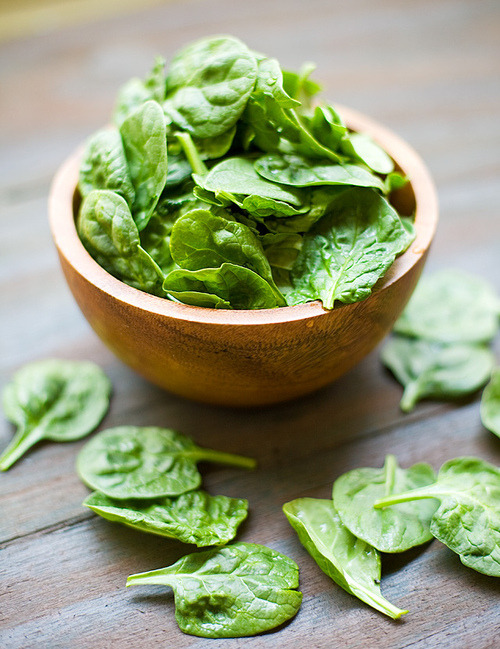
SPINACH


It may look pretty unassuming, but Popeye's favorite veggie can actually help take your calorie-burning potential to the next level. How? The green is overflowing with protein (just one cup of the steamed variety has as much protein as a medium hard-boiled egg), a nutrient that aids post-pump muscle recovery and growth. And remember: The more muscle mass you have, the more calories you burn at rest! What’s more, the leafy green is also rich in thylakoids, a compound that’s been shown to significantly reduce cravings and promote weight loss. Add the green to your dinner plate to reap the benefits. We like to steam it and flavor it with garlic, olive oil and lemon.

4
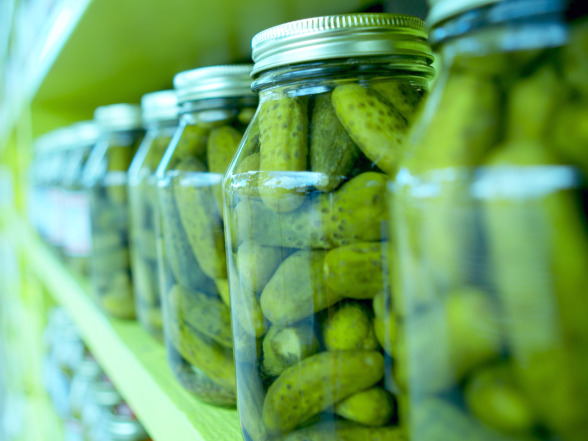
PICKLES


Pickles are low-cal, filled with fiber and covered in vinegar—which is all good news for your waistline. In fact, just one large pickle has 15 calories and 2 grams of belly-filling fiber, so eating three or four can actually leave you feeling pretty satiated for less than 100 calories! Every dieter knows that eating filling snacks are paramount to weight-loss success, but how does the vinegar help the fat-fighting cause? Studies show acidic foods help increase the rate at which the body burns off carbs by up to 40 percent—and the faster you burn off carbs, the sooner your body starts incinerating fat, which can help you get that lean look you crave. Add these tangy, pickled cucumbers to sandwiches and burgers or munch on them solo to start feeling more confident in your skivvies.

5
POTATOES


If you typically eat your potatoes warm out of the oven, you’re missing out on the spud’s fat-fighting superpowers. When you throw potatoes in the refrigerator and eat them cold, their digestible starches turn into resistant starches through a process called retrogradation. As the name implies, resistant starch, well, resists digestion, which promotes fat oxidation and reduces abdominal fat. Since eating cold baked potatoes doesn’t sound too appetizing, why not use the cooled spuds to make a potato salad instead? Here’s how: Bake red potatoes in the oven until they’re cooked through and allow them to fully cool. Then, cut them into small slices and dress them with Dijon mustard, fresh pepper, chopped green onions (more on this veggie next), dill and plain Greek yogurt. Mix everything together and put in the refrigerator to cool before consuming.

6


Onions are rich in quercetin, a flavonoid that increase blood flow and activates a protein in the body that helps regulate glucose levels, torches stored fat and keeps new fat cells from forming. Not to mention, onions are basically the unsung hero of cardiovascular health—an important area of wellness for everyone, but especially those who hit the gym hard to accelerate their weight-loss efforts. The culinary staple can help lower cholesterol, ward off hardening of the arteries and help maintain healthy blood-pressure levels. The best part? Onions are super low-cal and easy to throw into just about anything, from soups, homemade burgers, sandwiches and tacos to pastas, salads, veggie sides, rice and omelets.

Comment below what you think. Do you have a vegetable that has helped boost your weight loss results? Comment below what it is and share helpful tips you've learned along your journey to weight loss success! Love hearing from you guys x


Source

Thursday, 10 September 2015

WHAT'S THE HEALTHIEST VEGETABLE?

different veggies healthiest vegetable

FAQ: WHAT’S THE HEALTHIEST VEGETABLE?

A: Asking a nutrition expert "what’s the healthiest vegetable?" is kind of like asking a parent "who’s your favorite child?" They’re all great, and they each have unique characteristics that make them so. But if the life of our firstborn depended on it — not that he’s our favorite! — we’d dub watercress the healthiest veggie on the planet.
In fact, a recent report published by the Centers for Disease Control that ranked 47 “powerhouse fruits and vegetables” based on the density of 17 nutrients per calorie put watercress in seat numero uno.
Gram for gram, the flowery cruciferous vegetable contains more than four times as much beta carotene as an apple — a compound that research shows rivals self-tanner in its ability to improve skin’s complexion. And 100 grams (or about 3 cups chopped) the leafy green more than 75 percent of your recommended intake of vitamin C, a nutrient that’s shown to speed-up fat-burning.

watercress healthiest vegetable
The veggie may also be the best workout supplement on the planet; just four handfuls packs more muscle-building protein than you’ll find in an egg white, plus 30 mg of quercetin — an antioxidant shown to improve exercise endurance. Moreover, eating a bowl pre-workout may promote faster recovery by reducing DNA damage after intense exercise, according a recent study.
Watercress has serious disease-fighting chops, too. Supplementing with 80 grams of the greens was enough to effectively “switch off” genes that feed breast cancer tumors, effectively halting their growth, according to a study published in the British Journal of Nutrition.
Researchers attribute most of the veggie’s impressive health benefits to PEITC (phenylethyl isothiocyanate) — of which watercress is the best dietary source. Because heat may inactivate PEITC, it’s best to enjoy watercress raw in salads, juices and weight loss smoothies, sandwiches — and as a beautiful garnish on, well, everything.
Comment below what you think. I love hearing your feedback!

Source
http://www.eatthis.com/what-healthiest-vegetable