Showing posts with label cooking. Show all posts

Saturday, 21 May 2016

What’s So Healthy About Avocado Oil?

It doesn’t take much digging to figure out that most of the oils we eat in this country are fantastically poor choices. There’s the heavy processing to consider as well as the GMO sourcing, the rancidity, and dramatic omega fatty acid imbalance to name a few unsavory points. 


Sure, we make different choices in our own kitchens, but sometimes we find ourselves wishing we could recreate a certain taste in a Primal version of an old favorite recipe or just find a better flavor in one of our new favorite Primal meals. As a result, even the most Primally devout among us are on the lookout for the healthiest choices with the right practical adaptability. (And, oh yeah, good taste…) In the interest of relishing our food while respecting our bodies, we hunt down lesser appreciated alternatives. Plus, there’s just something fun about undermining the status quo to support worthy culinary underdogs. One of the great “finds” of my Primal journey has undoubtedly been avocado oil – a little recognized healthy fat with big versatility.

Health Benefits

Aside from the chip and guacamole spread, avocado just doesn’t get the respect it deserves. Consider the fact that an avocado is over 75% fat. For a plant, this is a small and glorious miracle. What this fruit lacks in sweetness, it overachieves in satiety. But let’s look at the fat breakdown.
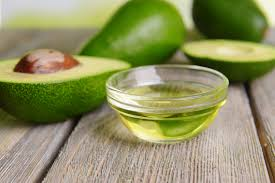
From an omega standpoint, avocado oil gives you a nutritional profile similar to olive oil. Nearly 70% of avocado oil is oleic acid, a monounsaturated omega-9 fatty acid. Aside from the significant monounsaturated content, avocado oil is about 16% saturated fatty acids and 14% polyunsaturated. The omega-6 to omega-3 ratio is about 13:1. While it’s not an outstanding ratio, the PUFA content itself is small enough (14%) that we’re only talking about a small portion of the total oil. In the grand scheme, it’s as solid as olive oil, with arguably a better taste profile. To boot, the other benefits of avocado oil definitely compensate.
The fats aren’t only healthy in and of themselves but make other nutrients, particularly carotenoids, in the avocado much more bioavailable. Research has shown that avocado or avocado oil increased the absorption of carotenoids in a meal anywhere from 2.6 times to 15.3 times depending on carotenoid.
Speaking of micronutrients, an avocado itself has an impressive nutritional breakdown. A mere half of your average Hass avocado offers goodies such as 345 mg of potassium (that’s more than a banana), 185 μg of lutein/zeaxanthin per one-half fruit, 19.5 mg magnesium, 60 μg folate, 10 mg choline, 19 mg of glutathione, and 57 mg phytosterols including the potent lipid influencer beta-sitosterol.
With their high levels of multiple antioxidants (e.g. polyphenols, proanthocyanidins, tocopherols, and carotenoids), avocados deserve accolades far beyond their usual attention, and research shows that avocado oil confer their nutritional health benefits. Several studies conclude that avocado consumption (again, which is mostly fat/oil) can support everything from good cardiovascular function to healthy aging, better eye health (likely because of enhanced lutein/carotenoid absorption) to easier weight loss (due to satiety), healthier lipid profiles (by lowering LDL and triglycerides) to lower risk for certain cancers (a potential result of glutathione and carotenoid benefits). Avocado oil has also shown benefit for the control of metabolic disorder and liver function.
And free radicals – they meet their match apparently when up against avocado oil. While antioxidants from plenty of other fruits and vegetables are known to neutralize free radicals, research suggests avocado oil’s power might have an extra potent benefit in (unlike most other antioxidant sources) being able to enter mitochondria, our seats of energy production and key factors in aging trajectory.
And while we’re on the subject of aging, avocado oil’s polyhydroxylated fatty alcohols, have been shown to reduce skin damage and inflammation that result from ultraviolet light exposure. These unique lipid molecules in addition to avocado oil’s effect on carotenoid absorption mean potent protection for the skin cell integrity and overall skin health.


Adaptability and Taste

Avocado oil is pressed from the pulp of the fruit rather than the seed. Because of its particular fat ratios, extra virgin avocado oil has a high smoke point of 400°F (204°C). This makes it extremely adaptable in the kitchen for anything from sautéing to stir-fry, baking to salads.
Unlike the sometimes bitter taste and pungent scent of olive oil, avocado oil has a mild smell, a creamy texture and rich, lingering taste that’s both naturally buttery and slightly nutty. (To my nose, the oil smells like a soft, ripe avocado with maybe a very faint hint of artichoke.) It’s become my favorite oil for fish, grilled vegetables and a lot of salad recipes.
Because of the higher smoke point, you can use avocado oil in cooking marinades as well as finishing sauces. I know people who avoid all dairy and use this oil in lieu of butter (or even ghee) for most of their cooking. Oh, and I’ve also heard the mild, neutral taste and high monounsaturated profile make it the perfect oil for Paleo mayo… (wink).
And while I don’t do much baking, I’ve heard from many who have come to appreciate avocado oil in recipes, particularly when they’re not looking for the strong aroma that unrefined coconut oil inevitably adds.
The only “con” you could say is the relative rarity of avocado oil. While you may not find it in every mainstream grocery store in the Crisco aisle, many if not most co-ops as well as specialty or higher-end grocers carry it. There are also many online markets that offer avocado oil at a reasonable price – and (of course) Primal Kitchen™ Mayo from my favorite, Thrive Market.

Hey guys, I cam across this avocado oil that I've been absolutely loving; adding it my salads as a dressing or using it in my dips, etc. Check it out this product!
Avocado Oil - 3 Pack


Have you used avocado oil? Share your thoughts below in the comment section below.


Source

Friday, 4 December 2015

5-Minute Breakfasts That Are Actually Healthy

Seriously, you have no excuse for hitting the drive-thru


If your idea of a grab-and-go breakfast is a bowl of cereal or a granola bar, prepare to have your mind blown. You can make a pretty impressive morning meal that’s actually good for you in five minutes or less. Still skeptical? Check out these tasty, time-saving recipes—all under 400 calories!

Peanut Butter-Strawberry Wrap

Who says wraps are just for lunch? Bonus: The peanut butter will help keep mid-day cravings at bay.

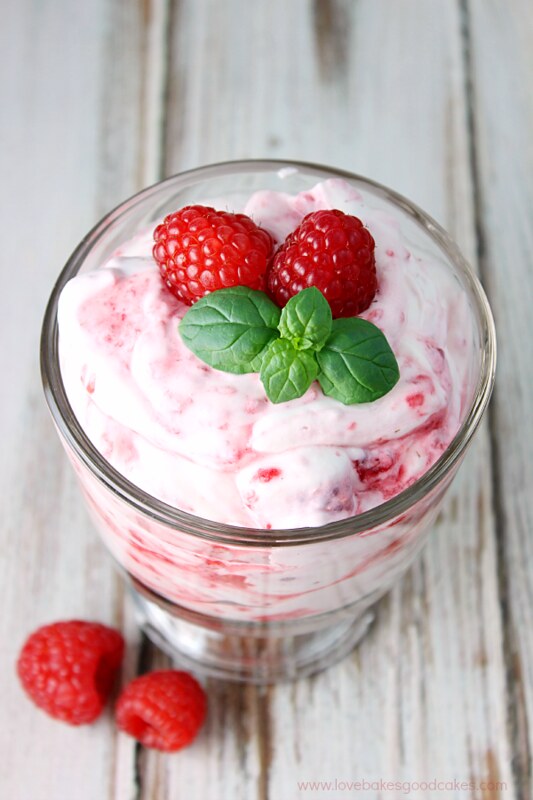
Raspberry Yogurt Parfait 

Save yourself the calories and cash that you would waste at the bagel shop by having this light, refreshing pick instead.


Ricotta Swirl

This yummy treat packs a whopping 29 grams of protein! Get ready to be way more productive at work. 

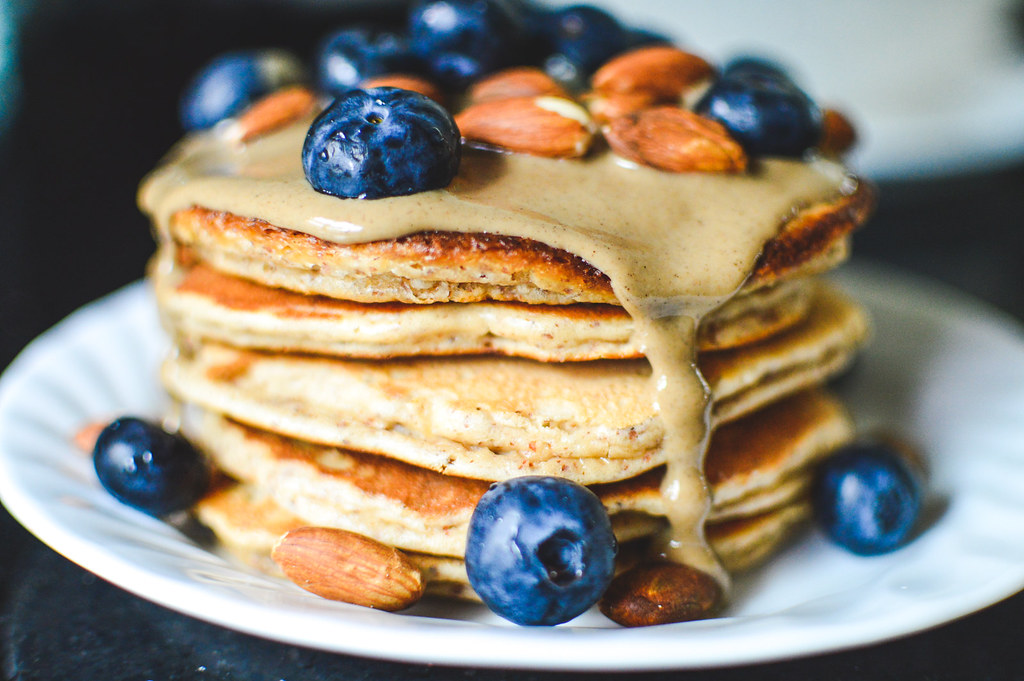
Blueberry and Peanut Butter Pancake

IHOP has nothing on you. This better-for-you breakfast is under 350 calories!


Pomegranate-Strawberry Smoothie

Already late for work? Just sip on this filling shake during your commute.

Loaded Toast

Make toast a little more exciting by piling on Swiss cheese and Canadian bacon. It doesn’t get much easier than this.


Cherry Bomb

With kiwi, cherries, and coconut milk, this definitely beats a boring fruit cup.

Sweet Treat Yogurt Parfait

Whip this up on your way out the door instead of forking over $10 for it at a nearby café. Plus, it’ll definitely taste better fresh.


Comment below if you found this helpful, will you try one of these easy breakfast recipes? Let me know which one is your favourite.


Source

Sunday, 22 November 2015

Best Healthy Nuts and Seeds for Weight Loss

Boost your energy with healthy super foods

Although energy dense and therefore high in calories, nuts and seeds can in fact be beneficial for weight loss.  Both of these foods are high in fibre and protein making them a filling snack option that will keep you satiated for a long time.  Not only this, but nuts and seeds are packed full of nutrients, making them a health super food, and hugely more nutritious than other popular snack foods.
Due to the high calorie content, it is important to keep portion sizes small if weight loss is your goal.  A small handful per day is sufficient to provide you with nutritional benefits and fight off hunger, without consuming too many calories.

Health benefits of nuts and seeds

Rich in fibre and protein
Nuts and seeds are not only rich in fibre and protein, but also in numerous other nutrients.  They contain high levels of mono and polyunsaturated fats, which are important for heart health and can lower cholesterol levels.  Some also contain high amounts of omega-3 fatty acids, which have been shown to have substantial benefits for the heart, cells and nervous system, as well as to reduce inflammation.  The American Heart Foundation recommends including some nuts and seeds daily for the apparent benefits to heart health.
Loaded with Vitamins and minerals
Nuts and seeds are also rich in a multitude of antioxidants including vitamin E, folate, manganese, and selenium.  These substances are important in the body as they help fight damage causing free-radicals and thus are thought to protect against cancers.  Nuts are also a good source of minerals such as zinc and magnesium and B vitamins which are essential for energy.

The Best Nuts and Seeds

Choose raw and unsalted nuts
For weight loss and nutrition value its best to choose raw, unsalted nuts.  Salt can contribute to increases in blood pressure as well as making nuts more addictive, meaning it is hard to stop at a small amount.
Avoid coated or roasted
Avoid nuts that are coated or roasted in other oils, as these are often unhealthy hydrogenated or saturated fats, such as palm oil.  Oil coated nuts will also be higher in fat and calories and therefore less suitable for weight loss.
Avoid sugar coated nuts
Sugar coated nuts should also be avoided, as these are again much higher in calories.  Try toasting nuts yourself under a grill and seasoning with herbs or spices for a healthier alternative with more flavour than plain nuts.
Calorie content of nuts and seeds
In terms of calorie and fat content, there is not a huge amount of difference between plain nuts.  Peanuts, almonds, pistachios and cashew nuts are the lowest in calories with around 160 calories per ounce, whilst brazil nuts, walnuts, pine nuts and pecans contain around 180 calories per ounce. Seeds such as pumpkin, sunflower and sesame contain around 150-180  calories per ounce, but are usually consumed in smaller quantities than nuts.

Healthiest nuts & seeds

According to the George Mateljan Foundation’s list of the world’s healthiest foods, the healthiest nuts and seeds include:
  • Almonds: High in vitamin E, magnesium, copper, vitamin B2 and phosphorus and concentrated in protein.  The majority of fat in almonds is heart healthy mono-unsaturated fat.
  • Cashews:  High in antioxidants, mono-unsaturated fats and phosphorus and with a lower fat content than many other nuts.
  • Flaxseeds (Linseed):  High in omega-3 fatty acids, beneficial for anti-inflammatory properties, as well as vitamin B6, fibre and manganese.

  • Peanuts:  High in mono-unsaturated fats, flavonoids, antioxidants, and folic acid.  They are also high in vitamin B3 and are thought to contain an antioxidant known as resveratrol, which is thought to have anti-aging effects.
  • Pumpkin Seeds:  High in essential fatty acids, potassium, magnesium, phosphorus and vitamin K, these may be beneficial for arthritis and help lower cholesterol.
  • Sesame Seeds:  Good source of Vitamin B1, mono-unsaturated fats, and phytosterols which inhibit cholesterol production.
  • Sunflower seeds:  High in linoleic acid, fibre, magnesium and phytosterols.
  • Walnuts:  High in omega 3 fatty acids, manganese and copper.  They also contain an essential amino acids used by the body to make nitric oxide, which is required for keeping blood vessels flexible.

Chia seeds, super foods or scam?

One of the more recent ‘super-food’ crazes to take hold, chia seeds are being dubbed as the dieters dream food and a nutritional miracle.  Whilst it is certainly true that these seeds are high in omega 3 fatty acids, antioxidants, fibre, protein and minerals, (as are many nuts and seeds), it is unclear as yet how many of the supposed benefits can be verified scientifically.  Studies have shown that when used in conjunction with a healthy diet, chia seeds may help to lower cholesterol and blood pressure.

How to add nuts and seeds to your diet

Apart from a handful of nuts as a snack there are many ways to add nuts and seeds to your diet to increase nutrition and assist with weight loss by adding protein and fibre to keep you fuller for longer.
Add them to your breakfast menu
Try adding a sprinkle of nuts or seeds on breakfast cereal or yogurt, or use spreads such as tahini or peanut butter (with no added fats or sugar).
Add them as cooking ingredients to your recipes
When baking, throw in a handful of chopped nuts or sprinkle seeds on top of bread. Also, try to choose products made with added seeds such as grain or nut bread.
Add them to your salads
A handful of nuts also make a great addition to a salad or pasta dish for a bit of crunch and toasted sesame seeds add extra texture to an Asian stir-fry.  
Nut milks and butters are also a good way to get the nutritional benefits and can often be lower in saturated fats than alternatives from animal sources.

Comment below what you think, did you find this helpful? Let me know x


Source

Tuesday, 17 November 2015

How to Cook Healthier Meals

Learn how to cook smarter and healthier

If you are someone who enjoys food and cooking, but still want to watch your weight and eat healthy nutritious foods, it can sometimes be difficult to find a balance between the foods you love to cook and the diet you are supposed to be following.  Food often seems to fall into one of two categories (this is the general belief), the delicious – but calorie and fat laden, or the healthy -low calorie but completely boring and tasteless.
Fortunately, watching your weight does not mean you have to give up cooking and eating your favourite meals and dishes.  With a few simple modifications in cooking techniques and ingredients, most dishes can be modified to improve their nutritional value and lower their fat and calories without losing too much of their flavour.  Whilst some things are more difficult to make healthier than others, if you are a keen cook, this is a great opportunity to expand your skills and experiment with different ingredients and cooking methods to create healthier versions of your favourite dishes.

10 Cooking tips for healthier and calorie friendly meals

To start you on your way to healthier, flavour packed meals for all your family, here are some tips to improve the nutritional value using various cooking techniques and ingredient substitutes.

1. Baking

Baking can refer to any cooking that takes place in the oven and generally does not require much added fat, although a little may be used to stop foods from drying out.  This means it is a relatively healthy cooking technique for foods such as fish, meat, and vegetables.  Baking fish in a foil parcel with some vegetables and a little olive oil, herbs or spices is an easy way to cook moist fish which retains its natural juices.
Baked foods such as cakes, pastries, pies, and biscuits are not such healthy choices, but recipes for your favourite sweet treats can often be modified to improve their nutritional value and lower fat and calories.  Good substitutions in baking include:
  • Butter or olive oil for margarine
  • White refined flour for wholemeal varieties
  • Reducing sugar, or substituting with artificial sweeteners if you prefer
  • Using apple sauce or fruit to sweeten rather than sugar
  • Making yogurt or olive oil based pastry as this has less saturated fat
  • Adding nuts or bran increase fibre
  • Using low fat ingredients such as milk and yogurt in baking.

2. Healthier cooking methods

By opting for healthier cooking techniques you can really cut down on the amount of fat that is added to the dish and thus also reduce the calories.  Healthier methods include, grilling, poaching, baking, broiling, steaming, and stir-frying as these require minimal or no fat to be added to the dish.  Often foods that are normally fried can be cooked in the oven or grill with similar effects but much less fat, for example fries.
Methods such as frying, deep frying, and roasting can add a lot of fat to the dish and really bump up calorie content.  However, there are a few methods you can use to make them as healthy as possible, if you really feel a dish needs to be cooked this way.
  • When deep frying, make sure the oil is as hot as possible, as this means the food will absorb less of the oil.  If the oil is not hot enough, the food is soggy rather than crispy and you are also eating a lot more of the fat.
  • Dry frying is a good method to replace frying, and basically involves frying without oil in a good non-stick pan.
  • When roasting, try to add minimal fat before cooking, and baste roast during the cooking progress to keep moist.
  • If you do use fat, try to use an unsaturated fat such as olive oil, rather than butter.

3. Choosing the healthiest versions of foods

Starting with healthier ingredients will result in a healthier dish in the end, so it is worth looking for low fat versions of products such as yogurt, milk, cream and cheese.
  • Try to choose low fat cuts of meat, and trim any visible fat before cooking, as well as removing chicken skins.
  • When buying pre-prepared foods such as minced meat, look for lean varieties, it is worth paying a little extra for meat that is lower in saturated fat.

  • Fish is also a great alternative to meat as it is lower in saturated fat and higher in omega three fatty acids which are good for heart health.
  • Always try to choose fresh, unprocessed foods where possible as these contain no artificial colour, flavours, preservatives, sodium and fillers that may be found in processed foods.
  • Fresh vegetables are ideal, but frozen are often just as good as they are snap frozen soon after harvesting, meaning that they retain their nutritional value better than vegetables that are sitting on supermarket shelves for weeks.

4. Ingredient substitutes

When cooking, substituting one ingredient for a healthier alternative can make a big difference to the nutritional content of your meal.  Good substitutes include:
  • low fat yogurt instead of cream in soups
  • Olive or canola oil instead of butter for all cooking that requires fat
  • Low salt tinned foods instead of normal varieties
  • Low fat cheese or a smaller amount of strong flavoured cheese in pastas and other dishes.
  • Wild rice instead of white
  • Whole grain pasta instead of white
  • Yogurt and a little lemon juice mixed with tuna on a sandwich rather than mayonnaise

5. Flavour options

Flavourings can add a lot of calories, or other undesirable things such as sodium to a meal.  Instead of adding salt and fat to food for flavour, try to use options such as herbs, spices, vinegars and lemon juice as these add loads of flavour, but very few calories.  Condiments such as tomato sauce, mayonnaise and salad dressing can also add a lot of calories so look for low fat /sugar/salt alternatives or make your own so you can control the amounts of oil, sugar and salt that go into them.


6. Sneaky Vegetables or legumes

By adding vegetables or legumes such as lentils, chickpeas, and beans to cooking you not only increase the amount of nutrients in the dish, but also the amount of fibre. (See also: Fiber Can Help You Lose Weight, But Only A Specific Type). As an added benefit, this can also be used to make a dish go further as it increases the quality with cheap ingredients. Legumes and vegetables are low in fat and calories and therefore generally reduce the calorie content of a dish when used to replace some of the meat.   This is also a good way to get children to eat vegetables, as if they are chopped finely or grated, they are unlikely to even know they are there.
Dishes which lend themselves well to these healthy additions include:
  • Hamburgers; mix grated zucchini or carrot into the mince mixture
  • Lasagne:  Mix grated or finely chopped vegetables into mince, or replace some of the mince with cooked lentils.
  • Pies:  reduce the quantity of meat and add extra veggies or legumes to fillings
  • Tuna sandwiches:  mix grated carrot with tinned tuna and a little low fat mayo or yogurt
  • Cheese sauce:  purred up white vegetables such as cauliflower and stir into sauce for a hidden veggie boost.  Alternatively if you don’t mind the strange colour, try purred carrots or broccoli.

7. Avoid unnecessary fats

Think about if you really need the fat you add to certain foods.  Often you will find you taste very little difference without them, for example butter on the bread of a sandwich, or oil in the pan when you fry an egg.

8. Downsize

A sure way to cut down on calories in a meal is to eat a smaller portion.  Sometimes this can take a little getting used to, but to make it less obvious, try using a smaller dish or plate.  This means a smaller portion of food still fills the plate and doesn’t look so lost.  Studies have shown that people who eat from smaller plates generally eat less calories over a day.
It is also important to allow yourself a good twenty minutes to digest after finishing a meal.  If you are still hungry after that, you can go back for seconds, but often this is the time required for the body to register that it is full.

9. Serve all meals with vegetables

It is suggested that vegetables should make up the largest portion of your plate in every meal, so make sure you serve all meals with a salad, or vegetable side.  By filling up on vegetables, rather than carbohydrates, protein or fat, you will get more vitamins and minerals in your meal.  You will also reduce you calorie intake, as vegetables are very low in calories and fat.

10. Avoid accidental calories.

Remember when cooking that calories consumed whilst cooking, such as licking the bowl or tasting a spoon or two of the dish before serving all count.  You may in fact be eating a lot more than you are sitting down to on your plate.  Try to limit snacking whilst cooking, or compensate by serving yourself a smaller portion afterwards.
Similarly, finishing up the scraps off someone else’s plate or the unfinished food of a child also contributes to calories.  If you are no longer hungry stop eating and store leftovers or feed to a hungry pet to avoid waste.

Comment below if you found this helpful. Do you find yourself adding extra calories when unnecessary? Let me know down below in the comments section if you want to see more articles like this. Have a great day!


Source

Wednesday, 28 October 2015

8 desserts to help you lose weight

Watching your waistline doesn't mean you can't enjoy the occasional treat. We've rounded up eight low-calorie, easy-to-make desserts that will help you lose weight


Quick and healthy diet-friendly desserts

When you're trying to cut calories, it seems like dessert is always the first thing to go. While it may be a bad idea to cozy up to a bag of cookies after a hard day at the office, enjoying a sweet, healthy treat now and then is no crime. In fact, the occasional indulgence may even help you achieve your diet and weight-loss goals more efficiently than swearing off sweets all together.

Here are eight delicious guilt-free dessert recipes to add to your cookbook. Enjoy!


Lemon Mousse with Strawberries

Sampling this lemon mousse with vitamin-packed strawberries is like spooning up sunshine; the jewel-like layers of berries are an unexpected delight. We've lightened up the mousse by substituting gelatin and fat-free yogurt for the usual quantities of eggs and cream.


Toasted Almond Meringue Cloud

These almond meringues taste decadent, but are actually low in fat and calories. Serve them at your next dinner party for an "I can't believe this is healthy!" dessert that's sure to wow your guests.


Fruit Sorbets

Craving ice cream? Before you chow down on the Häagen Dazs, consider a healthier, homemade swap. Refreshing, fat-free sorbets are a delicious substitute for ice cream and making it yourself allows you to control the amount of sugar in your dessert. If you don’t have an ice cream maker, you can also make granita, which is icier, but still just as tasty!
 
Get the recipe: Fruit Sorbets


Baked Almond-Stuffed Peaches

Turn your peaches into a fabulous warm dessert by stuffing them with dried apricots, toasted almonds and crushed amaretti cookie crumbs, then baking them in the oven until they are brown and bubbly. It may sound decadent, but each serving is actually fewer than 200 calories. The fruit can be served with light sour cream for an added kick.


Whole-wheat Grapefruit Bran Biscotti

This heart-healthy recipe makes for a fresh-tasting dessert option. Tangy grapefruit is loaded with immune-boosting vitamins and antioxidants, while the high fibre content will help support weight loss. And at 57 calories for two biscotti, this is one dessert that practically begs for a second helping.


Light Raspberry-Ricotta Fool

A fool is usually made with fruit and whipping cream. We’ve lightened the original by using ricotta cheese, and added a burst of citrus flavour, while maintaining this dessert’s made-in-10-minutes appeal.


Almond Butter Cookies

Love the taste of peanut butter cookies? Try this healthy twist on an old favourite, featuring heart-healthy almond butter. Whole almonds add a satisfying crunch to these yummy, nutrient-packed cookies.
 
Get the recipe: Almond Butter Cookies


Peach Crostini

Juicy peaches and berries with a hint of maple syrup and fresh mint rest on a canapé of cream cheese, making a lovely light dessert. Opt for low-fat cream cheese and you can enjoy two of these tasty crostinis for only 80 calories.
 
Get the recipe: Peach Crostini

Comment below what you think of these yummy dessert ideas! Would you try he out at home? Let me know in the comment section below :)


Source
http://www.besthealthmag.ca/best-eats/diet/8-desserts-to-help-you-lose-weight