Showing posts with label eat to lose weight. Show all posts

Saturday, 19 March 2016

Tips for losing weight healthily

The Australian Dietary Guidelines recommends that we all achieve and maintain a healthy weight. More than half of all Australian adults are above their healthiest weight.

How do you know if you are carrying extra weight?

Most adults can use the following graph as a guide to the healthiest weight for their height.  Draw a line across from your height without shoes in centimetres and a line straight up from your weight in kg with light clothes but no shoes. The point where these two lines cross will land in a BMI range. Your weight will be classified as ‘underweight’ (less than your healthiest weight), ‘normal’ (healthiest weight), ‘overweight’ (above your healthiest weight and at greater risk of some health problems) or ‘obese’ (significantly above your healthiest weight and at greatest risk of health problems).
You can also use the graph to work out what is the healthiest weight for your height. The graph cannot be used for children or people under eighteen years of age because they are still growing and developing.

A graph showing Body Mass Index (BMI) height and weight. Formula = weight over heaight.

If you are carrying extra weight losing even 5kg can make you feel better and lower your risk factors for health problems.
Everyday there are new ideas, diets, programs and books telling us how to lose weight. It can be very confusing and hard to know what to try.
It’s easier than ever before to gain weight and harder to take it off. Discretionary foods are cheaper and tastier, portion sizes are larger and we are less active at work and in our spare time.
So to lose weight that stays off we need to make small changes that turn back the clock. We need to limit discretionary foods, down size our portions, and find ways to be more active in our everyday lives.
To lose weight, we need to eat and drink fewer kilojoules that we use. Choosing foods from the Australian Dietary Guidelines will help us choose foods that provide the most nutrients, without the extra kilojoules. For example eating more coloured vegetables and salad will keep us feeling fuller for fewer kilojoules. In fact making half our meals coloured vegetables or salad and having smaller portions of the other foods, we can reduce the kilojoules by up to half.
There recommended number of serves can be used to plan meals and snacks for weight loss. Following the serves from the Five Food Groups and avoiding discretionary foods will help most people lose weight while staying healthy. Younger men, people who are taller than average or more active may find they need to include the ‘additional serves’.


Planning is the secret to successful weight loss. By thinking ahead about meals and snacks we can spread the number of serves from the five foods groups over interesting meals and snacks and avoid unplanned eating of extra serves or discretionary foods.
Making a plan for meals and snacks will also make food shopping easier and quicker and cheaper and avoid unplanned extra kilojoules, because then we can buy exactly what we need. Also, knowing a few tips for getting the most out of food labels when shopping can help avoid extra kilojoules.
Eating away from home can be a challenge when wanting to lose weight, but again, thinking ahead and knowing some useful strategies can make it work.
If we eat more ‘mindfully’, turning off the TV, slowing down and savouring food, we can enjoy food more, be more in touch with how hungry or satisfied we are and eat less.


Source

Friday, 4 December 2015

5-Minute Breakfasts That Are Actually Healthy

Seriously, you have no excuse for hitting the drive-thru


If your idea of a grab-and-go breakfast is a bowl of cereal or a granola bar, prepare to have your mind blown. You can make a pretty impressive morning meal that’s actually good for you in five minutes or less. Still skeptical? Check out these tasty, time-saving recipes—all under 400 calories!

Peanut Butter-Strawberry Wrap

Who says wraps are just for lunch? Bonus: The peanut butter will help keep mid-day cravings at bay.

Raspberry Yogurt Parfait 

Save yourself the calories and cash that you would waste at the bagel shop by having this light, refreshing pick instead.


Ricotta Swirl

This yummy treat packs a whopping 29 grams of protein! Get ready to be way more productive at work. 

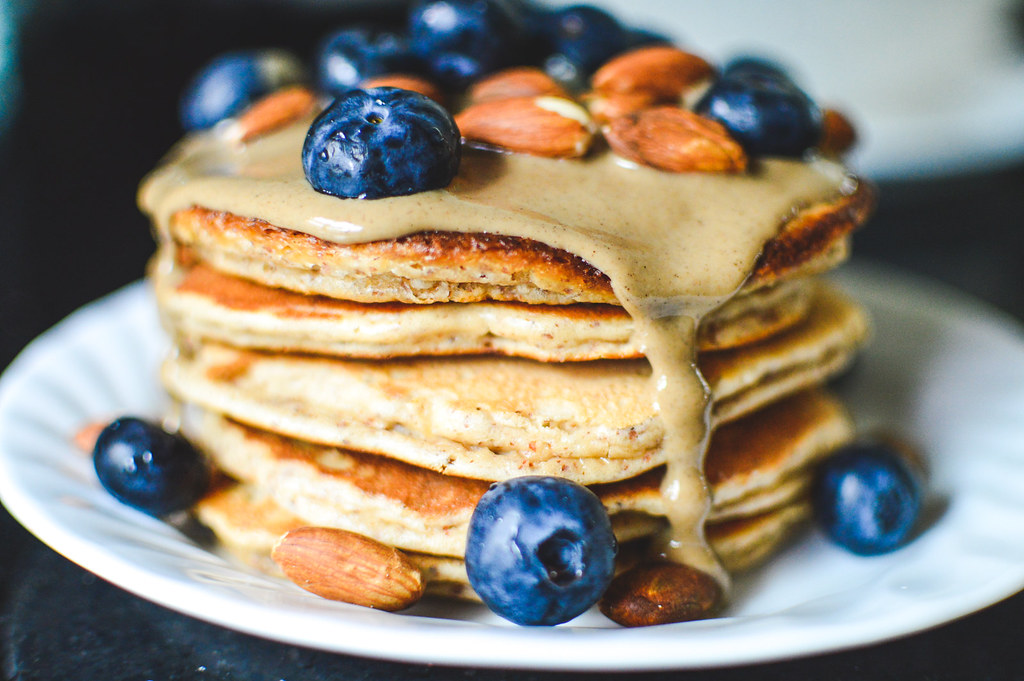
Blueberry and Peanut Butter Pancake

IHOP has nothing on you. This better-for-you breakfast is under 350 calories!


Pomegranate-Strawberry Smoothie

Already late for work? Just sip on this filling shake during your commute.

Loaded Toast

Make toast a little more exciting by piling on Swiss cheese and Canadian bacon. It doesn’t get much easier than this.


Cherry Bomb

With kiwi, cherries, and coconut milk, this definitely beats a boring fruit cup.

Sweet Treat Yogurt Parfait

Whip this up on your way out the door instead of forking over $10 for it at a nearby cafĂ©. Plus, it’ll definitely taste better fresh.


Comment below if you found this helpful, will you try one of these easy breakfast recipes? Let me know which one is your favourite.


Source

Wednesday, 11 November 2015

Vitamin C - The Vitamin You Need To Succeed!

Whether you want to lose fat or build muscle - or both - an active lifestyle means you need Vitamin C! And a lot of it! Learn more about how to get enough vitamin C to succeed at your goals below!


Being involved in fitness in one capacity or another for over ten years, I have taken my share of nutritional supplements. When I was adding muscle and strength, I took NO products, glutamine, and creatine. When I needed to lose weight, I would consume green tea, CLA, and L-carnitine.
Although my goals have changed from time to time over the past decade, there have been three supplements that have stayed in my cabinet regardless of what I wanted to do with my physique. I have always had a multivitamin, whey protein, and the vitamin that this article covers, vitamin C.

What is Vitamin C and who needs it?
Vitamin C, also known as ascorbic acid or L-ascorbate, is an essential vitamin to the human body. It could very well be one of the safest and most important vitamins you could take on a daily basis. Vitamin C is most known as the first thing people go for whenever they have a cold. It is a water-soluble vitamin that is necessary for normal growth and development. Since it is water soluble, extra amounts that the body doesn't use leaves the body through urine within 24 hours.
It is an antioxidant as well. Antioxidants are nutrients that block some of the damage caused by free radicals, which are by-products that result when our bodies transform food into energy. Antioxidants also possibly help reduce the damage to the body caused by toxic chemicals and pollutants such as cigarette smoke.
Vitamin C is required for the growth and repair of tissues in all parts of your body. It is used to form collagen, a protein used to make skin, scar tissue, tendons, ligaments, and blood vessels. It is also essential for the healing of wounds, and for the repair and maintenance of people's cartilage, bones, and teeth. C also helps with blood pressure by strengthening the walls of the arteries. It can also prevent damage to cells caused by aging as well as help reduce stress.
Everybody needs Vitamin C, whether you are a hard training athlete, or an everyday person that is just trying to get in shape. C can help protect the immune system and help bodybuilders recover from intense training.
It helps in protein metabolism. It not only provides our body with certain necessary proteins but also blocks the synthesis of vital proteins that cause infection and inflammation. It is also believed that vitamin C usage may support efforts to prevent heart disease, stroke, and cancer later in life.
For male athletes, Vitamin C will keep testosterone levels high by supporting a lower ratio of cortisol to testosterone. This will help your body keep up that top level of performance you require on a daily basis.
In the case of women, vitamin C not only helps to protect the breaking off of the capillaries that cause heavy blood flow for women with endometriosis during menstruation but also prevents blood clotting caused by reduction of prothrombin, thrombin, and thrombokinase concentrations in the body.
Also, vitamin C not only helps to improve digestive absorption, but also may support our bodies' actions in fighting against all kinds of diseases including endometriosis. Women also benefit by taking C because it helps strengthen the liver function to balance the estrogen level during the menstrual cycle. If you are pregnant or breastfeeding, you are supposed to take in more C than women that are not.

Symptoms of Vitamin C deficiency 
  • Dry and splitting hair
  • Gingivitis (inflammation of the gums)
  • Bleeding gums
  • Rough, dry, scaly skin
  • Decreased wound-healing rate
  • Easy bruising
  • Nosebleeds
  • Weakened tooth enamel
  • Swollen and painful joints
  • Anemia
  • Decreased ability to fight infection
  • Possible weight gain because of slowed metabolism
If you stay deficient for too long, you could develop scurvy. Scurvy leads to the formation of spots on the skin, spongy gums, and bleeding from the mucous membranes. These spots are most abundant on a person's thighs and legs, and a person with the ailment looks pale, feels depressed, and is partially immobilized. Although it is mostly known to affect older adults, anyone can get it. Scurvy can be developed in as little as 90 days if you don't have enough C in your system.

How much should I take and how can i take it?
Now that we know you need vitamin C and why, we have to figure out how much you should take. The Food and Drug Administration set their guidelines for how much a person should take for general health. These are the FDA recommendations for each age group and gender.
Infants And Children
  • 0 - 6 months: 40 milligrams/day (mg/day)
  • 7 - 12 months: 50 mg/day
  • 1 - 3 years: 15 mg/day
  • 4 - 8 years: 25 mg/day
  • 9 - 13 years: 45 mg/day
Adolescents
  • Girls 14 - 18 years: 65 mg/day
  • Boys 14 - 18 years: 75 mg/day
Adults
  • Men age 19 and older: 90 mg/day
  • Women age 19 year and older: 75 mg/day
Now these guidelines aren't designed for athletes. Those folks that are active obviously need more C than the non-active person would. It is believed that active people can benefit from taking anywhere from 500 milligrams to as much as 3,000 mg a day, depending on the person's daily activity level. If you are sick, you may need as much as eight grams a day for the duration of your illness.

Sources of Vitamin C
Primary Known Sources Include:
  • Cantaloupe
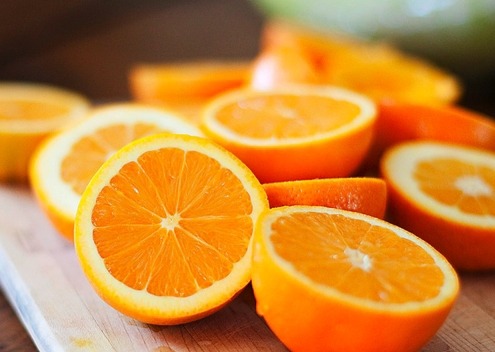
  • Orange
  • Broccoli
  • Red cabbage
  • Green pepper
  • Red pepper
  • Kiwi
  • Tomatoes
  • Strawberries
  • Raspberries
  • Pineapple
  • Blueberries
  • Cranberries
  • Papaya
  • Mango
  • Watermelon
  • Cauliflower
  • Brussels Sprouts
Now although it is difficult to overdose on Vitamin C since it is water soluble, it can be done if you aren't careful.
How much C is too much depends on the person taking it. One thing you should not do is take it on an empty stomach. This can lead to indigestion. Also, do not take a lot at one time. Taking extra large dosages of C at one time can cause diarrhea, disturbed sleep, and nausea. Do not take more than 1,000mg of Vitamin C at one time.

Conclusion
Hopefully after learning all the benefits of taking Vitamin C on a regular basis, you will decide to take a Vitamin C supplement and start taking it now. Regardless of whether you are looking to pack on size, get stronger, lose weight, compete, or just stay in great shape, C is one of those vitamins that will go a long way of helping you reach all of your fitness goals.


Source

How Many Calories Should You Eat to Lose Weight?

Flummoxed by what you need to eat to lose weight? We can explain it all for you, as well as how to exercise to drop those kilos.


It doesn't matter how many kilograms you want to lose, whether you're trying to shed 5kg or 50kg the way to get there is exactly the same.
Remember the simple weight-loss mantra: calories in versus calories out.
In other words, the number of calories you eat has to be smaller than the number of calories you burn in order for you to lose weight.

How Many 'Calories In' to Lose Weight?

One of the first questions people embarking on a weight-loss journey ask is: exactly how much should I eat a day to lose weight?
12WBT's experts suggest that women eat 1200 calories a day and men eat 1800 a day when they're trying to lose weight.
For women, that means three 300-calorie meals and a total of 300 calories in snacks during the day, whereas for men meals can be 450 calories each, with snacks adding up to 450 in total.
Even if you're feeling extra motivated and want to fast-track your weight loss, don't be tempted to eat less than the recommended amount of calories a day.
If you go too low, your body might think you're trying to starve it and it could hold on to fat stores as energy reserves, which will actually slow down your efforts to lose weight.
Plus, you need enough energy (in other words, calories) to get through all the intense workouts you'll be doing!
You can either count your own calories using a calorie calculator or sign up to 12WBT to receive meal plans with all the calories calculated for you.
If you choose to count calories on your own, keeping a food diary is a must.
While you might think you've taken into account all your meals and snacks, it's easy to forget the calories in those little extras you can consume over the course of the day without even realising it.
Extras include your morning coffee (milk and sugar have calories!), the two chocolates your work colleague offered you and the packet of nuts you found in your car when you were driving home from work - and the calories from healthy foods like nuts still need to be counted.

Even if you've developed some healthy eating habits and are cooking healthy recipes, you need to make sure you're not over-eating.
Any extra calories can make a huge difference when you're trying to lose weight.
Keep in mind that as you lose weight, your calories need to decrease.
Think of your body as being like a delivery truck: the heavier the load, the more fuel it needs - but as it makes its deliveries and the load lessens, so does the required amount of fuel.
That means that as you get lighter, you'll feel more satisfied with less food and therefore fewer calories.

How Many 'Calories Out' to Lose Weight?

Now for the second part of the equation: calories out. In other words, burning calories through exercise.
Aim for four or five workouts a week during which you burn 400 to 800 calories (or 600 to 1000 calories if you weigh more than 100kg) and an extra-big Saturday workout in which you torch 1000 calories (or more if you weigh more than 100kg).
These calorie numbers should be a bare minimum for men - don't be afraid to burn even more!
The important thing for both men and women is to give each workout your 100 per cent best effort and walk away knowing you emptied your tank.
The harder you work, the more calories you'll burn and the quicker the fat will melt off. So forget all those excuses and push your calorie-burning to the limit!

How Quickly Will I Lose Weight?

The speed at which you lose weight depends on a number of factors, including your age, gender, height, current weight, proportion of lean muscle mass, current level of fitness, the amount and type of exercise you do, the intensity with which you exercise, and more.
But as a general rule, you can expect to lose 0.5kg to 1.5kg per week if you weigh less than 100kg; 1.5kg to 3kg per week if you weigh between 100kg and 129kg; and 1.5kg to 5kg a week if you weigh more than 130kg.

It's worth noting that losing weight at this moderate rate means it is much more likely to stay off than if you were to try to lose it quickly on a very low-calorie diet that slashes your calorie intake to drastically low levels.

Calories and the Weight-Loss Plateau

You might find that you hit a weight-loss plateau, but don't let that discourage you.
It's just because the calories you're burning through exercise now balance the calories you're consuming.
In that case, mix up your exercise by increasing the intensity of your cardio or increasing the weights or number of reps in any strength training you're doing.
You'll find your calorie burning goes up, but whatever you do, stick to your 1200-calorie-a-day eating plan (or 1800 calories for men) while you wait to start losing weight again.
In the end, your dedication and perseverance will pay off when you achieve your goal weight and you can finally look in the mirror and feel proud of the person who's looking back at you. Don't give up!

As always guys, comment below! Let me know what you think! Did you find this helpful? Do you calorie count? How has it worked for you so far? Let me know :)


Source

Wednesday, 28 October 2015

Eat Eggs for Weight Loss

Going to work on a couple of eggs might be the way forward if you want to shift those pounds. According to new research from the Rochester Centre for Obesity in America, eating eggs for breakfast could help to limit your calorie intake throughout the rest of the day, by more than 400 calories.
In the study, 30 overweight or obese women ate either an egg-based breakfast (2 eggs) or a bagel-based breakfast, containing the same amount of calories and almost identical levels of protein. The researchers recorded the women’s eating habits and found that just before lunch, the women who had eaten eggs for breakfast felt less hungry and ate a smaller lunch as a result. Better still, over the next 36 hours the group eating the egg-containing breakfast consumed, on average, 417 calories less than the bagel-eating group.

Weight Loss Resources says…

This study suggests that eating eggs for breakfast makes you feel fuller for longer so that you eat less at your next few meals. This is great news if you’re trying to lose weight as it means you may find it easier to cut calories without feeling hungry. In fact, based on these results you could expect to lose up to 2lb a month, simply by eating eggs for breakfast!
Eggs are packed with a variety of nutrients including protein, zinc, iron and vitamins A, D, E and B12, but contain just 85 calories each. Old advice to limit eggs to just a few each week has also been abandoned. According to the Food Standards Agency, there’s now no limit to the number of eggs you can eat in a week as part of a healthy balanced diet. If you fancy starting the day with eggs we suggest you avoid frying them and combine them with wholemeal toast and a glass of vitamin C-rich unsweetened orange juice, which will help the body make the best use of the iron in the eggs.

Use the tools in Weight Loss Resources free

Weight Loss Resources provides tools and information to control your weight by getting your calorie balance right and learning what works best for you. You can access the calorie database and keep an online food diaryTry it Free for 24 hours.
Are you a huge fan of eggs and bacon for breakfast? Well cut down on the bacon and add a couple more eggs and your good to go! Eating eggs is so the way to go! They're both yummy and healthy! Just make sure you get 'Cage Free' eggs ok guys. Do your bit to help.


Source
http://www.weightlossresources.co.uk/weight_loss/weight_loss_tips/eat_eggs.htm

Sunday, 26 July 2015

5-Minute 400-Calorie Meals

Slimming meals to help you shrink


Losing weight doesn't have to mean hours in the kitchen cooking healthy meals. These quick dishes rely on few ingredients, packaged foods, and simple instructions—leaving you no excuse to ditch your weight loss goal.


Egg & Cheese Breakfast Bowl

This breakfast bowl combines egg whites, cheese, potatoes, and turkey sausage into a hearty and protein-packed morning meal.
  • Microwave a Jimmy Dean D-Lights Breakfast Bowl (230)
  • Pair with one slice whole wheat toast (70)
  • Wash it down with 6 oz orange juice (80)
Total calories: 380 

Peanut Butter Soy Smoothie

Take a break from same-old cereal and milk. A sweet smoothie 
infused with creamy peanut butter packs in fiber, protein, and a 
serving of fruit.
  • To make the smoothie, blend 1 cup vanilla soy milk (100), 1 
  • Tbsp peanut butter (90), 1/2 banana (50), 1/4 tsp cinnamon, 
  • and 6 ice cubes
  • Pair it with a toasted whole wheat English muffin (130) with 2 
  • tsp all-fruit jam (20)
Total calories: 390


Blueberry Nut Oatmeal

We combine two of the healthiest foods—brain-boosting 
blueberries and heart-healthy oatmeal—to make your 
morning start right.
  • Cook 1/2 cup dry Quick 1-Minute Quaker Oats (150)
  • Top with 1 cup frozen organic blueberries (80), 2 Tbsp 
  • cashews (100), and 1 Tbsp honey (60)
Total calories: 390


Superfast Chef Salads

Creamy ranch dressing and shredded cheese make this 
healthy salad taste rich and satisfying.
  • To make the salad, mix 2 cups salad greens (20) with 
2 oz water-packed drained canned tuna (80) or salmon 
(60) and 1/4 cup cooked chickpeas (70). Top with 2 
Tbsp reduced-fat shredded cheese (50) and 2 Tbsp 
fat-free ranch dressing (40)
  • Pair it with a small dinner roll (78)
  • After the meal, enjoy a Hunt's Fat-Free Snack 
Pack Chocolate Pudding (90)
Total calories: 408-428


Barbecue Chicken Pita

Make use of leftover chicken in this tasty sandwich that 
sneaks in whole grains and veggies.
  • Stir together 1 Tbsp barbecue sauce (50) and 1/2 cup 
chopped precooked chicken (120); microwave for 30 
seconds or until hot
  • Cut a whole wheat pita (170) in half and stuff each with 
chicken mixture
  • Top with 1 cup chopped lettuce (10), 2 Tbsp diced 
cucumber (5), and 1 Tbsp fat-free ranch dressing (10)
  • Pair with 10 baby carrots (40)
Total calories: 405

Vegetarian Chili

Chili is an easy, low-cost way to add fiber and protein to 
your lunch. Get your serving of greens by pairing with a crunchy, 
refreshing salad.
  • Heat 1 cup Hormel Vegetarian Chili with Beans (190)
  • Pair with a large salad made with 2 cups lettuce (20), 
1 tomato (20), salad dressing spray (10). Add two 1/2-oz 
slices Alpine Lace Swiss Cheese (90), cut into thin strips
  • Eat with one 6" corn tortilla (60)
Total calories: 390

Confetti Pesto Pasta

Pasta cravings? No problem! Lighten your typical Italian feast 
by sticking to a 1 cup serving of pasta and loading it with lots 
of veggies and lean protein.
  • Combine 1 pint cherry tomatoes (50), 1 1/2 cups cooked 
green beans (66), 1 1/2 cups diced chicken breast (346), 
1/4 cup pesto sauce (230), and 1/4 tsp each salt and pepper
  • Add 4 cups cooked linguine (800)
  • Garnish with 1/4 cup shredded Parmesan (83)
Total calories: 395 per serving; serves 4


Tofu and Veggie Stir-fry

Make your own, healthier version of Chinese takeout even 
faster than the delivery guy can show up at the door!
  • SautĂ© in a wok or skillet 1 1/2 cups Cascadian Farm 
Chinese-Style Stirfry Blend (40)
  • Add 1/2 cup extra-firm tofu (100)
  • Stir into the stirfry 1 Tbsp peanut butter (90) and 
1 tsp low-sodium soy sauce (5)
  • Pair with 2/3 cup Minute Brown Rice (150)
Total calories: 385


Vanilla Macademia Parfait

For an afternoon snack that will keep you full 'til dinner, try a 
sweet, nutty yogurt parfait.
  • Spoon into a bowl 1 container Stonyfield Farm Fat-Free 
Vanilla Yogurt (130)
  • Top with 1 cup Kashi 7 Whole Grain Puffs cereal (70)
  • Add 2 Tbsp macademia nuts (120) and 1 Tbsp maple 
syrup (50)
Total calories: 370

Sinless S'mores

For an after-dinner dessert, enjoy two chocolaty s'mores—
without major calorie overdose!
  • Place 2 marshmallows (45) and 2 chocolate kisses (50) 
on a graham cracker square (30) and top with another graham 
cracker square (30); repeat to make the second one (155)
  • Heat in the microwave until soft and chocolate melts
  • Enjoy with 1 cup fat-free milk (100)
Total calories: 410


Source
http://www.prevention.com/weight-loss/diets/low-calorie-meals-5-minute-meals-weight-loss