Showing posts with label healthy snacking. Show all posts

Thursday, 24 December 2015

8 Ways To Lose Weight Before Noon

Do I look like a morning person? Well, if you’re carrying a few extra pounds around your middle, no.
Turns out morning people aren’t just happier than night-owls, they’re lighter, leaner and healthier, too. And it’s not just getting up early that keeps them trim–though, more on that to come. There are a number of things you can do in the first half of the day that keep you slim. Your carriage won’t turn into a pumpkin when the clock strikes 12, but you can bank on being slightly less pumpkin-shaped with these 8 Eat This, Not That!-approved, science-backed ways to nix the munchies, boost your metabolism and turbocharge your weight loss—all before noon.
1
CATCH
THE WORM


The early bird may catch the worms, but he doesn’t overeat them. Or so suggests a recent study from Northwestern Medicine that found late sleepers—those who woke at about 10:45 a.m.—consumed 248 more calories a day, ate half as many fruits and vegetables and twice the fast food of those who set the alarm clock earlier. A second study by researchers from the Roehampton University found that ‘morning people’—those who leap out of bed at 6:58am, were generally healthier, thinner and happier than the night owls, who start their day at 8:54am. Coax yourself into waking up early by gradually setting your smartphone’s alarm clock 15 minutes earlier every week, and wake up to a slimmer you.

2
GET SOME
NOOKIE


A little sexy time before rush-hour can trigger the release of oxytocin, a hormone naturally released during times of bonding, including sex, that research shows can minimize stress hormones and suppress the appetite. According to a study in the journal Aging, daily injections of oxytocin—dubbed “the love hormone,"—reduced the amount of food animals consumed, as well as abdominal fat and body weight during, and for nine days following the 17-day treatment. Other research suggests oxytocin and cortisol—the major stress hormone—are inversely related. As one goes up, the other goes down. That’s good news for your waistline, as elevated cortisol can increase your appetite and cause weight gain. If you’re a mom or dad, there’s even more reason to linger in bed: A study in the journal Psychoneuroendocrinology, showed parents’ stress levels are 30 per cent higher with the early-morning breakfast-before-the-school-bus rush, and peak at about 8:15am—about the time they head out the door.
3
DO THE
SUNDANCE


Roll out of bed and, before you do anything else, open all the blinds. According to a study published in the journal PLOS ONE, people who had most of their daily exposure to bright light in the morning had significantly lower body mass index (BMI) than those who had most of their light exposure late in the day—regardless of how much they ate. Researches say 20 to 30 minutes of morning light is enough to affect BMI, and even dim light with just half the intensity of sunlight on a cloudy day will do. According to study authors, morning rays help to synchronize the body’s internal clock that regulates circadian rhythms and metabolism. Just put your clothes on first.

4
BREAK UP
WITH JOE


The coffee machine may be your favorite coworker, but there’s a caffeinated beverage that’s matcha better for weight loss: green tea—more specifically, matcha. Research shows the concentration of epigallocatechin gallate (EGCG) in matcha—a Japanese green-tea powder—to be 137 times greater than the amount you’ll find in most store-bought green tea. EGCG is a dieter’s best friend; studies have shown the compound can simultaneously boost lipolysis (the breakdown of fat) and block adipogenesis (the formation of fat cells) particularly in the belly. One study found men who drank green tea containing 136 mg EGCG—what you’ll find in a single 4 gram serving of matcha—lost twice as much weight than a placebo group, and four times as much visceral (belly) fat over the course of 3 months. Meanwhile, a research team in Washington found that too much coffee (5 cups or more) doubled visceral belly fat. One 8 fluid ounce cup of matcha has about 70 mg caffeine—slightly less the 95 mg coffee equivalent, but enough to put some pep in your step. So kick Joe to the curb (or at least scale back your dates); green tea is so matcha better. (Check out How to drink tea to lose weight.)
5
DO BRUNCH
INSTEAD


How can Sunday’s lazy-morning routine keep you slim? No, it’s not the cartoons. Not the pjs. It’s the shift in your eating habits to later in the day. Nighttime fasting—or simply eating breakfast later than normal to reduce your “eating window"—may boost your body’s ability to burn fat as energy, according to a study in the journal Cell Metabolism. Researchers put groups of mice on a high-fat, high-calorie diet for 100 days. Half the mice were allowed to nibble throughout the night and day on a healthy, controlled diet, while the others only had access to food for eight hours, but could eat whatever they wanted. The result of the 16-hour food ban? The fasting mice stayed lean, while the mice who noshed ‘round the clock became obese—even though both groups consumed the same amount of calories. Some fasting protocols are more aggressive than others, but 12 hours without food is enough for most people to enter into a fasted state, according to some experts. So make every day Sunday Funday and postpone breakfast by a few hours. Your skinny jeans will thank you.


6
86
ELEVENSES


Resist the urge to have a mid-morning snack. A study published in the Journal of the American Dietetic Association found that mid-morning snackers tend to eat more throughout the day than afternoon snackers. Researchers found that dieters with the mid-morning munchies lost an average of 7 percent of their total body weight while those who did not snack before lunch lost more than 11 percent of their body weight. That’s a difference of nearly six and a half pounds for a 160-pound woman with a weight loss goal. Moreover, afternoon snacking was associated with a slightly higher intake of filling-fiber and fruits and vegetables. So nix “elevenses” as our British friends refer to the mid-morning snacks, and sip on cup of tea or calorie-free seltzer instead—both proven appetite suppressants. (When you finally reach for that mid-afternoon munchie, make sure it's one of the Low-Calorie Snacks Under 50 Calories.)


Getting your heart rate up in the morning can zap calories, but one benefit of early a.m. exercise comes at night. That’s because working early in the day can help you get quality sleep—an essential and often overlooked component of successful dieting. In fact, new researchers suggests sub-par sleep could undermine weight loss by as much as 55 percent! In one study, participants who added 45 minutes of “moderate walking” five times a week to their weekly routine, reported 70 percent better sleep; and women whose gentle exercise routine consisted of three 15-30 minute stretching sessions per week saw a 30 percent improvement. Unlike afternoon and evening exercise that can rile us up before bed, researchers say morning exercise helps to sync our natural circadian rhythms, which can also support the metabolism. For an extra boost, try sneaking in your workout before breakfast. According to some studies, exercising in a fasted state can burn almost 20 percent more fat compared to exercising with fuel in the tank.


You don’t need to stress out about eating breakfast before 9 a.m. (see tip #1), but when you finally do break-your-fast, make sure it’s rich in protein. A recent study in The FASEB Journal showed that when high-protein breakfasts help maintain blood sugar and insulin levels far better than lower-protein or no-protein meals. Big spikes and dips in blood sugar are bad news for weight loss, as the disruptions shift the body from a fat-burning to a fat-storing state. For the recent study, researchers tested three meals just under 300 calories with similar fat and fiber contents, but varying amounts of protein: a low-protein meal of pancakes that provided a measly 3 grams; a breakfast skillet with a moderate 30 grams of protein; and a third sausage-and-egg breakfast that served up 39 grams of muscle-building protein—more than three times what the average American woman consumes at breakfast. The results? Both protein-rich breakfasts led to lower spikes in blood sugar compared to the low-protein, high-carb pancakes, but the highest-protein breakfast was significantly more effective. Other research has shown dieters who eat eggs for breakfast as compared to a high-carb meal of a bagel have an easier time losing weight due to their satiety value. Bottom line: add protein to your first meal of the day. Eggs and egg whites, protein powder and Greek Yogurt are all great, low-fat options that can pack a protein punch. Check our guide to the 9 Best Yogurts For Weight Loss for easy shopping.

Comment below what you think. Did you find this helpful? Let me know :)


Source

Sunday, 22 November 2015

Best Healthy Nuts and Seeds for Weight Loss

Boost your energy with healthy super foods

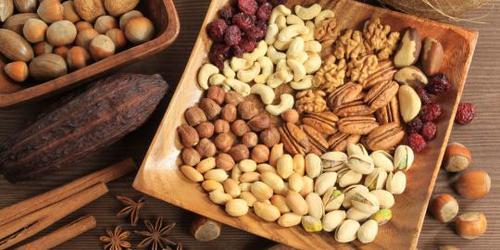
Although energy dense and therefore high in calories, nuts and seeds can in fact be beneficial for weight loss.  Both of these foods are high in fibre and protein making them a filling snack option that will keep you satiated for a long time.  Not only this, but nuts and seeds are packed full of nutrients, making them a health super food, and hugely more nutritious than other popular snack foods.
Due to the high calorie content, it is important to keep portion sizes small if weight loss is your goal.  A small handful per day is sufficient to provide you with nutritional benefits and fight off hunger, without consuming too many calories.

Health benefits of nuts and seeds

Rich in fibre and protein
Nuts and seeds are not only rich in fibre and protein, but also in numerous other nutrients.  They contain high levels of mono and polyunsaturated fats, which are important for heart health and can lower cholesterol levels.  Some also contain high amounts of omega-3 fatty acids, which have been shown to have substantial benefits for the heart, cells and nervous system, as well as to reduce inflammation.  The American Heart Foundation recommends including some nuts and seeds daily for the apparent benefits to heart health.
Loaded with Vitamins and minerals
Nuts and seeds are also rich in a multitude of antioxidants including vitamin E, folate, manganese, and selenium.  These substances are important in the body as they help fight damage causing free-radicals and thus are thought to protect against cancers.  Nuts are also a good source of minerals such as zinc and magnesium and B vitamins which are essential for energy.

The Best Nuts and Seeds

Choose raw and unsalted nuts
For weight loss and nutrition value its best to choose raw, unsalted nuts.  Salt can contribute to increases in blood pressure as well as making nuts more addictive, meaning it is hard to stop at a small amount.
Avoid coated or roasted
Avoid nuts that are coated or roasted in other oils, as these are often unhealthy hydrogenated or saturated fats, such as palm oil.  Oil coated nuts will also be higher in fat and calories and therefore less suitable for weight loss.
Avoid sugar coated nuts
Sugar coated nuts should also be avoided, as these are again much higher in calories.  Try toasting nuts yourself under a grill and seasoning with herbs or spices for a healthier alternative with more flavour than plain nuts.
Calorie content of nuts and seeds
In terms of calorie and fat content, there is not a huge amount of difference between plain nuts.  Peanuts, almonds, pistachios and cashew nuts are the lowest in calories with around 160 calories per ounce, whilst brazil nuts, walnuts, pine nuts and pecans contain around 180 calories per ounce. Seeds such as pumpkin, sunflower and sesame contain around 150-180  calories per ounce, but are usually consumed in smaller quantities than nuts.

Healthiest nuts & seeds

According to the George Mateljan Foundation’s list of the world’s healthiest foods, the healthiest nuts and seeds include:
  • Almonds: High in vitamin E, magnesium, copper, vitamin B2 and phosphorus and concentrated in protein.  The majority of fat in almonds is heart healthy mono-unsaturated fat.
  • Cashews:  High in antioxidants, mono-unsaturated fats and phosphorus and with a lower fat content than many other nuts.
  • Flaxseeds (Linseed):  High in omega-3 fatty acids, beneficial for anti-inflammatory properties, as well as vitamin B6, fibre and manganese.

  • Peanuts:  High in mono-unsaturated fats, flavonoids, antioxidants, and folic acid.  They are also high in vitamin B3 and are thought to contain an antioxidant known as resveratrol, which is thought to have anti-aging effects.
  • Pumpkin Seeds:  High in essential fatty acids, potassium, magnesium, phosphorus and vitamin K, these may be beneficial for arthritis and help lower cholesterol.
  • Sesame Seeds:  Good source of Vitamin B1, mono-unsaturated fats, and phytosterols which inhibit cholesterol production.
  • Sunflower seeds:  High in linoleic acid, fibre, magnesium and phytosterols.
  • Walnuts:  High in omega 3 fatty acids, manganese and copper.  They also contain an essential amino acids used by the body to make nitric oxide, which is required for keeping blood vessels flexible.

Chia seeds, super foods or scam?

One of the more recent ‘super-food’ crazes to take hold, chia seeds are being dubbed as the dieters dream food and a nutritional miracle.  Whilst it is certainly true that these seeds are high in omega 3 fatty acids, antioxidants, fibre, protein and minerals, (as are many nuts and seeds), it is unclear as yet how many of the supposed benefits can be verified scientifically.  Studies have shown that when used in conjunction with a healthy diet, chia seeds may help to lower cholesterol and blood pressure.

How to add nuts and seeds to your diet

Apart from a handful of nuts as a snack there are many ways to add nuts and seeds to your diet to increase nutrition and assist with weight loss by adding protein and fibre to keep you fuller for longer.
Add them to your breakfast menu
Try adding a sprinkle of nuts or seeds on breakfast cereal or yogurt, or use spreads such as tahini or peanut butter (with no added fats or sugar).
Add them as cooking ingredients to your recipes
When baking, throw in a handful of chopped nuts or sprinkle seeds on top of bread. Also, try to choose products made with added seeds such as grain or nut bread.
Add them to your salads
A handful of nuts also make a great addition to a salad or pasta dish for a bit of crunch and toasted sesame seeds add extra texture to an Asian stir-fry.  
Nut milks and butters are also a good way to get the nutritional benefits and can often be lower in saturated fats than alternatives from animal sources.

Comment below what you think, did you find this helpful? Let me know x


Source

Sunday, 15 November 2015

10 Healthy Late-Night Snacks

Midnight hunger pangs? Satisfy your cravings without inflating your gut.


What goes better with Corden, Meyers, and Kimmel than Ben & Jerry's and Jimmy John's? Not much else when you've got the late-night munchies, but guess what?  "When you overeat before bed, your body is much more likely to store those calories as fat," says nutritionist Manuel Villacorta, R.D., a spokesperson for the American Dietetic Association.
That doesn't mean you have to go to bed starving. It means you need to snack right. You want to stick to less than 300 calories—anything more is a meal—and wait at least an hour before hitting the sack so you have plenty of time to digest. With these tips in tow you're bound to see a happier, thinner you appear in no time. 

Strawberry Shake

Blend kefir (it's like a liquid yogurt), strawberries, and a teaspoon of honey for a refreshing protein shake that's also chock-full of digestion-enhancing probiotics. 

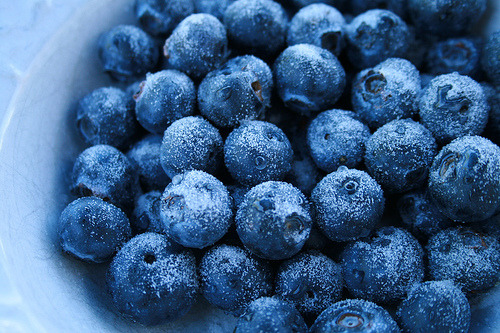
Frozen Blueberries

A cup of the fruit is packed with vitamins, antioxidants, and more than 4 grams of fiber. For a richer snack, top them with a little light whipping cream. 


Yogurt cubes

If you're an ice cream lover, try this lean alternative: Pour a homemade smoothie (like the kefir-strawberry mixture above) into ice cube trays, then freeze until slushy. 


Multigrain Pretzels

Whether in stick or twist form, pretzels are a surprisingly good alternative to chips. One ounce—about a handful—boasts just over 100 calories. To add some metabolism-revving protein, dunk 'em in yogurt.


Crackers

For a nutty snack, try Ak-mak crackers (made of stone-ground sesame seeds), multigrain Wasa crackers, or low-fat rye mini toasts. Spread on some hummus or light cheese, or eat with a small slice of lean lunch meat.


Cheese Quesadilla

Sprinkle some grated low-fat cheese, like Jarlesberg light, in between a couple of high-fiber tortillas, then crisp both sides on a cast-iron skillet or indoor grill. The healthiest cheeses have just 3-5 grams of fat per ounce. 


Popcorn

Choose 100-calorie packs of 94% fat-free microwave popcorn. Or air-pop your own. Skip the butter. Instead, raid your spice cabinet: Use lime powder for tang, cayenne pepper for heat, or a dash of cinnamon for sweetness. 


Greek Yogurt

"It's high protein, low in sugar, and can really fill you up," Villacorta says. For more flavor, mix in your own fruit, like sliced papaya. 


Dark Chocolate

The darker the better. Chocolate made with at least 70% cacao contains less sugar and more antioxidants than its milky cousin. 


Dried Figs

Three or four of the chewy, candy-like fruit should do the trick. Still hungry? Pair them with a wedge of light cheese like Laughing Cow. 


Source

Thursday, 1 October 2015

The 25 Best Diet Tricks of All Time

Back to basics

A new diet arrives, another fades away. Should eating habits really be as fleeting as fashion trends? Let's face it: The best weight-loss strategies are the ones that stand the test of time.

Here, we've gathered 25 classic tips from our favorite health and nutrition experts. These simple strategies may not be as sexy as the latest fad diet, but they're guaranteed to never go out of style.


Don't skip breakfast

"Eat breakfast. It'll energize you for the day and keep your diet in check."


Nibble, don't gobble

"Use the three-bite rule with dessert: Have three small bites and put your fork down."


Keep the burn going

"During your workout, rest no more than 30 seconds between exercises. This will dramatically bump your calorie burn."


Avoid late-night snacks

"Finish eating three hours before bedtime. Your metabolism slows down when you sleep so you shift from fat burning to fat storage."


Don't forget the dumbbells

"Increase the strength component of your workout. Adding lean muscle to your body not only tones, it also increases your metabolism."


Question your cravings

"Before you eat, ask yourself, 'Am I hungry?' Unless a craving comes from hunger, eating won't satisfy it."

Michelle May, MD, author of Eat What You Love, Love What You Eat


Don't skimp on sleep

"Get six to eight hours of sleep a night. Without it, the appetite hormone ghrelin increases, which could result in weight gain. And schedule at least two three-minute breaks during the day to practice deep-breathing exercises. It will reduce the stress hormone cortisol, which builds fat around your mid-section."

Manuel Villacorta, RD, author of Eating Free


Make your own lunch

Brown-bag it. According to a 2012 study in the Journal of the Academy of Nutrition and Dietetics, dieters who eat out for lunch even once a week lose 5 fewer pounds on average.


Train your brain

"Be specific about your weight-loss goal. The brain detects a difference between where you are and where you want to be, so when you're specific, your brain throws resources like willpower at it."

Heidi Grant Halvorson, PhD, author of The Psychology of Goals


Start with greens

"Eat in the right order. Eat vegetables first to naturally have more of them and ultimately eat fewer calories."

Dawn Jackson Blatner, RD


Use tried-and-true methods

Take your cue from dieters on the National Weight Control Registry who've lost 66 pounds (on average) and kept it off:

  • 75% weigh themselves at least once a week.
  • 78% are breakfast eaters.
  • 62% limit TV to less than 10 hours a week.

Snack away

"Eat every three to four hours so you'll be equipped to say no to temptations."

Pamela Peeke, MD, author, The Hunger Fix


Be goal-oriented

"Set a tangible goal with a firm deadline—for example, schedule an 'after' photo shoot. It will help you stay motivated."


Steel yourself

"Expect some discomfort. You're leaving your comfort zone of old eating habits. Knowing that it can be uncomfortable will help you get through it."

Anne Parker, Miraval Arizona Resort and Spa


Schedule a cheat day

"Resist cravings by postponing indulging to a future day when you're free to eat whatever you want."

Jim Nicolai, MD, Miraval Arizona Resort and Spa


Take notes

Keep a food journal. Women who do lose six pounds more on average, according to a 2012 study in theJournal of the Academy of Nutrition and Dietetics.


Use your arms

"When you are doing a treadmill workout, add arm exercises with light weights to increase your calorie burn."

Jeanette Jenkins, celeb trainer


Never shop hungry

Always grocery-shop on a full stomach with a written list and a cart (heavy baskets trigger instant-gratification decisions, research shows).


Say no to soda

"Put the soda down [and] step away. Regular soda drinking may make muscles less likely to burn fat."

Dawn Jackson Blatner, RD, via Twitter


Fill up on fiber and protein

"Enjoy so many nonstarchy vegetables, nuts, seeds, and lean proteins that you're too full for anything else."

Jonathan Bailor, author of The Science of Slim


Skip the salt and fizz

"Cut sodium and carbonation! Carbonation can bloat your stomach, making it appear distended for hours or even days! Sodium holds onto fluid."

Erin Palinski, RD


Use the apple test

"If you're not hungry enough to eat an apple, you're not hungry."

Michael Pollan, author of Food Rules


Have a carb-free afternoon

"No carbs after lunch is one of the hardest (rules) to follow. But if you follow this rule YOU WILL lose weight."

Bob Harper, trainer, via Twitter


Do the math

"Add a zero to your weight and use that to figure how many calories you should have if you're moderately active. If you weigh 140 pounds, aim to eat 1,400 calories."

Jackie Newgent, RD, author of 1,000 Low-Calorie Recipes


Walk it off

"Take a 15-minute walk after each meal to burn a quick 100 calories."

Bob Wright, Hilton Head Health spa


Comment below your thoughts and tips! Love hearing from you!

Source
http://www.health.com/health/gallery/0,,20645166,00.html

Friday, 4 September 2015

How to give snacks a nutrition boost in 7 days

A week's worth of healthy snacking made easy

How to give snacks a nutrition boost in 7 days

Monday

Blend a refreshing morning smoothie. A creamy, vitamin-rich drink can be made in minutes by blending frozen berries or a banana with three-quarters of a cup of organic, rice or almond milk and a splash of vanilla extract. For a tropical twist, add a quarter cup of coconut milk.

Tuesday

Check out the supermarket’s health-food aisle. Crackers are a handy and nutritious lunch-box snack and are available in tasty varieties such as wholegrain, brown rice, quinoa and flaxseed. Spread with a low-sugar almond, brazil or cashew nut butter, which are packed with essential fatty acids and are great brain food. 

Wednesday

Beat the afternoon sugar slump. To balance your blood sugar, try these protein balls: In a blender, mix one cup of chopped almonds or walnuts, half a cup of chopped organic dates, a quarter cup of shredded coconut and a teaspoon of cocoa powder, blend for three minutes, then roll into balls and refrigerate for a daily treat.   

Thursday

Spice up your nuts. Tamari almonds are delicious and a great source of protein. To make them, spread almonds, nuts and seeds on a baking tray, sprinkle tamari sauce (available at health-food stores) over the top and bake on a low heat for 15 minutes.

Friday

Give nachos a nutritious twist. Spread baked (not fried) corn chips on a baking dish, add a can of drained and rinsed kidney beans and a can of all-natural salsa, and sprinkle a small amount of cheddar cheese over the top. Place in a preheated oven and bake until the cheese melts.

Saturday

Have breakfast as an afternoon snack. For a quick dish that’s packed with energy and will stabilise your blood sugar, try eggs or oats. In five minutes, scramble an egg, place it in a wrap and top with natural tomato sauce. Or for something sweet, mix oats with frozen blueberries and a splash of pure maple syrup. 

Sunday

Indulge with a yoghurt sundae. For a nutritious, low-sugar treat, place a few scoops of natural yoghurt in a bowl, add berries and sliced banana around the edge and top with shredded or toasted coconut and chopped nuts. Chocolate lovers can sprinkle cocoa nibs on top.


What do you guys think? Will you try any of these snack recipes out? Let me know what you think of them?


Source
http://www.bodyandsoul.com.au/nutrition/nutrition+tips/how+to+give+snacks+a+nutrition+boost+in+7+days,29121