Showing posts with label probiotics. Show all posts

Thursday, 10 September 2015

How to choose a healthy yoghurt

Are you eating a health food or a "dairy dessert"? How to 
pick the healthiest yoghurts from the nutrition traps.


Healthy yoghurt or nutrition trap?

Yoghurt (also spelled "yogurt") is often marketed as a healthy, calcium-rich product. Yet some of the products in the supermarket fridge are closer to a "dairy-based dessert" than a health food. CHOICE decided to look behind the hype and find out how to pick the nutritious yoghurts from the products that should ring alarm bells.
At its simplest, yoghurt contains milk and live cultures (bacteria) that cause the milk to ferment, creating the distinctive sour taste. But modern commercial yoghurts tend to have extra ingredients such as sugar, cream, thickeners, gums, starches and flavours.

Low- or no-fat natural yoghurt: your healthiest option

"The healthiest yoghurt choice is low- or no-fat plain yoghurt," says Kate Gudorf, an accredited practising dietitian and spokesperson for the Dietitians Association of Australia. "But if you need to sweeten it yourself, add a teaspoon of honey or chopped fresh fruit."
If you're buying flavoured yoghurt, Gudorf recommends trying to find one with less than 12g of sugars per 100g. Natural or plain yoghurt has around 6mg of sugars per 100g due to the naturally occurring carbohydrate lactose. Anything above 6mg will be added sugar, generally in the form of fruit pieces, fruit puree, honey and sugar.
And if you're in the mood for a treat, sweetened low-fat yoghurts will generally be a better choice than a chocolate bar as they have lower saturated fat (0.2g vs 18.8g/100g) and far less sugar (12.6g vs 56.4g/100g).

Beware breakfast yoghurts
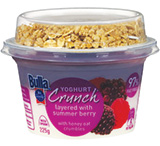
Bulla Yoghurt Crunch Summer Berry
Packaged breakfast yoghurt pots with muesli are an easy option, but the convenience can come at the cost of huge sugar levels. Bulla Yoghurt Crunch Summer Berrycontains yoghurt and muesli, and comes with a little spoon so it can be eaten on the go. The pack only lists the nutritional information per 100g serve - a deceptively low 594kJ - but the small print shows there are actually 2.25 serves in the pot.
If you can be bothered doing the numbers in the supermarket, you'd find that the 225g pot actually has a hefty 1339kJ and 42g of sugars (more than eight teaspoons). And really, who's going to divide a pot smaller than a metric cup into 2.25 serves?
The whole Bulla pot has about the same number of kilojoules as an Almond Magnum ice-cream, but three more teaspoons of sugar. However, it does at least come with 455mg calcium. That said, two cups of skim milk will give you 605mg calcium for only 735kJ and 25g sugars.
Slightly less sugar-laden is the Ski Double Up Yoghurt, with 983kJ and 25.6g sugar per pot. Vaalia Breakfast To Go is a marginally better choice with 825kJ and 20g sugar per pot. Both sensibly treat one pot as one serve.

Going coconuts
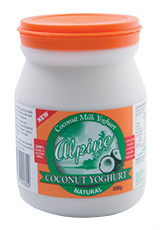
Alpine Coconut YoghurtThe passion for all things coconut (for example, coconut oil and coconut water) has spread to the yoghurt aisle with Alpine Coconut Yoghurt. Just like coconut oil, coconut milk yoghurt is a high-kilojoule, high-fat, low-calcium choice. Compared to full-fat milk-based yoghurts it has double the kilojoules, with 785kJ per 100g and a whopping 11.5g of saturated fat - three times more than the full-fat yoghurt we looked at.
Coconut milk has about 4mg calcium per 100g (compared with 193mg for regular yoghurt), and there's no calcium listed on the package so we assume no extra calcium has been added.

Serving size

Gippsland Dairy Blueberry Twist yoghurt
The Australian Guide to Healthy Eating says a serve of yoghurt is ¾ cup or 200g. If you want a yoghurt to eat on the go, look for a pot that's 200g or less. Buying an individual serve pot as big as the 300g Gippsland Dairy Blueberry Twist will mean you'll be scoffing down 50.7g sugars (10 teaspoons) and 1833kJ. A 'between meals' snack should have no more than 600kJ.

Calcium content

bornhoffen natural yoghurt
Calcium is a major health drawcard, but we found wide variations in calcium levels - from about 98mg per 100g (Chobani) to 206mg (Bornhoffen). "This comes down to the difference in processing methods," says Gudorf, "as some manufacturers add extra milk solids, which add calcium. Others, such as strained Greek yoghurt, remove liquid whey, which reduces calcium levels."
Although yoghurt can be a good source of calcium, it's unlikely to meet your total daily requirement. It's recommended that adults consume 1000-1300mg daily.
For children, the recommendations are:
• 1-3 years - 500mg calcium
• 4-8 years - 700mg calcium
• 9-11 years - 1000mg calcium.
Although the "squeezy" yoghurt pouches for babies and kids are all the rage and look very similar in size and design with similar sugar levels, there's a big difference in calcium levels.
Woolworths' Mini Macro Organic yoghurts don't even list calcium content on their pack. Other products range from 132mg per 100g (Gippsland Mini Organics), 168mg (Paul's Dora) and 220mg (Coles) to a healthy 350mg for the Yoplait Petit Miam pouch.

Pester-power desserts

YoGo Mix Choc Chips
Be aware when choosing kids' yoghurt that sugary dessert products can appear on the shelves alongside healthier offerings. We found YoGo Mix Choc Chips, which doesn't contain any yoghurt but has 1090kJ and 29.9g sugar per 150g pot, in the same section as the 140g Vaalia Kids Strawberry Yoghurt (515kJ/15.5g sugars).
As most products aimed at kids have classic pester-power characteristics - bright packaging splashed with recognisable cartoon characters or cutesy images - it's very easy for any harried parent to grab a package your child likes the look of without checking the ingredients and sugar levels. A product that has the word "dessert" on the packaging should ring alarm bells.

Beginner's guide to yoghurt (or yogurt)

Greek yoghurt

Made by straining out the liquid whey, leaving the yoghurt thick and creamy, the association with the Mediterranean diet tends to give Greek yoghurt a healthy image. And although some brands can have higher protein, Greek yoghurt can also have higher saturated fat (up to 7g compared with around 4g for plain yoghurt), which helps make it thick and creamy.
The removal of the whey also means Greek yoghurt often has lower calcium levels. Some brands also add cream, but this is not a traditional ingredient. Yoghurts must conform to food standards pertaining to claims like "low fat", however there are no regulations in Australia specifying that a particular style of yoghurt, such as Greek, has to be made in a certain way or contain particular ingredients.

Greek-style

Not strained and often containing thickeners such as cream, milk solids, gelatine and gums, which are added to create a creamy texture.

Pot set

Milk and live cultures are added straight to the pot, which, makers claim, means thickeners such as gelatine need not be added.

Natural or plain yoghurt

Yoghurt without flavouring or added sugar.

Lactose-free yoghurt

Made by adding an enzyme during processing that breaks down the lactose into simple sugars, so it's safe for those who are intolerant to lactose.

Pouring yoghurt or yoghurt milk

Has the same ingredients as thick yoghurt but is thinner and designed to be poured over cereal or drunk by itself.

Kefir yoghurt

Traditionally made by adding fermented kefir grains to room-temperature milk. Commercial powdered kefir starters are often used these days.

Biodynamic

An ethical-ecological approach to agriculture that focuses on the relationship of soil, plants and animals. Like organic, it emphasises sustainability and does not involve chemicals in production.

Are "friendly bacteria" (aka probiotics) effective in yoghurt?

Probiotics are "friendly" bacteria that can help restore the balance of microflora in the gut if it's been upset by disease, stress, poor diet or antibiotics. In a healthy bowel, these bacteria fend off harmful microorganisms, aid digestion and nutrient absorption, and contribute to immune function.
Evidence of the benefits of probiotics in yoghurt has been difficult to validate scientifically. In the EU, use of the word "probiotics" has been banned on packaging as the word implies a health benefit, although individual strains of bacteria may be mentioned.
In 2008, a class-action lawsuit in the US claimed Danone overstated the health benefits of its Activia yoghurt by claiming it could strengthen the body's defences or regulate digestion because of bacteria it contained. Danone settled out of court for $US35 million and changed the wording on its packaging.
To avoid falling foul of health claim regulations and still be able to spruik the benefits of probiotics, food companies use vague, pseudo scientific-sounding language and fancy trademarked names such Danone's "Bifidus ActiRegularis" (its scientific name is actually B. lactis DN-173010).
The packaging claims its bacteria "can help to improve digestive discomfort such as a bloated feeling" and is accompanied by a funny little diagram. But this health benefit is conditional on eating 250g of the yoghurt each day over four weeks as "part of a varied diet and health lifestyle".
There is no guarantee that the bacteria survives in the yoghurt to colonise the gut. "The trouble with probiotics is there are many factors that affect whether the bacteria survives," says Gudorf. "For those products that do list the number of probiotic cultures on the packaging, that number reflects the amount of bacteria added at the time of production. But bacteria can be affected by storage, air, light and moisture, and there is no guarantee that the bacteria survives in the yoghurt to colonise the gut."
If conditions are right and the bacteria survives, you'd need to eat 100 million colony-forming units (CFU) regularly every day to increase the activity of good bacteria. And, says Gudorf, probiotics by themselves are not enough to increase the activity of good bacteria. You should also eat 10g per day of prebiotics, which are non-digestible carbohydrates that act as food for the good bacteria.
"Don't eat yoghurt just to get probiotics," advises Gudorf. "If you're concerned about IBS ( irritable bowel syndrome) or bloating see a dietitian who specialises in gut health who can set up a diet plan and direct you to the correct bacteria strain."
To maximise your probiotic benefits, look for yoghurts that have at least 100 million CFUs. Some yoghurts mention the names of the cultures but don't list how much it contains, so you have no idea how much - or how little - bacteria is in the product.
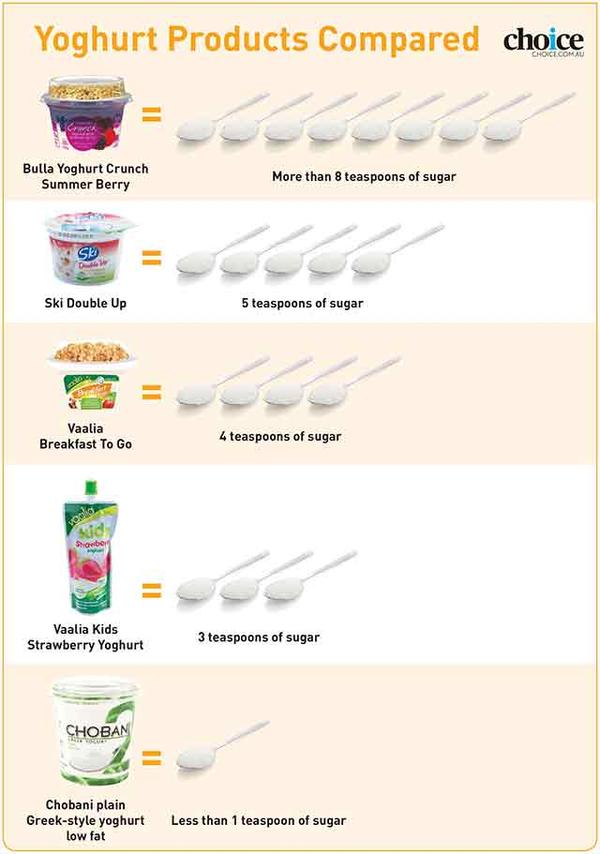
comarison of yoghurts with sugar content


Source
https://www.choice.com.au/food-and-drink/dairy/yoghurt-and-ice-cream/articles/how-to-choose-a-healthy-yoghurt

Wednesday, 9 September 2015

Surprising Probiotic Foods For a Flat Stomach

Want to shrink your belly? Start eating bugs. This isn’t a Fear Factor flashback: Probiotics, the helpful good bacteria in your digestive tract, play an essential role in maintaining a healthy weight.
When your good gut bugs are depleted, bad bacteria take over, causing inflammation. That switches on your fat genes, leading you to gain more weight than someone eating the same amount of food and spending the same amount of time in the gym. In fact, overweight men and women were put on a calorie-restricted diet and given either a placebo or a probiotic supplement for 12 weeks, in a study published in the British Journal of Nutrition. Women who consumed the good bugs showed significantly higher weight loss. Twelve weeks later, the women kept losing weight, even if they’d stopped taking the supplements!
Probiotics are found largely in fermented foods, and the MVPs usually mentioned are yogurt, kefir and kimchi. But probiotic sources go way beyond breakfast and Korean BBQ; you can consume them as part of a wide variety of meals and snacks. Here are some of the best options for a flat stomach.
1
DARK
CHOCOLATE

probiotic foods dark chocolate

Dark chocolate is a dietary white knight. Chocolate-loving microbes in the gut convert the candy into anti-inflammatory compounds, researchers at the American Chemical Society found. When the cocoa reaches your belly’s digestive juices and enzymes, it’s feasted on by your belly’s good gut bugs, which ferment it into anti-inflammatory compounds. Bingo: You lose belly bloat. (Dark chocolate also dilates blood vessels to lower blood pressure, which can lower your risk of stroke.) Look for a cacao content of 70 percent or above. The ACS researchers said the amount that seems to be beneficial is the equivalent of two tablespoons of cocoa powder a day, or three-quarters of an ounce of a chocolate (one square is about 1 ounce).
2
GREEN
PEAS

probiotic foods green peas

Spinach and kale have a bit of competition for green veg of the moment. But the dark horse of this drag race is the humble green pea. Japanese researchers found that green peas contain Leuconostoc mesenteroides, a potent probiotic that stimulates your immune system, in a 2014 study published in the Journal of Applied Microbiology. The peas produce lactic acid bacteria that protects the mucosal barrier, a.k.a. the body’s second skin, which runs through your digestive tract and is the first line of defense against bad bugs and toxins. Make sure to skip soggy, salty canned peas and add fresh ones to your salads and omelets, or snack on them fresh.
3
SPIRULINA


probiotic foods spirulina

This blue-green alga, available in powders and supplements, is super-rich in protein: It contains all necessary amino acids. Research into its probiotic properties is preliminary but promising. A study published in World Journal of Dairy and Food Sciences found spirulina effective in growing cultures of the helpful bug Lactobacillus acidophilus while killing harmful gut bacteria. Separate Japanese research found that it reduced diabetic kidney disease in rats, and a 2015 study printed in the journal Phytomedicine found it protected mice from H1N1 flu infection. And the green stuff may be able to flatten your belly by burning fat during exercise. Nine moderately athletic men took either spirulina capsules or a placebo for four weeks in a study printed in Medicine & Science in Sports & Exercise. Afterward, the men who had taken spirulina supplements were able to run 30 percent longer than the men who had taken a placebo and burned 11% more fat during a run!
4
SAUERKRAUT


probiotic foods sauerkraut

Although sullied by its association with hot dogs, sauerkraut is fermented cabbage, and it contains natural compounds that have potent cancer-fighting and belly-slimming properties. Unpasteurized sauerkraut is rich in probiotic Lactobacillus bacteria — it even has more than yogurt! — which boosts the healthy flora in the intestinal tract and bolsters your immune system. But it will also boost your overall health: Mice fed this strain of bacteria isolated from Chinese sauerkraut had reduced cholesterol levels, in a study published in the World Journal of Microbiology and Biotechnology. And one cup packs 34% of your daily recommended dose of vitamin C and a solid, satiating 4 grams of fiber. Sauerkraut on the shelf will have been pasteurized and is, therefore, less effective; look for “live and active cultures” on the label.
5
GREEN
OLIVES

probiotic foods green olives

These little green buggers have come a long way from their days as an unsung bar food: Lactobacillus plantarum and Lactobacillus pentosus have been isolated in olives, fed by the brine in which they’re soaked. And L. plantarumshows great potential for getting you that flat stomach you’re after: This strain can balance your gut bugs and decrease bloating, particularly in people with irritable bowel syndrome, according to the American Society for Clinical Nutrition.

Comment below what you think! I love hearing your feedback!


Source
http://www.eatthis.com/surprising-probiotic-foods-for-flat-stomach

Wednesday, 25 March 2015

Weight loss tips and tricks


Give Up Milk!

This Tip is SO IMPORTANT!  As you may have read in the protein section of my healthy eating overview, Milk is an absolute NO NO!  It is one of the WORST food items for our system, completely bringing our digestion to a halt!  We all need to understand that the myths we have been taught our entire lives about needing Milk for strong bones, Calcium to prevent Osteoporosis and keep us healthy and completely FALSE!  Just as animals are weened from their mothers’ milk, humans have no need for milk after puberty.  There are many other ways to get our daily allowance of Calcium that are much healthier and provide much more Calcium for our bodies.

Learn The SUPERFOODS! 

There are certain food items that can really boost your Metabolism and supercharge Weight Loss and Fat Burning!  By identifying these food items and incorporating them into your daily meal routine you can’t fail!  They are going to help clean out your digestive track, while boosting your immune system and can even do some DAMAGE CONTROL if you mess up and eat a mixture of foods that are very bad for you.   Try to plan when you go off you the eating plan a splurge if possible.  By eating a meal loaded with fiber (Whole Wheat, Spinach, Cabbage, Kale) before a splurge you will prepare your digestive track for the BAD things you are going to put in it later.  Then, after you have your Fatty Foods, wait an hour or so then eat a decent portion of yogurt rich in Probiotics.  This will help flush the extra fats through your system rapidly with less intestinal problems.

http://www.jiujitsutimes.com/blog/superfoods-do-you-know-them/

Superfoods: 

  • Almonds
  • Apples
  • Avacados
  • Beets
  • Blueberries
  • Broccoli
  • Cabbage
  • Cauliflower
  • Flaxseed
  • Green Tea
  • Kale
  • Oatmeal
  • Onions/Garlic
  • Parsley
  • Pineapples
  • Salmon
  • Spinach
  • Walnuts
  • Whole Grains
  • Greek Yogurt

Eat Fresh Foods Over Packaged Foods!

Packaged foods are loaded with additives and preservatives to give them a longer shelf life at the grocery store.  However, our bodies have no idea how to process these chemicals during digestion, so these items turn to sludge in our system when digested.  It’s like putting sugar in your cars’ gas tank.  So it is very important to start making the initiative to cook your own meals from scratch as much as possible!  With everyone’s busy lives today this may be a bit harder to do, but with some simple planning you can throw a meal together in no time.
  • Prepare large portions, then package them in single serve containers and reserve them to eat later.
  • Cook meats in advance.  Refrigerate or freeze to be used when throwing together a meal quickly. (Frozen meat thaws rapidly & evenly when the container is placed in a sink filled with hot water.)


Eat Whole Wheat/Whole Grains Before Physical Exercise! 

Studies have been done on the effects of eating whole wheat then preforming a physical activity and researchers found that you will actually double your fat burning capabilities if you ingest whole wheat around an hour before becoming physically active.  Also, whole grains give us a slower and longer release of energy which will allow us more stamina for physical activity.

Never Shop For Food On An Empty Stomach!


Shopping hungry can cause us to make many more impulse buys at the grocery store that can sabotage our healthy eating plan.  Instead, eat a nice meal or snack before you shop, preferably containing the Whole Grains I just talked about, which will turn your simple shopping trip into a double fat-burning workout!  Think about it…your walking all over, your pushing something heavy around a large area and it will typically take you 45 mins to an hour to complete.  Then, once you get home you have to haul everything in the house and put it away!

Chew Your Food Slowly!

Eating slowly gradually reduces the appetite from the time you begin to eat.  It takes the brain about 15-20 minutes to start signaling feelings of fullness.  So if you eat slower, you end up eating less.
Also, it is well known that digestion begins in the mouth, where the saliva is mixed with the food and starts to break it down into smaller chemicals that can be absorbed and nourish the body.  Chewing thoroughly promotes smooth, complete digestion.  Basically the slower you eat, the faster and more efficiently you metabolize the food.  When food is swallowed whole it makes it more difficult for the body to absorb all the important vitamins, minerals, and amino acids.  So if you can, chew your food to almost a liquid consistency.

Drink Fluids an Hour or Two After Meals! 

It helps to minimize drinking water and other fluids while eating.  Drinking fluids can cause dilution of the stomach acids and digestive enzymes, making them less effective at breaking down food.  Whenever possible, it is best to drink fluids before and one to two hours after meals.  Reducing the amount of salt and spices added to foods is helpful in reducing the need to drink fluids with meals.

Make Drinking Water A Habit!

In between meals, and as much as you can during your day, drink water.  If you get tired of plain water, you can get a zero calorie water flavoring like Crystal Light which is very handy and tasty.  Just add a packet to a bottle of water and you will have a zero calorie drink in any flavor you like.  Drinking plenty of water keeps you hydrated which is extremely important for healthy skin,  good digestion & improved waste removal.   To calculate how much water you should drink in day, take your weight and divide by 2, that will give you the number of fluid ounces you should drink.  So if you weigh 140 pounds divide that by 2, leaving 70, so you would need to drink 70 ounces of water per day.

 
http://www.twinfilter.com/main-markets/water/drinking-water-desalination/drinking-water-systems

Drink Green Tea! 

Green tea contains high concentrations of “Catechin Polyphenols”.  These compounds work with the chemicals in our body to intensify “Thermogenesis”, (the body’s rate of burning calories) meaning it causes heat to be created in the body by burning body fat.  Drinking Japanese green tea regularly will increase your metabolism and help burn fat safely and naturally.  We gain weight when excess sugars and fats are stored in our fat cells.  Green tea “Catechins” can help prevent obesity by inhibiting the movement of glucose into fat cells.  It has also been proven that Green Tea lowers Cholesterol.

Avoid Drinking Carbonated Pop & Soda!


Studies for years have suggested a link between drinking soda and obesity. Soft drinks are high in sugar and calories and have no nutritional value.  More than not, soda causes most drinkers to pack on the pounds without receiving even the smallest nutritional benefit.  And it is no better for you to consume diet soda as an alternative, because it has been linked to weight gain as well.   Soft drinks are made up mainly of chemicals, that again, our bodies do not know how to process.

Avoid Alcohol!

I’m not saying to never drink a cocktail again, but Alcohol slows the metabolism down and it kills off the good bacteria in our intestines, so it should always use it in moderation.  It would be a best case scenario to only have cocktails on the weekends.  But if you are going to partake in a drink during the week you should only have ONE glass and the best for you being a Red Wine.

Eat Greek Yogurt and Kefir!

I can’t say this enough, this is something we should all use religiously. Probiotics in yogurts are “Friendly Bacteria” that are naturally present in the digestive system. Research has been done, showing the evidence that some strains of probiotics can help boost the immune system and promote a healthy digestive tract.  One type of Greek yogurt I am very impressed with is FAGE Total 0% Plain Greek Yogurt, as it contains live strains of this “good bacteria”, is low in calories & fat, and tastes wonderful when used in recipes or eaten alone.
Another dairy product known as Kefir, is the grains of cultured the milk, infused with healthy organisms, that help support the digestive system and prevent the growth of harmful bacteria in the intestines. Lifeway Kefir Smoothies pack billions of good bacteria into delicious drinkable yogurt smoothies that come in many wonderful flavors.
These items should be consumed daily because only a small amount of the bacteria can withstand the acidity of our stomachs,and make it to the intestines.  Not to mention, the bacteria will pass through your digestive system within a day or two, so to ensure that there are plenty in your intestines at all times, you should have some yogurt or kefir every day.

Other Ways Of Getting More Probiotics

GoodBelly Probiotic Juices are another beneficial source of these “Good” bacteria, and unlike yogurt or kefir, they are totally Vegan.

Use Lots Of Parsley!

Most people don’t think of Parsley as more than a decorative garnish, but is benefits are huge!  Parsley contains a whole range of healthy vitamins which all aid healthy digestion.
  • Beta Carotene which is converted by the body into Vitamin A.  This nutrient helps eyesight and protects the liver, colon and lungs.  Next to carrots and sweet potatoes, parsley is one of the best natural sources of beta-carotene.
  • It contains chlorophyll which helps to fight bacteria and fungus, suppress viruses and aids the lungs in expelling environmental pollutants.
  • Folic acid in parsley can help prevent heart disease by strengthening blood vessels.
  • It is a great source of iron, which helps to fight anemia, it also is 20% protein.
  • Lastly also contains many other vitamins and minerals that help to strengthen your immune system purify your blood and keep your body healthy and strong.  Excellent for women who experience frequent yeast infections, if eaten or used in tea, Parsley can help clear up and infection and calm the side affects within hours.

Learn To “Damage Control” Eat! 

If you know you are going to eat a poorly such as, go out to a dinner of fried foods or mix red meats with carbohydrates, consume a large amount of alcohol, binge on sweets/fats or all of the above…eat a meal or two ahead of time that is loaded with some Superfoods (listed above) to help lessen the effects of your splurge.  Drinking Green Tea before and after a heavy night of drinking can be incredibly helpful in cleansing your system of the toxins from the alcohol and lessen a hangover.  Eating yogurt or ingesting a decent amount of probiotics before and after eating poorly, will help remove the bad items from your system.  Eating a meal enriched with Spinach, Kale, Broccoli or Cabbage will help rid your body of the bad items as well, keeping your system running smoothly after your binge.

SOURCE:
http://thescienceofeating.com/food-combining-how-it-works/tips-tricks/