Showing posts with label sugar cravings. Show all posts

Saturday, 10 October 2015

The Truth About Sugar Addiction

Sugar Detox: Hype or Hope?

A trendy sugar detox diet promises to end your craving for sweets and help you lose weight. But does it work? Here's the truth about sugar cravings and how to tame your sweet tooth.


Can You Really Be Hooked on Sugar?

Some people use sugary foods in ways that aren't healthy, even though it may not be an actual addiction. Some signs: You crave sugar, lose control, and eat more than you planned.

Your Brain on Sugar

Sugar fuels every cell in the brain. Your brain also sees sugar as a reward, which makes you keep wanting more of it. If you often eat a lot of sugar, you're reinforcing that reward, which can make it tough to break the habit.

Quick Sugar Highs ...

Why do you get a rush when you eat a midday candy bar? The sugar in it -- called a simple carbohydrate -- is quickly turned into glucose in your bloodstream. Your blood sugar levels spike. Simple carbs are also found in fruits, veggies, and dairy products. But these have fiber and protein that slow the process. Syrup, soda, candy, and table sugar don't.


… And Sugar Lows

Your body needs to move glucose out of the bloodstream and into your cells for energy. To do this, your pancreas makes insulin, a hormone. As a result, your blood sugar level may have a sudden drop. This rapid change in blood sugar leaves you feeling wiped out and shaky and searching for more sweets to regain that sugar "high." So that midday candy bar has set you up for more bad eating.

Starch Can Equal Sugar

Think you don't have a sweet tooth, but crave bagels, chips, or french fries? These starchy foods are complex carbs that the body breaks down into simple sugars. Eaten without better foods, starches can make blood sugar surge and crash like sugar. White rice, white flour, and potatoes do this. Highly refined starches like white bread, pretzels, crackers, and pasta are worst.

Do Sugar Detox Diets Work?

Can you beat your sugar habit by quitting cold turkey? Some sugar detox plans urge you to avoid all sweets. That means all fruit, dairy, and refined grains. The idea is to purge your system of sugar. Diet changes like this are too drastic to keep up. Changes that you can do only for the short term mean you'll fall back to your old habits.

Retrain Your Taste Buds

You don't need sugar as much as you think you do. In fact, you can train your taste buds to enjoy things that aren't as sweet. Try cutting out one sweet food from your diet each week. For example, pass on dessert after dinner. Start putting less sugar in your coffee or cereal. Over time, you will lose your need for that sugar taste.


Choose Good-for-You Sweets

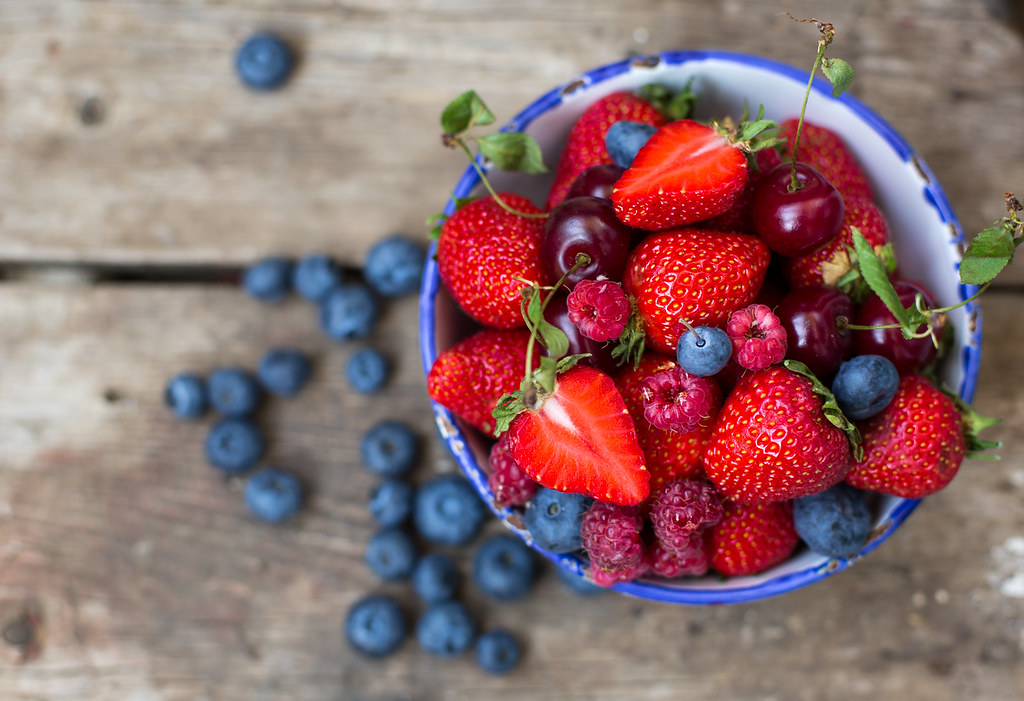
You don't have to give up sweetness. Just get it from other sources. Try fresh berries or pureed fruit on oatmeal instead of sugar. Explore fruit that's dried, frozen, or canned (without too much added sugar). A glass of low-fat milk or low-sugar yogurt can help.


Kick the Habit in Baby Steps

If you make small, simple changes to your diet, it's easy to keep them up. Start by eating more fruits and vegetables. Drink extra water. Check food labels, and pick those that don't have a lot of sugar. Cut out a little bit of sugar each week. After a few weeks, you'll be surprised at how little you miss it.


Let Protein Help

Eating protein is an easy way to curb sugar cravings. High-protein foods digest more slowly, keeping you feeling full for longer. Protein doesn't make your blood sugar spike the way refined carbs and sugars do. Pick proteins like lean chicken, low-fat yogurt, eggs, nuts, or beans.


Fill Up on Fiber

Fiber helps fight a sugar itch in many ways. First, it keeps you full. High-fiber foods also give you more energy. Because they don't raise your blood sugar, there's no hungry crash after. Choose fruits, vegetables, and whole grains. Or smear some peanut butter on an apple for a protein/fiber combo.


Get Outside

Exercise can help wipe out those sugar cravings and change the way you eat in general. You start to feel better and want healthier foods. Do what you like, such as walking, riding your bike, or swimming. Start out slow, and work toward at least 30 minutes at a time, 5 days a week.


Can Artificial Sweeteners Help?

Some studies suggest artificial sweeteners may leave you craving more sugar. That could make it harder to control your weight. The problem is, some experts say, that artificial sweeteners don't help you break your taste for sweets. Pay attention to your body. Are sweeteners making you crave even more sugar? If so, look elsewhere for that sweet taste.


Limit the 'Healthy' Sugars, Too

Honey, brown sugar, and cane juice may sound healthy. But sugar is sugar. Whether it comes from bees or sugar cane, it can cause your blood sugar to rise. Honey and unrefined sugars are slightly higher in nutrients, but their calories still count.


How Much Sugar Is Too Much?

If you're like most people in the U.S., you eat 19 teaspoons or more of added sugar a day. That adds up to 285 calories, which health experts say is way too much. How much sugar should you be eating? No more than 6 teaspoons daily for women. That's 100 calories. Men should get a max of 9 teaspoons. That's 150 calories.


Sugar by Any Other Name

You don't always see the word "sugar" on a food label. It sometimes goes by another name, like these:
  • Agave nectar
  • Brown rice syrup
  • High-fructose corn syrup
  • Dextrose
  • Evaporated cane juice
  • Glucose
  • Lactose
  • Malt syrup
  • Molasses
  • Sucrose
Watch out for items that list any form of sugar in the first few ingredients, or have more than 4 total grams of sugar.


Scout Out Hidden Sugar

Sugar can hide in foods where you least expect it. Although they don't seem sweet, ketchup, barbecue sauce, and pasta sauce can have loads of sugar. So can reduced-fat salad dressings, bread, baked beans, and some flavored coffees. Get in the habit of reading labels. Filter out high-sugar foods before they hit your shopping cart.


Does Sugar Cause Diabetes?

Sugar itself doesn't cause diabetes. But lots of sugar splurges can point you there. Too much of anything, including sugar, can pack on pounds, for one thing. Heavy bodies have a harder time using insulin, the hormone that controls blood sugar. When your body resists insulin, blood sugar and your risk of diabetes go up.


How much sugar is in your diet? Do you indulge a little too much? What strategies do you implement to help divert you from snacking on sugary, high-cal foods? Comment below!


Source
http://www.webmd.com/diet/ss/slideshow-sugar-addiction
Reviewed by Michael W. Smith, MD on /2, 14 1

Monday, 7 September 2015

Why stress causes people to overeat

There is much truth behind the phrase “stress eating.” Stress, the hormones it unleashes, and the effects of high-fat, sugary “comfort foods” push people toward overeating. Researchers have linked weight gain to stress, and according to an American Psychological Association survey, about one-fourth of Americans rate their stress level as 8 or more on a 10-point scale.
In the short term, stress can shut down appetite. A structure in the brain called the hypothalamus produces corticotropin-releasing hormone, which suppresses appetite. The brain also sends messages to the adrenal glands atop the kidneys to pump out the hormone epinephrine (also known as adrenaline). Epinephrine helps trigger the body’s fight-or-flight response, a revved-up physiological state that temporarily puts eating on hold.
But if stress persists, it’s a different story. The adrenal glands release another hormone called cortisol, and cortisol increases appetite and may also ramp up motivation in general, including the motivation to eat. Once a stressful episode is over, cortisol levels should fall, but if the stress doesn’t go away — or if a person’s stress response gets stuck in the “on” position — cortisol may stay elevated.

Fat and sugar cravings

Stress also seems to affect food preferences. Numerous studies — granted, many of them in animals — have shown that physical or emotional distress increases the intake of food high in fat, sugar, or both. High cortisol levels, in combination with high insulin levels, may be responsible. Other research suggests that ghrelin, a “hunger hormone,” may have a role.
Once ingested, fat- and sugar-filled foods seem to have a feedback effect that inhibits activity in the parts of the brain that produce and process stress and related emotions. These foods really are “comfort” foods in that they seem to counteract stress — and this may contribute to people’s stress-induced craving for those foods.
Of course, overeating isn’t the only stress-related behavior that can add pounds. Stressed people also lose sleep, exercise less, and drink more alcohol, all of which can contribute to excess weight.

Gender differences

Some research suggests a gender difference in stress-coping behavior, with women being more likely to turn to food and men to alcohol or smoking. And a Finnish study that included over 5,000 men and women showed that obesity was associated with stress-related eating in women but not in men.
Harvard researchers have reported that stress from work and other sorts of problems correlates with weight gain, but only in those who were overweight at the beginning of the study period. One theory is that overweight people have elevated insulin levels, and stress-related weight gain is more likely to occur in the presence of high insulin.
How much cortisol people produce in response to stress may also factor into the stress–weight gain equation. In 2007, British researchers designed an ingenious study that showed that people who responded to stress with high cortisol levels in an experimental setting were more likely to snack in response to daily hassles in their regular lives than low-cortisol responders.

Steps to counter stress snacking

When stress affects someone’s appetite and waistline, the individual can forestall further weight gain by ridding the refrigerator and cupboards of high-fat, sugary foods. Keeping those “comfort foods” handy is just inviting trouble.
Here are some other suggestions for countering stress:
Meditation. Countless studies show that meditation reduces stress, although much of the research has focused on high blood pressure and heart disease. Meditation may also help people become more mindful of food choices. With practice, a person may be able to pay better attention to the impulse to grab a fat- and sugar-loaded comfort food and inhibit the impulse.
Exercise. Intense exercise increases cortisol levels temporarily, but low-intensity exercise seems to reduce them. University of California researchers reported that exercise — and this was vigorous exercise — may blunt some of the negative effects of stress. Some activities, such as yoga and tai chi, have elements of both exercise and meditation.
Social support. Friends, family, and other sources of social support seem to have a buffering effect on the stress that people experience. For example, research suggests that people working in stressful situations, like hospital emergency departments, have better mental health if they have adequate social support. But even people who live and work in situations where the stakes aren’t as high need help from time to time from friends and family.


Source
http://www.health.harvard.edu/newsletter_article/why-stress-causes-people-to-overeat
Reference
Adams CE, et al. “Lifestyle Factors and Ghrelin: Critical Review and Implications for Weight Loss Maintenance,” Obesity Review (May 2011): Vol. 12, No. 5, electronic publication.
Manzoni GM, et al. “Can Relaxation Training Reduce Emotional Eating in Women with Obesity?”Journal of the American Dietetic Association (Aug. 2009): Vol. 109, No. 8, pp. 1427–32.
Mathes WF, et al. “The Biology of Binge Eating,” Appetite (June 2009): Vol. 52, No. 3, pp. 545–53.
Spencer SJ, et al. “The Glucocorticoid Contribution to Obesity,” Stress (Feb. 6, 2011): Vol. 14, No. 3, pp. 233–46.
Vicennati V, et al. “Stress-Related Development of Obesity and Cortisol in Women,” Obesity(Sept. 2009): Vol. 17, No. 9, pp. 1678–83.

Friday, 21 August 2015

5 steps to end sugar cravings

Find yourself searching for “something sweet” morning, noon and night? It’s time to take control and eliminate that longing forever. Naturopath Janella Purcell explains how

5 steps to end sugar cravings


You know the drill – you eat lunch, then soon after you’re heading for the vending machine for a chocolate bar. Or you need another coffee with sugar at 3pm. And how many of us are thinking about dessert before we’ve even finished (or ordered) dinner? Why does this happen, and how can you take back control of your sugar intake?

1. Cut the salt

The first step to reducing sugar cravings is to eat less salt as salty foods make us crave sweet foods. Think about when you eat a pizza or sushi with lots of soy sauce – we usually want alcohol or a soft drink with it, or a chocolate gelato straight afterwards.

2. Deal with candida

If you’re battling a sugar addiction, it’s worth investigating if you have an overgrowth of the yeast candida in your gut. This can cause a strong desire to eat sweet foods as the yeast feeds off sugar. 
Signs of an overgrowth, or yeast infection as it’s often called, include being bloated, tired or cranky, and having skin problems or fungal infections such as thrush or tinea.
It’s easy to get and can be easy to pass on through physical contact. Anything that puts your gut bacteria or flora out of balance will cause it, such as taking the contraceptive pill, antibiotics, vomiting, stress and consuming too many sweet things. 
Treat candida by taking a good broad-spectrum probiotic, enjoying manuka honey, trying herbal medicines such as pau d’arco and horopito (available from a herbalist or health food store), and avoiding alcohol, refined grains and any foods that are high in sugar.

3. Chew mindfully

Chewing properly and mindfully is vital. Complex carbohydrates – such as fruit and vegetables, whole grains, nuts and seeds and legumes – have a sweet flavour that’s only released if they’re thoroughly chewed. Getting your sweet hit from these foods is far more nutritionally beneficial than eating handfuls of lollies or a donut.
Chewing also helps you assimilate the nutrients in your food; wolfing down a meal means you miss out on all that goodness, leaving you tired and a bit off, which is likely because you’re malnourished. And guess what you’ll crave then? Sugar.

4. Get sweet support

You may need some sweet support while you’re going through sugar withdrawal. Try the herb gymnema, which closes the tastebuds that detect sweet flavours and helps balance blood sugar levels, reducing your cravings. Ginseng and fenugreek can also help balance your blood sugar and take the edge off cravings. 
Supplement with chromium picolinate, which balances blood sugar, and try stevia, a herb that’s 300 times sweeter than sugar and is readily available in a powder form. 

5. Find a replacement

There’s no need to feel guilty about wanting something sweet. It’s a flavour like any other – sour, pungent, bitter, salty and astringent – and they all need to be included in our diet.
Depriving yourself only leads to bingeing, and that’s what we’re trying to avoid. Instead, choose to eat complex sweeteners as a substitute to refined ones. Try ingredients such as maple, raw agave or brown rice syrup, raw honey and other complex sugars such as rapadura, muscovado and coconut palm sugar. 
Yacon, a syrup derived from a South American root veg, is available from health food stores. It’s low GI so it has little impact on blood sugar levels, and it’s also a natural prebiotic, which helps improve gut health
When it comes to chocolate, there’s no need to avoid it, just choose one that’s 70 or 80 per cent cocoa, raw and organic. It’s still high in sugar, so eat it sparingly, and enjoy it. 

Are you a worrier?

The effect our emotions have on our health is becoming more known. According to traditional Chinese medicine, a sweet flavour is associated with the spleen and stomach, and this is where we store worry and obsessive thoughts. If you go over and over things in your mind, you’re using up a lot of energy and that needs to be replaced, often by something sweet. This craving could be for sweet treats or a wine at the end of the day. Try to take time out for yourself daily, and ease stress with activities such as yoga and meditation.
Comment below what you think of this article. Did you find it helpful? Let me know x

Source
http://www.bodyandsoul.com.au/weight+loss/lose+weight/5+steps+to+end+sugar+cravings+,37273

Wednesday, 19 August 2015

13 Ways to Fight Sugar Cravings

Sweet tooth raging out of control? Here's how to tame those sugar cravings.

Does that morning Danish leave you craving another treat two hours later? Do you grab a candy bar to cope with your afternoon slump -- and then reach for a cola to get out of your post-slump slump?
If you’ve found that munching sugary snacks just makes you crave more sugary snacks, you’re not alone. Eating lots of simple carbohydrates -- without the backup of proteins or fats -- can quickly satisfy hunger and give your body a short-term energy boost, but they almost as quickly leave you famished again and craving more.
How can you stop sugar cravings once and for all? Here's expert advice.

Why Do We Crave Sugar?

There are many reasons why we go for sweet things.
That appetite may be hardwired. "Sweet is the first taste humans prefer from birth," says Christine Gerbstadt, MD, RD, a dietitian and American Dietetic Association (ADA) spokeswoman. Carbohydrates stimulate the release of the feel-good brain chemical serotonin. Sugar is a carbohydrate, but carbohydrates come in other forms, too, such as whole grains, fruits, and vegetables.


The taste of sugar also releases endorphins that calm and relax us, and offer a natural "high," says Susan Moores, MS, RD, a registered dietitian and nutrition consultant in St. Paul, Minn.
Sweets just taste good, too. And that preference gets reinforced by rewarding ourselves with sweet treats, which can make you crave it even more. With all that going for it, why wouldn’t we crave sugar?
The problem comes not when we indulge in a sweet treat now and then, but when we over-consume, something that’s easy to do when sugar is added to many processed foods, including breads, yogurt, juices, and sauces. And Americans do over-consume, averaging about 22 teaspoons of added sugars per day, according to the American Heart Association, which recommends limiting added sugars to about 6 teaspoons per day for women and 9 for men.

How to Stop Sugar Cravings: 

8 Tips to Use Right Now

If you're craving sugar, here are some ways to tame those cravings.
  • Give in a little. Eat a bit of what you’re craving, maybe a small cookie or a fun-size candy bar, suggests Kerry Neville, MS, RD, a registered dietitian and ADA spokeswoman. Enjoying a little of what you love can help you steer clear of feeling denied. Try to stick to a 150-calorie threshold, Neville says.
  • Grab some gum. If you want to avoid giving in to a sugar craving completely, try chewing a stick of gum, says nutrition advisor Dave Grotto, RD, LDN. "Research has shown that chewing gum can reduce food cravings," Grotto says.

  • Combine foods. If the idea of stopping at a cookie or a baby candy bar seems impossible, you can still fill yourself up and satisfy a sugar craving, too. "I like combining the craving food with a healthful one," Neville says. "I love chocolate, for example, so sometimes I’ll dip a banana in chocolate sauce and that gives me what I’m craving, or I mix some almonds with chocolate chips." As a beneficial bonus, you'll satisfy a craving and get healthy nutrients from those good-for-you foods.
  • Go cold turkey. Cutting out all simple sugars works for some people, although "the initial 48 to 72 hours are tough," Gerbstadt says. Some people find that going cold turkey helps their cravings diminish after a few days; others find they may still crave sugar but over time are able to train their taste buds to be satisfied with less.
  • Reach for fruit. Keep fruit handy for when sugar cravings hit. You'll get fiber and nutrients along with some sweetness. And stock up on foods like nuts, seeds, and dried fruits, says certified addiction specialist Judy Chambers, LCSW, CAS. "Have them handy so you reach for them instead of reaching for the old [sugary] something."
  • Get up and go. When a sugar craving hits, walk away. "Take a walk around the block or [do] something to change the scenery," to take your mind off the food you’re craving, Neville suggests.
  • Choose quality over quantity. "If you need a sugar splurge, pick a wonderful, decadent sugary food," Moores says. But keep it small. For example, choose a perfect dark chocolate truffle instead of a king-sized candy bar, then "savor every bite -- slowly," Moores says. Grotto agrees. "Don’t swear off favorites -- you’ll only come back for greater portions. Learn to incorporate small amounts in the diet but concentrate on filling your stomach with less sugary and [healthier] options."

  • Eat regularly. Waiting too long between meals may set you up to choose sugary, fatty foods that cut your hunger, Moores says. Instead, eating every three to five hours can help keep blood sugar stable and help you "avoid irrational eating behavior," Grotto says. Your best bets? "Choose protein, fiber-rich foods like whole grains and produce," Moores says.
But won't eating more often mean overeating? Not if you follow Neville's advice to break up your meals. For instance, have part of your breakfast -- a slice of toast with peanut butter, perhaps -- and save some yogurt for a mid-morning snack. "Break up lunch the same way to help avoid a mid-afternoon slump," Neville says.


How to Stop Sugar Cravings: 

5 Tips for the Long Term

One of the best ways to manage sugar cravings is to stop them before they start. To help you do that:
  • Skip artificial sweetenersArtificial sweeteners may sound like a great idea, but "they don’t lessen cravings for sugar and haven’t demonstrated a positive effect on our obesity epidemic," says Grotto, author of 101 Foods That Could Save Your Life.
  • Reward yourself for successfully managing sugar cravings. Your reward could be large or small. Remember why you’re working on it and then reward yourself for each successful step.
  • Slow down. For one week, focus on your sugar cravings and think about what you’re eating, suggests Chambers. Diet mayhem often results from lack of planning. So slow down, plan, "and eat what you intend to eat, instead of eating when you’re desperate," Chambers says.


  • Get support. Many people turn to sweet foods when they're stressed, depressed, or angry. But food doesn't solve emotional issues. Consider whether emotions are involved in your sugar cravings and whether you need help to find other solutions to those emotional problems.
  • Mix it up. You may need more than one strategy to thwart sugar cravings. One week you may find success with one tactic, and another week calls for an alternative approach. What’s important is to “have a ‘bag of tricks’ to try,” Gerbstadt tells WebMD. To tame sugar cravings, you really need to "figure out what works for you," Neville says.

Lastly, go easy on yourself. It may take time to get a handle on your sugar cravings. "It’s difficult to shift any system -- whether it’s the world economy or your eating," Chambers says.

Source
http://www.webmd.com/diet/13-ways-to-fight-sugar-cravings?page=1
SOURCES:
Christine Gerbstadt, MD, RD, spokeswoman, American Dietetic Association.
Susan Moores, MS, RD, nutrition consultant, St. Paul, Minn.
American Heart Association: "Carbohydrates and Sugars."
American Heart Association: “Carbohydrate Addiction.”
David W. Grotto, RD, LDN, author, 101 Foods That Could Save Your Life.
Kerry Neville, MS, RD, national spokesperson, American Dietetic Association.
Judy Chambers, LCSW, CAS.
Medicinenet: “Diet Sabotage: How Much Sugar Are You Eating.”
WebMD Feature: “Break the Sugar Habit.”