Showing posts with label easy tips. Show all posts

Sunday, 27 March 2016

Your ultimate Easter survival guide

If you've been inundated with chocolate treats this Easter, it can be hard to think of anything else. But while it's important not to totally forget your healthy eating and exercise habits, having fun is also a top priority.
That's why, this week, we have some great advice on how to indulge in the Easter festivities without risking a blowout.


Don’t start too early

The shops have been bursting with Easter treats for some time now, but try not to celebrate too early. Set some rules – perhaps a 'no hot cross buns before Good Friday' and a 'no chocolate eggs before Easter Sunday' rule. Waiting will help make the treats feel extra special too.


Better buys

Easter eggs don’t have to be banned but there is no doubt that you have to tread carefully; the average size chocolate bar (around 54g) provides around 17g of fat, 10g of which is saturated and even a small 30g serve of chocolate contains about 160 calories. If you’re a choc lover who can’t stop until the whole 250g block is gone, you're looking at a whopping 1,345 calories.
On the other hand, chocolate contains antioxidants called flavonoids, which can help to prevent a whole range of health conditions, from heart disease to cancer. So if you eat chocolate for its health benefits (yes, we believe you!), choose a dark chocolate that’s at least 70 per cent cocoa.
Here are some other ways to stay on track this Easter:
  • Think small. Mini eggs aren’t just for children and, if you find it hard to stop once the foil’s off, they‘re a great option to help you stay in control.
  • Drink cocoa made with skim milk and an artificial sweetener to satisfy your chocolate cravings.
  • source
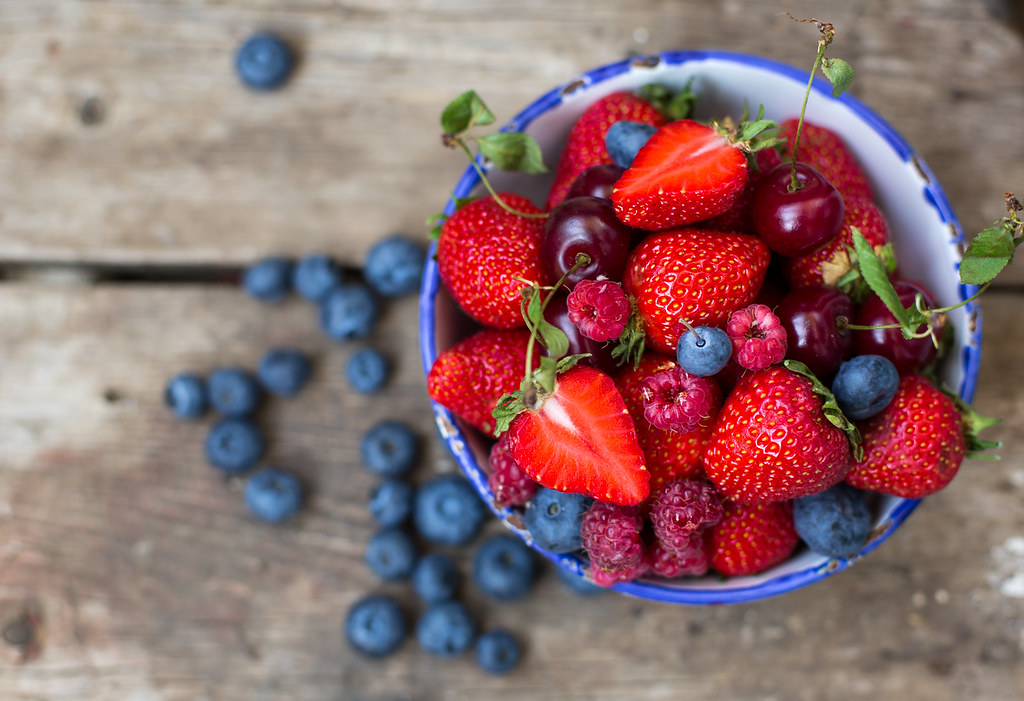
  • Indulge in chocolate-dipped fruits or nuts, such as strawberries and blueberries or almonds and walnuts. This way you’ll get the taste with fewer calories and less fat, while boosting your antioxidants at the same time.
  • If you’re overloaded with Easter eggs, stash them in a cupboard so they’re out of sight and take them to work or give them to your neighbours on Tuesday.
  • Let your family and friends know that you don’t want to be wallowing in tempting chocolate and offer them some alternative gift options, such as a favourite magazine, new bestseller, pretty egg cup, DVD, CD or some Easter decorations.
  • Instead of munching on it, why not bathe in it? There are lots of luxurious chocolate-based products out there that'll make you smell good enough to eat!


Do your diary

There's no getting around it; the only way to know exactly what you’re eating and drinking is to enter it into your diary. Do a little experimenting and type in some popular Easter treats to give yourself a good feel for just how many calories each item contains and how much exercise you'll need to do to burn it off.
Here are the calories in a few popular Easter treats to give you a head start in your preparations: 
Easter treat CaloriesWalking-off time (minutes)*
Hot cross bun  20865
Plain croissant 243 76
Hollow milk chocolate egg (100g) 538 168
Cadbury's Creme Egg (1x40g) 183 57
 Jelly Babies (5) 85 27
1 x 40g Lindt Easter bunny21768
*All figures are based on a 70kg woman.
As well as being prepared, keeping focused is a must. Don't worry too much about the odd overindulgence but don't use it as an excuse to give up either. Losing weight and getting healthy is not a race. Do acknowledge what causes you to fall off track. Then, on Tuesday, when the festivities are officially over, get back with the program.
Happy Easter! 
I want you to enjoy yourself this Easter, but if you do fall off the wagon or receive criticism for relaxing a little, don't take it to heart.


Source

Friday, 25 March 2016

Top Tips to Beat the Binge this Easter

With Easter around the corner, many people trying to keep their weight in check will be starting to panic, and it's little wonder.


Australians scoff around 110,000 tonnes of chocolate each year - translating to a whopping 5.8 kilograms per person[1] per year, along with 42 kilograms of sugar - a staggering 27 teaspoons per person per day[2].

For many people, avoiding the sweet stuff is a daily struggle, at Easter time - with Easter eggs, bilbies and bunnies tempting us at every turn - it might seem near impossible. This, says Accredited Practising Dietitian Duncan Hunter, is where most people slip up.

"With temptation all around it's all too easy to opt to ignore your healthy eating plan over the Easter break, thinking you'll get back on track the following week. And while it's not realistic to completely ignore the Easter tradition - and the chocolates that go along with it - there are a few savvy strategies you can employ to make sure you treat yourself (a little) but don't undo your hard work and set your diet back because of a few days off the wagon."

To put that in perspective, Hunter says it takes two hours of brisk walking or 60 minutes of jogging to work off a large 100 gram egg, and even a small 7 gram Easter egg will see you walking for 8 minutes or jogging for 4 minutes to get rid of the guilt. 


"If you do the math, and consider how much effort is required to work off just a few eggs you might think twice before you put too many into your mouth. To boost your ability to navigate the Easter minefield, plan ahead so you don't get caught on the hop," Mr Hunter advised.

"The evidence shows that the fastest - and simplest - way to lose weight is through a carbohydrate controlled eating plan where there's no need to count calories and you feel satisfied for longer. This is why New Atkins is so successful; it begins by restricting carbohydrates for rapid weight loss and gradually adds nutrient-rich, low-GI carbs such as wholegrains and legumes as followers move through the four phases. It also allows followers to enjoy delicious foods they'd never dream of eating on an extreme low calorie plan which will make the Easter chocfest easier to navigate."

Here are Duncan Hunter's top tips for beating the binge this Easter:

• Rather than gorging across the entire holiday, choose one day to indulge within reason - and stick to your healthy low-carb eating plan, such as the New Atkins Nutritional Approach, for the other three days
• Don't walk down the chocolate aisle. No, really. The choice to eat chocolate begins when you choose to walk down that aisle in the supermarket. If you don't bring it home (or at least not too much of it), you can't eat it. Ditto for high-carb hot cross buns
• Don't constrain yourself entirely - there are plenty of healthy, sweet tasting treats that you can indulge in over Easter. Try swapping hot cross buns (41grams of carbohydrates each) for orange and poppy seed scones (5.6g of carbs each), or a regular sized 75g chocolate eggs (46g of carbs) for a serve of (Atkins) chocolate coated macadamias and blueberries (3.7g of carbs) (see recipes below)
• If you are going to allow yourself some chocolate, decide how much in advance, purchase small (less than 30g) low-sugar dark chocolate Easter eggs (check the label) that are wrapped so you can't eat them too quickly. Once you've eaten your designated stash, that's it. Don't keep bingeing all weekend
• Leftovers can linger so once your family meal is done or your visitors are leaving, send a takeaway container home with your guests so that you don't have temptation sitting in the fridge all week. Give away or throw out any leftover chocolate - better in the waste than around your waist
• If you're still craving chocolate, satisfy your sweet tooth with a guilt-free low-carb treat such as an Atkins Chocolate Decadence Advantage Bar (just 1g sugar) or an Atkins Milk Chocolate Advantage Shake - the go-to drink for health-conscious chocoholics
 

Post-Easter plan.


Should your best-laid plans come unstuck, don't despair, Duncan Hunter has whipped up a quick post-feast fix to get you back on track in a flash.

"Since most of the weight gain from a brief episode of carbohydrate overindulgence is water, the best antidote is to reduce your carb intake. Drop back to 20 grams per day of carbohydrates and stay there until the weight you gained comes off. After that you can slowly increase your carbohydrate intake according to your individual goals and metabolism," Mr Hunter advises.

Hunter also suggests a morning exercise session the day after Easter to reset your metabolism and get back into a routine. Alternatively, grab a friend and sign up for the New Atkins Buddy program so that you have a friend to support you - and keep you motivated on the way to your weight loss and healthy lifestyle goals.


Source

Friday, 28 August 2015

The simple secret to losing weight

Set yourself up for weight loss success

It’s likely that most of us will have tried to lose weight at some point. Fad diets, magic ingredients and restrictive menus may have left you disillusioned with losing weight in the past. We've dispensed with the smoke and mirrors to reveal the very simple secret that will make your next time a success.

Energy 101

Our bodies use energy to breathe, digest, sleep and generally keep the body ticking over, as well as to run, play sport, hang out the washing and any physical activity. It gets this energy from the food we eat and the beverages we drink. Energy is measured in calories, or the metric equivalent, kilojoules.
Your body can only do two things with the energy you give it:
1. Burn it through your body’s natural metabolism and exercise
2. Store it as fat on your body
Every kilo of bodyweight is the equivalent of around 7,000 stored calories (that’s 29,400 kilojoules). So if you’re 5kg overweight you’re storing an excess of 35,000 calories. So basically, that’s the equivalent of around 138 lamingtons, 97 hamburgers, 155 beef sausages or 26 family-sized blocks of chocolate.

The Energy Equation

So what’s the secret? The Energy Equation. This simple equation that measures the energy you put into your body against the energy you expend through exercise and metabolism. It will determine whether you lose weight, maintain the same weight or even gain weight.
1. Losing weight 
To lose weight you need to burn more energy than you consume. That means the sum of your energy equation should be a minus number, showing a deficit. If you think of it like a bank account, it’s like spending more (energy) than you’re earning. Debt isn’t always a good thing, but being overdrawn in energy terms is good news if you’re trying to lose weight!
2. Maintaining weight 
To maintain your weight, your energy equation has to be in balance. This means the energy you’re consuming matches the energy you’re expending. If you do this every day then you’ll manage your weight for good!
3. Gaining weight 
You gain weight when you’re consuming more energy than you’re burning. For example, eating two pieces of chocolate a day without balancing it out with extra exercise can contribute to almost 3kg gained in a year. A small treat can seem pretty harmless, but remember that if you don’t burn it, your body has no choice but to store it.

How much and how fast?

Claims of rapid weight loss can be alluring, but it’s actually unhealthy to lose weight too quickly, and this method will often see you put it all back on again once your diet is over. Several recent studies out of America recommend the more realistic, long-lasting and healthy strategy of losing 0.5-1kg a week. Keep up this negative energy balance of about 500 calories and you can expect to consistently lose 0.5kg a week until you reach your goal! That’s why body+soul revolution isn’t a diet; it’s a new way of life.

Best time to workout?

If you train on an empty stomach before breakfast, any calories burnt will be replaced when you eat breakfast. Weight loss will only occur if you burn more calories than what you eat for breakfast, no matter when you workout. So worry less about what time of day you exercise and focus on making sure you’re doing enough of it.

Resetting your health

To make things easy, body+soul revolution provides you with a hassle-free menu plan that is calorie controlled and nutritionally balanced. To stick to the Energy Equation, you really need to record all your food and exercise each day to see how much energy you’re consuming versus how much you’re burning up. That’s why body+soul revolution provides you with an Online Diary that does the maths for you.
It’s not just your body that will thank you for following the Energy Equation; your mind will too. 
“What we eat can have a huge impact on our mood and emotional health. Regularly consuming heavily processed foods that are high in sugars and saturated fats and low in nutrients such as B vitamins, zinc and magnesium, can have a negative impact on your emotional health,” explains body+soul nutritionist, Lisa Guy, “Eating certain "feel-good" foods, however, as part of a well-balanced, wholesome diet, helps support healthy nerve and brain function as well as promoting the production of mood-boosting neurotransmitters.”

What do you guys think? Did you find this helpful? Comment below any weight loss tips you found helpful!


Source
http://www.bodyandsoul.com.au/weight+loss/lose+weight/the+simple+secret+to+losing+weight,35343

Wednesday, 19 August 2015

13 Ways to Fight Sugar Cravings

Sweet tooth raging out of control? Here's how to tame those sugar cravings.

Does that morning Danish leave you craving another treat two hours later? Do you grab a candy bar to cope with your afternoon slump -- and then reach for a cola to get out of your post-slump slump?
If you’ve found that munching sugary snacks just makes you crave more sugary snacks, you’re not alone. Eating lots of simple carbohydrates -- without the backup of proteins or fats -- can quickly satisfy hunger and give your body a short-term energy boost, but they almost as quickly leave you famished again and craving more.
How can you stop sugar cravings once and for all? Here's expert advice.

Why Do We Crave Sugar?

There are many reasons why we go for sweet things.
That appetite may be hardwired. "Sweet is the first taste humans prefer from birth," says Christine Gerbstadt, MD, RD, a dietitian and American Dietetic Association (ADA) spokeswoman. Carbohydrates stimulate the release of the feel-good brain chemical serotonin. Sugar is a carbohydrate, but carbohydrates come in other forms, too, such as whole grains, fruits, and vegetables.


The taste of sugar also releases endorphins that calm and relax us, and offer a natural "high," says Susan Moores, MS, RD, a registered dietitian and nutrition consultant in St. Paul, Minn.
Sweets just taste good, too. And that preference gets reinforced by rewarding ourselves with sweet treats, which can make you crave it even more. With all that going for it, why wouldn’t we crave sugar?
The problem comes not when we indulge in a sweet treat now and then, but when we over-consume, something that’s easy to do when sugar is added to many processed foods, including breads, yogurt, juices, and sauces. And Americans do over-consume, averaging about 22 teaspoons of added sugars per day, according to the American Heart Association, which recommends limiting added sugars to about 6 teaspoons per day for women and 9 for men.

How to Stop Sugar Cravings: 

8 Tips to Use Right Now

If you're craving sugar, here are some ways to tame those cravings.
  • Give in a little. Eat a bit of what you’re craving, maybe a small cookie or a fun-size candy bar, suggests Kerry Neville, MS, RD, a registered dietitian and ADA spokeswoman. Enjoying a little of what you love can help you steer clear of feeling denied. Try to stick to a 150-calorie threshold, Neville says.
  • Grab some gum. If you want to avoid giving in to a sugar craving completely, try chewing a stick of gum, says nutrition advisor Dave Grotto, RD, LDN. "Research has shown that chewing gum can reduce food cravings," Grotto says.

  • Combine foods. If the idea of stopping at a cookie or a baby candy bar seems impossible, you can still fill yourself up and satisfy a sugar craving, too. "I like combining the craving food with a healthful one," Neville says. "I love chocolate, for example, so sometimes I’ll dip a banana in chocolate sauce and that gives me what I’m craving, or I mix some almonds with chocolate chips." As a beneficial bonus, you'll satisfy a craving and get healthy nutrients from those good-for-you foods.
  • Go cold turkey. Cutting out all simple sugars works for some people, although "the initial 48 to 72 hours are tough," Gerbstadt says. Some people find that going cold turkey helps their cravings diminish after a few days; others find they may still crave sugar but over time are able to train their taste buds to be satisfied with less.
  • Reach for fruit. Keep fruit handy for when sugar cravings hit. You'll get fiber and nutrients along with some sweetness. And stock up on foods like nuts, seeds, and dried fruits, says certified addiction specialist Judy Chambers, LCSW, CAS. "Have them handy so you reach for them instead of reaching for the old [sugary] something."
  • Get up and go. When a sugar craving hits, walk away. "Take a walk around the block or [do] something to change the scenery," to take your mind off the food you’re craving, Neville suggests.
  • Choose quality over quantity. "If you need a sugar splurge, pick a wonderful, decadent sugary food," Moores says. But keep it small. For example, choose a perfect dark chocolate truffle instead of a king-sized candy bar, then "savor every bite -- slowly," Moores says. Grotto agrees. "Don’t swear off favorites -- you’ll only come back for greater portions. Learn to incorporate small amounts in the diet but concentrate on filling your stomach with less sugary and [healthier] options."

  • Eat regularly. Waiting too long between meals may set you up to choose sugary, fatty foods that cut your hunger, Moores says. Instead, eating every three to five hours can help keep blood sugar stable and help you "avoid irrational eating behavior," Grotto says. Your best bets? "Choose protein, fiber-rich foods like whole grains and produce," Moores says.
But won't eating more often mean overeating? Not if you follow Neville's advice to break up your meals. For instance, have part of your breakfast -- a slice of toast with peanut butter, perhaps -- and save some yogurt for a mid-morning snack. "Break up lunch the same way to help avoid a mid-afternoon slump," Neville says.


How to Stop Sugar Cravings: 

5 Tips for the Long Term

One of the best ways to manage sugar cravings is to stop them before they start. To help you do that:
  • Skip artificial sweeteners. Artificial sweeteners may sound like a great idea, but "they don’t lessen cravings for sugar and haven’t demonstrated a positive effect on our obesity epidemic," says Grotto, author of 101 Foods That Could Save Your Life.
  • Reward yourself for successfully managing sugar cravings. Your reward could be large or small. Remember why you’re working on it and then reward yourself for each successful step.
  • Slow down. For one week, focus on your sugar cravings and think about what you’re eating, suggests Chambers. Diet mayhem often results from lack of planning. So slow down, plan, "and eat what you intend to eat, instead of eating when you’re desperate," Chambers says.


  • Get support. Many people turn to sweet foods when they're stressed, depressed, or angry. But food doesn't solve emotional issues. Consider whether emotions are involved in your sugar cravings and whether you need help to find other solutions to those emotional problems.
  • Mix it up. You may need more than one strategy to thwart sugar cravings. One week you may find success with one tactic, and another week calls for an alternative approach. What’s important is to “have a ‘bag of tricks’ to try,” Gerbstadt tells WebMD. To tame sugar cravings, you really need to "figure out what works for you," Neville says.

Lastly, go easy on yourself. It may take time to get a handle on your sugar cravings. "It’s difficult to shift any system -- whether it’s the world economy or your eating," Chambers says.

Source
http://www.webmd.com/diet/13-ways-to-fight-sugar-cravings?page=1
SOURCES:
Christine Gerbstadt, MD, RD, spokeswoman, American Dietetic Association.
Susan Moores, MS, RD, nutrition consultant, St. Paul, Minn.
American Heart Association: "Carbohydrates and Sugars."
American Heart Association: “Carbohydrate Addiction.”
David W. Grotto, RD, LDN, author, 101 Foods That Could Save Your Life.
Kerry Neville, MS, RD, national spokesperson, American Dietetic Association.
Judy Chambers, LCSW, CAS.
Medicinenet: “Diet Sabotage: How Much Sugar Are You Eating.”
WebMD Feature: “Break the Sugar Habit.”