Showing posts with label rewards. Show all posts

Friday, 23 October 2015

6 ways to beat your food addiction


It’s an all-too-common scenario: You wake up in the morning swearing today’s the day when you’ll eat clean, nourish yourself with a healthy breakfast at home, and pass up the glistening bakery goodies that tempt you every day. 
You make it to work without incident and then stress hits—any kind of stress, from a new project deadline to a caustic remark from your boss. A little while later, you find yourself with pastries in hand, wolfing down sugary anesthetics and wanting more. When you finally pop out of your food trance, and the reality of what you’ve done begins to settle in, the ensuing feelings of shame and guilt stoke your stress levels more and you’re already plotting your next food fix. 
You wonder: Why do I keep caving to these cravings? Where’s my discipline and willpower? This is your brain addicted to food.
That’s right. Addicted. You might tell yourself, "I’m not addicted to food; I just love a good sweet now and then." 

Well, I’m here to tell you that food addiction is real; it affects more people than you know, and manufacturers actually design food products so that they are as addicting as possible. Yes, that perfect combination of salty, sweet, and savory was created to make sure you keep reaching for more. That’s why I wrote The Hunger Fix, because I want to change the game that is rigged against you.
Here are six ways to beat food addiction:
1) Take the test. First, you need to find out if your relationship with food is a healthy one. 
Take my Food Addiction Quiz. This is a special assessment developed by Yale University researchers to evaluate your relationship with food. Experts believe that the majority of people who are overweight or obese have some level of food addiction. However, anyone of any age and size can have this issue.
 
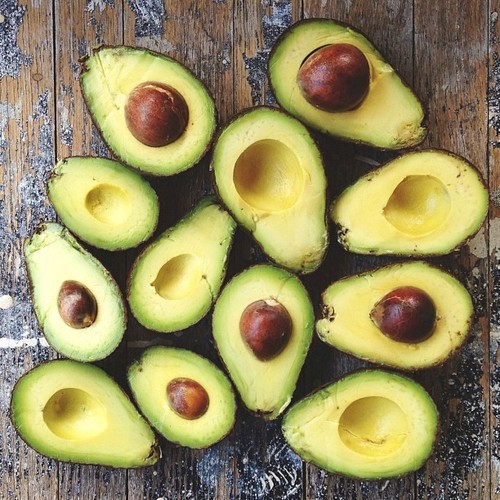
2) Know your staples from your treats. Our brains are rigged to seek out the delicious reward of natural carbs like berries from a bush or veggies from the ground. We savor healthy fats from avocados, olive oil, and fish and lean meats. Our brains drive us to forage around to find these foods so that we have quick energy (from carbs) and long-lasting fuel (from fat). These natural whole foods have sustained us since the dawn of time. Our brains were acclimated to the taste of these rewards. Every now and again, we’d savor a treat that contained more natural sugar (grapes) or fat (dairy or meat). This mix of staples and treats became our natural balance of healthy nutrients.  
Flash-forward, and now we have manufacturers creating “hyperpalatable” foods—full of sugar, fat, and salt. And because they are ubiquitous, cheap, and easily accessible, fewer people cook. Grab and go is now the way to go.
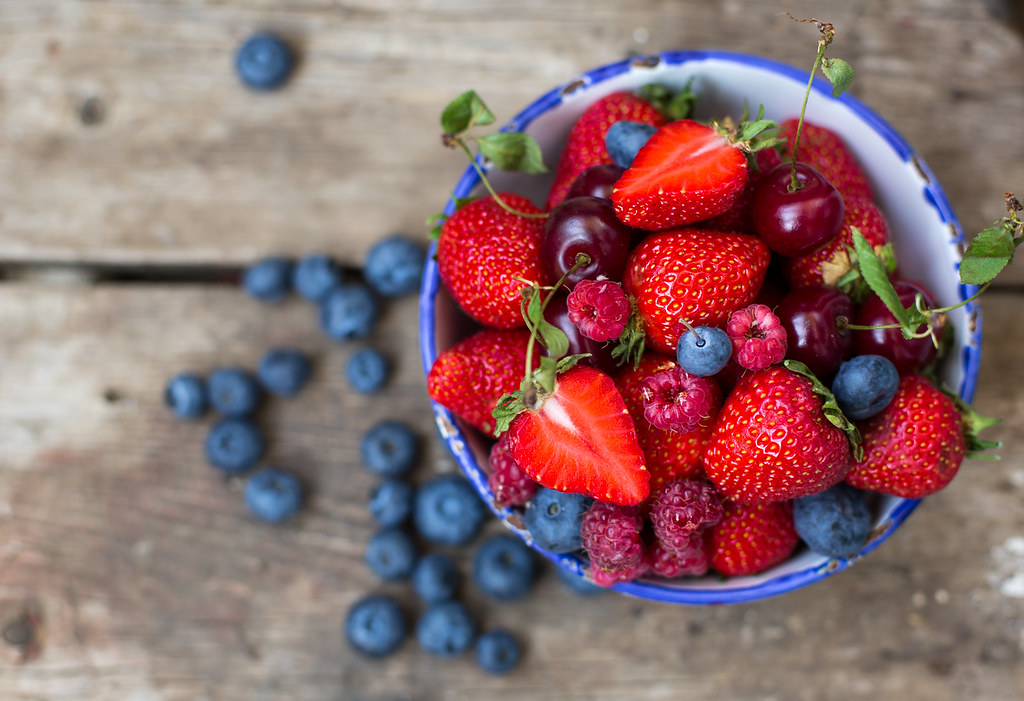
3) Rein in your reward center. When hyperpalatables compete with natural foods, your brain’s reward center, which secretes the pleasure chemical dopamine, gets hijacked. Insulin levels go up and push you to want more and more. Suddenly, that bowl of fresh berries can’t compete with the über rewards of a Pop-Tart or a chocolate-coated breakfast bar. 
An occasional treat, such as a birthday dessert, also leads to a dopamine rush, but then your brain settles down to more normal levels of dopamine. But when you can get your hands on hyperpalatable foods 24/7 and you start the day with that sugary/fatty/salty pastry and grande sugary coffee drink, you end up with an endless appetite for more.
4) Recognize the “False Fix.” After constant exposure and consumption of these hyperpalatables, which I refer to as “False Fixes” in The Hunger Fix, your brain actually changes. The brain cannot tolerate this level of hyperstimulation. As a result, it decreases the number of dopamine receptors so that you no longer feel it as over-stimulation. That’s the good news. The bad news is that by doing this, your typical serving of food is no longer as rewarding. You find yourself not feeling as pleased and satisfied. You know the end result. Not satisfied, you end up with second and third and fourth portions, packing on weight along the way.
But wait, there’s more: At the same time your reward center is being hijacked, the brain’s CEO, the prefrontal cortex (tap your forehead and that’s where the PFC is located), is becoming damaged and impaired. The PFC can no longer help you rein in impulses or stay focused and vigilant. That’s why, when someone is in full-on addictive mode, moderation is a moot point. Revolutionary and groundbreaking new studies funded by the National Institutes of Health funded have shown that the brain scans of food addicts show the same changes and damage as those of a cocaine user. And, for your information, research also shows that table sugar (sucrose) is more addictive than cocaine.
All right, what’s the solution? Science-based detox and recovery from the foods and beverages that you know are causing you to lose control and overeat.
5) Know your enemy. Make a list all of your False Fix foods that you know will lead you to feel out of control and overeat. As you prepare to detox, look around you and inventory the persons, places, and things that enable your food addiction. This isn’t just about switching up False Fix foods for Healthy Fixes. It’s also about examining your entire lifestyle so you can make new, healthier choices to support your recovery. You’re not going to change everything overnight, so you’ll start with small but powerful steps to ensure sustainable, long-term success.
6) Remember these words: MIND, MOUTH, MUSCLE. That will help you organize how you’ll detox and recover.
MIND: Reclaim your brain. A strong PFC is absolutely required to repair and reclaim your reward center. And you can repair your PFC with transcendental meditation and mindfulness. The key is to practice them daily to stimulate new brain cell formation and to repair damage. When you meditate you cause actual brain changes to help repair and strengthen brain cells.
MOUTH: Get high…naturally. Achieve a natural “high” from whole foods that increase dopamine production naturally. Specific foods—watermelon, spinach, avocados, tofu, and sesame seeds, to name a few—perform magic and reestablish normal reward responses for natural foods. Also, use powerful protein and fiber combinations—carrots and hummus, peanut or almond butter and apple slices, for instance—that satisfy and stop the urge to splurge on sugary/fatty/salty foods.
MUSCLE: Every step you take during the day stimulates brain growth, including your PFC, which translates to a bigger, stronger, more focused brain. And one of the mottos of The Hunger Fix is big brain, small waist. 
You’ll make smarter decisions and shed extra weight if your brain is healthy. Research has also shown that regular physical activity will also keep you calmer and decrease the chance of relapse. All you need is regular moderate exercise to make this work. Walking is the easiest way to go for most people. Doing it outdoors and stepping up the pace when you can enhances the entire experience and results. I’m not talking marathons here, folks. Just getting up and moving.
The bottom line is that food addiction is real—it’s been acknowledged by world-class scientists—and we need to start taking it seriously. And, more important, we have the ability to reverse the damage and reclaim our healthy, natural relationship with food.
Comment below what you thought of the article. Do you struggle with a food addiction? Have you found any of these tips helpful? Comment below any tips you've found helpful along the way! Love hearing from you x


Source
http://www.foxnews.com/health/2012/12/12/6-ways-to-beat-your-food-addiction/

Wednesday, 19 August 2015

13 Ways to Fight Sugar Cravings

Sweet tooth raging out of control? Here's how to tame those sugar cravings.

Does that morning Danish leave you craving another treat two hours later? Do you grab a candy bar to cope with your afternoon slump -- and then reach for a cola to get out of your post-slump slump?
If you’ve found that munching sugary snacks just makes you crave more sugary snacks, you’re not alone. Eating lots of simple carbohydrates -- without the backup of proteins or fats -- can quickly satisfy hunger and give your body a short-term energy boost, but they almost as quickly leave you famished again and craving more.
How can you stop sugar cravings once and for all? Here's expert advice.

Why Do We Crave Sugar?

There are many reasons why we go for sweet things.
That appetite may be hardwired. "Sweet is the first taste humans prefer from birth," says Christine Gerbstadt, MD, RD, a dietitian and American Dietetic Association (ADA) spokeswoman. Carbohydrates stimulate the release of the feel-good brain chemical serotonin. Sugar is a carbohydrate, but carbohydrates come in other forms, too, such as whole grains, fruits, and vegetables.


The taste of sugar also releases endorphins that calm and relax us, and offer a natural "high," says Susan Moores, MS, RD, a registered dietitian and nutrition consultant in St. Paul, Minn.
Sweets just taste good, too. And that preference gets reinforced by rewarding ourselves with sweet treats, which can make you crave it even more. With all that going for it, why wouldn’t we crave sugar?
The problem comes not when we indulge in a sweet treat now and then, but when we over-consume, something that’s easy to do when sugar is added to many processed foods, including breads, yogurt, juices, and sauces. And Americans do over-consume, averaging about 22 teaspoons of added sugars per day, according to the American Heart Association, which recommends limiting added sugars to about 6 teaspoons per day for women and 9 for men.

How to Stop Sugar Cravings: 

8 Tips to Use Right Now

If you're craving sugar, here are some ways to tame those cravings.
  • Give in a little. Eat a bit of what you’re craving, maybe a small cookie or a fun-size candy bar, suggests Kerry Neville, MS, RD, a registered dietitian and ADA spokeswoman. Enjoying a little of what you love can help you steer clear of feeling denied. Try to stick to a 150-calorie threshold, Neville says.
  • Grab some gum. If you want to avoid giving in to a sugar craving completely, try chewing a stick of gum, says nutrition advisor Dave Grotto, RD, LDN. "Research has shown that chewing gum can reduce food cravings," Grotto says.

  • Combine foods. If the idea of stopping at a cookie or a baby candy bar seems impossible, you can still fill yourself up and satisfy a sugar craving, too. "I like combining the craving food with a healthful one," Neville says. "I love chocolate, for example, so sometimes I’ll dip a banana in chocolate sauce and that gives me what I’m craving, or I mix some almonds with chocolate chips." As a beneficial bonus, you'll satisfy a craving and get healthy nutrients from those good-for-you foods.
  • Go cold turkey. Cutting out all simple sugars works for some people, although "the initial 48 to 72 hours are tough," Gerbstadt says. Some people find that going cold turkey helps their cravings diminish after a few days; others find they may still crave sugar but over time are able to train their taste buds to be satisfied with less.
  • Reach for fruit. Keep fruit handy for when sugar cravings hit. You'll get fiber and nutrients along with some sweetness. And stock up on foods like nuts, seeds, and dried fruits, says certified addiction specialist Judy Chambers, LCSW, CAS. "Have them handy so you reach for them instead of reaching for the old [sugary] something."
  • Get up and go. When a sugar craving hits, walk away. "Take a walk around the block or [do] something to change the scenery," to take your mind off the food you’re craving, Neville suggests.
  • Choose quality over quantity. "If you need a sugar splurge, pick a wonderful, decadent sugary food," Moores says. But keep it small. For example, choose a perfect dark chocolate truffle instead of a king-sized candy bar, then "savor every bite -- slowly," Moores says. Grotto agrees. "Don’t swear off favorites -- you’ll only come back for greater portions. Learn to incorporate small amounts in the diet but concentrate on filling your stomach with less sugary and [healthier] options."

  • Eat regularly. Waiting too long between meals may set you up to choose sugary, fatty foods that cut your hunger, Moores says. Instead, eating every three to five hours can help keep blood sugar stable and help you "avoid irrational eating behavior," Grotto says. Your best bets? "Choose protein, fiber-rich foods like whole grains and produce," Moores says.
But won't eating more often mean overeating? Not if you follow Neville's advice to break up your meals. For instance, have part of your breakfast -- a slice of toast with peanut butter, perhaps -- and save some yogurt for a mid-morning snack. "Break up lunch the same way to help avoid a mid-afternoon slump," Neville says.


How to Stop Sugar Cravings: 

5 Tips for the Long Term

One of the best ways to manage sugar cravings is to stop them before they start. To help you do that:
  • Skip artificial sweetenersArtificial sweeteners may sound like a great idea, but "they don’t lessen cravings for sugar and haven’t demonstrated a positive effect on our obesity epidemic," says Grotto, author of 101 Foods That Could Save Your Life.
  • Reward yourself for successfully managing sugar cravings. Your reward could be large or small. Remember why you’re working on it and then reward yourself for each successful step.
  • Slow down. For one week, focus on your sugar cravings and think about what you’re eating, suggests Chambers. Diet mayhem often results from lack of planning. So slow down, plan, "and eat what you intend to eat, instead of eating when you’re desperate," Chambers says.


  • Get support. Many people turn to sweet foods when they're stressed, depressed, or angry. But food doesn't solve emotional issues. Consider whether emotions are involved in your sugar cravings and whether you need help to find other solutions to those emotional problems.
  • Mix it up. You may need more than one strategy to thwart sugar cravings. One week you may find success with one tactic, and another week calls for an alternative approach. What’s important is to “have a ‘bag of tricks’ to try,” Gerbstadt tells WebMD. To tame sugar cravings, you really need to "figure out what works for you," Neville says.

Lastly, go easy on yourself. It may take time to get a handle on your sugar cravings. "It’s difficult to shift any system -- whether it’s the world economy or your eating," Chambers says.

Source
http://www.webmd.com/diet/13-ways-to-fight-sugar-cravings?page=1
SOURCES:
Christine Gerbstadt, MD, RD, spokeswoman, American Dietetic Association.
Susan Moores, MS, RD, nutrition consultant, St. Paul, Minn.
American Heart Association: "Carbohydrates and Sugars."
American Heart Association: “Carbohydrate Addiction.”
David W. Grotto, RD, LDN, author, 101 Foods That Could Save Your Life.
Kerry Neville, MS, RD, national spokesperson, American Dietetic Association.
Judy Chambers, LCSW, CAS.
Medicinenet: “Diet Sabotage: How Much Sugar Are You Eating.”
WebMD Feature: “Break the Sugar Habit.”

Friday, 14 August 2015

6 Ways to Reward Weight Loss Success—Without Using Food

Granting rewards is a great way to stay motivated when dieting, until you pat yourself on the back with two giant scoops of rocky road. You definitely deserve kudos for dropping 5 pounds, but if your gift includes chowing down on an entire day's worth of saturated fat, you could be setting yourself back. "When it comes to weight loss, all of the gifts or rewards along the way should help you work toward your ultimate goal--not against it," says Michael Bronco, a personal trainer and owner of Bronco's Gym in Charlotte, SC. So here's a novel idea: Treat yourself to things that will help you hit another milestone. The fun that follows is calorie-free and will keep you motivated for the long haul.


Take a Healthy Cooking Class


Mastery of the microwave can get you only so much culinary clout, especially when it comes to preparing healthy meals. And if your menu du jour tends to include entrées from the freezer aisle, there's a good chance you're getting more sodium and saturated fat than you'd like. Not only will a cooking class help you learn the difference between sautéing and simmering, but also develop a skill that will become part of your continued success, says Wendy Bazilian, DrPH, RD, and author of The SuperFoods Rx Diet.

Show Your Tootsies Some TLC


Pampering yourself doesn't have to put a huge hole in your pocket. Celebrate all your feet do for you--walk, run, hike, and bike--with a relaxing pedicure. You'll leave with sparkling toes, smoother skin, and even less pain and fatigue. Pedicures often include a mini foot massage that mimics techniques used in reflexology, a holistic treatment that involves applying pressure to the feet to improve health. Reflexology sessions can cost from $50 to $200, but when you have a pedicure you get a taste of the treatment for free.

Strike a Pose


Did you ever dream of strutting down the catwalk? Schedule a photo shoot for yourself 4, 5, or 6 months in the future and start getting ready for your close-up now. "Photo shoots can be a really great motivator," says Bronco. "When you buy that bathing suit ahead of the season and hang it on your closet door, you can't help but think, 'Oh my gosh, I'm going to be modeling that?'" The experience might sound scary at first, but it's actually the ultimate confidence booster, says Bronco. "We walk around feeling like the world sees us as fat, or gawky, or whatever. Then suddenly a photographer is telling you how great you look and it really changes your perception of who you are."

Spring for Something Sparkly


Tying a string around your finger to help jog your memory is so last century. Instead, treat yourself to a jeweled bracelet or fancy watch to serve as a reminder of your weight loss goal and the healthy behavior that it took to achieve it. "Every time you see the bangle that you bought for yourself after losing 5 pounds, or after completing a week of nutritious eating, it'll be like a little pat on the back," says Bazilian. "Keep it on your eating hand or the hand you gesture with often so you're less likely to forget and slip up." (And you can still use sparkle as a healthy eating cue even if you don't want to drop big bucks on bling. Opt for a manicure in a vibrant color and your shiny new nails will help you keep your hands out of the cookie jar.)

Share Your Success With Friends


It takes two to tango and eleven to field a soccer team, so maybe working out is just more fun with friends. Seek a personal trainer or boot camp instructor to lead a special session for you and a buddy. (Sometimes a trainer will even coach two for the price of one!) Not only will you feed off of each other's energy, but also you might inspire your bestie to get started on his or her own health and wellness journey.

Escape for a Spa Week


What's the ultimate gift to yourself? How about peace, serenity, and delicious portion-controlled spa food? Enjoy your own Eat, Pray, Love experience during a week that's truly all about you--and your wellness, of course! All-inclusive spas like Golden Door combine fitness, healthy gourmet food, spa treatments, rest, and renewal into one blissful getaway. It's a complete celebration of your health and your journey, says Bazilian.


Source
http://www.rodalewellness.com/weight-loss/weight-loss-motivation