Showing posts with label losing weight. Show all posts

Monday, 22 February 2016

Appetite Suppressant Dangers

Overview

Physicians typically prescribe appetite suppressants on a short-term basis to jump start a longer-term weight loss program. Appetite suppressant products also are available over-the-counter or online. Certain dangers are associated with appetite suppressants, and people should be cautious about using them—even those advertised as "natural."

Hypertension

Appetite suppressant use is linked to a type of high blood pressure called secondary hypertension. Most people with high blood pressure have essential hypertension, which does not have an identifiable cause, while secondary hypertension is linked to other health conditions or to drug usage, according to the University of Maryland Medical Center (UMMC). Taking appetite suppressants can result in high blood pressure, and taking an appetite suppressant within 14 days of taking a monoamine oxidase inhibitor (MAOI) can cause dangerously high blood pressure. Pulmonary hypertension, a lung disorder in which the blood pressure in the pulmonary artery becomes much higher than normal, has been linked to the appetite suppressants fenfluramine, dexfenfluramine, a combination of phentermine and fenfluramine (Phen-Fen), and phentermine alone.

Serious Symptoms

Some side effects from appetite suppressants call for immediate medical attention, according to a report from the National Institutes of Health. They may be signs of cardiovascular problems, an allergic reaction or other disorders. These symptoms include a decrease in exercise ability, fainting, chest pain, rapid or irregular heartbeat, swelling of the feet or lower legs (edema), numbness, a rash or hives, severe headache, difficulty breathing, difficult or painful urination, sore throat with fever and unusual bleeding or bruising.

Psychological Changes

Psychological changes are associated with long-term or excessive use of appetite suppressants. They may include personality changes, insomnia and hyperactivity, according to the NIH. Some people even develop psychotic symptoms, such as thinking that another person can hear their thoughts or is controlling their behavior. Some users of appetite suppressants may develop audio or visual hallucinations.

Dependence

Taking prescription appetite suppressants for a long time or in large doses may lead to psychological or physical dependence, according to the NIH. This can cause withdrawal symptoms when trying to discontinue the drug or even when going for a few more hours than usual without taking it. Withdrawal symptoms may include depression, nausea and vomiting, abdominal cramps, trembling and unusual tiredness or weakness. People who take appetite suppressants for a long time frame also may need to continually increase their dosage to get the same effects, which can lead to overdose.

Dental Issues

Some appetite suppressants may cause mouth dryness, according to Vanderbilt University. Continual mouth dryness may increase the risk of tooth decay, gum disease and fungal infections such as thrush.

Heart Attack and Stroke

Ephedra, an herbal appetite suppressant, and its primary active component, ephedrine, have been associated with severe effects when used for weight loss, as noted by Appetite Suppressants Reviews. The FDA allows use of these substances for breathing disorders, but banned their use as an appetite suppressant in 2004 after reports of heart attacks, strokes, hepatitis, seizures, psychosis and fatalities. The over-the-counter drug phenylpropanolamine, containing a similar compound, norephedrine, also was linked to strokes and was removed from the market.


Source

References

Sunday, 6 December 2015

Losing weight after pregnancy

You should plan to return to your pre-pregnancy weight by 6 to 12 months after delivery. Most women lose half of their baby weight by 6 weeks after childbirth (postpartum). The rest usually comes off over the next several months.


A healthy diet with daily exercise will help you shed the pounds. Breastfeeding can also help with postpartum weight loss.


Take Your Time


Your body needs time to recover from childbirth. If you lose weight too soon after childbirth, it can take longer for you to recover. Give yourself until your 6-week checkup before trying to slim down. If you are breastfeeding, wait until your baby is at least 2 months old before you try to lose weight.
Aim for a weight loss of about a pound and a half a week. You can do this by eating less food and getting more exercise.
  • To do this, cut out 500 calories a day from your current diet. Ask your doctor how many calories you need each day.
  • DO NOT drop below the minimum number of calories you need.

Breastfeeding


If you are breastfeeding, you will want to lose weight slowly. Weight loss that happens too fast can make you produce less milk. Losing about a pound and a half a week will not affect your milk supply or your health.
Breastfeeding makes your body burn calories. It helps you lose weight. If you are patient, you may be surprised at how much weight you lose naturally while breastfeeding.
These healthy eating tips will help you lose weight safely.
  • DO NOT skip meals. With a new baby, many new moms forget to eat. If you do not eat, you will have less energy, and it will not help you lose weight.
  • Eat 5 to 6 small meals a day with healthy snacks in between (rather than 3 larger meals).
  • Eat breakfast. Even if you do not normally eat in the mornings, get into the habit of having breakfast. It will give you energy to start your day and stop you from feeling tired later.
  • Slow down. When you take your time eating, you will notice that it is easier to tell that you are full. You will be less likely to overeat.
  • Choose non-fat milk and dairy products. Look for low-fat or fat-free dairy products. You do not need to drink whole milk in order to make good breast milk.
  • When you reach for a snack, choose fruits and vegetables. Foods like apples, oranges, berries, bananas, carrots, and pepper strips are great snack choices. They are low in fat, but high in vitamins and fiber.
  • Drink 8 or 9 cups of liquids a day. Drinking water helps your body flush out fat. Limit drinks like sodas, juices, and other fluids with sugar and calories. They can add up and keep you from losing weight.
  • Choose broiled or baked rather than fried foods.
  • Limit sweets, sugar, and fat.

Do Not Crash and Burn


DO NOT go on a crash diet (not eating enough) or a fad diet (popular diets that limit certain types of foods and nutrients). They will probably make you drop pounds at first. But those first few pounds you lose are fluid and will come back.
Other pounds you lose on a crash diet may be muscle instead of fat. You will gain back any fat you lose on a crash diet once you return to normal eating.

Be Realistic


You may not be able to return to your exact pre-pregnancy weight or shape. For many women, pregnancy causes lasting changes in the body. You may have a softer belly, wider hips, and a larger waistline. Make your goals about your new body realistic.

Exercise

A healthy diet combined with regular exercise is the best way to shed the pounds. Exercise will help you lose fat instead of muscle.
Once you are ready to start losing weight, eat a little less and move a little more each day. It may be tempting to push yourself into a hard routine for fast weight loss. But rapid weight loss is not healthy and is hard on your body.
DO NOT overdo it. Just a quick walk around the block with your baby in the stroller is a great way to add exercise to your daily routine.


Comment below if you found this helpful. Let me know what you think x


Source

References

Berger AA, Peragallo-Urrutia A, Nicholson WK. Systematic review of the effect of individual and combined nutrition and exercise interventions on weight, adiposity and metabolic outcomes after delivery: evidence for developing behavioral guidelines for post-partum weight control. BMC Pregnancy and Childbirth. 2014;14. Accessed Nov. 24, 2014.
Mottola MF. Exercise prescription for overweight and obese women: pregnancy and postpartum.Obstet Gynecol Clin North Am. 01 Jun 2009; 36:301-16, viii.
Newton ER. Lactation and breastfeeding. In: Gabbe SG, Niebyl JR, Simpson JL, et al, eds.Obstetrics: Normal and Problem Pregnancies. 6th ed. Philadelphia, PA: Elsevier Saunders; 2012:chap 23.

Friday, 23 October 2015

6 ways to beat your food addiction


It’s an all-too-common scenario: You wake up in the morning swearing today’s the day when you’ll eat clean, nourish yourself with a healthy breakfast at home, and pass up the glistening bakery goodies that tempt you every day. 
You make it to work without incident and then stress hits—any kind of stress, from a new project deadline to a caustic remark from your boss. A little while later, you find yourself with pastries in hand, wolfing down sugary anesthetics and wanting more. When you finally pop out of your food trance, and the reality of what you’ve done begins to settle in, the ensuing feelings of shame and guilt stoke your stress levels more and you’re already plotting your next food fix. 
You wonder: Why do I keep caving to these cravings? Where’s my discipline and willpower? This is your brain addicted to food.
That’s right. Addicted. You might tell yourself, "I’m not addicted to food; I just love a good sweet now and then." 
Well, I’m here to tell you that food addiction is real; it affects more people than you know, and manufacturers actually design food products so that they are as addicting as possible. Yes, that perfect combination of salty, sweet, and savory was created to make sure you keep reaching for more. That’s why I wrote The Hunger Fix, because I want to change the game that is rigged against you.
Here are six ways to beat food addiction:
1) Take the test. First, you need to find out if your relationship with food is a healthy one. 
Take my Food Addiction Quiz. This is a special assessment developed by Yale University researchers to evaluate your relationship with food. Experts believe that the majority of people who are overweight or obese have some level of food addiction. However, anyone of any age and size can have this issue.
 
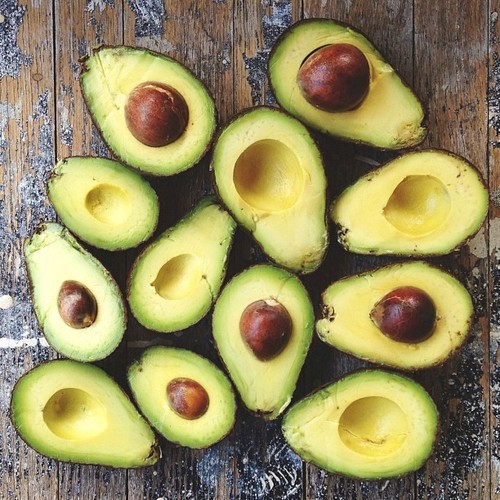
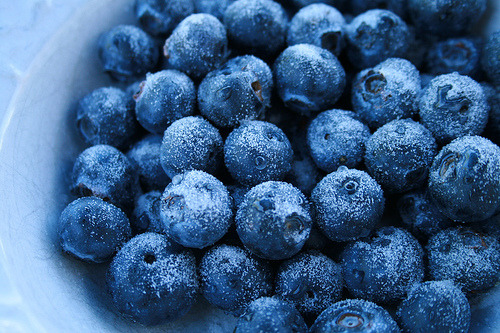
2) Know your staples from your treats. Our brains are rigged to seek out the delicious reward of natural carbs like berries from a bush or veggies from the ground. We savor healthy fats from avocados, olive oil, and fish and lean meats. Our brains drive us to forage around to find these foods so that we have quick energy (from carbs) and long-lasting fuel (from fat). These natural whole foods have sustained us since the dawn of time. Our brains were acclimated to the taste of these rewards. Every now and again, we’d savor a treat that contained more natural sugar (grapes) or fat (dairy or meat). This mix of staples and treats became our natural balance of healthy nutrients.  
Flash-forward, and now we have manufacturers creating “hyperpalatable” foods—full of sugar, fat, and salt. And because they are ubiquitous, cheap, and easily accessible, fewer people cook. Grab and go is now the way to go.
3) Rein in your reward center. When hyperpalatables compete with natural foods, your brain’s reward center, which secretes the pleasure chemical dopamine, gets hijacked. Insulin levels go up and push you to want more and more. Suddenly, that bowl of fresh berries can’t compete with the über rewards of a Pop-Tart or a chocolate-coated breakfast bar. 
An occasional treat, such as a birthday dessert, also leads to a dopamine rush, but then your brain settles down to more normal levels of dopamine. But when you can get your hands on hyperpalatable foods 24/7 and you start the day with that sugary/fatty/salty pastry and grande sugary coffee drink, you end up with an endless appetite for more.
4) Recognize the “False Fix.” After constant exposure and consumption of these hyperpalatables, which I refer to as “False Fixes” in The Hunger Fix, your brain actually changes. The brain cannot tolerate this level of hyperstimulation. As a result, it decreases the number of dopamine receptors so that you no longer feel it as over-stimulation. That’s the good news. The bad news is that by doing this, your typical serving of food is no longer as rewarding. You find yourself not feeling as pleased and satisfied. You know the end result. Not satisfied, you end up with second and third and fourth portions, packing on weight along the way.
But wait, there’s more: At the same time your reward center is being hijacked, the brain’s CEO, the prefrontal cortex (tap your forehead and that’s where the PFC is located), is becoming damaged and impaired. The PFC can no longer help you rein in impulses or stay focused and vigilant. That’s why, when someone is in full-on addictive mode, moderation is a moot point. Revolutionary and groundbreaking new studies funded by the National Institutes of Health funded have shown that the brain scans of food addicts show the same changes and damage as those of a cocaine user. And, for your information, research also shows that table sugar (sucrose) is more addictive than cocaine.
All right, what’s the solution? Science-based detox and recovery from the foods and beverages that you know are causing you to lose control and overeat.
5) Know your enemy. Make a list all of your False Fix foods that you know will lead you to feel out of control and overeat. As you prepare to detox, look around you and inventory the persons, places, and things that enable your food addiction. This isn’t just about switching up False Fix foods for Healthy Fixes. It’s also about examining your entire lifestyle so you can make new, healthier choices to support your recovery. You’re not going to change everything overnight, so you’ll start with small but powerful steps to ensure sustainable, long-term success.
6) Remember these words: MIND, MOUTH, MUSCLE. That will help you organize how you’ll detox and recover.
MIND: Reclaim your brain. A strong PFC is absolutely required to repair and reclaim your reward center. And you can repair your PFC with transcendental meditation and mindfulness. The key is to practice them daily to stimulate new brain cell formation and to repair damage. When you meditate you cause actual brain changes to help repair and strengthen brain cells.
MOUTH: Get high…naturally. Achieve a natural “high” from whole foods that increase dopamine production naturally. Specific foods—watermelon, spinach, avocados, tofu, and sesame seeds, to name a few—perform magic and reestablish normal reward responses for natural foods. Also, use powerful protein and fiber combinations—carrots and hummus, peanut or almond butter and apple slices, for instance—that satisfy and stop the urge to splurge on sugary/fatty/salty foods.
MUSCLE: Every step you take during the day stimulates brain growth, including your PFC, which translates to a bigger, stronger, more focused brain. And one of the mottos of The Hunger Fix is big brain, small waist. 
You’ll make smarter decisions and shed extra weight if your brain is healthy. Research has also shown that regular physical activity will also keep you calmer and decrease the chance of relapse. All you need is regular moderate exercise to make this work. Walking is the easiest way to go for most people. Doing it outdoors and stepping up the pace when you can enhances the entire experience and results. I’m not talking marathons here, folks. Just getting up and moving.
The bottom line is that food addiction is real—it’s been acknowledged by world-class scientists—and we need to start taking it seriously. And, more important, we have the ability to reverse the damage and reclaim our healthy, natural relationship with food.
Comment below what you thought of the article. Do you struggle with a food addiction? Have you found any of these tips helpful? Comment below any tips you've found helpful along the way! Love hearing from you x


Source
http://www.foxnews.com/health/2012/12/12/6-ways-to-beat-your-food-addiction/