Showing posts with label omega-3. Show all posts

Sunday, 14 February 2016

Can You Lose Fat by Eating Canned Tuna Packed in Water?

Tuna packed in water is not a weight-loss miracle, but it can be a healthy part of an overall fat-loss plan. As a nutrient-dense food, tuna packs in protein and vitamins with few calories. However, it would be dangerous to subsist on tuna alone -- not to mention boring. Avoid any type of diet that only includes canned tuna or any other specific food, as well as diets that cut out entire food groups.


Canned Tuna Calories

Each 3-ounce serving of light tuna packed in water has just 73 calories, making it a diet-friendly choice. However, the key is to control serving size. By the time you put down a 12.5-ounce can, you've consumed 271 calories. Also, skip the mayonnaise or other fatty mixers, and flavor your tuna with lemon juice or black pepper. Adding just 1 tablespoon of mayo adds 93 calories -- even more than the serving of tuna contains.

Protein

At almost 17 grams of protein per serving, tuna may help control your appetite. Protein has long been known to promote satiety, and a study published in "The American Journal of Clinical Nutrition" in 2005 demonstrated a direct link between protein and reduced calorie intake. Subjects tried diets of both 15 percent and 30 percent protein, with normal carbohydrate intake. On the higher-protein diet, participants consumed 441 fewer calories per day and lost about 11 pounds over 12 weeks.

A Balanced Diet

No food is healthy if you go overboard, so include tuna as part of a balanced meal plan. The U.S. Department of Agriculture recommends filling half of your plate with fruits and vegetables. The other half should contain grains and lean proteins. Opt for whole grains such as oatmeal, popcorn, brown rice and whole-wheat bread; at least half of your grains should come from whole sources. Tuna is an example of lean protein, and other options include low-fat dairy, egg whites, beans and tofu. Eat some healthy fats from nuts, avocado and other plant sources.

Exercise

To lose weight in a safe and sustainable fashion, eat 500 fewer calories than you burn every day. You'll shed a pound a week and won't feel starved. For optimal health, include regular exercise as part of your weight-loss plan. The Centers for Disease Control and Prevention recommends 150 to 300 minutes per week of moderate aerobic activity or 75 to 150 minutes a week of vigorous activity, plus at least two days a week of strength training. Walking or casual biking are moderate aerobic activities, while jogging and cycling uphill are vigorous. Strength-training activities include lifting weights, performing body weight exercises like pushups, pullups and squats or doing yoga.


Do you use tuna to boost weight loss? How do you eat your tuna; out of a tin? On a sandwich? In a salad? Comment below and let me know.


Source

References (6) 

Tuesday, 17 November 2015

The Best Fish to Eat For Weight Loss

When embarking on a weight loss diet, it is essential to incorporate a good source of lean protein that is relatively low in calories and fish makes the ideal addition.  Fish is nutritious and although some types are considered ‘fatty’ or ‘oily’, unlike red meat, they are high in healthy omega three fatty acids and low in unhealthy saturated fats.

best fish to eat for weight loss

Fish oil and omega three fatty acids have been associated with numerous health benefits, including lowering blood triglycerides and reducing risk of heart disease as well as possible benefits for a huge range of illnesses from arthritis to stroke.
Ideally we should all include fish in our diets for health, but how does it fit into a calorie controlled weight loss diet and does the type of fish make a difference to weight loss?

Can a high intake of fish be beneficial for weight loss?

Studies have shown that as part of a calorie controlled weight loss diet, fish and fish oil can enhance weight loss.  This may be due to the fact that fish is generally lower in calories than the red meat that it might replace in an average diet and that a larger quantity can be eaten for the same amount of calories, which may help to keep you fuller for longer.
Fish is also an excellent source of lean protein, a high intake of which is also thought to contribute to weight loss.
Omega 3 fatty acids from oily fish or fish oil supplementation have also been associated with better weight loss in a number of studies, so it can be concluded that fish can play a valuable part of a healthy weight loss diet.
It is important to remember, however, that in order to lose weight, a calorie restricted diet needs to be followed and introducing more fish into your diet alone will probably not lead to weight loss unless it is combined with such a diet.


Does the type of fish matter?

A 2007 study published in the International Journal of Obesity suggested that the type of fish was not particularly important when it came to enhanced weight loss.
The study in overweight males compared weight loss after following a calorie restricted diet over the course of four weeks.  Four groups received the same amount of calories, but one group had a diet free of seafood, another with oily fish, the third with lean fish and the final group with fish oil supplements.
It was found that over the four weeks that the groups who ate both types of fish and the fish oil lost around one kg more than the seafood free group, suggesting that any type of fish may have some effect on weight loss when combined with an energy restricted diet.
Other studies have associated omega three fatty acids, which are more prevalent in oily fish, with weight loss; however, as these fish are generally higher in calories than lean fish, this may result in no real difference in effect.
Fish oil may also help with weight loss, however, eating the whole fish is probably preferable due to the extra nutrients that are present and the protein that can help with satiety levels.


What are the healthiest fish to eat?

The best fish to eat when it comes to health benefits can vary depending on where you are as different conditions can mean that the same species of fish have differing nutritional qualities.
It is also important, especially in terms of weight loss, to consider how a fish is prepared or cooked.  Deep fried, battered or crumbed fish tend to be a lot higher in fat and calories than steamed, grilled or BBQ varieties, so try to choose healthier cooking methods where possible.


Popular fish generally considered to be amongst the healthiest

  • Black cod or sable fish:  These are an excellent source of omega three fats and also rich in the antioxidant selenium.
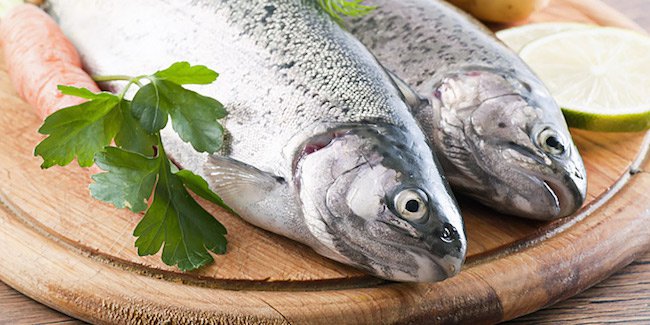
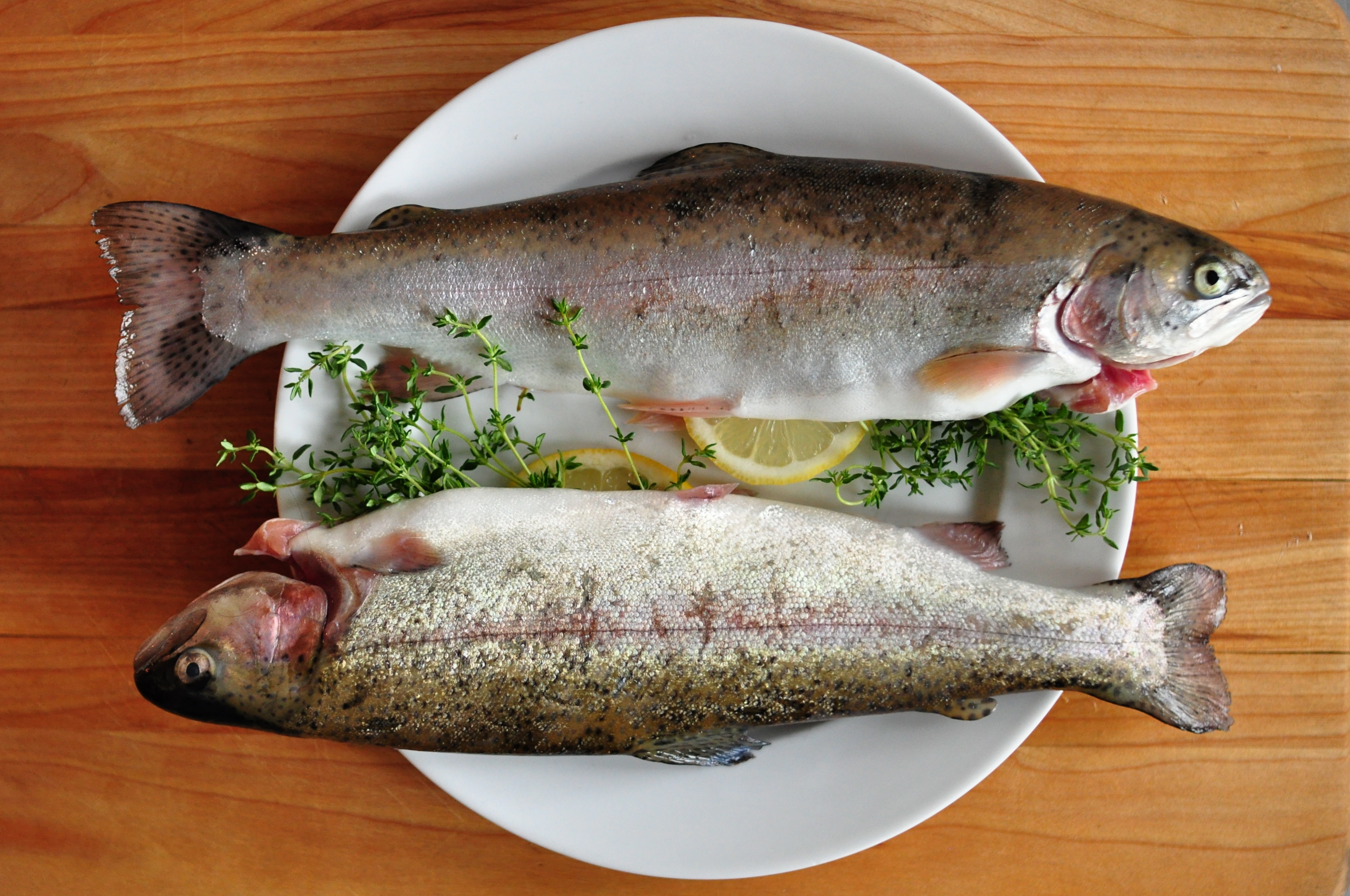
  • Rainbow trout:  These contain more than a day’s recommended serve of omega three fatty acids and are also a good source of vitamin B12 which is important for the health of the nervous system.

  • Halibut:  Once again, these contain almost an entire day’s worth of omega three fatty acids and are low in fat overall, making them a great choice for weight loss as the low fat content also means fewer calories.  They are also high in potassium and vitamin D, but can be high in mercury and so consumption may need to be limited in high risk groups.
  • Sardines, herrings and anchovies:  These fish are all high in omega threes, whether they are fresh or canned.  Canned varieties are an excellent way to incorporate more fish into your diet in a convenient and cheap manner.
Comment below if you found this helpful, let me know what you think :)


Source
References used in this article

Monday, 16 November 2015

6 Best Fish for Weight Loss

Fish are confusing.
Was it halibut that you ate last night—or haddock? Was it fluke or flounder? Redfish or whitefish? Bluefin or yellowtail? Snow crab or stone crab? Which one was good for the environment? Which one was good for your waist? And which one was so loaded with mercury it was like chewing on a thermometer?
One thing we do know for certain is that regularly eating seafood as part of a healthy diet can do wonders for your weight loss goals—so long as you choose the right kind. That’s where the waters get murky again. So we had our research team here at Eat This, Not That! dive into the science behind your seafood. Let’s see if we can’t clear things up with this list of the best fish for losing weight.
1
HALIBUT


You might be surprised to learn that steamed white fish like halibut tops fiber-rich oatmeal and vegetables in the satiety department. The Satiety Index of Common Foods, an Australian study published in the European Journal of Clinical Nutrition, ranks it the number two most filling food—bested only by boiled potatoes for its fullness factor. A separate Australian study that compared the satiety of different animal proteins found a nutritionally similar white fish (flake) to be significantly more satiating than beef and chicken; satiety following the white-fish meal also declined at a much slower rate. Study authors attribute the filling factor of white fish like halibut to its impressive protein content and influence on serotonin, one of the key hormones responsible for appetite signals. Just make sure you avoid tilapia.
2
OYSTERS


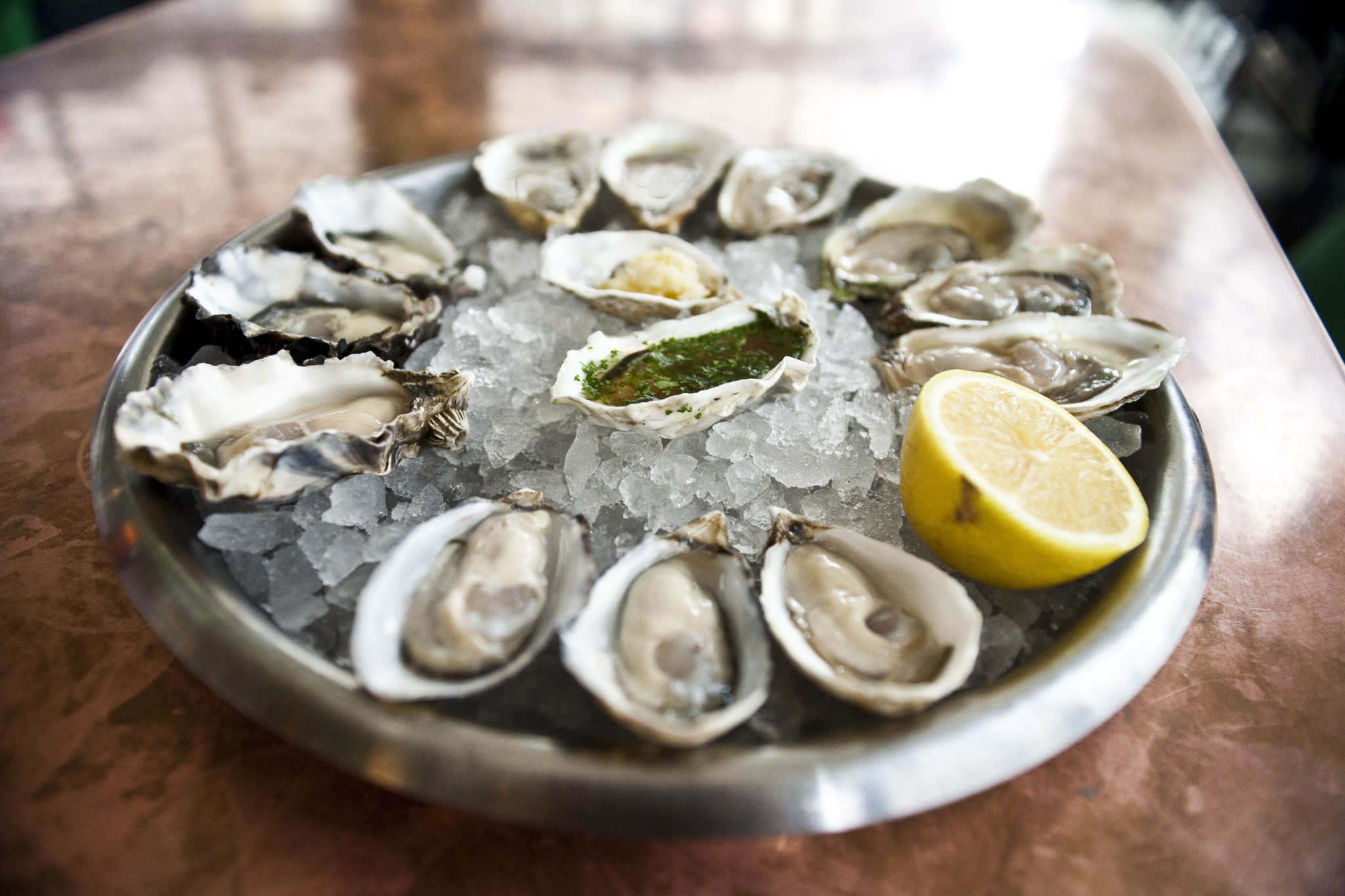
Scientists have yet to prove oysters well-known reputation as an aphrodisiac, but research has shown oysters’ lesser-known potential as natural weight loss aid. A half dozen order will set you back a mere 43 calories (the equivalent of a single Saltine cracker!), and provide 21 percent of your recommended daily allowance for iron, deficiencies of which have been linked to a significant increase in fat gene expression. What’s more, oysters are one of the best food sources of zinc, a mineral that works in tandem with the “I’m hungry!” hormone, leptin, to regulate appetite. Research shows overweight people tend to have higher levels of leptin and lower levels of zinc, in comparison to lean folks. One study in the journal Life Sciences found supplementing with zinc could increase leptin production in obese men by 142 percent. Get a shuck-load of zinc, naturally, with oysters—just six fulfills your recommended daily need by 200 percent! So make a happy-hour habit of hitting up the raw bar for a dozen on the half-shell; the order will get you into your skinny jeans, even if it doesn’t get you into anyone else’s.
3
WILD
SALMON


Don’t let salmon’s relatively high calorie and fat content fool you; studies suggest the oily fish may be one of the best for weight loss. (In fact, it makes our list of the fatty foods that will help you lose weight.) In one study, participants were divided into groups and assigned one of three equi-caloric weight loss diets that included no seafood (the control group), lean white fish, or salmon. Everyone lost weight, but the salmon eaters had the lowest fasting insulin levels and a marked reduction in inflammation. Another study in theInternational Journal of Obesity found that eating three 5-ounce servings of salmon per week for four weeks as part of a low-calorie diet resulted in approximately 2.2 pounds more weight lost than following a equip-calorie diet that didn't include fish. Wild salmon is leaner than farmed, which is plumped up on fishmeal; and it’s also proven to be significantly lower in cancer-linked PCBs. So go wild—literally!
4
SCALLOPS


The seafood jury rules scallops shall remain innocent until proven guilty! While they’re often guilty as by association with creamy and decadent restaurant sauces (not great for weight loss), the high-protein, low-calorie mollusks themselves are great for your waistline, and even your cholesterol. One study published in the Journal of Food Science found bioactive capsules made from scallop byproducts to show significant anti-obesity effects. Animals fed the capsules—a mixture of scallop and seaweed—over the course of 4 weeks showed greater reductions in body weight and body fat, compared to a control, which authors attribute to scallop’s high protein content (In fact, a scallop is 80 percent protein, and the part you eat is the mollusk’s adductor muscle!). A separate study that looked at the effects of different proteins on adipose tissue and glucose tolerance found scallops to reign supreme. Mice fed scallop protein showed lower blood cholesterol and diet-induced obesity levels compared to mice fed equi-caloric portions of casein or chicken protein.
5
LIGHT
CANNED TUNA


Tuna or to-not? That is the question. As a primo source of docosahexaenoic acid (DHA), canned light tuna is one of the best and most affordable fish for weight loss, especially from your belly! One study in the Journal of Lipid Research showed that omega 3 fatty acid supplementation had the profound ability to turn off abdominal fat genes. And while you’ll find two types of fatty acids in cold water fish and fish oils—DHA and eicosapentaenoic acid (EPA)—researchers say DHA can be 40 to 70 percent more effective than EPA at down regulating fat genes in the abdomen, preventing belly fat cells from expanding in size. But what about the mercury? Mercury levels in tuna vary by species; generally speaking, the larger and leaner the fish, the higher the mercury level. Bluefin and albacore rank among the most toxic, according to a study in Biology Letters. But canned chunk light tuna, harvested from the smallest fish, is considered a “low mercury fish” and can–and should!–be enjoyed two to three times a week (or up to 12 ounces), according to the FDA’s most recent guidelines.
tuna on bread
6
PACIFIC
COD


Fish and chips won’t help you lose weight, at least not out of the fryer. But research suggests a regular serving of Pacific cod, the fish that’s typical of fish sticks, may keep you stick thin. One study in the journal Nutrition, Metabolism & Cardiovascular Diseases found that eating five servings of cod per week as part of a low-calorie diet for eight weeks resulted in an extra 3.8 pounds of weight loss compared to a diet with the same amount of calories but no fish. And a second study in the European Journal of Clinical Nutrition found that people ate 11 percent less at dinner after having cod for lunch versus those who ate a beef lunch. Researchers attribute the satiating and slimming properties to cod’s high protein content and amino acid profile, which can help regulate the metabolism. No wonder Captain Birdseye looks so smug!


Comment below if you're a huge fan of food. Would you incorporate more seafood into your diet to boost weight loss? Let me know :)


Source

Sunday, 11 October 2015

Foods That Help Tame Stress

Is There a Stress Management Diet?

Stress: We all have it, and how we handle it can make all the difference. Stress management can be a powerful tool for wellness, since too much stress is bad for you. There are many strategies, and one of them includes what you eat. Read on to learn how a stress management diet can help.


Stress-Busting Foods: How They Work

Foods can help tame stress in several ways. Comfort foods, like a bowl of warm oatmeal, boost levels of serotonin, a calming brain chemical. Other foods can cut levels of cortisol and adrenaline, stress hormones that take a toll on the body over time. A healthy diet can help counter the impact of stress by shoring up the immune system and lowering blood pressure. Do you know which foods are stress busters?

Complex Carbs

All carbs prompt the brain to make more serotonin. For a steady supply of this feel-good chemical, it's best to eat complex carbs, which take longer to digest. Good choices include whole-grain breads, pastas, and breakfast cereals, including old-fashioned oatmeal. Complex carbs can also help you feel balanced by stabilizing blood sugar levels.


Simple Carbs

Dietitians usually recommend steering clear of simple carbs, which include sweets and soda. But in a pinch, these foods can hit the spot. They're digested quickly, leading to a spike in serotonin. Still, it doesn't last long, and there are better options. So don't make these a stress-relieving habit; you should limit them.


Oranges

Oranges make the list for their wealth of vitamin C. Studies suggest this vitamin can curb levels of stress hormones while strengthening the immune system. In one study of people with high blood pressure, blood pressure and levels of cortisol (a stress hormone) returned to normal more quickly when people took vitamin C before a stressful task.


Spinach

Too little magnesium may trigger headaches and fatigue, compounding the effects of stress. One cup of spinach helps you stock back up on magnesium. Don't like spinach? Other green, leafy vegetables are good magnesium sources. Or try some cooked soybeans or a fillet of salmon, also high in magnesium.


Fatty Fish

To keep stress in check, make friends with naturally fatty fish. Omega-3 fatty acids, found in fish such as salmon and tuna, can prevent surges in stress hormones and may help protect against heart disease, depression, and premenstrual syndrome (PMS). For a steady supply of feel-good omega-3s, aim to eat 3 ounces of fatty fish at least twice a week.


Black Tea

Drinking black tea may help you recover from stressful events more quickly. One study compared people who drank 4 cups of tea daily for 6 weeks with people who drank another beverage. The tea drinkers reported feeling calmer and had lower levels of the stress hormone cortisol after stressful situations.


Pistachios

Pistachios, as well as other nuts and seeds, are good sources of healthy fats. Eating a handful of pistachios, walnuts, or almonds every day may help lower your cholesterol, ease inflammation in your heart's arteries, make diabetes less likely, and protect you against the effects of stress. Don't overdo it, though: Nuts are rich in calories.


Avocados

One of the best ways to reduce high blood pressure is to get enough potassium, and half an avocado has more potassium than a medium-sized banana. A little bit of guacamole, made from avocado, might be a good choice when stress has you craving a high-fat treat. Avocados are high in fat and calories, though, so watch your portion size.


Almonds

Almonds are chock-full of helpful vitamins: vitamin E to bolster the immune system, plus B vitamins, which may make you more resilient during bouts of stress or depression. To get the benefits, snack on a quarter of a cup every day.


Raw Veggies

Crunchy raw vegetables can help ease stress in a purely mechanical way. Munching celery or carrot sticks helps release a clenched jaw, and that can ward off tension.


Bedtime Snack

Carbs at bedtime can speed the release of the brain chemical serotonin and help you sleep better. Since heavy meals before bed can trigger heartburn, stick to something light.


Milk

Another bedtime stress buster is the time-honored glass of warm milk. Research shows that calcium eases anxiety and mood swings linked to PMS. Dietitians typically recommend skim or low-fat milk.


Herbal Supplements

There are many herbal supplements that claim to fight stress. One of the best studied is St. John's wort, which has shown benefits for people with mild to moderate depression. Although more research is needed, the herb also appears to reduce symptoms of anxiety and PMS. There is less data on valerian root, another herb said to have a calming effect. Tell your doctor about any supplements you take, so they can check on any possible interactions.


De-Stress With Exercise

Besides changing your diet, one of the best stress-busting strategies is to start exercising. Aerobic exercise boosts oxygen circulation and spurs your body to make feel-good chemicals called endorphins. Aim for 30 minutes of aerobic exercise three to four times a week. If you're not active now, tell your health care provider you're going to start exercising -- they'll root for you and make sure you're ready to get moving.


Source
http://www.webmd.com/diet/ss/slideshow-diet-for-stress-management
Reviewed by Kathleen M. Zelman, MPH, RD, LD on 6/, 014

Friday, 24 July 2015

Hemp for Weight Loss

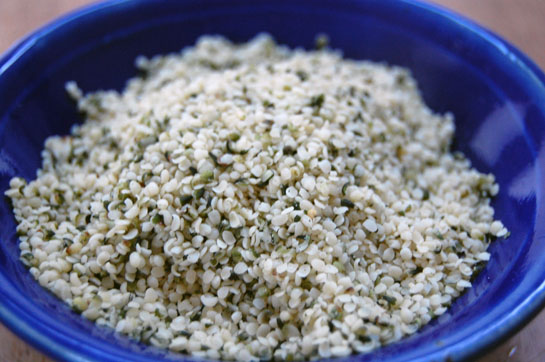
Hemp seeds offer a huge variety of health and medicinal uses for the human body including weight loss. The natural compound of hemp along with its wonderful benefits to the body make it a great, healthy option for many dieters. The most common form of consuming hemp is done through ground hemp seeds, also known as “hemp powder” or by eating the seeds whole.


Popular Ways to Consume Hemp on a Diet

Some dieters will choose to eat hemp seeds. Popular meal choices that can include hemp seeds include salads and soups. Other dieters will choose to use hemp powder in their diets. Hemp powder can easily be sprinkled in many types of foods including yogurt, shakes and smoothies. However, there really is no wrong way to consume hemp, so dieters should feel free to experiment with hemp as a weight loss tool.


Hemp is High in Fiber and Omega 3

One of the best reasons dieters like to add hemp to their diet plan is because it is high in fiber. Fiber helps dieters feel full, which reduces cravings. In addition, hemp is also full of Omega 3, which is an essential fatty acid that the body needs to stay healthy.


Hemp Can Raise the Body’s Metabolism

Since hemp is mostly protein, it can help to raise a person’s metabolism. The reason a persons metabolism may increase is because it takes more energy to burn protein than it does carbohydrates. An increased metabolism may speed up weight loss for many dieters.


No Diet is Complete Without Exercise and Proper Nutrition

Although hemp protein powder, and hemp seeds, are great weight loss tools, they should be used in combination with diet and exercise to achieve maximum results. If dieters are unsure of what type of diet and exercise regimen could help them achieve the best results, they should contact a physician.
Whether dieters take hemp in its protein powder form or eat entire seeds, it can be a great weightloss tool. It’s natural makeup makes it easy to digest and it is not considered an allergen.


Source
http://hempbenefits.org/hemp-for-weight-loss/

Wednesday, 22 July 2015

How to Use Flaxseed Oil for Weight Loss

Both flaxseed oil and ground flaxseed can help with weight loss in ways that most people wouldn’t expect and it has nothing to do with dieting.
Ahead is a look at how flax can help suppress appetite, improve metabolism, regulate blood sugar and insulin, enhance digestion and increase thermogenic fat burning.


Diets Don’t Work

The most important thing to remember when you want to lose weight is do not diet. It simply does not work.
In fact, it’s badder than that. When you significantly reduce the amount of food you eat on a diet you are telling your body there will be a period of restriction and training it to conserve energy and store fat.
It gets worse. Even after you come out of a diet, you’ve taught your body to become more efficient at storing fat.
Very few people actually lose much real body fat on a diet that starves them. Instead, any weight lost is primarily water loss and some muscle wastage. And invariably they end up putting it back on and weighing even more several months later.


Weight Loss and Omega-3

Flaxseed oil is over 50% omega-3 alpha linolenic acid. That’s a fat, but in contrast to the misinformation most of us have been fed about weight loss, healthy fats like omega-3s help us lose weight, not gain it. In fact, it would actually be far more difficult to lose weight without a good intake of omega-3 fatty acids in your diet.
The alpha linolenic acid in flaxseed oil is an essential fatty acid (EFA). Your body needs it to function correctly but cannot make it itself. You have to get it from your diet and most experts seem to think we’re not getting nearly enough of it.
Omega-6 fats like linoleic acid are also considered essential, but modern Western diets are generally very high in omega-6. In fact, it’s quite likely we are getting far too much of them.
The ideal ratio of omega-3 to omega-6 is said to be at least one to five, preferably even one to two. The average American is estimated to be consuming a ratio of around 1 to 20 in favor of omega-6 fats.
This dramatic imbalance in our intake of the essential fatty acids, that are involved in so many vital processes at a cellular level within our body, is theorized to be a major factor in a variety of health issues and diseases. Inflammation conditions such as cardiovascular problems, arthritis, asthma and skin diseases are commonly discussed, but some also believe they may play a role in the current epidemic of obesity.


Flaxseed Oil and Fat Storage

The EFAs in flaxseed meal and flaxseed oil are essential nutrients. Our body needs them and will actually stimulate more hunger when it doesn’t have enough of them. Unfortunately, most of us are not very good at recognizing hunger after we have already eaten as a request by the body for nutrients, rather than more empty carbohydrates.
Simply getting a higher level of nutrition in your meals, by eating foods that are rich in important nutrients like superfoods, will often result in weight loss for many people.
Having ground flaxseed in a meal or taking flax oil when you eat usually increases satiety – that feeling of satisfied fullness after eating. But its benefits for weight loss don’t stop there. Flaxseed oil and especially the ground meal slows down the digestion of a meal, leading to a gentler rise in blood sugar and therefore insulin.
Insulin is the hormone responsible for, amongst many other things, fat storage. When we have a high carb meal with no fiber or essential fatty acids to slow down its digestion, our blood sugar can spike dramatically.
This stimulates fat-storing insulin to correct the blood sugar rise. Not only do you feel tired and lethargic as insulin goes to work, it is also converting the excess carbohydrates in a heavy meal to triglycerides and shuttling them away to the fatty adipose tissue around your hips, waist and belly.
While too much saturated fat and any hydrogenated or manufactured trans fat is unhealthy, with the abundance of simple carbohydrates in most Western diets, it is these that are just as, if not more likely, to be responsible for weight gain than dietary fat alone.
Healthy fats, like those found in flaxseed oil, actually help counteract this process. So don’t avoid all fats if you want to lose weight. Just choose healthier ones and cut right back on the processed carbohydrates that flood your body with fat-storing insulin.
If you would like to understand the type of foods that really cause weight gain and how to use the right kinds of fats to stop feeling hungry and stimulate thermogenic fat burning, then take a different approach to weight loss.
Getting to your ideal weight isn’t about counting calories or excessive exercising. It’s not about eating less and you shouldn’t be constantly hungry. It can actually be as simple as eating the right foods at the right times to ramp up your metabolism for a more effective kind of weight loss.


Flaxseed Oil, Metabolism and Fat Burning

Taking flaxseed oil regularly is believed to improve metabolism and increase thermogenesis (fat-burning). Thermogenesis is a very beneficial process for weight loss wherein specialized brown fat cells increase their fat-burning capabilities. Ironically, one of the best ways to stimulate thermogenesis is by eating more essential fats, like those found in flax.
Given this, it would be beneficial to take the oil or ground flaxseed meal with each main meal of the day if you are trying to lose weight. The page on where to find the best flaxseed oil has some of the best organic and cold pressed oils or cold milled flaxseed options I’ve found.


Ground Flaxseed or Flaxseed Oil for Weight Loss?

Flaxseed oil is very beneficial for losing weight for all of the reasons detailed above. Ground flaxseeds however are a great source of dietary fiber which would help improve digestion and slow blood sugar, and therefore insulin release, even more than flax oil.
While they wouldn’t provide as much essential omega-3 fatty acids, cold milled flax seeds are also an exceptional source of anti-estrogenic lignans that are very important for women as they may reduce the risk of common hormonal cancers.
A good compromise would be a high lignan flaxseed oil with added flaxseed particles, that is still very rich in omega-3 alpha linolenic acid. Ideally though, if you’re serious about weight loss, you could take both flax oil and freshly ground flaxseeds daily and get the best of both worlds.


Source
http://superfoodprofiles.com/flaxseed-oil-weight-loss