Showing posts with label stress eating. Show all posts

Sunday, 11 October 2015

Foods That Help Tame Stress

Is There a Stress Management Diet?

Stress: We all have it, and how we handle it can make all the difference. Stress management can be a powerful tool for wellness, since too much stress is bad for you. There are many strategies, and one of them includes what you eat. Read on to learn how a stress management diet can help.


Stress-Busting Foods: How They Work

Foods can help tame stress in several ways. Comfort foods, like a bowl of warm oatmeal, boost levels of serotonin, a calming brain chemical. Other foods can cut levels of cortisol and adrenaline, stress hormones that take a toll on the body over time. A healthy diet can help counter the impact of stress by shoring up the immune system and lowering blood pressure. Do you know which foods are stress busters?

Complex Carbs

All carbs prompt the brain to make more serotonin. For a steady supply of this feel-good chemical, it's best to eat complex carbs, which take longer to digest. Good choices include whole-grain breads, pastas, and breakfast cereals, including old-fashioned oatmeal. Complex carbs can also help you feel balanced by stabilizing blood sugar levels.


Simple Carbs

Dietitians usually recommend steering clear of simple carbs, which include sweets and soda. But in a pinch, these foods can hit the spot. They're digested quickly, leading to a spike in serotonin. Still, it doesn't last long, and there are better options. So don't make these a stress-relieving habit; you should limit them.


Oranges

Oranges make the list for their wealth of vitamin C. Studies suggest this vitamin can curb levels of stress hormones while strengthening the immune system. In one study of people with high blood pressure, blood pressure and levels of cortisol (a stress hormone) returned to normal more quickly when people took vitamin C before a stressful task.


Spinach

Too little magnesium may trigger headaches and fatigue, compounding the effects of stress. One cup of spinach helps you stock back up on magnesium. Don't like spinach? Other green, leafy vegetables are good magnesium sources. Or try some cooked soybeans or a fillet of salmon, also high in magnesium.


Fatty Fish

To keep stress in check, make friends with naturally fatty fish. Omega-3 fatty acids, found in fish such as salmon and tuna, can prevent surges in stress hormones and may help protect against heart disease, depression, and premenstrual syndrome (PMS). For a steady supply of feel-good omega-3s, aim to eat 3 ounces of fatty fish at least twice a week.


Black Tea

Drinking black tea may help you recover from stressful events more quickly. One study compared people who drank 4 cups of tea daily for 6 weeks with people who drank another beverage. The tea drinkers reported feeling calmer and had lower levels of the stress hormone cortisol after stressful situations.


Pistachios

Pistachios, as well as other nuts and seeds, are good sources of healthy fats. Eating a handful of pistachios, walnuts, or almonds every day may help lower your cholesterol, ease inflammation in your heart's arteries, make diabetes less likely, and protect you against the effects of stress. Don't overdo it, though: Nuts are rich in calories.


Avocados

One of the best ways to reduce high blood pressure is to get enough potassium, and half an avocado has more potassium than a medium-sized banana. A little bit of guacamole, made from avocado, might be a good choice when stress has you craving a high-fat treat. Avocados are high in fat and calories, though, so watch your portion size.


Almonds

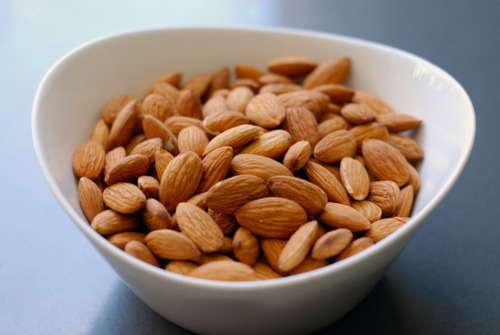
Almonds are chock-full of helpful vitamins: vitamin E to bolster the immune system, plus B vitamins, which may make you more resilient during bouts of stress or depression. To get the benefits, snack on a quarter of a cup every day.


Raw Veggies

Crunchy raw vegetables can help ease stress in a purely mechanical way. Munching celery or carrot sticks helps release a clenched jaw, and that can ward off tension.


Bedtime Snack

Carbs at bedtime can speed the release of the brain chemical serotonin and help you sleep better. Since heavy meals before bed can trigger heartburn, stick to something light.


Milk

Another bedtime stress buster is the time-honored glass of warm milk. Research shows that calcium eases anxiety and mood swings linked to PMS. Dietitians typically recommend skim or low-fat milk.


Herbal Supplements

There are many herbal supplements that claim to fight stress. One of the best studied is St. John's wort, which has shown benefits for people with mild to moderate depression. Although more research is needed, the herb also appears to reduce symptoms of anxiety and PMS. There is less data on valerian root, another herb said to have a calming effect. Tell your doctor about any supplements you take, so they can check on any possible interactions.


De-Stress With Exercise

Besides changing your diet, one of the best stress-busting strategies is to start exercising. Aerobic exercise boosts oxygen circulation and spurs your body to make feel-good chemicals called endorphins. Aim for 30 minutes of aerobic exercise three to four times a week. If you're not active now, tell your health care provider you're going to start exercising -- they'll root for you and make sure you're ready to get moving.


Source
http://www.webmd.com/diet/ss/slideshow-diet-for-stress-management
Reviewed by Kathleen M. Zelman, MPH, RD, LD on 6/, 014

Monday, 7 September 2015

What to Eat When You’re Stressed

It’s 2pm. The day is in full swing. Your head droops toward the floor into your open hand. Running your thumb and forefinger firmly along your temples produces an involuntary grimace that contorts your face as if an attempt to scare away the day’s worries. Your mind wanders toward an escape from the stressors that are running rampant. Mmm, a doughnut left over from breakfast might do the trick. Maybe another cup of coffee will recharge things. That candy bar hiding in the desk drawer wouldn’t be bad either. Will any of these options offer escape or might they just exacerbate the problem? Let’s delve into some tension nutrition!
It’s inevitable that each day will bring challenges and stressors that can result in tremendous tension. Life throws all sorts of obstacles your way; the last thing you need to do is worsen the tension by polluting your body’s internal system with poor food choices. There are three simple questions one must ask when choosing foods during stressful periods:

  1. Why am I eating?
  2. What foods should I eat?
  3. What foods should I avoid?


    Why Am I Eating?

    Eating can be triggered by a multitude of factors other than hunger. If you were to analyze the intricate chemistry of the human body, it is apparent how stressful situations set off a cascade of hormones that can result in an unexpected calorie binge. Problems arise when we consistently give in to this hormonal calling and begin to depend on food as our escape from the tension of life.
    Jane, one of my clients, has experienced this negative eating pattern firsthand. Multiple times she’s discussed with me how challenging it is to not reach for a quick and easy comfort food when the day turns stressful. I continually reinforce to her that allowing your body’s hormones to lead you to eat calorie-dense foods can lead to weight gain. Excess weight increases your risk of diabetes, heart disease, stroke, gallbladder disease, arthritis, and multiple cancers. Carrying extra physical weight takes quite a toll, but accumulating emotional baggage just might be even more treacherous.  Ahead, we’ll look at foods that tame the “overeat hormones” and strategies for avoiding emotional eating.
    Using food as an emotional crutch is an extremely unhealthy habit. Delicious food acts as an easy escape from life’s problems.  Focusing on eating rather than dealing with a stressful situation can develop into a vicious cycle.  Tension leads to bad food choices, bad food choices lead to more tension, more tension results in more overeating, and so on and so on.  This cycle threatens our emotional stability and can wreak havoc on personal spirituality.
    Through years of counseling clients, I’ve discovered that personal spirituality can play a large role in helping one deal with stress, worry, and anxiety without compromising healthy nutritional efforts.  For example, the Bible says to cast all your anxiety on God because He cares about you so much.  If someone truly believes that God loves them, they can release their negative emotions to Him.  The spiritual danger of consistent emotional eating comes as a result of drowning stress and tension in calories rather than bringing those emotions to God.  Food is innocent and meant to be one of the natural pleasures of life.  Only when our relationship with food is distorted, do we encounter potentially serious issues that threaten our spiritual and physical health.  For all facets of your health, it’s important to stay vigilant against the deception of emotional eating.
    Here are four practical ways to squash emotion-driven eating and reduce daily tension.
    • Analyze your hunger. Ask yourself, “Is my brain craving food or is my stomach hungry?”
    • Stay focused. When you feel tension increasing as your tasks pile up, stand up, stretch, have a glass of water, and refocus on the task at hand.
    • Remove temptation. Simply put – you won’t eat what you don’t have.  Don’t keep unhealthy foods in your bag, at your office, or in your car.
    • Consistently ask God for discernment between true hunger and emotional cravings, as well as discipline to resist the temptation when it arises.
    It’s 2pm again.  The day is in full swing.  The tension is mounting as a million things throttle towards you.  Your head droops toward the floor into your open hand and . . . you pray a silent prayer.  Suddenly, you experience peace and better understand the cravings that gnaw at your brain.  Later, with your tension released and delicious food on your plate, you’ll bow your head one more time and thank God for the guilt-free meal you’re about to savor.  But what foods should be included in that meal?  Or, what would be a healthy snack to help tame those “overeat hormones?”


    What Foods Should I Eat? (What to eat when you’re stressed!)

    The basic components of quality nutrition are the best solution for 99% of scenarios.  It’s no different with choosing foods during times of high stress and tension.  While it may not sound quite exotic enough, the best recommendations are fruits, vegetables, quality protein, essential fats, and whole grains.  Each of these foods work together to maintain a stable environment within your body, resulting in consistent energy levels, reduced cravings, ease of concentration, proper digestion, and adequate recovery.  Here’s a little more specificity to help along the way.
    – Broccoli, oranges, bell peppers, papayas, cantaloupe, and tomatoes are all rich in everyone’s favorite nutrient: Vitamin C!  Research has shown that vitamin C helps reduce the physical and psychological effects of stress, as well as encouraging quicker recovery from stressful situations. Quick side note: mega-dosing vitamin C is not beneficial.
    – Leafy greens, soybeans, 100% whole grains, and nuts are good sources of what has been dubbed the “Anti-Stress Mineral”: Magnesium.  Magnesium helps to relax muscles, regulate your heart rhythm, improve quality of sleep, and plays a vital role in the functioning of your nervous system.
– Almonds, walnuts, flax seeds, and most seafood provide the body with essential fatty acids (or EFAs). I often like to call EFAs nature’s miracle workers. Research with EFAs has shown improved mood, more stable blood sugar levels, possibly reduced inflammation, and potentially strengthened immunity. To take advantage of these benefits, I basically  require all of my clients use a quality omega-3 formula everyday. My top recommendations are: Essential Superior Omega-3 Formula (gel caps) or Vitacost Finest Fish Oil (liquid).


For almost all of the above nutrients, there is tremendous nutrient crossover.  The point is – don’t over complicate things.  Just be sure to reach for fruits, vegetables, nuts, 100% whole grains, and/or lean meats.  You can’t go wrong.  Well, actually you can go wrong.  It’s time to look at what foods are on the opposing side against the nutrient rich, anti-stress foods.

What Foods Should I Avoid?
The list of foods you should eat all had one thing in common; they promote a stable environment within your body which helps it perform at peak function.  Using simple logic, it’s easy to predict that the opposite will be true for the foods to avoid.  The following foods have the potential to increase tension, worsen stress, and trigger the “overeat hormones” resulting in emotional eating.
– Highly processed foods can truly pollute your internal environment.  Carbs are the great double-edged sword.  Consuming processed carbohydrates can result in extreme energy swings, drowsiness, lack of concentration, and uncontrollable cravings.  A quick practical list of processed foods to avoid includes: crackers, chips, candy, any bread or grain product that is not 100% whole, most granola bars, cereal, and canned fruit or fruit juice.
– Caffeine is America’s favorite stimulant.  The problem is not with moderate consumption, but with excessive intake.  Consuming too much caffeine actually mimics stress to the body.  Two to three (8 oz) cups of coffee per day is considered average.  Problems tend to arise when people become dependent and consistently increase their intake.  Be sure to monitor yourself and avoid the pitfall of consistently increasing your consumption.


Source
http://coreylittlecoaching.com/tension-nutrition-eat-youre-stressed/