Showing posts with label avocados. Show all posts

Monday, 2 November 2015

What Are The Best Fruits To Eat For Weight Loss?

Fruit sometimes gets a bad reputation in the weight loss world because it has sugar.
Fruit, however, contains many nutrients that are beneficial to your health and can also help keep you full while eating fewer calories.
I rounded up some experts to hear their thoughts on the best fruits to eat for weight loss, which you can find below.

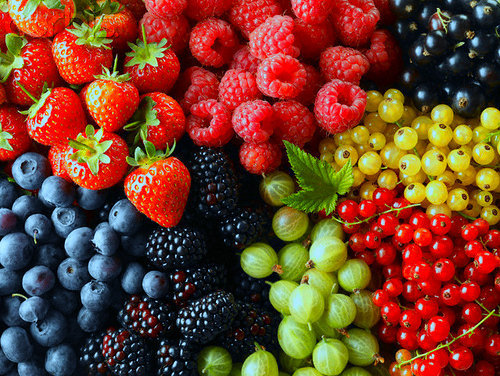
Best Fruits For Weight Loss #1 – Strawberries

I think eating fruit in moderation is great for fat loss because it can effectively help control calorie intake while providing essential vitamins and minerals. My top 3 favorite fruits are strawberries, apples, and grapefruits. A cup of strawberries only has 50 calories and 7 grams of sugar, yet provides 3 grams of fiber. What I also love about strawberries (and all berries) is they satisfy your sweet/sugar cravings as well, and they boast a very impressive nutrient profile. An apple is only 100 calories, is easy to carry around, and makes a great pre-workout snack. After that is grapefruit because it has been shown to help control blood sugar, it really helps fill you up, and I love the taste.
– Marc Perry, CSCS, CPT


Best Fruits For Weight Loss #2 – Berries

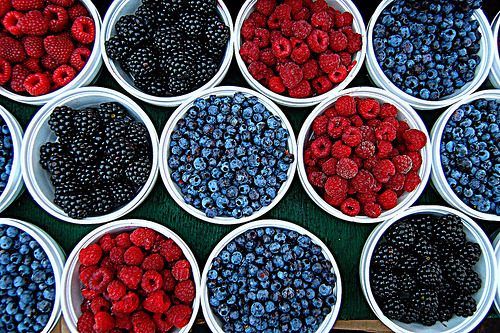
Berries such as blueberries, blackberries, and raspberries are packed full of nutrients and are lower in sugar than other types of fruit such as mangos or bananas. That’s why berries are often lauded as great fat-burning foods. However, fruit in general can help people achieve their fat loss goals. Fruits are nutrient-dense and low calorie, and they help keep a sweet-tooth under control. The fiber in fruit helps with satiety and also slows down the digestion and absorption of fructose, the fruit sugar. With all the vitamins, minerals, and anti-oxidants they provide, fruit is a great food to incorporate into your diet.
– Kristin Rooke


Best Fruits For Weight Loss #3 – Any Fruit

Any fruit is my short answer. Fruits tend to be about 100 calories per serving, don’t spike insulin very high, tend to be high in fiber, are generally a decent source of vitamins and are filling for the amount of calories they contain. I personally like berries, such as blueberries, blackberries, raspberries, etc and organic apples, but really all the fruits have different advantages and eating an overall variety throughout the week can be beneficial.
– John Levya, CSCS, CPT


Best Fruits For Weight Loss #4 – Avocado

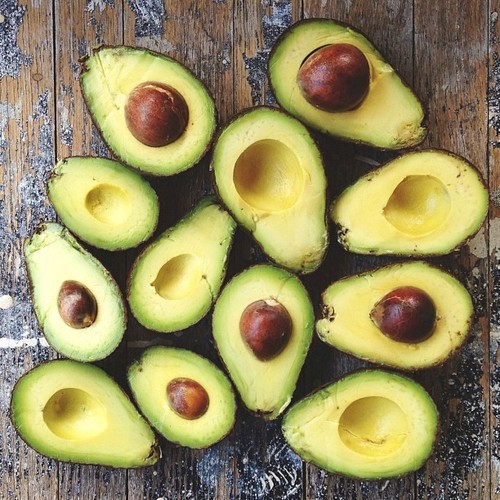
One fruit that may help with fat-loss are avocados. Most people who follow a restricted carbohydrate diet fail to increase their fat content high enough to keep their bodies and metabolisms operating optimally. Per fruit, avocados have about 20 grams of healthy fats which over the course of a day is relatively low. Higher fat may not only increase metabolism but also increase testosterone levels which is one of the main hormones responsible in fat loss for both men AND women.
– Stephen Bergeron, CSCS, CPT


Best Fruits For Weight Loss #5 – Grapefruit

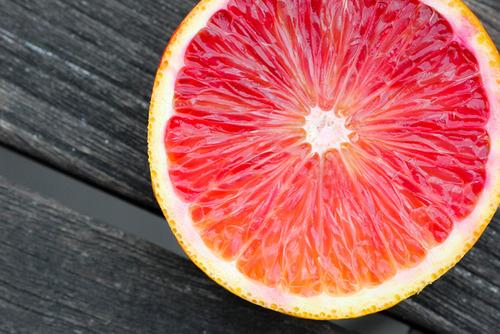
The best fruits to eat for fat loss are the ones that will allow you to eat fewer calories than you burn. For example, although a banana is higher in sugar and calories than a handful of grapes, if eating a banana will make it less likely that you will raid the vending machine in search of a Snicker’s bar, it is a better choice. Lifestyle issues aside, my pick for best fat-burning food is grapefruit. Grapefruit’s high water content helps increase feelings of fullness while providing very few calories. In fact, it takes more energy to digest grapefruit than it contains in calories. While this does not mean someone can eat grapefruit along with anything else he or she pleases and lose weight, adding it to a well-balanced nutrition plan will certainly aid in fat loss.
– Charlie Seltzer, MD


Source

Sunday, 11 October 2015

Foods That Help Tame Stress

Is There a Stress Management Diet?

Stress: We all have it, and how we handle it can make all the difference. Stress management can be a powerful tool for wellness, since too much stress is bad for you. There are many strategies, and one of them includes what you eat. Read on to learn how a stress management diet can help.


Stress-Busting Foods: How They Work

Foods can help tame stress in several ways. Comfort foods, like a bowl of warm oatmeal, boost levels of serotonin, a calming brain chemical. Other foods can cut levels of cortisol and adrenaline, stress hormones that take a toll on the body over time. A healthy diet can help counter the impact of stress by shoring up the immune system and lowering blood pressure. Do you know which foods are stress busters?

Complex Carbs

All carbs prompt the brain to make more serotonin. For a steady supply of this feel-good chemical, it's best to eat complex carbs, which take longer to digest. Good choices include whole-grain breads, pastas, and breakfast cereals, including old-fashioned oatmeal. Complex carbs can also help you feel balanced by stabilizing blood sugar levels.


Simple Carbs

Dietitians usually recommend steering clear of simple carbs, which include sweets and soda. But in a pinch, these foods can hit the spot. They're digested quickly, leading to a spike in serotonin. Still, it doesn't last long, and there are better options. So don't make these a stress-relieving habit; you should limit them.


Oranges

Oranges make the list for their wealth of vitamin C. Studies suggest this vitamin can curb levels of stress hormones while strengthening the immune system. In one study of people with high blood pressure, blood pressure and levels of cortisol (a stress hormone) returned to normal more quickly when people took vitamin C before a stressful task.


Spinach

Too little magnesium may trigger headaches and fatigue, compounding the effects of stress. One cup of spinach helps you stock back up on magnesium. Don't like spinach? Other green, leafy vegetables are good magnesium sources. Or try some cooked soybeans or a fillet of salmon, also high in magnesium.


Fatty Fish

To keep stress in check, make friends with naturally fatty fish. Omega-3 fatty acids, found in fish such as salmon and tuna, can prevent surges in stress hormones and may help protect against heart disease, depression, and premenstrual syndrome (PMS). For a steady supply of feel-good omega-3s, aim to eat 3 ounces of fatty fish at least twice a week.


Black Tea

Drinking black tea may help you recover from stressful events more quickly. One study compared people who drank 4 cups of tea daily for 6 weeks with people who drank another beverage. The tea drinkers reported feeling calmer and had lower levels of the stress hormone cortisol after stressful situations.


Pistachios

Pistachios, as well as other nuts and seeds, are good sources of healthy fats. Eating a handful of pistachios, walnuts, or almonds every day may help lower your cholesterol, ease inflammation in your heart's arteries, make diabetes less likely, and protect you against the effects of stress. Don't overdo it, though: Nuts are rich in calories.


Avocados

One of the best ways to reduce high blood pressure is to get enough potassium, and half an avocado has more potassium than a medium-sized banana. A little bit of guacamole, made from avocado, might be a good choice when stress has you craving a high-fat treat. Avocados are high in fat and calories, though, so watch your portion size.


Almonds

Almonds are chock-full of helpful vitamins: vitamin E to bolster the immune system, plus B vitamins, which may make you more resilient during bouts of stress or depression. To get the benefits, snack on a quarter of a cup every day.


Raw Veggies

Crunchy raw vegetables can help ease stress in a purely mechanical way. Munching celery or carrot sticks helps release a clenched jaw, and that can ward off tension.


Bedtime Snack

Carbs at bedtime can speed the release of the brain chemical serotonin and help you sleep better. Since heavy meals before bed can trigger heartburn, stick to something light.


Milk

Another bedtime stress buster is the time-honored glass of warm milk. Research shows that calcium eases anxiety and mood swings linked to PMS. Dietitians typically recommend skim or low-fat milk.


Herbal Supplements

There are many herbal supplements that claim to fight stress. One of the best studied is St. John's wort, which has shown benefits for people with mild to moderate depression. Although more research is needed, the herb also appears to reduce symptoms of anxiety and PMS. There is less data on valerian root, another herb said to have a calming effect. Tell your doctor about any supplements you take, so they can check on any possible interactions.


De-Stress With Exercise

Besides changing your diet, one of the best stress-busting strategies is to start exercising. Aerobic exercise boosts oxygen circulation and spurs your body to make feel-good chemicals called endorphins. Aim for 30 minutes of aerobic exercise three to four times a week. If you're not active now, tell your health care provider you're going to start exercising -- they'll root for you and make sure you're ready to get moving.


Source
http://www.webmd.com/diet/ss/slideshow-diet-for-stress-management
Reviewed by Kathleen M. Zelman, MPH, RD, LD on 6/, 014

Thursday, 23 July 2015

8 Reasons Avocado Is a Perfect Weight-Loss Food

Avocado was all like, "Look at me, I'm the good fat!" and Butter was like, "Show-off!" Trendy, popular and a bit of an overachiever in the health department, avocado is like the homecoming queen of the fats parade. It's actually a single-seeded berry native to Mexico, but at 322 calories and 29 grams of fat -- 10 to 20 times what you'll find in any other item in the produce aisle -- the avocado can arguably be considered more of a fat than a fruit.
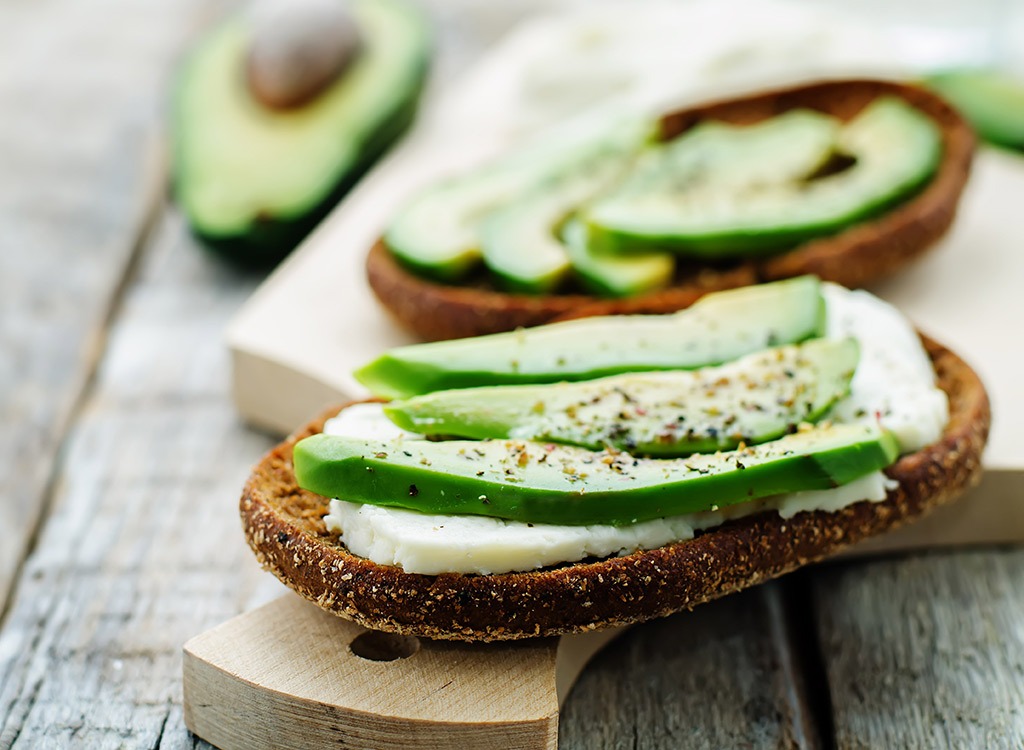
2015-02-09-avocadosandwich1024.jpg
Moreover, it's the mono-unsaturated fat content of an avocado -- 20 grams per berry -- that researchers say make it so special, and deserving of the health food fame. With its proven ability to lower cholesterol, quell hunger pangs and even spot-reduce belly fat, the avocado is arguably a perfect dietary staple for weight loss. Here are eight reasons why:


1. It's a bad guy bouncer.

Apples are so cliche. Researchers now say it's an avocado a day that can really keep the doctor -- and your cholesterol levels -- at bay. One study in the Journal of the American Heart Association put 45 overweight people on one of three different cholesterol-lowering diets for five weeks. One diet was lower in fat, providing 24 percent of total calories (11 from monounsaturated fats), and didn't include an avocado. A second, non-avocado diet was more moderate in fat, providing 34 percent of total calories (17 percent from MOFAs). The third was equally moderate in fat, at 34 percent, but included one whole Haas avocado per day.


The result? Low-density lipoprotein (LDL), the "bad" cholesterol, was 13.5 mg/dL lower among the avocado dieters -- enough to significantly reduce the risk of heart disease. LDL was also lower on the moderate fat diet without the avocado (8.3 mg/dL lower) and the lower fat diet (7.4 mg/dL lower), but the results were not as striking. Researchers attribute the results to avocado's monounsaturated fat content (a type of heart-healthy fat molecule that has one unsaturated carbon bond), which may play an important part in lowering elevated cholesterol -- a factor in insulin resistance, excess weight and obesity. So grab a spoon, a sprinkling of kosher salt or spice if you so wish, and get snacking!


2. It's a belt shrinker.

Do a little belly dance! Make a little lunch! And get down on avocado oil. Researchers say swapping your cooking and finishing oils for varieties like avocado oil that are rich in monounsaturated and oleic fatty acids can spot-reduce abdominal fat, which may decrease the risk for metabolic syndrome -- the name for a combination of negative health markers associated with weight gain.


A recent Penn State study found people who consumed 40 grams (about 3 tablespoons) of high-oleic oils on a daily basis for four weeks lowered their belly fat by 1.6 percent compared to those who consumed a flax/safflower oil blend, which is comparatively high in polyunsaturated fat. A second study in the journal Diabetes Care found similar results: A diet rich in monounsaturated fat may actually prevent body fat distribution around the belly by down regulating the expression of certain fat genes. One tablespoon of mild and slightly nutty-tasting avocado oil is about 120 calories and 10 grams of monounsaturated fat -- a nutritional profile almost identical to extra virgin olive oil. But unlike EVOO, avocado oil has a very high smoke point, so you can use it for sautés and stir-frys without risk of creating free radicals that can harm your health.

3. It's a nutrient booster.

Low-calorie, vitamin-rich and chock-full of important nutrients that can shrink your waist, vegetables are a dieter's best friend -- but you won't get much benefit from a garden salad without adding a little fat, researchers say. And when it comes to fat, the type found in avocados reigns supreme.


In one study, published in the journal Molecular Nutrition & Food Research, researchers fed participants salads topped with saturated, monounsaturated and polyunsaturated fat-based dressings and tested their blood for absorption of fat-soluble carotenoids -- disease fighting compounds associated with improved weight and fat loss.
The result? Veggies topped with monounsaturated-fat required the least amount -- just 3 grams -- to get the most carotenoid absorption, while saturated fat and polyunsaturated fat dressings required higher amounts of fat (20 grams) to get the same benefit. Another study in the Journal of Nutrition found that adding avocado to salad allowed participants to absorb three to five times more carotenoids. Give your greens the ultimate nutrient boost with a dollop of flavorful guacamole, a few slices of fresh avocado, or a tablespoon of avocado oil-based vinaigrette. Those dressing-on-the-side folks don't know what they're missing.

4. It's a radical fighter.

There's a war going on inside your body! The free radicals have launched an attack on the mitochondria and it's sabotaging your metabolism! What the what? Free radicals are destructive rogue oxygen molecules -- natural byproducts of metabolism -- that trigger various chain reactions in the body that destroy cells and DNA, causing all kinds of health problems.


Antioxidants in fresh fruits and vegetables can help neutralize some free radicals, but they can't reach the mitochondria -- base camp for the free radical army. And that's a problem. When your mitochondria aren't working properly, your metabolism runs less efficiently. Enter: Avocado. New research conducted in Mexico found that monounsaturated-rich oil pressed from the fruit can help mitochondria survive attack. Researchers say the results jive with low-disease rates in Mediterranean countries where olive oil -- nutritionally similar to the avocado -- is a diet staple. In fact, study authors predict avocado oil could eventually be referred to as "the olive oil of the Americas." So put down the white flag and pick up a green fruit. It's good for your metabolism and patriotic to boot.


5. It's a hunger squasher.

A scoop of guacamole may be one of the most effective hunger-squashers known to man. In a study published in Nutrition Journal, participants who ate half a fresh avocado with lunch reported a 40 percent decreased desire to eat for hours afterwards. At only 60 calories, a two-tablespoon serving of guacamole (on top of eggs, salads, grilled meats, etc.) can provide the same satiety benefit with even more of a flavor-punch. Just 86 the chips and be sure when buying store-bought guac that avocados actually made it into the jar. Believe it or not, many are made without the real fruit! We love Wholly Guacamole as a store brand, and they've just released perfectly portioned "minis" so you don't have to worry about going overboard.


6. It's a gateway drug.

You know that friend who's always thinner, lighter and healthier than you? What's his secret? Not money, not genes... perhaps just regular consumption of avocado, according to the National Health and Nutrition Examination Survey (NHANES), a program of the Centers for Disease Control and Prevention (CDC).


The survey results, published in Nutrition Journal, found that eating half a medium-sized avocado on a daily basis was highly correlated with improved overall diet quality and a 50 percent reduced risk of metabolic syndrome. Not only did the avocado eaters report a lower body mass index and smaller waist circumference, they also consumed significantly more fruits and vegetables, and fiber and vitamin K -- nutrients associated with weight loss. Avocado: the gateway drug to a healthier, leaner lifestyle.


7. It's a sweet stabilizer. 

Sure, avocado's got all the right junk in all the right places, but fat isn't the only thing the fruit has going for it. An avocado also provides nearly 20 vitamins, minerals and phytonutrients essential for healthy weight management, including 14 grams of satiating fiber and 66 percent (60 micrograms) of your daily need for vitamin K -- a nutrient that helps regulate sugar metabolism and insulin sensitivity.


One study in the journal Diabetes Care found men and women whose vitamin K intake was among the highest 25 percent of subjects showed a 19 percent lower risk of developing diabetes over the course of 10 years compared with those whose intake was among the lowest fourth. Leafy greens are an even richer source of the vitamin, so pair a wedge of creamy avocado with your side salad and you're bound to get your fill. Stabilizing blood sugar has never been so tasty.

8. It's a calorie crusher. 

Pre-workout supplements claim to give you that extra boost you need to sweat it out for just a little longer than usual. According to researchers, eating avocado can provide the same energy boost, naturally. A study in the American Journal of Clinical Nutrition compared the effects of a three-week diet high in palmitic acid (saturated fat) to an equi-caloric diet high in oleic-acid (monounsaturated fats). The subjects followed each diet for three weeks at a time, during which researchers assessed physical activity and metabolic rate after eating.


The results? Physical activity was 13.5 percent higher during the high oleic-acid diet and post-meal metabolism was 4.5 percent higher as compared to the palmitic stretch. Bottom line: swap fried foods, baked goods and butter for snacks and oils that are high in monounsaturated fat like fresh avocado or avocado oil for a clean energy boost that keeps your metabolism burning, even after you've left the gym.


Source
http://www.huffingtonpost.com/david-zinczenko/8-reasons-avocado-is-a-pe_b_6648104.html

Sunday, 12 April 2015

Using Avocados for Weight Loss

A long disproven, yet still persistent dietary fallacy is the simplistic belief that we get fat just by eating fat.

The way that the fatty acids we consume in our diet affect whether we gain or lose weight is much more complex than that. Lumping them all together, as many dietitians and doctors are still doing, is almost certainly contributing to the obesity epidemic in the UK and around the developed world.

The fact is some dietary fats, like those found in avocado, can actually help with weight loss. Here’s why.

 http://archive.constantcontact.com/fs021/1101804031038/archive/1106001793944.html

Does Fat Make You Fat?

There is much more debate in recent years on whether saturated fats are really the bad guy they’ve been made out to be. A far worse culprit, not just for weight gain, but also serious health problems like heart disease, has been found in the trans and hydrogenated fats found in margarine and the vegetable oil shortening used in so many processed foods.

There is also a lot of scientific evidence that the massive increase in refined carbohydrates are a much more effective weight gain trigger, and they, not saturated fat, are behind the rocketing levels of obesity and related diseases.

If you would like to find out the common foods that really cause weight gain and how to use certain kinds of fats to stop feeling hungry and stimulate thermogenic fat burning, then see the fat burning furnace site.

That website also covers using a different way of exercising to lose body fat in less than an hour a week and why eating specific foods at the right times can ramp up your metabolism for more effective weight loss.

One of those metabolism enhancing foods are avocados with their high levels of beneficial monounsaturated fats. Here’s why it’s worth adding more, not less avocado to your diet if you want to lose weight.

Monounsaturated Fats and Calories in Avocados

While avocados are relatively high calorie food with 100 grams of the fresh fruit providing around 160 calories, more than two thirds of those calories come from monounsaturated oleic acid. Studies have demonstrated that monounsaturated fats like oleic acid are much more likely to be utilized by your body as a slow burning energy source than saturated fat.

Increasing your intake of monounsaturated fats, versus both polyunsaturated fats and carbohydrates, has also been shown to provide a marked improvement in insulin sensitivity and glycemic control – a major factor in weight gain and developing diabetes.
As an additional health benefit, eating a diet high in the omega-9 fats, of which avocado is one of the best sources, has been shown to have the potential to reduce blood levels of ‘bad’ low-density lipoprotein cholesterol, at the same time as raising ‘good’ high-density lipoprotein cholesterol.
Omega-9 fat also aids in the absorption of fat soluble vitamins and antioxidants from the food they are eaten with.
The health benefits of avocado on their own are quite amazing. However, when you eat them with leafy greens in a salad, or with high antioxidant vegetables like butternut squash, it can significantly improve your assimilation of the nutritional elements in the other foods as well.
http://www.livescience.com/45209-avocado-nutrition-facts.html

Weight Loss and Hunger

Apart from the obvious health benefits of getting more vitamins and antioxidants out of the food you eat, the way avocados improve nutrient absorption in a meal can also help reduce hunger.

This is due to the feeling of being hungry often associated, not with a real need by our bodies for more food, but rather a couple of other reasons which are a big part of why so many people find it so hard to lose weight.

Firstly, many of us don’t drink nearly enough water, are regularly mildly dehydrated, and end up mistaking hunger for thirst. Next time you are hungry, try reaching for a glass of water, especially before having any salt laden snack food which will only increase that dehydration.

At other times, particularly when you’ve had food a short time ago, the feeling of hunger is your body’s way of trying to get more of the nutrients it needs that weren’t provided in the last meal.

By eating more of nature’s healthiest foods, like avocados, almonds and others on this site, you are much less likely to feel hungry again a short time after you’ve eaten.

In the case of avocados, with their rich and buttery taste, healthy monounsaturated fats, high fibre content, good levels of protein and particularly low carbohydrates, you have a food that significantly increases satiety – that feeling of satisfied fullness after you eat.

Despite their calories and fat content, avocados ability to increase the nutrition you receive from a meal and satisfy your hunger results in most people actually eating less when they add them to their diet. In this way, the avocado can be viewed, not as something to be avoided by dieters, but rather as an effective weight loss food when added to a healthy eating plan.

In comparison, having high carbohydrate meals based around foods like bread, potatoes, corn, rice and pasta will usually increase hunger significantly by the effect it has on the insulin levels in your blood.

Avocados, Weight Loss and Insulin

Amongst many important other things, insulin is the powerful hormone that removes excessive glucose from your blood. It stores this excess glucose, in small amounts in the liver and muscles, but once those are full, in your waist’s adipose fat cells.

To make matters worse, this process of storing carbohydrates as fat regularly leads to low blood sugar. This stimulates more hunger for carbs and the process repeats itself again.

It has been named the insulin rollercoaster for obvious reasons. But you have to ask yourself, are those short sugar highs really worth the constant hunger and resulting tiredness and weight gain that so many of us are putting ourselves through on it each day?

The only good time for a big carbohydrate meal is the night before heavy exercise if your fitness level is already high. For most of us, there’s a more steady energy level and a natural and effective weight loss in an eating plan low in high glycemic carbohydrates like grains. Instead base your meals around nutritious vegetables, healthy sources of protein and beneficial fats like those found in avocado.

Breakfast is actually the most important meal of the day for weight loss. By making low-carbohydrate and high-protein avocado recipes, such as the delicious avocado breakfast omelette coming up next, you can start off your morning with your hunger satisfied and not feeling the need to eat for much longer than if you had toast or cereal.
 http://www.huffingtonpost.com/david-zinczenko/8-reasons-avocado-is-a-pe_b_6648104.html

It’s eating like this, not counting calories, starving yourself or trying to avoid all fats, especially healthy ones like those found in avocados and particularly nuts like almonds, that is the real key to effective weight loss.


Source
http://healthiestfoods.co.uk/avocados-for-weight-loss