Thursday, 2 April 2015

Best Diet Tips Ever -- 22 Ways to Stay on Track

Tip No. 1: Drink plenty of water or other calorie-free beverages.

Before you tear into that bag of potato chips, drink a glass of water first. People sometimes confuse thirst with hunger, so you can end up eating extra calories when an ice-cold glass of water is really all you needed. If plain water doesn't cut it, try drinking flavored sparkling water or brewing a cup of fruit-infused herbal tea

Tip No. 2: Be choosy about nighttime snacks.

Mindless eating occurs most frequently after dinner, when you finally sit down and relax. Snacking in front of the TV is one of the easiest ways to throw your diet off course. Either close down the kitchen after a certain hour, or allow yourself a low-calorie snack, like a 100-calorie pack of cookies or a half-cup scoop of low-fat ice cream.

Tip No. 3: Enjoy your favorite foods.

Instead of cutting out your favorite foods altogether, be a slim shopper. Buy one fresh bakery cookie instead of a box, or a small portion of candy from the bulk bins instead of a whole bag. You can still enjoy your favorite foods -- the key is moderation.
 https://www.pinterest.com/pin/490259109407970057/

Tip No. 4: Eat several mini-meals during the day.

If you eat fewer calories than you burn, you'll lose weight. But when you're hungry all the time, eating fewer calories can be a challenge. "Studies show people who eat 4-5 meals or snacks per day are better able to control their appetite and weight," says obesity researcher Rebecca Reeves, DrPH, RD. She recommends dividing your daily calories into smaller meals or snacks and enjoying most of them earlier in the day -- dinner should be the last time you eat.

Tip No. 5: Eat protein at every meal.

Protein is the ultimate fill-me-up food -- it's more satisfying than carbs or fats and keeps you feeling full for longer. It also helps preserve muscle mass and encourages fat burning. So be sure to incorporate healthy proteins like seafood, lean meat, egg whites, yogurt, cheese, soy, nuts, or beans into your meals and snacks.
http://canyoufreeze.com/cooked-salmon/ 
 

Tip No. 6: Spice it up.

Add spices or chilies to your food for a flavor boost that can help you feel satisfied. "Food that is loaded with flavor will stimulate your taste buds and be more satisfying, so you won’t eat as much," says American Dietetic Association spokeswoman Malena Perdomo, RD. When you need something sweet, suck on a red-hot fireball candy. It's sweet, spicy, and low in calories.

Tip No. 7: Stock your kitchen with healthy, convenient foods.

Having ready-to-eat snacks and meals-in-minutes on hand sets you up for success. You'll be less likely to hit the drive-through or order a pizza if you can throw together a healthy meal in five or 10 minutes. Here are some essentials to keep on hand: frozen vegetables, whole-grain pasta, reduced-fat cheese, canned tomatoes, canned beans, pre-cooked grilled chicken breast, whole grain tortillas or pitas, and bags of salad greens.

Tip No. 8: Order children's portions at restaurants.

Ordering a child-size entree is a great way to cut calories and keep your portions reasonable. This has become such a popular trend that most servers won't bat an eye when you order off the kids' menu. Another trick is to use smaller plates. This helps the portions look like more, and if your mind is satisfied, your stomach likely will be, too.
https://goodfamilyrestaurants.wordpress.com/tag/family-eating/

Tip No. 9: Swap a cup of pasta for a cup of vegetables.

Simply by eating less pasta or bread and more veggies, you could lose a dress or pants size in a year. "You can save from 100-200 calories if you reduce the portion of starch on your plate and increase the amount of vegetables," says Cynthia Sass, RD, a spokeswoman for the American Dietetic Association.

Tip No. 10: Always eat breakfast.

It seems like an easy diet win: Skip breakfast and you'll lose weight. Yet many studies show the opposite can be true. Not eating breakfast can make you hungry later, leading to too much nibbling and binge eating at lunch and dinner. To lose weight -- and keep it off -- always make time for a healthy morning meal, like high-fiber cereal, low-fat milk, and fruit.
http://otherplacecatering.com/menus/breakfast/

Tip No. 11: Include fiber in your diet.

Fiber aids digestion, prevents constipation, and lowers cholesterol -- and can help with weight loss. Most Americans get only half the fiber they need. To reap fiber's benefits, most women should get about 25 grams daily, while men need about 38 grams -- or 14 grams per 1,000 calories. Good fiber sources include oatmeal, beans, whole grain foods, and a variety of fruits and vegetables

Tip No. 12: Clean the cupboards of fattening foods.

If you have chips in the pantry and ice cream in the freezer, you're making weight loss harder than it has to be. Reduce temptation by purging the cupboards of fattening foods. Want an occasional treat? Make sure you have to leave the house to get it -- preferably by walking.

Tip No. 13: Lose weight slowly.

If you're losing weight but not as fast as you'd like, don't get discouraged. Dropping pounds takes time, just like gaining them did. Experts suggest setting a realistic weight loss goal of about one to two pounds a week. If you set your expectations too high, you may give up when you don’t lose weight fast enough. Remember, you start seeing health benefits when you've lost just 5%-10% of your body weight.

Tip No. 14: Weigh yourself once a week.

People who weigh themselves regularly tend to have more weight loss success. But most experts suggest weighing yourself only once a week, so you're not derailed by daily fluctuations. When you weigh yourself, follow these tips: Weigh yourself at the same time of day, on the same day of the week, on the same scale, and in the same clothes.

Tip No. 15: Get enough sleep.

When you're sleep deprived, your body overproduces the appetite-stimulating hormone ghrelin but under-produces the hormone leptin, which tells you when you're full. Getting enough sleep may make you feel rested and full and keep you from doing unnecessary snacking.
http://blog.adairs.com.au/blog/did-you-know/sleep-temperature-lowest-3am

Tip No. 16: Understand portion sizes.

We're so used to super-sizing when we eat out that it's easy to carry that mind-set home. To right-size your diet, use a kitchen scale and measuring cups to measure your meals for a week or two. Use smaller plates and glasses to downsize your portions. Split restaurant servings in half -- making two meals out of one big one. Portion out snack servings instead of eating them directly from the container.

Tip No. 17: Eat more fruits and vegetables.

The best "diet" is one where you get to eat more food, not less. If you eat more fruits and vegetables, you shouldn't feel as hungry because these nutrient-rich foods are also high in fiber and water, which can give you a feeling of fullness. Snacking can be a good thing as long as you choose smart snacks.

Tip No. 18: Limit alcohol to weekends.

Alcohol contains empty calories: a five-ounce glass of wine has 125, a bottle of beer about 153. Because our bodies don't use those calories well, they usually get converted directly into fat. If you enjoy an occasional drink, consider a compromise. Enjoy your favorite alcoholic beverage on weekends only, with just one drink for women per day, two for men.

Tip No. 19: Chew sugarless gum.

The next time you want to grab a fattening snack, reach for some sugar-free gum instead. Chewing some types of gum gives you fresh breath and can also help manage hunger, control snack cravings, and aid in weight loss. (Keep in mind, however, that excess sorbitol, a sugar alcohol sometimes used in low calorie gums, can have an laxative effect in some people.) Although gum might make you eat less, it doesn't mean you can stop eating right. A good diet and exercise are still important.

Tip No. 20: Keep a food diary.

A simple pen and paper can dramatically boost your weight loss. Studies show the act of writing down what you eat and drink tends to make you more aware of what, when, and how much you're consuming -- leading you to ultimately take in fewer calories. One study found that people who kept a food diary six days a week lost about twice as much as those who only kept a diary one day a week or less.

Tip No. 21: Celebrate success (but not with food).

You lost five pounds this month and walked every other day? Time to celebrate! Rewarding weight loss success really can encourage more success, so revel in your achievements. Buy a CD, take in a movie, and set a prize for the next milestone. Just don't celebrate with a sundae or deep dish pizza.

Tip No. 22: Get help from family and friends.

Getting support can help you reach your weight loss goals. So tell family and friends about your efforts to lead a healthy lifestyle. Maybe they'll join you in exercising, eating right, and losing weight. When you feel like giving up, they'll help you, keep you honest, and cheer you on -- making the whole experience a lot easier.

http://www.gulfcoastbariatrics.com/weight-loss-surgery-blog/support-groups-weight-loss-help
 
SOURCE
American Academy of Family Physicians.
American Dietetic Association.
Astbury, N.M. Journal of Nutrition, July 1, 2011.
Barrie Wolfe-Radbill, RD, New York University Surgical Weight Loss Program, New York.
Bauditz, J. British Medical Journal, January 12, 2008.
Cleveland Clinic's Miller Family Heart & Vascular Institute.
Dawn Jackson Blatner, RD, spokeswoman, American Dietetic Association.
Elder, C.R. International Journal of Obesity, March 29, 2011.
Hollis, J. American Journal of Preventive Medicine, August 2008.
International Journal of Eating Disorders, March 2005.
International Journal of Obesity, August 2005.
Janet Polivy, PhD, psychologist, University Of Toronto at Mississauga, Ontario, Canada.
Jennifer A. Linde, PhD, assistant professor of epidemiology, University of Minnesota Twin Cities Campus, Minneapolis.
Jennifer Waugh, RD, LDN, clinical nutrition manager, Mercy Medical Center, Baltimore.
Ludy, M. Physiology & Behavior, March 1, 2011.
Obesity Research, November 2005.
Paul P. Baard, PhD, motivational and sport psychologist; associate professor, Fordham University.
Pereira, M.A. Journal of Nutrition, January 1, 2011.
USDA Nutrient Database.
Weight Control Information Network.
 http://www.webmd.com/diet/ss/slideshow-best-diet-tips-ever

Foods that increase weight loss

Kidney beans

One of several varieties of beans to make the list, red beans offer protein and fiber (more than 5 grams per serving!). Kidney beans are also rich in Resistant Starch; a 1/2-cup serving packs nearly 2 grams of this slimming carb.

Almonds

Nuts are another superfood rich in healthy fats that help you slim down.

Almonds in particular can help you shed pounds: In one study, people who added a daily helping of the nuts to a low-cal diet lost more weight than people who followed the same diet but swapped almonds for a carb-heavy snack like crackers.

Green tea

This steamy sip hydrates like water, which can help fill you up and shed pounds. Plus, the antioxidants in green tea will up your fat burn and calorie burn. One study found that five cups a day could help you lose twice as much weight, most of it around your middle.

http://nutritionresearchlab.com/fat-loss-step-sip-green-tea/

Lentils

Lentils are a great source of satiating protein and fiber. A half-cup serving delivers 3.4 grams of Resistant Starch, a healthy carb that boosts metabolism and burns fat

Bananas

Bananas are a slimming superfood at the heart of Health's CarbLovers Diet. A slightly green, medium-size banana will fill you up and boost your metabolism with its 12.5 grams of Resistant Starch. Even a ripe banana still ranks high on the list of foods containing RS, with almost 5 grams.

Eggs

Eggs get a bad rap when it comes to weight loss. But the breakfast staple is loaded with protein that will curb your appetite. One study found that overweight women who ate egg breakfasts lost twice as much weight as women who started their days with bagels.

And don't worry about cholesterol: The study found that egg eaters don't have higher bad cholesterol or lower good cholesterol than bagel eaters.

Dark chocolate

Chocolate lovers, rejoice! A nibble of dark chocolate here and there can slow down digestion so you feel full longer and eat less at your next meal.

Dark chocolate is full of MUFAs; studies show eating a diet high in these healthy fats can rev your metabolism to burn fat and calories. It may also help by curbing cravings for salt, sweet, or fatty diet-wreckers.

 http://blog.mountsinai.org/blog/the-benefits-of-dark-chocolate-for-valentines-day/

Wine

Resveratrol, the famed antioxidant found in grape skin, stops fat storage. Studies show that moderate wine drinkers have narrower waists and less belly fat than liquor drinkers. Downing a glass can boost your calorie burn for a good 90 minutes.

Oranges

At only 59 calories, you may not expect much from an orange, but thanks to a hefty dose of fiber, it ranks highest among fruits on a list of 38 filling foods put together by Australian researchers. Feeling full can help you eat less throughout the day.

Potatoes

True, potatoes are high in carbs, but they are three times as filling as a slice of white bread, and top all the foods on the same satiety index as oranges. Plus, potatoes are also rich in Resistant Starch, which helps your body burn fat.


Source
http://www.health.com/health/gallery/0,,20475957_0,00.html

The Surprising Food That Can Lead to Weight Loss

If you think of prunes as something old people eat to keep their digestive systems, um, moving, then listen to this: A new study presented at the European Congress on Obesity suggests that these dried plums can play a big role in keeping pounds off long-term.

http://balancedbabe.com/prunes-get-no-respect/
 

Researchers from the University of Liverpool in the U.K. divided 100 subjects into two groups of dieters. The first group consumed a handful of prunes per day for 12 weeks, while the second group didn't have any prunes. At the end of the study, the prune-eating group sustained slightly more weight loss and a greater reduction in waist circumference than the subjects in the second group. Interestingly, the rate of weight loss for the prune-eating group also sped up during the last four weeks of the study, perhaps because these study subjects reported feeling fuller than the other group, according to the study abstract. Prunes are loaded with fiber, so it makes sense that the study subjects who ate them daily reported higher feelings of fullness.

http://www.bakeryandsnacks.com/Ingredients/Sunsweet-Prunes-are-fashionable-in-Japan-but-face-image-problems-in-US

Another finding from the study: The prune-eaters tolerated the fruit well—in other words, they didn't cause any undo digestive effects (which we know may be something you're concerned about). Though the researchers haven't made any general statements as to whether dieters should add prunes to their meal plans—and they concede that they received funding from the California Prune Board—it can't hurt to give these sweet, chewy snacks a try. Enjoy a few straight from the can or pouch, or cook them into stir-fries or baked goods.

Source
http://www.womenshealthmag.com/weight-loss/surprising-weight-loss-food 

Wednesday, 1 April 2015

The Top Foods People Who've Lost More Than 10 Pounds Eat for Breakfast

Trying to drop a few pounds? Before you totally overhaul your eating habits, take a cue from people who've already successfully slimmed down: We tapped into the data from MyFitnessPal's more than 65 million users (the app lets people track their weight, activity, eating habits, and more). Here are the most common foods those who lost at least 10 lbs logged at breakfast time. Keep in mind that this doesn't mean they were the only thing people ate each morning—but incorporating these to your a.m. routine could help you shed a size.

1. Coffee

Sipping this with your a.m. meal could be especially helpful if you're a morning workout person: A study published in the International Journal of Sport Nutrition and Exercise Metabolism found that consuming a caffeinated drink an hour before you start sweating can crank up your calorie burn by about 15 percent.

2. Bananas

Try them in one of these yummy banana smoothies.


http://www.daddynewbie.com/banana-pinapple-smoothie/

3. Eggs

Research shows that loading up your breakfast with protein can help curb hunger later in the day—and may mean you eat fewer calories at lunch. So whether you prefer this protein-rich ingredient scrambled, fried, or poached, it's a smart idea to eat them first thing in the morning.

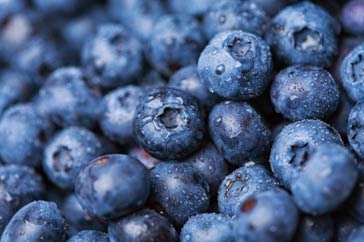
4. Blueberries

These little guys are loaded with antioxidants—and by packing your diet with nutrient-rich foods, you can lose weight without worrying about calorie counting.

http://www.taste.com.au/how+to/articles/741/blueberries

5. Strawberries

Try this goat cheese-berry bruschetta for an out-of-the-ordinary breakfast that'll help you drop pounds.

6. Tea

Learn the best way to drink green tea to boost weight loss.

7. Milk

This is another great way to take in some protein first thing in the a.m.

8. Whole-Wheat Toast

Carb lovers, rejoice! High-fiber options like this can help you feel more satiated so you end up consuming fewer calories.
 http://applebites.com.au/is-whole-wheat-bread-healthy/

9. Spinach

This leafy green is a weight-loss double whammy: It's rich in fiber, and it's also one of the veggies with the most protein.

Source
http://www.womenshealthmag.com/weight-loss/breakfast-foods-for-weight-loss

Sneaky Meat-Free Proteins #3: Chickpeas

If you’ve never tried hummus, you’re missing out! Not only is it HIGHLY delicious, but it’s one of the best uses of chickpeas.

Chickpeas are an odd legume. They are VERY hard, and it takes hours of cooking to make them edible.

Fun Fact: Remains of chickpeas dating back 7,500 years have been discovered in the Middle East.
For every 100 grams of chickpeas, you get about 19 grams of protein. Compare that to 30 grams of protein per 100 grams of chicken breast, and you can see why chickpeas deserve their place on this list.

http://www.thegoodwivesclub.com/chickpeas-soak-your-own.html 

Aside from the protein, chickpeas offer a lot more benefits:
Loaded with fiber – Fiber improves digestive health, heart health, and prevents blood sugar spikes and crashes.
Rich in manganese – Manganese is needed both for your immune system and the healthy conversion of food to energy.
Provide iron – Iron helps your body produce more red blood cells, which carry oxygen and nutrients. It’s also necessary for pregnant, menstruating, and lactating women.
Contains saponins – Saponins are antioxidants that reduce your risk of breast cancer, minimize menopausal hot flashes, and protect against osteoporosis.

Definitely a good reason to have containers of hummus in your fridge at all times!

 SOURCES 
Resources: http://greatist.com/health/unexpected-sources-protein ,http://www.naturalfoodbenefits.com/display.asp?CAT=2&ID=86
http://hiit-blog.dailyhiit.com/hiit-diet/protein/sneaky-meat-free-proteins-3-chickpeas/ 

How Protein Helps Weight Loss

The amount of quality protein in your diet is the single most important calorie that influences your metabolic rate, favorably influencing weight loss. Quality protein also helps you sustain muscle during weight loss, improve muscle fitness, immunity, and antioxidant function, build HDL cholesterol, and enhance insulin and leptin function – all of which contribute toward optimal weight management efforts over time.

How Much Protein Do I Need for Weight Loss?

A significant body of scientific evidence indicates that protein levels far higher than our government’s suggested levels of intake are optimal for weight loss1, as long as you simultaneously decrease carbohydrate intake. A minimal target amount is three-fourths of your ideal body weight in grams of protein per day, ranging up to three-fourths of your actual weight in grams of protein per day.
For example, if you should weigh 160 pounds but you currently weigh 200 pounds, then your goal for protein intake is in the range of 120 to 150 grams of protein per day. Since each gram of protein is four calories, this means 480 to 600 calories per day from protein. This is around 30 percent of your calories from protein (based on a 2,000 calorie diet). 

The FDA says you need 50 grams of protein per day (200 calories), based on a 2,000 calorie diet, or 10 percent of your calories from protein. The FDA bases its guidelines on only one aspect of protein need, nitrogen balance.  Nitrogen, found only in protein, is a fundamental molecule required for building body structure and DNA synthesis. 

The FDA’s goal is to make sure you have enough dietary protein so you don’t wither away. That’s nice, but nitrogen balance as the only criteria for protein intake ignores the role of protein as a signaling molecule2 in metabolism, especially in regard to how your muscles function. It ignores the amount of protein needed to preserve muscle during weight loss and facilitate fat burning.  In fact, the FDA gives no guidelines to explain how much quality protein you need for exercise, stress, blood sugar3 support, or to help stabilize muscle and blood sugar as you age4

 http://www.wikihow.com/Make-a-Protein-Shake

The simple fact of the matter is: when you increase quality protein intake over the basic amount needed for nitrogen balance, then the branch chain amino acids like leucine, which are metabolized in your muscles (not in your liver as are other amino acids), directly and favorably benefit muscle function and health – including enhanced calorie burning by muscle that clearly supports healthy weight loss5.

The FDA also thinks you should have only 65 grams of fat (585 calories or 29 percent of your calories). Of this fat, the FDA wants to make sure you eat very little satisfying and energy producing saturated fat (20 grams, 180 calories), preferring that you get most of your fat from cholesterol-free, inflammation generating vegetable oils. You are supposed to round out this diet with 300 grams in carbohydrates (1200 calories), 60 percent of your calories. 

Attempting to follow FDA guidelines is a fast track to obesity, as you end up eating more food because this ratio of calories causes you to feel unsatisfied, thus you eat more trying to feel full.  Not only that, but new research also shows that eating this way damages your leptin controlled, appetite regulation center in your subconscious brain, literally killing important brain cells, so that you no longer properly get a full signal. 
My recommendations for weight loss, based on helping thousands of people lose weight, is to consume 30 percent protein (600 calories), 30 percent carbohydrates (600 calories), and 40 percent fat (800 calories). Do not snack and do not eat after dinner at night. Eat either two or three meals a day. 

The idea of a 2,000 calorie diet is for food labeling purposes.  Women may need 500 fewer calories and men may need slightly more, but the ratios should stay the same. The heavier your ideal weight and the more active you are, the more calories you can consume. Many Americans are eating 3,000 to 4,000 calories a day, often twice what they actually need. On top of that, a lot of the calories consumed are poor quality junk, adding insult to injury. 

When you reach an ideal weight you can gradually increase carbohydrates to 40 percent – even 50 percent if you are very active. If you are quite active then leave protein at 30 percent, and cut back on fat, if desired. If you are not highly active, yet are at an ideal weight, then eat 25 percent protein, 40 percent carbohydrates, and 35 percent fat.

On any diet, eat half your fat grams in saturated fat or you will not feel satisfied and you will have trouble sustaining energy between meals, which will cause you to be tired and eat more carbohydrates. Get two to six grams of omega-3 essential fatty acids per day (higher amounts for weight loss and cardio health), and try to consume most of the rest of your fat as omega-9 monounsaturated fat (like olive oil). 
These are the calorie basics for weight loss and weight maintenance. The following information explains why this works.

High Quality Protein for Weight Loss

Protein is made up of various amino acids. In terms of weight loss, scientists are finding that the most important amino acids are the branch chain amino acids, especially leucine. If you get your protein intake high enough, especially in proteins that are rich in leucine, a number of very interesting things happen that can activate a sluggish metabolism and result in weight loss.
One easy way to get a lot of leucine, without any fat, is to use high quality whey protein. Casein, a common dairy protein allergen, is not part of whey protein.  The finest whey proteins use advanced filtration technology to leave all the protein molecules intact. In this process saturated fat, cholesterol, and lactose are removed, yielding a very useful leucine rich food for metabolic enhancement.

The highest sources of leucine containing foods are animal and dairy.  Cottage cheese and red meat top the list; other sources include milk, cheese, eggs, pork, fish, chicken, legumes, peanuts, nuts, and seeds. If you avoid red meat and dairy products, it is harder to get leucine containing foods in higher amounts, though not impossible. Using whey protein makes it easy.  I always recommend individuals stay away from processed soy protein (like soy protein drinks), as it is anti-thyroid in higher amounts.
Eating two eggs for breakfast has been shown to boost weight loss by 65 percent, compared to the same amount of calories from carbohydrates, like a bagel.

How Protein Increases Metabolism

One of the key researchers in this area, Donald Layman, Ph.D.6, from the University of Illinois, has published many papers on the subject.  He has found that the high protein, leucine rich diet, in combination with lower carbohydrates (150 grams or 600 calories per day) is effective to support weight loss, blood sugar metabolism, and a variety of factors that have an impact on cardiovascular health.
His research points out that during weight loss our bodies can easily lose muscle mass (and bone for that matter). Leucine has a direct signaling effect on muscle that prevents muscle loss during weight loss. This means that on a high protein diet, the weight that is lost is mostly fat, not muscle. Whereas on a high carbohydrate weight loss diet, much more muscle is lost.

Leucine directly communicates to insulin, instructing it to work efficiently in muscle. This not only helps preserve muscle mass, but also helps muscles use glucose as fuel, in turn supporting healthy insulin function.
This high protein, leucine rich diet invariably lowers blood levels of triglycerides, which helps leptin7 get into your brain easier so that you feel full on fewer calories.  Once leptin gets into your brain correctly, leptin resistance8 is reduced, and your metabolism gets a go signal.  Whey protein is especially helpful in improving your brain’s feeling of food satisfaction9.  Many bioactive peptides in whey regulate appetite, a benefit attainable only from consuming whey protein10 in higher amounts.
 http://www.hugo-pt.com/protein-shake-1o1/

The important HDL cholesterol needs adequate dietary protein in order to form its structure.  We now know that HDL proteins get “spent” as HDL works to help clear LDL cholesterol.  If you don’t have adequate protein you can’t make quality HDL at an optimal rate. A higher protein diet supports HDL formation while lowering triglycerides, a two-pronged benefit that not only helps weight management but also supports a healthier lipid profile for cardiovascular well-being.

Layman points out that having a high protein breakfast11 is needed to maximize these benefits of protein, which is consistent with rule #4 of the Leptin Diet: Eat a breakfast containing protein. 
In order to benefit from high protein for weight loss, the amount of carbohydrates must be reduced, which is rule #5 of the Leptin Diet®: Reduce the amount of carbohydrates eaten. This is because carbohydrates are easy-to-use fuels.  When you eat less, you encourage your body to break down stored fat. You prevent your body from converting muscle protein to fuel (blood sugar) by eating higher protein, thus preserving muscle mass.

Another great reason to eat a high protein breakfast is that it wakes up your liver and gives it something to do.  Your liver is the metabolic factory of your body. A high protein breakfast can increase your metabolic rate by 30 percent for as long as 12 hours, the calorie burning equivalent of a three to five mile jog. Fats and carbohydrates are easy for your liver to use, increasing liver metabolism by only four percent, whereas protein must be taken apart and reassembled for use elsewhere in your body. This dynamic effect of protein has recently been shown to be the key in supporting your natural ability to burn fat at a faster rate12 when consuming a diet higher in protein.

All your body structures, many hormones, a lot of enzymes, and neurotransmitters all require special proteins that your liver must help make. Protein showing up at your liver is like 2-by-4-inch lumber and plywood showing up at a home construction job site.  If it isn’t there, not much will get done.

A higher protein diet also has a natural diuretic effect. Individuals with extra weight are often sluggish, and hold extra water. This not only makes their blood pressure go up, as their heart tries to push harder to move the stagnation, but the extra water in connective tissues also gets directly in the way of fat burning. When you eat a higher protein diet then an important blood protein called albumin will increase. As albumin increases, through osmotic force, it draws water back out of your connective tissues, thus helping you get rid of fluid retention. If you have too much inflammation13, then your kidneys may leak albumin into your urine, provoking fluid retention, weight problems, and significant cardiovascular risk.

A major problem of lower protein diets is just the opposite – the more carbohydrates overweight people eat, the more fluids they retain.  Further, higher carbohydrate meals stimulate too much leptin production, in turn provoking leptin resistance and inappropriate desire for more carbohydrates.  Too many carbohydrates cause your willpower to be in a constant wrestling match with out-of-balance leptin.  It is rather obvious from the amount of yo-yo dieting in our society that misguided leptin usually wins.  The best way to win the wrestling match is to not have it in the first place, meaning eat fewer carbohydrates.

When weight is lost on a higher carbohydrate diet it is much more likely that people will hit a plateau in a few months that they cannot get past, long before the goal weight is reached.  Successful ongoing weight loss is much easier, and much less prone to stubborn plateaus, when your basic diet is higher in quality protein.

More Whey Protein Facts

One reason unrelated to weight loss that I really like whey protein is that it helps your body make its most important antioxidant and immune support compound, glutathione.  Forty-five grams of whey protein per day has been shown to boost glutathione levels14 in immune cells by 24 percent over a two week period of intake, whereas 15 grams per day was not effective.  Further, many molecular weights of the proteins are in the immunoglobulin range15, meaning that your body can easily use them, if needed, to mount a more effective immune response.  Leucine, as a key signal for DNA protein synthesis, is important to the rate at which your body can manufacture immune cells16 in a time of need.
Whey protein has been extensively tested as an enhancement to athletic performance17, and has been shown to help build strength18

Polycystic ovary syndrome (PCOS) is a female insulin-resistance and leptin driven endocrine problem that results in obesity, facial hair growth, and acne. Researchers compared a lower calorie diet fortified with 60 grams of whey protein19 compared to 60 grams of carbohydrates. After a two month program the whey protein group lost on average six more pounds of fat, while dropping total cholesterol by 33 more points, compared to the carbohydrate group.

Another study of 95 men and 32 women used a 15 gram whey protein meal replacement for two meals a day for six months, and then switched to one meal replacement per day for six more months. While this amount of whey protein is significantly below what I would recommend to assist weight loss, the results of the trial were still quite good. During the first six months participants lost 20 pounds20 on average. In the next six months, on only 15 grams of whey protein per day, they kept their weight off and lost another two pounds. Further, many key parameters of cardiovascular health and leptin fitness were improved during the study, including decreases in total cholesterol, LDL cholesterol, triglycerides, glucose, insulin, and systolic and diastolic blood pressure, while HDL cholesterol increased.

Many people involved alternative health are under the false impression that a high protein diet is acid forming, and thus bad for bones.  Whey protein is actually good for bones21.  Forty grams of whey protein per day for six months increased bone mineral density in young women22 by a statistically significant 1.57 percent, and in postmenopausal women by a statistically significant 1.21 percent.  Plenty of fresh fruits and vegetables, along with a higher protein diet, is never bad for bones.  In fact, research shows that low protein24 leads to bone loss.  Fruits and vegetables provide the alkaline mineral buffers so that protein can work in a healthy way, including the support of bone growth.  Protecting against bone loss during weight loss is very important; whey protein is an excellent food to have in your corner.

It is true that some people have lost muscle mass, are inactive, and may have significantly compromised health to the point they have some difficulty metabolizing higher amounts of protein (they tend to have difficulty eating almost anything). If you fall into this category, the way to metabolize more protein is to gradually increase your intake while you simultaneously improve your fitness. As you build strength, you will be far healthier, your pH will be better, and you will be able to get the benefits of eating a higher protein diet; for most people, it is simply a matter of increasing protein and reducing carbohydrates. 

Higher amounts of high quality, leucine rich protein are needed for fitness, healthy weight loss, and to maintain weight following a weight loss program. This is one of many important strategies to improve the function of leptin in your metabolism, which is the key to successful weight loss and keeping the weight off once you have lost it.

SOURCE
Referenced Studies:
  1. ^ High Protein as an Effective Tool for Weight Management  Am J Clin Nutr.   Paddon-Jones D, Westman E, Mattes RD, Wolfe RR, Astrup A, Westerterp-Plantenga M.
  2. ^ Leucine Signals Muscles to Build and Repair  J Nutr.  Michael J. Rennie, Julien Bohé, Ken Smith, Henning Wackerhage and Paul Greenhaff.
  3. ^ Protein Helps Blood Sugar Regulation  J Nutr.   Layman DK, Baum JI.
  4. ^ Protein, Leucine, and Aging  J. Nutr.   Satoshi Fujita and Elena Volpi.
  5. ^ Higher Protein Boosts Muscle Metabolism and Weight Loss  J Am Coll Nutr.   Layman DK.
  6. ^ Leucine Unlocks Metabolic Door  J Nutr.   Layman DK, Walker DA.
  7. ^ High Protein Diets IMprove Your Brain’s Leptin Function  Am J Clin Nutr.  Weigle DS, Breen PA, Matthys CC, Callahan HS, Meeuws KE, Burden VR, Purnell JQ.
  8. ^ Whey Protein Improves Leptin and Insulin Function  Br J Nutr.   Pichon L, Potier M, Tome D, Mikogami T, Laplaize B, Martin-Rouas C, Fromentin G.
  9. ^ Whey Protein Reduces Appetite  Burton-Freeman BM.  Glycomacropeptide (GMP) is not critical to whey-induced satiety, but may have a unique role in energy intake regulation through cholecystokinin (CCK).
  10. ^ High Whey Protein Intake Reduces Appetite   J Am Coll Nutr.   Luhovyy BL, Akhavan T, Anderson GH.
  11. ^ Higher Protein Boosts Muscle Metabolism and Weight Loss  J Am Coll Nutr.   Layman DK.
  12. ^ Higher Protein Boosts Fat Burning  Nutrition & Dietetics  Marijka BATTERHAM, Rachael CAVANAGH, Arthur JENKINS, Linda TAPSELL, Guy PLASQUI and Peter CLIFTON. 
  13. ^ Albumin, Fluid Retention, and Cardiovascular Risk   J Clin Hypertens (Greenwich).   Bakris GL.
  14. ^ Whey Boosts Production of Key Glutathione Antioxidant  Int J Food Sci Nutr.  Zavorsky GS, Kubow S, Grey V, Riverin V, Lands LC.
  15. ^ Whey Protein for General Immune Support  Br J Nutr.   Pérez-Cano FJ, Marín-Gallén S, Castell M, Rodríguez-Palmero M, Rivero M, Franch A, Castellote C.
  16. ^ Leucine Helps Immunity  J. Nutr.  Phillip C. Calder.
  17. ^ Whey Protein Isolate Boosts Strength and Body Composition  Curr Opin Clin Nutr Metab Care.  Hayes A, Cribb PJ.
  18. ^ Whey Protein Improves Stength from Exercise Training  Int J Sport Nutr Exerc Metab.   Cribb PJ, Williams AD, Carey MF, Hayes A.
  19. ^ Whey Protein Helps PCOS   Fertil Steril.  Kasim-Karakas SE, Almario RU, Cunningham W.
  20. ^ Modest Whey Protein Intake Supports Weight Loss  Am J Clin Nutr.   Keogh JB, Clifton P.
  21. ^ Whey Protein Helps Bones  Br J Nutr.   Kruger MC, Plimmer GG, Schollum LM, Haggarty N, Ram S, Palmano K
  22. ^ Whey Protein Helps Young Women Improve Bone Density  Osteoporos Int.   Uenishi K, Ishida H, Toba Y, Aoe S, Itabashi A, Takada Y.
  23. ^ Whey Protein Helps Postmenopausal Women Build New Bone  Osteoporos Int.   Aoe S, Koyama T, Toba Y, Itabashi A, Takada Y.
  24. ^ High Protein Diets Help Bones, Low Protein Diets Harm Bones   Eur J Nutr.  Tucker KL, Hannan MT, Kiel DP. 
http://www.wellnessresources.com/tips/articles/how_protein_helps_weight_loss/ 

Tips for easy weight loss


Push Your Body 

If you don't feel like trying something new in your exercise regimen, there are still ways to step up your current routine. Adding an extra few minutes to a workout, sprinting at the end of a run, or choosing heavier weights may make all the difference.

Eat Fiber in the Morning 

One key to losing weight is eating foods that keep you full. The strategy can help you ward off hunger pains and temptation. To start your day off right, make sure your breakfast includes at least eight grams of fiber.
 http://www.webmd.com/diet/ss/slideshow-best-diet-tips-ever

Stick to Your New Habits Even After You Lose Weight 

You used to devour a big bag of potato chips with your lunch, but when you decided to lose weight, you replaced it with a side salad. Now that the weight is off, don't go back to your chips habit. Losing weight is a lifestyle change, not something you do until you reach your goal. Once you go back to old eating habits, the weight will creep back on. Give yourself room for indulgences, but make sure it's all in moderation.

Build Muscle 

Muscle burns calories at a higher rate than fat. (Depending on which study you read, a pound of muscle burns anywhere from 15 to 50 calories per day, compared to fat, which averages about two calories per day.) Even if you consider yourself active, it's important to make strength training a part of your fitness routine.

Source
http://www.womenshealthmag.com/weight-loss/ways-to-lose-weight-fast