Showing posts with label digestive health. Show all posts

Friday, 20 November 2015

How much fibre should we eat in a day?

The importance of fibre in a balanced diet

Fibre is a very important part of the diet and one that many people do not understand. Fibre is important for the bowels, but can also be beneficial for heart health and has the added bonus of filling you up.  This means you are likely to eat less, which may help if you are trying to lose weight.
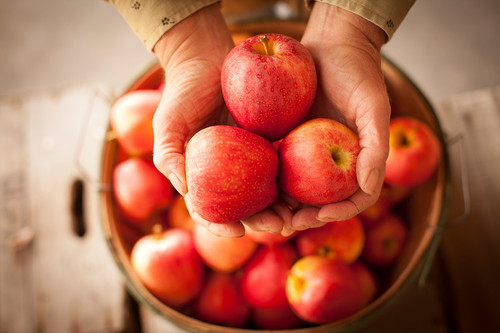
It is important when increasing your fibre intake that you do so gradually. Sudden increases in fibre consumption can lead to bloating, wind and stomach cramps.  It is also important to drink plenty of water when you raise your fibre intake, as this prevents constipation.

Types of fibre

There are two main types of fibre in foods, soluble and insoluble. Soluble fibre is digested in the body, whilst insoluble fibre is not thus helping other foods to move through the intestines more efficiently.  It is important to include both types of fibre in your diet, so try to choose a wide variety of fibre containing foods daily.

Health benefits of soluble fibre

Soluble fibre is thought to contribute to reducing the amount of cholesterol in the blood. Soluble fibre is also thought to slow down the absorption of sugars into the blood. This is important for people with diabetes, but also for weight management.  When sugar is released more slowly into the blood, we stay fuller for longer and prevent big peaks and dips in blood sugar levels that can cause hunger cravings.  Foods which are high in soluble fibre are known as low GI (glycemic index).   Good sources of this type of fibre include beans, oats, nuts and seeds, most fruits, dried beans and lentils.
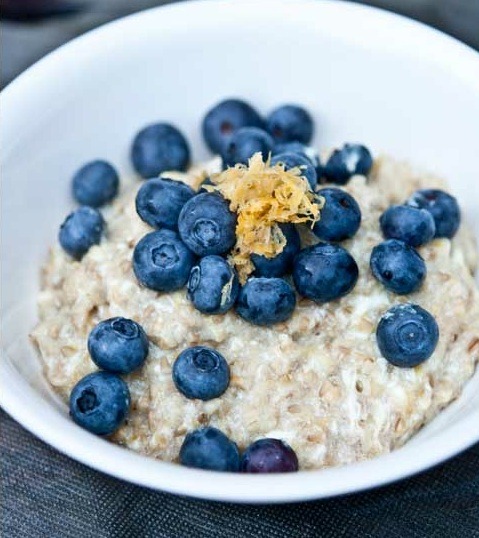
Health benefits of insoluble fibre

This type of fibre is essential for healthy bowels. It helps prevent constipation, keep bowel movements regular and minimizes other digestive problems. Good sources include wholemeal bread, wholegrain rice and cereals, barley, couscous, wheat bran, seeds, fruit and vegetables.

How much fibre do we need?

The recommended daily intake of fibre in the US is 14 grams per 1000 calories consumed.  For example if your calorie requirement is 1500 calories per day, you should be aiming for about 21grams of fibre.  For women this usually equates to about 21 to 25 grams of fibre per day, and for men about 35 to 38 grams. Try to include a range of high fibre foods, so that you are getting both types of fibre daily.

Fibre foods

To give an idea of what types of foods to include to reach your fibre requirements, here are the fibre contents of some common foods:

FoodServe SizeFibre
content (g)
Banana1 medium3.1
Apple (with skin)1 medium4.4
Raspberries1 cup8
Wholewheat spaghetti1 cup (cooked)6.2
Bran flakes¾ cup6
Oatmeal1 cup (cooked)4
Popcorn3 cups3.5
Brown rice1 cup (cooked)3.5
Wholewheat/multigrain bread1 slice1.9
Split peas1 cup (cooked)16.3
Lentils1 cup (cooked)15.6
Almonds1 ounce3.5
Artichoke1 (cooked)10.3
Peas1 cup (cooked)8.8
Potato (with skin)1 medium2.9
Carrot (raw)1 medium1.7
Broccoli1 cup (cooked)5.1

How to increase your fibre intake

  • Choose wholegrain varieties of foods. Wholegrains may be listed under of a variety of names including, buckwheat, bulgur, millet, wild rice, quinoa, triticale, whole wheat or rye, so read labels to look for sources of these ingredients.  Many products will use high fibre or wholegrain as a selling point, so it’s often easy to find these products.  Try to make at least half your carbohydrates from wholegrain sources.
  • Choose fresh fruit over fruit juice, as this has more fibre and less calories.  Leave the skin on fruit where possible as this contains a lot of fibre.
  • Include at least two vegetables at lunch and dinner.
  • Eat vegetables as a snack.  Dip carrots, celery or cucumbers in a hummus dip for a fibre filled quick bite.
  • Cook with legumes more often. Add cooked beans or lentils to meat dishes such as lasagnes or pies to increase the fibre and lower the fat and calories. Cooked chickpeas also make a great addition to a salad or made into a dip.
  • Choose wholegrain, high fibre breakfast cereal options.  Add fruit for even more fibre.
  • Look for fibre enriched products. If you don’t like wholegrain bread, it is now possible to buy white bread that is enriched with added fibre. You won’t get all the nutrients in the whole grains, but the fibre will still be high. This is a good choice for fussy children too.
  • Add seeds, grains and nuts to home cooking. Throw some walnuts and bran into banana muffins or some sesame seeds into a stir-fry to bump up the fibre.
  • Aim for five serves of fruit and vegetables per day.
  • Cook potatoes in their skins as most of the fibre is in this part.
  • When eating out, choose vegetable or legume based dishes. Cuisines such as Mexican, Indian and Middle Eastern often have great choices of these types of foods.


Source

Thursday, 15 October 2015

The Crazy Way Cheese (Yes, Cheese) Could Help You Lose Weight

Wonder why the French have lower heart disease rates and smaller waistlines despite a diet high in saturated fat? Experts used to credit wine and lifestyle, but now, a new study in the Journal of Agricultural and Food Chemistry suggests cheese may play a role. Yes, we’re serious…and pretty ecstatic. Best of all, the study is backed up by older research corroborating cheese's potential metabolism-revving effect. 
For the study, researchers compared urine and fecal samples from people whose diets were high in either cheese or milk, or who ate a control diet with butter but no other dairy. Those who consumed cheese had higher fecal levels of butyrate—a short chain fatty acid produced by gut bacteria—compared to the other groups. These elevated butyrate levels were associated with significantly less elevation in "bad" LDL cholesterol than the control group, suggesting that cheese may be healthier for your heart than some other types of dairy
Matured cheeses are the best for weight loss and health benefits


With these types of aged cheeses, Clausen says, you can also expect a higher degree of proteolysis—degradation of proteins into peptides and amino acids, which preliminary research shows can affect carbohydrate and lipid metabolism, leading to reduced fat accumulation in the body.
While the study was small, it’s still something to pay attention to, as it corroborates earlier research from 2011 showing that cheese reduces LDL cholesterol compared to butter with the same fat content. It also complements another recent study in the American Journal of Clinical Nutrition, which found that increased cheese intake was associated with weight loss provided it was eaten as part of a low-glycemic diet (i.e. one full of low-glycemic foods such as fruits, veggies, meats, and whole grains as opposed to high-glycemic processed and refined carbs).
So go ahead, consider this permission to shave some Parmesan on your next salad.

Comment below if you're a fan of cheese. Would you start adding extra cheese to your diet to lose weight? Let me know if you found this helpful. Have a great day lovelies x


Source
http://www.prevention.com/food/why-cheese-may-help-you-lose-weight

Wednesday, 22 July 2015

12 Unexpected Benefits of Drinking Hot Water

I think that most of us know by now that water is essential to our survival. We’ve probably also all heard doctors say that drinking roughly eight glasses a day is ideal. However, what most people don’t know is that warm water and hot water have some exclusive benefits of their own that you just can’t get when you drink water cold. Here are 12 benefits of drinking hot water:

1. Weight Loss

Hot water is great for maintaining a healthy metabolism, which is what you want if you’re trying to shed a few kilos. The best way to do this is to kick start your metabolism early in the morning with a glass of hot water and lemon. As an added bonus, hot water will help to break down the adipose tissue (aka body fat) in your body.

2. Assists with Nasal and Throat Congestion

Drinking hot water is an excellent natural remedy for colds, coughs and a sore throat. It dissolves phlegm and also helps to remove it from your respiratory tract. As such, it can provide relief from a sore throat. It also helps in clearing nasal congestion.

3. Menstrual Cramps

Hot water can also aid in diminishing menstrual cramps. The heat of the water has a calming and soothing effect on the abdominal muscles, which eventually can help to cure cramps and spasms.

4. Body Detoxification

Hot water is fantastic for helping your body to detox. When you drink hot water, your body temperature begins to rise, which results in sweat. You want this to happen because it helps to release toxins from your body and cleanse it properly. For optimal results, add a squeeze of lemon before drinking.

5. Prevents Premature Aging

There’s a reason you should want to clear your body of toxins: they make you age faster. Also, drinking hot water helps to repair the skin cells that increase the elasticity of your skin and are affected by harmful free radicals. Subsequently, your damaged skin becomes smoother.

6. Prevents Acne and Pimples

The benefits for your skin just keep on coming. Hot water deep cleanses your body and eliminates the root causes of acne-related infections.

7. Hair Health and Vitality

Drinking hot water is also good for obtaining soft, shiny hair. It energizes the nerve endings in your hair roots and makes them active. This is beneficial for getting back the natural vitality of your hair and keeping it healthy.

8. Promotes Hair Growth

Activating the roots of your hair has another added benefit—growth! The hot water promotes the regular activity of the roots and subsequently accelerates the growth of your hair.

9. Prevents Dandruff

Hot water keeps your scalp hydrated and helps fight against dry scalp or dandruff.

10. Enhances Blood Circulation and Promotes A Healthy Nervous System

Another important benefit of drinking hot water is that it enhances your blood circulation, which is important for proper muscle and nerve activity. In addition, it keeps your nervous system healthy by breaking down the fat deposits around it.

11. Digestion

Hot water is particularly beneficial for digestion. Studies have shown that drinking cold water during or after a meal can harden the oil present in the consumed foods. This can create a fat deposit on the inner wall of your intestine, which can eventually result in intestinal cancer. However, if you replace the glass of cold water with hot, you can avoid this problem. In addition, hot water is beneficial to digestion, which is what you want after a meal.

12. Bowel Movements

Speaking of digestion, hot water can help to keep you regular, as well as make your bowel movements healthy and pain free. Dehydration can result in chronic problems with constipation. As the stool gets accumulated inside your intestine, the movement of the bowel becomes slower. It is always recommended that you consume a glassful of hot or warm water every morning when your stomach is empty. It decomposes any remnant foodstuffs and makes the movement of the particles smooth and less painful through the intestine.


Source
http://www.lifehack.org/articles/lifestyle/12-unexpected-benefits-drinking-hot-water.html

Wednesday, 1 April 2015

Sneaky Meat-Free Proteins #3: Chickpeas

If you’ve never tried hummus, you’re missing out! Not only is it HIGHLY delicious, but it’s one of the best uses of chickpeas.

Chickpeas are an odd legume. They are VERY hard, and it takes hours of cooking to make them edible.

Fun Fact: Remains of chickpeas dating back 7,500 years have been discovered in the Middle East.
For every 100 grams of chickpeas, you get about 19 grams of protein. Compare that to 30 grams of protein per 100 grams of chicken breast, and you can see why chickpeas deserve their place on this list.

http://www.thegoodwivesclub.com/chickpeas-soak-your-own.html 

Aside from the protein, chickpeas offer a lot more benefits:
Loaded with fiber – Fiber improves digestive health, heart health, and prevents blood sugar spikes and crashes.
Rich in manganese – Manganese is needed both for your immune system and the healthy conversion of food to energy.
Provide iron – Iron helps your body produce more red blood cells, which carry oxygen and nutrients. It’s also necessary for pregnant, menstruating, and lactating women.
Contains saponins – Saponins are antioxidants that reduce your risk of breast cancer, minimize menopausal hot flashes, and protect against osteoporosis.

Definitely a good reason to have containers of hummus in your fridge at all times!

 SOURCES 
Resources: http://greatist.com/health/unexpected-sources-protein ,http://www.naturalfoodbenefits.com/display.asp?CAT=2&ID=86
http://hiit-blog.dailyhiit.com/hiit-diet/protein/sneaky-meat-free-proteins-3-chickpeas/