Showing posts with label post-baby. Show all posts

Monday, 21 December 2015

Getting Back Into Shape After Pregnancy

You find out you’re pregnant and you vow you’re going to stay healthy throughout your 10-month journey of making a baby. As it gets closer and closer to the arrival of your little bundle of joy, you find yourself getting a tad bit more uncomfortable and it gets increasingly challenging to move, let alone work out. But it’s okay! You tell yourself, “I’ll worry about my baby weight after the little one arrives.” Sound familiar?

Now that baby is here, you have many sleepless nights, an around-the-clock commitment to caring for her, and you’re managing the household all at the same time. It’s not so easy to find the time or motivation to work out now, is it?
As a new mom, it’s important to get back into shape not only for your health but also to help you regain control over your life. Although the days after your baby is born have no routine or schedule, this will gradually change in the coming months and it will become easier to make your fitness goals a reality.
Here are 5 simple steps to help you get back in shape and work your way back to your pre-baby body in no time!

1.    Move

Being sleep deprived is the number one deterrent to getting up and moving around, so exercise is usually the last thing on your mind. But don’t worry — when you have a newborn, your body isn’t quite ready for real exercise, anyway.  In the coming days, pay close attention to your body. Once your doctor gives you the okay for exercise, start by going for short stroller walks or wear baby in a carrier and walk around the block. If this doesn’t hurt you or cause increased bleeding, then ramp up the distance of your walks over the next few days. By getting into a routine that includes movement early on, you can be ready and energized for a 30-minute cardio session before you know it!

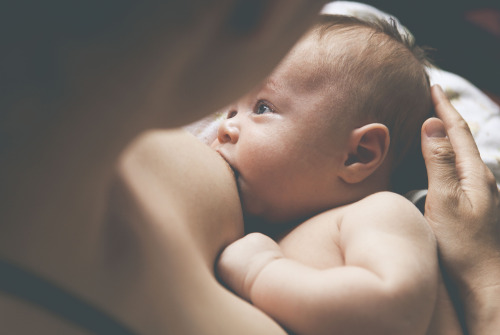
2.    Breastfeed

Breastfeeding does make it easier to lose your baby weight as milk production burns anywhere from 300-500 calories per day.  When you breastfeed, your body takes from reserved fat stores, and over time this can help you lose the extra pounds. Of course, breastfeeding alone is not a one-stop solution to weight loss, but studies show that breastfeeding mothers will return to their pre-pregnancy weight and waist circumference sooner than formula-feeding mothers.
3.    Returning to Fitness

In the early weeks post baby, exercise is generally a no-no. However, you may be given medical clearance to perform isometric exercises such as Kegels and abdominal bracing immediately after birth to help with post-delivery recovery. According to the American College of Obstetricians and Gynecologists, the physiological changes of pregnancy persist for up to 6 weeks postpartum, so exercise programs should be resumed gradually after that. The exact timeline and type of exercises will vary from woman to woman, and it’s important you get the green light from your doctor or midwife first. So think baby steps. Once your health-care professional approves, start light with 20-30 minutes of easy cardio like walking, slow jogging, or elliptical training, and gradually increase these programs over time. Once you’ve gotten the cardio down, start weight training, as this is also important to help with muscle toning and revving up your metabolism to help you shed those extra pounds.

4.    Eat Right
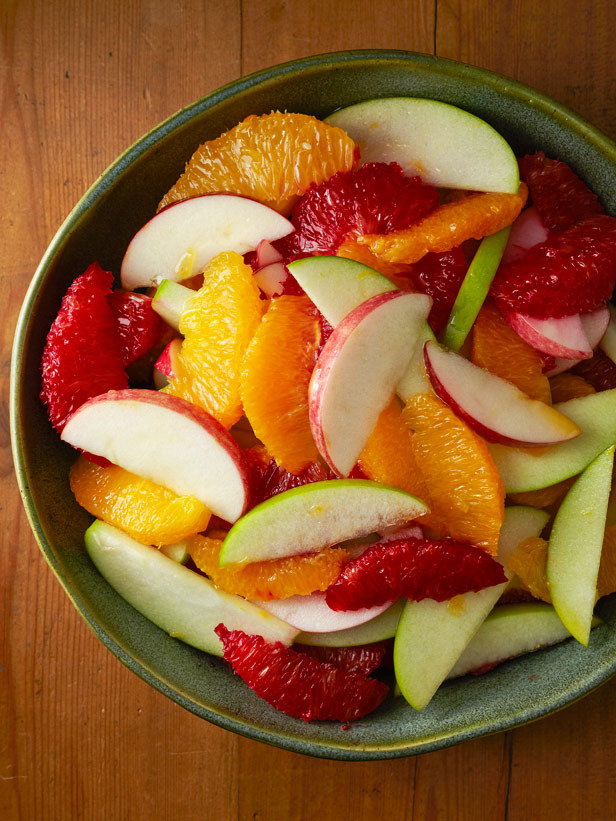
Now is not the time to go on a calorie-strict diet as you will experience extreme tiredness, and a proper diet is necessary to sustain your energy needs. Say no to empty-calorie foods like sodas and chips, as well as fad diets like juice cleanses or dropping food groups entirely. Being a new mom is like training for a marathon, so make sure to fill your diet with a variety of nutrient-rich foods containing:
·      Lean protein including salmon, tuna, chicken breast, turkey, organic soy
·      Healthy fats including avocado, nuts and coconut
·      Whole grains including brown rice and quinoa
·      A rainbow of fresh fruits and vegetables

5.    Sleep

According to a study published by the American Journal of Epidemiology, sleeping in short durations is linked to obesity. The study concluded that women who sleep less than 5 hours in a 24-hour period at 6 months postpartum are 2.3 times more likely to retain a minimum of 11 pounds 1 year after giving birth. So how do you overcome sleep deprivation with a newborn?  Take naps whenever baby does and never sacrifice sleep for working out during the early weeks post-partum.

Getting your pre-baby body back can take time, but commitment is key. Be sure to give yourself plenty of time to recuperate and enjoy the early days with your little one as these precious moments will fly by. Your kids need a healthy mom, so get back into shape for them!
Comment below if you have a baby at home and have been struggling to lose the baby weight. I'd love to hear if you found this beneficial, or if you have any tips to share which you found helpful.


Source

Sunday, 20 December 2015

8 Ways To Lose Post-Baby Weight & How To Keep It Off

Alright, many of you have been asking me lately how I’ve been feeling with my pregnancy?

I feel great! I love feeling my baby move and I can’t wait to meet her! But the other truth is, I can’t wait to get my body back! Maybe because I’ve already been through it once and all the curiosity about pregnancy had already been answered. So this time around, I just want to speed up the process and feel myself again.
For my first pregnancy, I gained about 40 pounds. It took me about 6 months to lose it and 9 months to completely feel normal again. My diet was pretty strict in the beginning. I had only (and I mean only) chicken and ginger rice for the first month. Not at my own will, but it was a Chinese tradition that my mom insisted I follow (there is a whole other world on Chinese post-partum recovery – but I’m not gonna get into that.) As for exercises, I took bikram yoga once a week for about five months, and the rest I took walks and ran errands with my daughter. And, oh, nursing, that really helps!
For this pregnancy, I anticipate that I’ll be gaining about the same weight (crossing my fingers!). But you know what they say about your other pregnancies, the weight is harder to come off! This time, I don’t know if I can carve out 2 hours a week to do bikram, or commit to any schedule at all. I know adjusting to being a mother of two will take some time, and I’m sure I’ll be anxious and busy keeping up with the blog. So yea, I’m going to have NO room to breathe.
But I am determined. I want to have plans ready to help me battle those post-pregnancy pounds! And guess what, I’m very lucky to have my younger sister Christina, who is a personal trainer and runs a successful bootcamp, O2BodyFit.
She started about two years ago and ran a small little bootcamp with her partner with just 10 students. Today, she has expanded to three different locations in South San Francisco/ Daly City/ Pacifica and is inspiring hundreds of individuals everyday from all walks of life to stay healthy, positive, and keep fit. To say I’m proud of her is an understatement. She is a reminder to me that taking good care of yourself is a true way to staying happy (not shopping always).
I know what you’re thinking? Join her bootcamp, right? No way! she’s going to kick my ass! The last thing on my mind right now is doing some grilling exercises. I want to slowly ease back into an active lifestyle and then add a more regular routine in my schedule. As of now, I’m tapping into her expertise on how to help “a busy mother” lose those pregnancy weight and keep it off! I thought it would be helpful to share this with my mommy friends. Are you ready? Make sure you bookmark this!

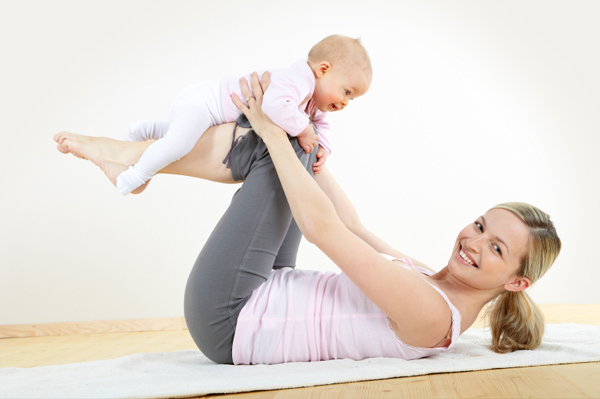
1. Your bundle of joy is much more fun to lift than dumbbells! Tone up those legs and do some squats and lunges while carrying your baby. Lift them up for strong shapely shoulders. Strap your baby up to you as you perform chores around the house. You’ll definitely be burning more calories throughout the day.

 2. Use your babies smaller dishes and bowls for portion control. The bigger the portions, the more likely you’ll overeat. Larger plates can make a serving of food appear smaller. In contrast, smaller plates can cause us to misjudge that very same quantity of food as being much larger. It’s all about moderation and control. 

 3. Stay hydrated and drink more cold water. Dehydration can cause your metabolism to slow down by as much as 3%! That’s about a 6-10 pound weight gain in one year. If you’re feeling tired or hungry, try to sip on some water first!
Who says water has to be boring? Try these refreshing naturally flavored water recipes:
// Sliced cucumbers & raspberries
// Sliced strawberries, cucumber and lemons with 1 packet of Stevia
// Mint leaves with strawberry slices or fresh lime wedges
// Orange slices, mango slices and 1 tsp. of Stevia
// Fresh ginger (shaved), lime wedges and 1 tsp of Stevia


4. Sprinkle some cinnamon. Cinnamon helps to maintain blood sugar levels, keeping your appetite under control. Other added benefits include lowering LDL cholesterol (the bad one), helping with digestion and speeding up that metabolism. 
Next time you drink that cup of coffee, add cinnamon instead of the creamer and sugar. Sprinkle some cinnamon on that apple, or add a dash to your oatmeal. That will be sure to spice things up!

5. Plan a walking route with different terrain. Next time you’re taking a stroll with your baby and you see a hill or stairs, just remember this – To lose weight and get that pre-pregnancy body back, you must burn more calories than you eat. Get your heart pumping, tone up those legs, burn some calories and tackle those inclines!
Bonus: Add extra weight (dumbbells, books, water bottles) to your baby’s stroller for more resistance.

6. Avoid the bulging belly! Don’t do sit-ups immediately after giving birth. That’s right, NO sit-ups! During pregnancy, the abdominal muscles split and stretch. After giving birth, these muscles may not have returned to their position and will take time to work together properly. The goal here is to re-train and strengthen the core muscles first. 
Focus on static stomach contractions, pelvic tilt, the bridge (lifting the pelvis off the floor), and plank exercises.

7. Dirty deck of cards?  You will never look at a deck of cards the same after this! Assign each suit an exercise – example: hearts = jumping jacks, spades = squats, cloves = push ups, diamonds = bridge. Flip over the top card, and the # will represent the amount of reps to perform. (5 of spades = 5 squats). Go through all 52 cards if you can! Your body will thank you later.

8. Baby says…… Everytime your baby cries, do 20 jumping jacks. For a diaper change, do 20 squats. Whatever else your baby does a lot of, assign an exercise to that action! This might help relieve some stress and make mommy duties just a bit more fun while burning calories! 


So what do you think? Any tips here you can take away? Or what about tips that had worked for you?


Source

Saturday, 19 December 2015

6 Rules for a Healthy Postpartum Slim Down

The post-baby slim-down

Chances are you won’t feel like publicly donning only a bra and panties a month after giving birth—unlike, say, Heidi Klum. There’s no magical way to take off baby weight, but with healthy-eating habits and regular exercise, you can get your pre-pregnancy body back. Unlike normal dieters, a new mom’s body needs certain nutrients to keep her—and her child—healthy. Here are some foods you need to trim down, boost energy, and get healthy, all while taking care of your bundle of joy.


Pack on the protein

High-protein foods contain a hunger-fighting hormone and will fill you up more than carbs. And many sources of protein—fish, beef, and eggs—are also rich in iron and vitamin B12, both of which have been shown to increase energy levels. (What new mom doesn’t need that?) Just be careful to choose lean cuts of meat and watch your fat intake, as excess saturated fat won’t help your diet or your cardiovascular health. 


Fight inflammation

Trauma and stress to the body—i.e., giving birth—can cause the immune system to respond through internal inflammation. Help your body fight this inflammation by consuming foods that are considered to be anti-inflammatories. Examples include everything from green tea to berries to spices such as turmeric and garlic. Steer clear of processed sugar, which increases inflammation and raises blood sugar.


Make milk

If you’re breastfeeding, most experts suggest adding 500 calories a day of nutrient-rich food. Drink plenty of water, eat fiber-rich foods, and avoid drinking too much alcohol. What you eat makes its way into your milk, so if you notice your child has diarrhea, gas, or a rash, it might be the result of an allergic reaction to a certain food.  

If you have a low milk supply, some mothers and health-care professionals believe herbs like fenugreek seeds, chamomile, and fennel may help with milk production. Many of these herbs have not been scientifically evaluated, so consult a doctor before altering your diet. 


Know your vitamin ABCs

These vitamins are important in a new mom's diet. 

Vitamin A—You lose a lot of this through breastfeeding. Aim for 1,300 micrograms per day; get it from spinach, carrots, sweet potatoes, and kale. 

Vitamin C—It passes through breast milk, too. Aim for approximately 120 milligrams daily; good sources include red peppers, oranges, and broccoli. 

Vitamin D—It keeps bones strong and is made when the skin is exposed to sunlight, but many moms stay indoors most of the day. Aim for 200 IU every day; eat fortified milk, eggs, and mushrooms. 

Vitamin E—It helps you maintain a healthy circulation. Aim for 19 milligrams a day; it’s found in nuts, seeds, and eggs.

Potassium—Many multivitamins don't contain this blood pressure–lowering nutrient. Aim for 3,500 milligrams; add bananas, lima beans, and squash to your diet. 


Count on calcium

Though there is some debate about how much calcium breastfeeding women should consume, current calcium recommendations for non-pregnant women are also sufficient for pregnant and breastfeeding women. For strong bones and teeth, make sure to eat plenty of low-fat dairy products and other calcium-rich foods such as figs, beans and peas, or leafy greens. A recent study found that calcium supplements don't help to prevent bone loss in nursing, so try to eat your way to a recommended 1,000 mg of calcium a day. 


Discover the magic of fish oil

Omega-3 fatty acids found in fish and fish oil supplements have been show to boost an infant's sensory, cognitive, and motor development. Breast milk is rich in DHA, a type of omega-3 fatty acid that helps with brain growth. Recommendations are 0.3 to 0.5 grams of DHA a day, and good sources include salmon, tuna, and walnuts. Plus, it's not just for children—consumption of DHA may decrease the incidence of postpartum depression. 


Comment below and let me know if you found this helpful.


Source

Friday, 18 December 2015

Diet for healthy post-baby weight loss

Eager to get back into shape now that you're no longer pregnant? For long-term success – and to keep yourself feeling good along the way – keep these tips in mind.


Don't start dieting too soon


Your body needs time to recover from labor and delivery. Give yourself until your six-week postpartum checkup before you start watching your calorie intake and actively trying to slim down. And if you're breastfeeding, experts recommend that you wait until your baby is at least 2 months old before you try to lose weight.

Starting a diet too soon after giving birth can delay your recovery and make you feel more tired – and you need all the energy you can muster to adjust to life with your newborn. In addition, if you're nursing, dieting can affect your milk supply. If you're patient and give your body a chance to do its work, you may be surprised at how much weight you lose naturally, especially if you're breastfeeding.


Be realistic about weight loss

Keep in mind that you may not be able to return to your exact pre-pregnancy weight or shape. For many women, pregnancy causes permanent changes such as a softer belly, slightly wider hips, and a larger waistline. With this in mind, you might want to adjust your goals a bit. For a reality check, see our photo gallery of real post-baby bellies.


Embrace exercise

There's no magic pill to help you lose weight: A healthy diet combined with regular exercise is the best way to shed the pounds – and to keep them off. And it's important to exercise while trying to lose weight to ensure you're losing fat instead of muscle.

Once you're ready to begin losing weight, start by eating a little less and being more active – even if you're just taking a quick walk around the block with your baby in the stroller.

Lose weight slowly

Don't go on a strict, restrictive diet. Women need a minimum of 1,200 calories a day to stay healthy, and most women need more than that – between 1,500 and 2,200 calories a day – to keep up their energy and prevent mood swings. And if you're nursing, you need a bare minimum of 1,800 calories a day (most nursing moms need more like 2,000 to 2,700 calories) to nourish both yourself and your baby.
If you're breastfeeding, you'll want to make sure to take it slow – losing weight too quickly can cause a decrease in your milk supply.
Too-rapid weight loss can also release toxins that are stored in your body fat into the bloodstream – and into your milk supply. (Toxins that can make it into your bloodstream include environmental contaminants like the heavy metals lead and mercury, persistent organic pollutants like PCBs and dioxins, and solvents.)
Weight loss of about a pound and a half a week is safe and won't affect your milk supply if you're nursing. To achieve this, cut out 500 calories a day from your current diet (without dipping below the safe minimum) by either decreasing your food intake or increasing your activity level.


Eat up – and take your time!

With a new baby and schedule, it can be hard to find the time to eat. But skipping meals can make energy levels lag – and it won't help you lose weight. Many moms find that eating five to six small meals a day with healthy snacks in between (rather than three larger meals) fits their appetite and schedule better. (A small meal might be half a sandwich, some carrot sticks, fruit, and a glass of milk.)
Don't skip meals in an attempt to lose weight – it won't help, because you'll be more likely to eat more at other meals. And you'll also probably feel tired and grouchy.
Even if you've never been much of a breakfast person, keep in mind that eating breakfast can help keep you from feeling famished – and tired – later in the morning, and it can give you the energy to be more active.

In addition, numerous studies show that skipping breakfast can sabotage your weight loss efforts. According to the National Weight Control Registry, which has tallied the successful strategies of dieters who have lost an average of 66 pounds and kept it off for 5.5 years, 78 percent of the dieters eat breakfast daily. Slow your eating down, too, if possible. When you take your time eating, you'll notice that it's easier to tell when you feel full – and you're less likely to overeat.

Be choosy about foods and drinks

Research shows that consuming low-fat milk and dairy products and choosing whole grain products like whole wheat bread and whole grain cereal can help you lose weight. Other good choices include low-fat, high-fiber foods such as fruits (like apples, oranges, and berries) and raw vegetables (like carrots, jicama, and red pepper strips) for healthy snacks.
Other ways to squeeze in more fruits and veggies: Make fruit (or veggie) smoothies, use fruit or vegetable salsas or vegetable reduction sauces (sauces made from puréed vegetables) over fish or chicken, add shredded carrots to your sandwich, try grilled vegetables, and try puréed vegetable soups. (Puréeing your soup makes it creamy without having to add cream, which is high in calories and saturated fat. It's also a great way to eat veggies you might not ordinarily eat on their own.)
Fat has twice as many calories as carbohydrates or proteins, so trimming the extra fat from your diet is probably the easiest way to cut calories. Look for low-fat or fat-free dairy products (you don't need to drink whole milk in order to make quality breast milk!), choose broiled or baked rather than fried foods, and limit your intake of sweets, which have extra calories from sugar and fat.
Keep in mind, though, that fat is an important nutrient, so your goal isn't to eliminate it from your diet. In fact, including some fat at each meal will help you stay full and keep you from overeating carbohydrates. (Too many calories from any source – fat, protein, or carbs – can lead to weight gain or keep you from accomplishing weight loss.)
The trick is to choose "good" fats rather than "bad" fats. The best fats are mono- and polyunsaturated fats, like those in canola oil, olive oil, avocado, olives, nuts and seeds, and fatty fish like salmon. The oils to avoid are saturated and trans fats, which can contribute to heart disease and perhaps diabetes, and can be transferred to breast milk, too.
Saturated fats are found in meats and dairy products, and trans fats are typically found in many fried foods, snack foods, and baked goods. (Food labels specify which kinds of fats the products contain.)
Finally, although you should be drinking about 8 or 9 cups of fluids each day, watch what you drink – a surprising number of calories can be hidden in juice, soda, and coffee drinks.


Daily food plan for healthy post-baby weight loss


The food plan below adds up to 2,200 calories a day for breastfeeding moms. For non-breastfeeding moms, it totals 1,800 calories a day. Use this as a rough guide – your individual calorie needs will vary depending on your weight, metabolism, and activity level, and also on how much you're breastfeeding.
View and print daily food plan.


Source

Wednesday, 9 December 2015

7 Unconventinal Ways To Sneak In A Work Out After Baby

Having a baby is a full time job, I mean…LITERALLY. It’s hard to find time to do anything, especially working out. Really, where is the time when you are constantly caring for your baby or toddler? There are several creative ways to get your exercise in even though your baby or toddler is right across the room.


The Stairs and Dancing


The staircase is your friend when trying to drop off some calories.  Use your baby as your personal dumbbell. Carry your baby up and down the stairs with you several times throughout the day. This will help you tone up your arms and legs. If you get bored with the stairs, you can get your baby to be your dance partner. You can carry your baby in a carrier so that he/she is close to your body. Be sure to make sure his head is very well supported and avoid abrupt turns to keep from shaking him/her. If you want to leave him in his bouncy or swing, keep him/her entertained by dancing around him. Put on your favorite music and dance to get your heart rate elevated.


Small Walks

Trust me but every bit counts. When you go out with your little one, get in the habit of parking your car a little bit further away so you can put in a little walk. Even when you are home, it’s hard to feel like being active if you’ve been up all night or if you are tired but walking around your house may seem like nothing but believe me, every calorie counts.

MORE: Walk your way to good health


Jogging With a Stroller

Take a stroll around your neighborhood or in the park with your little one. Not only do you get your workout in, your little one will enjoy being out of the house and he/she will surely enjoy the scenery.


Squatting It Out

Get in a squat position with your baby safely in your hands. Stand up and lift your baby over your head. Do as many reps as your body will allow you and you can space it out throughout the day. There is another way to do this and it is going to be easy to remember to do. Every time you go to the restroom, do a quick 20 body weight squats. Squats helps you tone your thighs, hips and abdominal abs.


Jumping Jacks

An oldie but a goodie! You can do jumping jacks pretty much anytime, anywhere. This simple workout can be incorporated to your daily routine and its pretty easy. For every hour you are free, do 25 jumping jacks. This can be done in less than 30 seconds every time.


TV Commercials & Push Ups

Get up and make commercials count for something. While watching your favorite television show, do 10 push ups every commercial break. If you make this a habit, your arms back and core are bound to be toned. Go ahead, give it a try. It’s a great way to get in a quick workout while waiting for your favorite show to come back on.


Hug Squat

Hold your precious little babe to your chest with both hands. Your feet should be spread a bit apart.  Now squat down with your chest still elevated and come back up while maintaining a good straight posture. You can choose the number of times you would like to repeat this exercise. This will surely work out your hips, glutes, shoulder and core.
What kinds of workouts do you do with your baby at home?


Source