Showing posts with label overeating. Show all posts

Wednesday, 23 December 2015

Avoid Christmas weight gain altogether

Losing the Christmas load isn't easy. Here's how to avoid piling it on in the first place.


If you ate just one mince pie every day in the lead-up to Christmas without compensating with extra exercise, you would be up to a kilo heavier by the end of December. That makes it easy to see how holiday weight gain happens. So it's no surprise that evidence shows keeping basic lifestyle habits on track during the holidays is likely to prevent excessive weight gain.
One-off indulgences do not cause weight gain; weight gain is caused by gradual, sustained increases in kilojoule intake, or dietary habits that develop and support higher kilojoule intakes each day - an extra biscuit here, a large glass of wine there, and so forth. Here's a sample of some of the most common party-season habits that are conducive to weight gain so you can act now to avoid the extra kilos that seem to appear mid-January.

Going to parties hungry

A common mistake is overindulging on high-fat pastries, chips and dips while waiting for the "real" food to arrive. Avoid overeating at cocktail events by ensuring you do not arrive at an event starving. Have a filling snack 60 to 90 minutes before you go, such as an apple and cheese and wholegrain crackers or a handful of nuts.


Ditching the exercise

Make it a priority to maintain gym commitments, regular walks and take the kids to the beach or park to compensate for the extra food you'll be eating.


Overindulging too early in the season

Try to differentiate "special" occasions from run-of-the-mill drinks with acquaintances. This way you can indulge when there is a truly special occasion but keep on track with good habits for the weeks beforehand.


Buying too much food

Cupboards stocked with excessive amounts of snack food, chocolates and lollies are a recipe for disaster. Purchase only what you need and try to avoid large boxes of chocolates and lollies.

Snacking on poor-quality nibbles

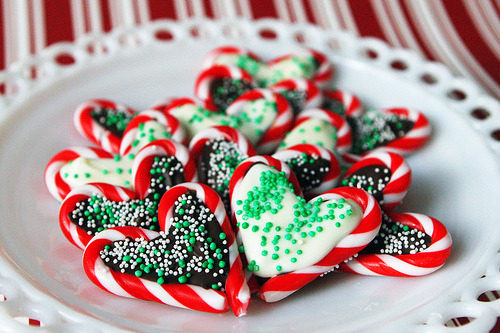
Good-quality cheese, seafood, nuts and chocolates bring much taste and enjoyment to the palate, while cheap crackers, pastries and chips do not. Savour the experience of eating good-quality food occasionally rather than stuffing your face with high-fat snacks.


Eating everything on offer

Next time you are at a party, pay attention to the thin party-goers compared to the overweight ones. Generally, slim individuals are pickier when it comes to food choices. Each time food comes around ask yourself: "Do I really feel like eating this?" It's often all you need to keep in control.

Overindulging in alcohol

The festive season should not be seen as an excuse to forget your personal limits with alcohol. Try to have two alcohol-free days each week, drink plenty of water and avoid high-kilojoule mixers such as juice, soft drink and flavoured drinks.


Letting Christmas run until January

Get back on track with your usual diet and exercise habits by January 2 or, before you know it, February will be here and the extra Christmas weight will be with you for the rest of the year.


Choosing high-fat snacks

While pastry-based treats, cheese and dips can be exceptionally high in fat and kilojoules, there is a range of lower-kilojoule snacks that still taste fantastic. Look for potato chips cooked in olive oil, low-fat dips and crackers.


Developing an "all or nothing" attitude to dieting

Rather than mentally writing off the next four weeks in terms of your food intake and activity patterns, think like a thin person. Enjoy good-quality, tasty treats in controlled amounts, but balance them with nutritious summer foods including salads, seafood and fresh fruits. Look as the time off over this period as an excuse to move your body more and you will be well on your way to a fitter and healthier new year.


Comment below your favourite Christmas food. Let me know if you found this article helpful?


Source

Sunday, 13 September 2015

Binge eating: Avoid weekend overeating with these 6 tips

Yes, you can enjoy yourself - but keep these rules in mind

Binge eating: Avoid weekend overeating with these 6 tips

Weekends are for relaxing and taking it easy and for most of us that philosophy also makes its way to our diets. So how can you still enjoy yourself without completing going over the top? Try these tips

1. Have a healthy breakfast

Breakfast sets you up for the rest of the day so if you start by having the right type of breakfast you're less likely to want to reach for unhealthy treats later on. Having a nutritious breakfast that includes a protein such as eggs, complex carbs such as wholegrain bread and good fats such as slices of avocado along with plenty of fresh fruit and veg will keep your blood sugar levels steady which will keep you full for longer and also keep cravings at bay.

2. Out of sight, out of mind

If you're the kind of person who finds it hard to resist when treats like chips, biscuits and lollies are right in front of you then make it easier for yourself and just remove the temptation altogether. If it's not there, you're less likely to want to eat it. 

3. Pick a designated time to treat yourself

The weekend can become one big blur of breakfasts, lunches and dinners which can really add up calorie-wise. So to avoid a major calorie blow out pick one particular meal to treat yourself and then choose healthy options for all other meals. Also, be sure to eat mindfully - that means savouring each mouthful and really appreciating the experience. If you just wolf down a meal without even thinking you're less likely to feel satisfied.

4. Share your meals

If you're heading out for a meal, why not split entrees or desserts with someone else? You'll still be able to enjoy a nice meal out but you won't be consuming so many calories by having a rich dessert or entree on your own. Often restaurant portions can be larger than what we would serve ourselves at home so this is a good way to keep portion sizes in check.

5. Have healthy snacks at home

When faced with quiet moments during the weekend where you're binge-watching a TV show or settling in for a movie, the temptation is there to want to reach for the nearest snack. To help combat this have healthy snacks ready to go so you don't feel tempted to reach for the a bag of chips instead.

6. Watch your alcohol intake

It's easy to go overboard with alcohol during the weekend because you're feeling relaxed, but remember that a cocktail is essentially just calories in liquid form. Give yourself an alcohol quota (one drink a day is the optimum amount), savour each drink and then switch to soda water once you've reached your quota.


Source
http://www.bodyandsoul.com.au/weight+loss/lose+weight/binge+eating+avoid+weekend+overeating+with+these+6+tips+,38961

Thursday, 3 September 2015

Want to lose weight? Stop eating on-the-go!

A study reveals how munching on-the-go can lead to unwanted weight gain

Want to lose weight? Stop eating on-the-go!

Many of us are guilty of living an eat-and-run life. You see, when you’re strapped for time and forever on the move, it’s almost impossible to find the time to sit down and have a healthy, hour-long meal — it just doesn’t happen.
While snacking on-the-go might be the only way to ensure you’re eating anything at all, it can also make it difficult to maintain a healthy lifestyle and real tough if you’re trying to shed a few kilos.
In a recent study published in the Journal of Health Psychology, researchers found that people who eat on-the-go may increase their food intake later in the day, resulting in extra weight gain and obesity — yikes! For the study, 60 females who were either dieters or non-dieters were examined.
They were all given a cereal bar to eat under three different conditions — during a five-minute clip of the TV show  'Friends', walking around the corridor and the other while chatting with a friend. They were then asked to complete a follow-up questionnaire and a taste test involving four different bowls of snacks, including chocolate, carrot sticks, grapes and chips.
Interestingly, the results found that dieters who ate while walking around or moving were more likely to eat more snacks at the taste test, some eating up to five times more chocolate than others. Even more so than the people who ate while chatting or watching TV, things we usually associate with mindless eating.  
"Eating on the go may make dieters overeat later on in the day," said lead author Professor Jane Ogden. "This may be because walking is a powerful form of distraction which disrupts our ability to process the impact eating has on our hunger. Or it may be because walking, even just around a corridor, can be regarded as a form of exercise which justifies overeating later on as a form of reward." 
"Even though walking had the most impact, any form of distraction, including eating at our desks can lead to weight gain. When we don't fully concentrate on our meals and the process of taking in food, we fall into a trap of mindless eating where we don't track or recognise the food that has just been consumed." 
With our forever busy schedules, sitting down to eat is often out of the question. So, in order to keep yourself on-track, try following these simple tips;
  • Plan ahead. Pack a healthy breakfast, lunch and snacks the night before and store it in the fridge. That way all you have to do is grab and go!
  • Know your options. If you don’t have enough time to pack a lunch, become familiar with your area and lunchtime options. Pass on the fast food and make a beeline straight for the local salad bar or sandwich shop.
  • Keep track of calories. While we know calories aren’t the be all and end all to weight loss, knowing what’s going in versus calories burned can really help. When you’re on-the-go it can be hard to keep up with what you’re consuming. Apps like My Fitness Pal can be a great tool to help you keep track of all your meals, snacks and sweat-induced activities. 


Comment below what you think! I love hearing your thoughts!


Source
http://www.bodyandsoul.com.au/weight+loss/lose+weight/want+to+lose+weightr+stop+eating+on+the+go+,38589

Tuesday, 25 August 2015

7 days to stop overeating

How to avoid overindulging in just one week


Monday

Drink more water. Dehydration can easily be confused with hunger and it contributes to low energy, so keep hydrated to curb hunger and minimise tiredness. Start your day with a big glass of water and set a reminder to drink some more every few hours. Still hungry after a meal? Drink a glass of water to curb that feeling.


Tuesday

Reduce your liquid calorie intake. These are easy to over-consume as they don’t provide the sense of feeling full that you get from food. They’re also easily absorbed. So cut down alcohol, soft drinks and fruit juices to an occasional treat.

Wednesday

Chew for longer. If you plough through meals, you’re likely to overeat and the stomach reflex that signals to the brain that the stomach is full will be delayed. If you chew for longer (until the food has become paste-like) not only will it help with digestion, but you’ll also feel full after less food.  

Thursday

Cut out the “treat” mentality. You know you shouldn’t have it but that doesn’t stop you from treating yourself to a muffin or chocolate bar because you “deserve it” or you “worked out today” – sound familiar? Sweet treats and crisps are enormously high in calories, so do yourself a favour and cut out the junk. Instead, snack on healthier alternatives such as sweet fruits and raw nuts.


Friday

Go to bed on time. Not getting enough sleep stimulates appetite hormones, so you’ll end up eating more and choosing higher-calorie foods the next day. Improve your chances by going to bed at a regular time, sleeping in a dark room with the window slightly open to get fresh air and avoiding using gadgets just before bed.

Saturday

Eat balanced meals. These should contain carbs, fats and protein; if one or more is insufficient, you’ll feel hungry sooner. For breakfast, try adding LSA (ground linseeds, sunflower seeds and almonds) or flaxseed oil to cereal, or smoked salmon or cottage cheese to toast.  

Sunday

Eat at regular times. Many people know what to eat but overlook when to eat. If you skip breakfast and have a light lunch, you’re likely to overeat in the evening and feel peckish for a sweet treat. Establish a routine to eat the main meals at similar times. Have an afternoon snack to keep energy up and any hunger pangs at bay.


Source
http://www.bodyandsoul.com.au/nutrition/nutrition+tips/7+days+to+stop+overeating,30085

Avoid overeating

It's easy to overeat, but it's not healthy if it's done regularly. Here's how to train yourself out of it.


We have all done it at one time or another, and it happens for a range of different reasons: overeating. Boredom, too much good food, an inability to clearly define and identify hunger, or just because the food was there are some of the reasons we do it. Done occasionally, it's not such an issue. But for those of us who overeat regularly, and gain weight as a result, it may be time to take a closer look at why we're doing it.
Eating too much is easy because the body lets it happen. Hunger is a strong sensation. If fullness was anywhere near as strong perhaps fewer of us would have issues about regulating the volume of food that we eat. If it's been some time since you managed to stop eating at the right time, it may be time to get back in touch with your body's natural signals. Try serving yourself much smaller portions, even half of your regular meal if you have to, and eat as slowly as possible. Try ending the meal a mouthful or two before you usually would, to remind yourself what "comfortably full" feels like. This will take time (weeks, even months), but is an important process to work through to remind yourself of the body's natural hunger and satiety (fullness) signals.
The most important thing to do if you or other family members are prone to overeating is to limit the type and volume of food in the home. My clients are always shocked to hear that if food is kept in the home, they will eat it. Numerous studies by behavioural eating researcher Brian Wansick have shown that the more food we have around, and the more of it we can see, the more of it we will eat. So forget the idea of having a lolly jar on your desk that you only raid in emergencies, or a packet of biscuits in the cupboard that you only open if guests visit. If it is there, you will eat it. The final strategy is to compensate when you do overindulge. A day of simple salad and soups and some extra exercise will not only help you feel better when you have overeaten, but it will teach you to balance your intake with your output on a daily basis.

Top tips to avoid overeating

  • If you don't want to eat it, don't keep it in the house.
  • Plan meals so you don't get too hungry and overeat.
  • Avoid smorgasbords.
  • Don't leave leftovers out.
  • Eat lightly on the day you are planning to eat out.
  • End meals with something small and sweet.
  • Go for a walk after meals to get out of the kitchen.
  • Don't over-shop; buy only what you need each week.
  • Have a snack before you attend social functions where food will be served.
  • Quantify your hunger and aim to only eat when you are at eight or nine out of 10.

Top five drink choices

  1. Water.
  2. Green tea.
  3. Carrot, celery and beetroot juice.
  4. Small skim latte or Jarrah hot chocolate.
  5. Small glass red wine.


Source
http://www.bodyandsoul.com.au/weight+loss/diets/avoid+overeating,9313