Showing posts with label fruits. Show all posts

Tuesday, 5 July 2016

What Role Does Sugar And Salt Portray In A Healthy Diet

It is only natural to like sweets. Many people have become used to having something sweet daily as part of their standard food consumption. Yet too many sweets in the diet can lead to weight gain and health risks. The fact the sweets contain refined sugars add to the complications in the diet.
Refined sugars have negative health effects including hypoglycemia, arthritis, diabetes, headaches, suppression of the immune system, osteoporosis, and depression. It also is stored as fat within the body increasing the weight of the individuals that consume it.
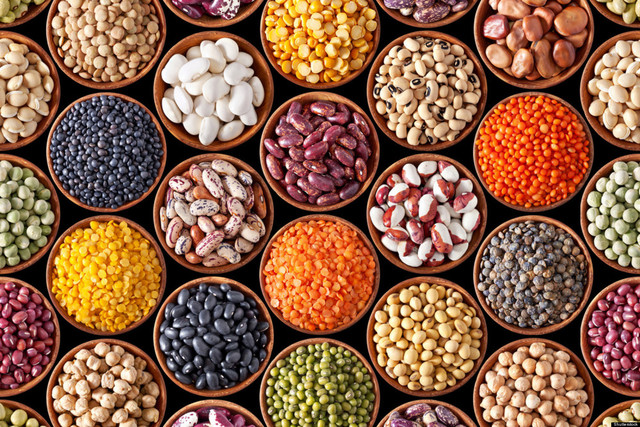
Replace the sweets containing the refined sugar with natural sweets such as fruits. Using the natural sweets to satisfy the sweet cravings will lead to weight loss and better health. Add grains and beans to the fruits to increase the natural goodness of the fruit. The natural sugar in the fruits provides the right kind of energy as well as essential fibers and nutrients.
Avoid consuming sugary drinks such as tea, coffee, and sodas. The average person will drink at least two servings of the beverages a day with the drinks containing about 10 teaspoons of sugar in each drink. The artificial sweeteners, used in the beverages, have been shown to interfere with the body’s natural ability to function properly; so even this type of sweetener is not good for a person. Instead of consuming the sweetened beverages, drink natural fruit juices, or water with a squeeze of lemon added as the sweetener.
Salt or sodium is another bad ingredient many people have in their diets. The issues with salt are that many people, highly over use it daily. They do not realize that they consume over 2,300 mg per day of the highly dangerous additive. Most of the foods consumed contain added sodium with processed, packaged, fast food, and restaurant foods. Even the canned soups and frozen meals have added sodium.
Sodium leads to weight gain, heart disease, and health issues related to the added chemical in the body and bloodstream. Sodium makes people retain water leading to the bloating of the body. It also tends to make people feel thirsty constantly, so when even consuming fluids, often times their thirst is not quenched.
Salt is not bad when used in moderation. There are high quality sea salts that have up to 90 minerals that are healthy for the body. Use sea salt that is either reddish or brownish in color or even the non-colored salt for the best type of salt to add to the diet. These types of salts do not have additives, chemicals, and are not bleached.
Your body does require a certain amount of sodium and natural sweeteners, in order to function properly. You should reduce the extra amounts you consume, to create a healthier life style and body. It is also important for you check with you doctor, prior to making major changes to your diet, in order to determine if it could affect your overall health adversely.

Friday, 20 November 2015

What are Antioxidants and Why Do we need them?

We are often told that a food is good for us due to the fact that it contains antioxidants.  These naturally occurring compounds are thought to offer preventative effects for disease so what exactly are they and how can we get them in our diet?


What are antioxidants?

Antioxidants are compounds which inhibit oxidation in the body or in foods. Oxidation is a chemical process which involves the transfer of electrons or hydrogen producing harmful free radicals in the body.
These destructive substances can cause cell damage or death in the body through altering DNA, which can in turn lead to development of diseases such as cancer, heart disease, Alzheimer’s and Parkinson’s diseases, due to cellular mutations.
External factors such as cigarette smoke, air pollution and excessive alcohol consumption can all lead to production of free radicals and are therefore harmful to the body.  Antioxidants help to stop the damage done by free radicals and therefore may be effective in reducing risk of disease.
Oxidation is also the process that makes food go bad after a certain time and antioxidants are often used in food manufacturing to slow down this process, giving food a longer shelf life.

Why we need antioxidants

Although your body produces some antioxidants on its own, which work to battle the on-going small amounts of oxidative damage in the body, in the modern world, we are exposed to many free radical forming substances.  It is therefore suggested that we include some antioxidants in our diet to combat this.
There is some evidence that a diet high in vitamin antioxidant containing foods may reduce the risk of developing lifestyle diseases, although there is some question as to whether other antioxidants which appear to be beneficial in laboratory conditions actually assert any effect in the human body.
The best sources of antioxidants are plant based foods and there is suggestion that a high intake of fruit and vegetables is associated with lower risk of many diseases, so whether or not the antioxidants are as powerful as they seem or whether another mechanism is in play, a wide variety of fruits and vegetables in your diet is a good way to ensure a healthy diet and reduce risk of disease.

Common antioxidants

Some common antioxidants include particular vitamins, flavonoids and polyphenols.
Vitamin C works to stop the oxidative chain reaction before it starts, whilst vitamin E breaks the chain further along.  Flavonoids and polyphenols are also common antioxidants, with different forms found in a variety of plant based foods.
Only the vitamin antioxidants have been proven to have beneficial antioxidant effects in the human body, whilst the other forms have been shown to be effective in a laboratory, but are not thought to maintain this efficiency in the human body.

What foods are high in antioxidants?

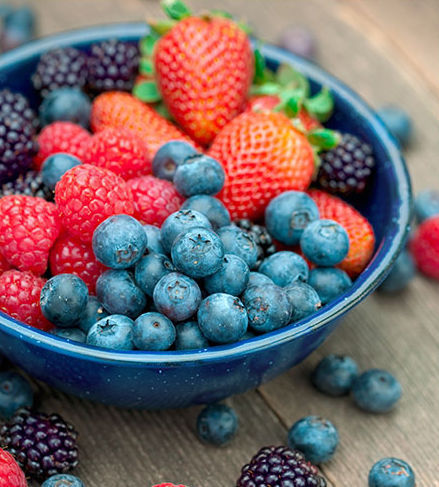
Foods that are naturally high in antioxidants are mainly from the fruit, vegetable and legume families. Berries contain the highest amount of antioxidants for fruit, in particular blueberries, cranberries and blackberries, whilst artichokes are a good source from the vegetable family.  Red beans and pinto beans are the highest in antioxidants of the legumes.
Antioxidant vitamin C are commonly found in fruits and vegetables, particularly citrus fruits, whilst beta-carotene, which is required to make the antioxidant vitamin A in the body is found in vegetables that are green and leafy or yellow and orange in color.
Fat soluble vitamin E is found in nuts, seeds, wheat germ and whole grains.  Flavones, a type of polyphenol antioxidant are found in berries and tea, whilst carotenoids, which include the antioxidants lycopene and beta-carotene are found in a variety of vegetables.
Many spices and compounds such as cocoa have high antioxidant levels; however, our intake of these products is in such small portions that it is unlikely they have any effect in the human body.
Dried fruits are also a good source, as the removal of water concentrates the antioxidants.

A word of caution on supplements

Due to their potential to reduce oxidative damage, it was thought that high intakes of antioxidants through supplementation may reduce risk of disease and may even be beneficial for treatment.
However, further research has concluded that there is no benefit to very high intake of antioxidants in terms of disease prevention and there is even some suggestion that a very high intake may increase the risk of some cancers.

Do you eat enough antioxidants in your diet? Comment below and let me know any thoughts or questions you may have :)


Source
References used in this article

Monday, 7 September 2015

BEST FRUITS FOR TOTAL HEALTH AND WEIGHT LOSS

Blueberries are the Jennifer Lawrence of superfoods: Universally acclaimed, riding high at the tip-top of the A-list, but — gasp, don’t look now — perhaps a bit overrated.
That’s the suggestion of a recent study published in the journal Preventing Chronic Disease: Public Health Research, Practice and Policy. Researchers studied various fruits and vegetables and ranked them according to the nutrient density (a measure of 17 vitamins and nutrients) for 100-gram servings; a score of 100 indicated that 100% of the recommended daily allowance of those nutrients could be found in the serving. After all the data was crunched, these fruits beat blueberries onto the list:
1
LEMON


lemon

The yellow fruit deserves better than its usual status as a side piece: Researchers ranked it the most nutrient-dense fruit on the list. Lemons are high in vitamin C; in fact, a single fruit contains almost an entire RDA of the powerful antioxidant. They’re also rich in citrus limonoids—natural compounds that have been shown to disarm cancer cells, particularly of the breast and colon—and the citrus flavonoid naringenin, a potent free-radical scavenger and anti-inflammatory. Begin your day with plain lemon water, toss wedges into a lunchtime salad, or combine them with other fruits on this list to make a refreshing detox water.

Score: 18.72

2
STRAWBERRY


strawberries

Not only are strawberries one of the fruits that are best for fat loss, but they’re also mega-high in antioxidants—just one medium berry has 11% your RDA of vitamin C! They’re heart-protective, raise “good” HDL cholesterol and have anticancer properties. Add them to your breakfast oatmeal, blend them into ahealthy smoothie, or pair them with dark chocolate for a doubly fat-burning dessert. If you’re put off by the price, head to the freezer aisle instead. Frozen are just as good as fresh—they contain the same amount of nutrients.

Score: 17.59

3
ORANGE


oranges
A longtime vitamin C MVP — with 88% of the RDA in a 100-gram serving — oranges are also good sources of fiber and potassium, and rich in the those cancer-fighting citrus limonoids. Two Japanese studies showed that drinking mandarin orange juice reduced participants’ incidence of liver cancer. It’s theorized that’s due to oranges’ high level of carotenoids, the pigment that gives the fruit its color and functions as a potent antioxidant, mopping up free radicals and repairing DNA damage that can cause disease. Add oranges to a smoothie, stir pieces into Greek yogurt or a healthy fruit salad, or grab them on the run for a perfectly self-contained snack.

Score: 12.91

4
LIME


limes

Lemons’ smaller, jealous-looking cousins are particularly high in flavonoids and limonoids, antioxidants that protect against cancer and aid digestion. A 100-g serving of the humble fruit has half the day’s recommended vitamin C, and almost three grams of fiber. Slice them into a zesty chicken-avocado soup, use them to save 110 calories per drink in this easy margarita recipe, or squeeze them into your eight daily glasses of H20.

Score: 12.23

5
PINK AND RED
GRAPEFRUIT


grapefruit

Grapefruit’s phytochemicals and vitamin C provide a one-two punch, helping fight disease and even 
burn belly fat. In a study published in the journalMetabolism, people who ate grapefruit before their meals for six weeks lost up to an inch of fat from their waists! To get those belt-tightening benefits, start your day with half a grapefruit, add wedges to a lunchtime salad, or make a grapefruit-flavored healthy soda to down with dinner.

Score: 11.64

6
BLACKBERRY


blackberries
The blacker the berry, the sweeter the benefits: Sky-high in vitamin K (36% of the RDA per cup), blackberries boast phytonutrients that help blood clot and keep bones healthy, as well as the antioxidant lutein, which supports eye health. Bonus: With 7.6 grams of fiber per cup (almost as much as soybeans), blackberries are one of the best high-fiber foods for weight loss. Eat them straight out of the carton, add them to whole-wheat pancakes, or sprinkle them into plain Greek yogurt for a high-protein breakfast without excess sugar.

Score: 11.39


Source
http://www.eatthis.com/best-fruits-for-total-health-and-weight-loss?src=twitter

Wednesday, 29 July 2015

Good Fruits to Eat to Lose Belly Fat

To trim belly fat, you need to lose total body fat, which means following a reduced-calorie diet and exercising regularly. Fruit should be a part of any weight-loss diet. It's high in fiber to help fill your tummy, and it's naturally sweet, which might help keep cravings for sugary, higher-calorie foods at bay. All fresh fruits can be included in your diet, but some types are better than others. When it comes to frozen, canned and dried fruits, certain types should be categorically avoided.

Berries and Melons

For low-calorie, high-fiber fruit on a weight-loss diet, you can't beat melons and berries. One cup of sliced strawberries has just 53 calories, and 1 cup of fresh blueberries has 84. A cup of honeydew melon balls has 64 calories, and 1 cup of cantaloupe cubes has only 54 calories. Top a serving of low-fat Greek yogurt with sliced strawberries, or pair diced cantaloupe with a handful of protein- and fiber-rich almonds for a satiating afternoon snack.

Other Fresh Fruits for Fat Loss

Apples, pears, peaches and plums are all naturally sweet, high in fiber and low in energy density, or calories per gram. Foods that are low in energy density are usually high in water and fiber content, which helps to fill you up so that you eat less calorie-dense foods. Watermelon is particularly water-rich, with over 91 percent water content. In a study published in 2011 in "Nutrition & Metabolism," eating grapefruit, another water- and fiber-rich option, before a meal helped overweight adults consume 20 percent to 29 percent fewer total calories, which resulted in a 7 percent weight loss and decreases in body-fat percentage and waist circumference over a 12-week period.

Higher Calorie Fruits to Eat in Moderation

Certain fruits are higher in calories and carbohydrates and are best consumed in limited amounts when you're trying to lose belly fat. These include coconuts, avocados, plantains and bananas. Gram for gram, bananas provide almost three times as many calories and carbohydrates as strawberries. Plantains provide nearly four times the calories and carbs of strawberries. Both bananas and plantains offer about the same amount of fiber as strawberries, so you're only getting more calories and carbs, with no extra benefit.

Frozen, Canned and Dried

Processed fruits can be trickier on a weight-loss diet. Avoid anything with added sugar, which means any fruit canned in syrup as well as many dried fruits. Check the ingredient list on frozen fruits to make sure no sugar has been added. Fruit canned in water is your best bet. Even fruit canned in juice can be higher in calories and is best avoided. Remember that 1/2 cup of dried fruit is equivalent to 1 cup of fresh fruit. That's because dried fruit is a concentrated source of sugar. When you're trying to trim belly fat, choosing fresh fruit over dried fruit is always a better option.

Source
http://www.livestrong.com/article/535981-good-fruits-to-eat-to-lose-belly-fat/


References


Wednesday, 22 July 2015

20 Sweet Snacks for 50 Calories or Less

Get our delicious ideas for snacking without overindulging with these 20 treats that will satisfy your sweet tooth. We've included the calorie, cholesterol, fat, and sodium facts for each, plus brand names to make your shopping super simple.

Low-Calorie Cereal Snack

Kellogg's Bite Size Maple & Brown Sugar Frosted Mini-Wheats
These super-tasty sweet treats feature a satisfying crunch (it helps that whole grain wheat is the first ingredient). Six Mini-Wheats will cost you just 47 calories--and you'll get a gram of filling fiber, too.
Nutrition facts for six Mini-Wheats: 47 calories, 0 g fat, 0 mg cholesterol, 0 mg sodium


Antioxidant-Rich Fruit

Raspberries
Packed with antioxidants, fiber, and potassium, raspberries are among the Cleveland Clinic's list of 40 best foods for heart health. Research suggests they help lower blood pressure and boost good cholesterol, plus they'll tide you over as a delicious snack.
Nutrition facts for 3/4 cup raspberries: 50 calories, 0 g fat, 0 mg cholesterol, 0 mg sodium


Light and Tasty Popsicle

Edy's All Natural Fruit Bar
You'll get 15 percent of your daily vitamin C needs in one 50-calorie frozen pop. Pick from yummy cherry, grape, and tropical flavors.
Nutrition facts for one bar: 50 calories, 0 g fat, 0 mg cholesterol, 180 mg sodium


Low-Calorie Ice Cream Treat

Root Beer Float
Pour fizzy diet root beer over 1/4 cup of light vanilla ice cream for a treat that will take you back to your youth. Toss your glass in the freezer 10 minutes before dishing for the full frosty effect.
(We used Frostop Diet Root Beer and Breyer's Smooth & Dreamy Light Ice Cream.)
Nutrition facts for one root beer float: 50 calories, 2 g fat (1 g sat fat), 5 mg cholesterol, 33 mg sodium


Grab-and-Go Gelatin Snack

Jell O Sugar Free Cup with Cool Whip
These single-serving containers of Jell-O make calorie counting oh-so-easy! The gelatin has just 10 calories, the whipped topping adds 25.
(We topped our Jell-O with 2 tablespoons of Cool Whip.)
Nutrition facts for Jell-O with Cool Whip: 35 calories, 2 g fat (2 g sat fat), 0 mg cholesterol, 50 mg sodium


High-Fiber Fruit

Peach
Increasing your fiber intake (at least 25 grams a day) can significantly lower your heart disease risk, and a peach provides nearly 2 grams. For a special treat, cut one in half and grill both sides to caramelize the natural sugars.
Nutrition facts for one peach: 38 calories, 0 g fat, 0 mg cholesterol, 0 mg sodium


Naturally Sweet Fruit

Maraschino Cherries
Stock these simple treats in your fridge for grab-and-go convenience. Each cherry has just 10 calories with no fat or cholesterol.
Nutrition facts for five cherries: 50 calories, 0 g fat, 0 mg cholesterol, 0 mg sodium


Long-Lasting Candies

Sugar-Free Baskin Robbins Hard Candies
In flavors like Pralines 'n Cream, Fruit Medley, and Mint Chocolate Chip, these long-lasting, creamy candies mimic the taste of their ice cream counterparts. Each piece melts in your mouth for a full 10 minutes.
Nutrition facts for five candies: 50 calories, 1 g fat (0 g sat fat), 0 mg cholesterol, 25 mg sodium


Calorie-Free Warming Tea

Tea with Sugar
Calorie-free white, black, red, and green teas have all been shown to contain high levels of antioxidants, which help ward off disease. Add a dash of sugar substitute to sweeten things.
Nutrition facts for a cup of tea: 0 calories, 0 g fat, mg cholesterol, 0 mg sodium


Vitamin C-Rich Fruit

Strawberries
Ripe and juicy, eight strawberries provide more than 100 percent of your vitamin C for the day. For an even sweeter treat, dust five strawberries with 2 teaspoons of confectioners' sugar for only 3 tiny calories more.
Nutrition facts for eight strawberries: 46 calories, 0 g fat, 0 mg cholesterol, 0 mg sodium


Convenient Low-Calorie Applesauce

Mott's No-Sugar-Added Healthy Harvest Applesauce
This tasty fruit-filled applesauce kicks up your vitamin C quotient: Each 50-calorie snack cup provides 25 percent of your daily needs.
Nutrition facts for one snack cup: 50 calories, 0 g fat, 0 mg cholesterol, 0 mg sodium


Decadent Chocolate Treat

Dove Dark Chocolate Promise
Sometimes all you need is one decadent bite of really good chocolate. Plus, the dark kind is full of heart-healthy antioxidants. Enjoy!
Nutrition facts for one chocolate: 42 calories, 3 g fat (1 g sat fat), 1 mg cholesterol, 0 mg sodium


Hydrating Flavor-Added Water

Propel Fitness Water
Sipping a 23 ounce bottle of this fruit flavored water can stave off a candy binge all afternoon, as well as provide much needed hydration and a splash of B vitamins.
Nutrition facts for one bottle: 30 calories, 0 g fat, 0 mg cholesterol, 15 mg sodium


Flavorful Low-Calorie Candies

Jelly Belly Sugar-Free Jelly Beans
Jelly Belly's bold jelly bean flavors range from tangerine to sizzling cinnamon to juicy pear. A handful will quench any sweet craving, and with 20 beans you're hardly skimping on portion size.
Nutrition facts for 20 beans: 46 calories, 0 g fat, 0 mg cholesterol, 0 mg sodium


Sweet and Salty Popcorn

Orville Redenbacher Smart Pop Kettle Korn
Air-based snacks, such as popcorn, help you feel full on fewer calories. The smell of the popped popcorn will also make you feel indulgent, even while you're being sensible.
Nutrition facts for 3 cups popped popcorn: 45 calories, 0 g fat, 0 mg cholesterol, 69 mg sodium


Fat-Free Marshmallow Snack

Marshmallow Dipped in Chocolate
Get a dose of campfire nostalgia by tempting your palate with a fluffy marshmallow drizzled with chocolate syrup. Melt your own dark chocolate to add heart-healthy antioxidants to this sweet treat.
(We used Kraft Marshmallows and 1/2 teaspoon Hershey's Chocolate Syrup.)
Nutrition facts for one marshmallow with chocolate syrup: 34 calories, 0 g fat, 0 mg cholesterol, 8 mg sodium


Portion-Controlled Mandarin Orange Cups

Del Monte No-Sugar-Added Mandarin Oranges
Grab a spoon and you can savor the natural sweetness of mandarin oranges anytime (and nearly anywhere). The 40-calorie portion-controlled snack serves up 100 percent of your daily vitamin C needs.
Nutrition facts for one snack cup: 40 calories, 0 g fat, 0 mg cholesterol, 10 mg sodium


Sweet and Crunchy Rice Cakes

Quaker Quakes Caramel Corn Rice Snacks
Pop five of these mini rice snacks in your mouth and you'll forget you're dieting. The sweet crunch comes without fat or cholesterol and is delightfully low in sugar, too.
Nutrition facts for five rice cakes: 43 calories, 0 g fat, 0 mg cholesterol, 107 mg sodium


Calcium-Added Warming Cocoa

Swiss Miss Fat-Free Hot Cocoa with Calcium
The antioxidant level in cocoa is even higher than in red wine. Plus, one mug provides as much calcium as a glass of milk. Add a cinnamon stir stick for no additional calories.
Nutrition facts for one mug: 50 calories, 0 g fat, 0 mg cholesterol, 180 mg sodium


Source
http://www.bhg.com/recipes/healthy/snacks/20-sweet-snacks-for-50-calories-or-less/

Wednesday, 17 June 2015

The top 7 fruits that will guarantee weight loss!

A recent study found that eating five portions of fruits and veggies a day is a great way to live a disease-free life. Fruits are natural superfoods with immense benefits that help in weight loss – they are high in fibre, contain natural sugars and help keep hunger pangs at bay. One portion of fruit is defined as 80g of fruit so one medium-sized apple would constitute one portion. Here are the top 10 fruits for weight loss:

1) Watermelon

 The watermelon is your go-to fruit for weight loss. It’s high in water content (90%) and a 100g serving just contains 30 calories. They’re also a rich source of amino acids called arginine which helps burn fat. The best thing about watermelon, however, is the fact that not only does it keep you hydrated, it will also keep you satiated for a long time which will lead to less unhealthy snacking. Read more about the health benefits of watermelons.

http://sarahohm.com/2014/07/food-for-thought-watermelon/


2) Guava

The guava was brought to India by the Portuguese and is packed with immense health benefits. High in fibre, it’s another potent weight loss aid thanks to the fact that its glycemic index is low, making it perfect for diabetics as well. Along with that, it keeps our bowel movements prim and proper which aids the overall weight loss process.

 http://sfp.adrianopetrich.com/post/summer-harvest-fresh-guava-juice


3) Apple

What if we told you that there was a fruit that could reduce your cancer risk, keep your heart healthy, make your teeth whiter, boost your immune system and even beat diarrhoea and constipation? Well the apple’s the one. If you’re on a weight loss diet, then you certainly need the apple in your dietary repertoire. One medium-sized apple contains around 50 calories and doesn’t have any fat or sodium. In fact, a Brazilian study found that women who ate apples before their meals lost 33% more fruits than those who didn’t eat them! Read more about the health benefits of apples.
 http://www.caloriesweb.com/fruit/calories-in-apple/

 4) Banana

Packing 105 calories, per piece, the average banana is an excellent source of instant energy and the perfect post-workout food. They’re also healthier than packaged post-workout snacks like energy bars which are just chocolate bars masquerading as ‘healthy’ options. It also helps beat muscle cramps, keeps your BP in check, prevents acidity and even beats constipation.

http://www.popsugar.com/fitness/Vegan-Ice-Cream-Made-Bananas-24660104


5) Pear

The pear fulfils one quarter of your daily fibre requirement and is great for your digestive system. It also helps reduce cholesterol levels, reduces the risk of coronary heart diseases and type II diabetes. The fibre content keeps you satiated for longer than normal and the fruit also packs a mean punch thanks to the fact that it’s rich in Vitamin C.

http://www.goodlifeeats.com/2010/10/maple-and-cardamom-spiced-pears-with-pecans.html


6) Oranges

Not only is the orange great to taste, 100g of this fruit only contains 47 calories which is great for someone looking for a snack while trying to follow a strict diet. It’s also sweet which will help take care of the cravings every dieter has for something sweet!

http://makeupandbeauty.com/clear-glowing-skin/sliced-oranges/

7) Tomatoes

Yeah, tomatoes are fruits not vegetables and they’re a Godsend for your weight loss battle. They’re delicious, full of antioxidants and reduce water retention. They also reverse leptin resistance, for those not in the known, leptin’s a type of protein which prevents our body from losing weight, thus tomatoes are the perfect ally. Just keep in mind that ketchup – which is loaded with synthetic stuff and sugars – don’t count as tomatoes.

 http://commons.wikimedia.org/wiki/File:Close-up_of_sliced_tomatoes.jpg


Source
https://www.msn.com/en-in/health/nutrition/the-top-7-fruits-that-will-guarantee-weight-loss/ar-AA5FfqP

Sunday, 19 April 2015

7 Foods That Help You Shed Pounds

The secret to losing weight? Fill up on foods that contain water, like these fruits and veggies.

Water works

Ever hear that water can help you lose a few extra pounds? It can—if you eat foods that contain a lot of water, like fruits and veggies. In a University of Tokyo study, women who ate high-water-content foods had lower body mass indexes and smaller waistlines. Researchers speculate that the water in these foods may fill you up so you eat less. Make the strategy work for you by adding more of these in-season fruits and veggies—each is at least 90% water—to your meals.

Broccoli

Did you know broccoli is a great source of fiber and calcium? Broccoli can provide you with some special cholesterol-lowering benefits if you will cook it by steaming.
 http://www.simplyrecipes.com/recipes/broccoli_salad/

Cabbage

Rich in antioxidants like vitamin C, cabbage is a great immune-booster. Enjoy it lightly sautéed in a stir-fry or paired with sweet-tart apples.

Cauliflower

Like other cruciferous veggies, cauliflower is full of cancer-fighting phytonutrients and is a great source of vitamin C and folate. Nibble on raw or lightly steamed florets to maximize cauliflower's antioxidant power.

Grapefruit

A powerhouse for heart health, grapefruit contains vitamin C, folic acid, and potassium, along with pectin, a soluble fiber that may be a strong ally against atherosclerosis. Pink and red varieties also have vitamin A and lycopene, a phytochemical that protects arterial walls from oxidative damage. To get the juiciest specimens, select fruits heavy for their size and make sure to try them in this refreshing salad.

http://miriadna.com/preview/grapefruit

Lettuce

With a mere 60–70 calories per pound, lettuce is high on the list of diet-friendly foods. Romaine lettuce alone is a great source of B vitamins, folic acid, and manganese, which helps regulate blood sugar and is essential for proper immune system function. Choose other dark green or purple varieties such as green or red leaf for the most nutrients, and toss with a zesty homemade vinaigrette.

Radishes

These brightly colored vegetables are packed with potassium, folic acid, antioxidants, and sulfur compounds that aid in digestion. Don't forget the leafy green tops, which contain six times the vitamin C and more calcium than the roots. Thinly slice and toss in a fresh green salad or julienne for coleslaw.

Spinach

Tender and flavorful, this leafy green is rich in iron, folic acid, and vitamin K. It also contains disease-fighting antioxidants beta-carotene and vitamin C, as well as the phytochemical lutein, which protects eyes against age-related macular degeneration. Use as a substitute for lettuce in salad, lightly sauté with shredded carrot, sliced mushrooms, and garlic for a savory omelet filling, or try this simple Seasoned Spinach recipe for a quick and nutritious side dish.
 http://www.seriouseats.com/2012/12/baby-spinach-salad-with-pears-red-onions-cran.html

Source
http://www.health.com/health/gallery/0,,20306719_3,00.html
http://www.whfoods.com/genpage.php?tname=foodspice&dbid=9