Showing posts with label moderation. Show all posts

Sunday, 10 April 2016

The 80/20 Diet Rule

Going on a restrictive diet can help you lose weight, but, like many other dieters, you may regain that weight as soon as you go back to eating normally. Making more permanent dietary and lifestyle changes can help keep this from happening. Following the 80/20 rule may help you not only lose the weight, but keep it off permanently.

How the 80/20 Diet Rule Works

The principle behind the 80/20 rule is simple: Eat nutritious foods 80 percent of the time and allow yourself to indulge a little the other 20 percent of the time. Proponents of the diet disagree on how to determine the 20 percent when you eat less healthy foods, however. Nutritionist and personal trainer Teresa Cutter, the author of the book "The 80/20 Diet," claims that the 20 percent portion of less healthy eating should occur once per week, and not consume 20 percent of what you eat each day. Another way to follow the diet principle is to cheat four meals per week, assuming you eat the typical three meals per day. A study published in Obesity Facts in 2014 found that people can still lose weight after small splurges like cheat meals on the weekend if they compensate and eat healthily overall. Even if you don't lose weight, you'll probably be healthier overall and may have a lower risk for conditions such as heart disease, high blood pressure and cancer because of the healthy diet you're following.

Healthy Eating Using the 80/20 Rule

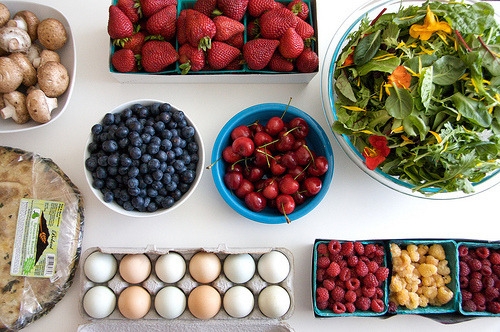
Healthy eating on the 80/20 diet includes eating mainly whole, unprocessed or minimally processed foods, including fruits, vegetables, lean protein and whole unprocessed grains, as well as plenty of water. Fruits, vegetables and other foods high in water and fiber are low in energy density, or calories per gram. This means you can eat large portions of them to help you fill up without eating too many calories at meals. It's possible, however, to eat too many calories while still eating nutritious foods like those recommended for the 80 percent of the time you're eating healthily. Listen to your body's hunger cues and avoid eating when you are not truly hungry.

Importance of Moderation on the 80/20 Diet

Moderation is key during the 20 percent of the time when you relax your healthy eating standards. One serving of a treat food is good, but eating a meal containing a whole day's worth of calories is not. An appropriate splurge may be enjoying one serving of dessert at the end of a meal or choose a serving of a comfort food like macaroni and cheese for your main dish. Avoid both indulgences in the same meal, especially if you're trying to lose weight.

Planning Is Key When Using the 80/20 Rule

If you don't plan for those meals when you're going to use your 20 percent of less-healthy eating, you may find yourself getting tempted and indulging way more than 20 percent of the time. Two types of planning need to be involved. First, consider your schedule each week. If you're going to be eating out or having a special occasion, reserve your treats for those times. Second, decide which treats are those you really love and those you could do without, and only use your 20 percent for your favorite indulgences. Having your indulgences planned out ahead of time can make it easier to avoid "junk" foods on other occasions.

Don't Forget Exercise and Relaxation

Teresa Cutter recommends getting about an hour of moderately intense exercise at least five days a week as well as following the 80/20 diet. Add in a couple strength-training sessions each week to help build muscle and improve your metabolism. The combination of cardio and strength training makes it more likely you'll burn fat instead of muscle as you lose weight. Teresa Cutter also recommends rest and relaxation, so be sure to leave time in your day to wind down and get your recommended eight hours of sleep.


Source

References


Saturday, 12 September 2015

Can Dark Chocolate Help You Lose Weight?

Dark chocolate may not only help you shed those unwanted pounds, it provides a host of healthy benefits that puts other indulgences to shame. Consuming an ounce of dark chocolate three days a week can help your body digest the food you consume, inhibit insulin resistance, reduce stress and cortisol levels and may prevent you from overeating. It is also proven to lower blood pressure, increase circulation, create a feeling of bliss and stimulate energy.

A Nutritious, Expensive Treat

One ounce of dark chocolate with between 70 and 85 percent cacao packs a punch in nutrition, but is costly for dieters who must limit their energy intake. At 170 calories, it is a treat that is best enjoyed in moderation, especially since it contains 12.09 grams of fat. There are three types of fat in dark chocolate: the good, monounsaturated fat called oleic acid, and two saturated fats, palmitic and steric acid. The good news is that these fats do not affect your cholesterol levels and can be considered a healthy fat; this is essential for those who are trying to lose weight. Dark chocolate also contains a healthy dose of essential minerals, including magnesium, calcium, iron, zinc, copper, potassium and manganese.

Appetite Control

When you eat sugary foods, your body can become resistant to insulin. This causes your body to produce more ghrelin, a hormone that increases your appetite. A study performed in the Netherlands, published in "Regulatory Peptides" in 2010, showed how dark chocolate inhibited insulin resistance and reduced ghrelin levels in 12 women who smelled and consumed dark chocolate. In conclusion, the women ate less food and felt more satiated after each meal.
food-and-cake-escape:food-and-cake-escape.tumblr.com

Food Cravings

It is easy to sabotage your diet when you crave sweets, salty snacks, and fatty foods. Dark chocolate can satisfy these cravings nutritiously. Nibbling on a few unsweetened cacao nibs before each meal may help you make healthier choices when it comes to meal time.

Attitude Adjustment

When you feel good, you naturally want to take better care of your body. Dark chocolate contains polyphenols that offer a sense of well-being. Swinburne University in Australia did a study, published in the "Journal of Psychopharmacology" in 2013, on how dark chocolate affected the mood and attitudes in adults. In conclusion, the people who had consumed dark chocolate for 30 days reported little change in mood, but a profound sense of well-being. This is due to the lipid in chocolate called anandamide, a chemical that offers a euphoric feeling that is often short-lived. Because dark chocolate also contains chemicals that inhibit the breakdown of anandamide, this sense of bliss and well-being lingers.

In Summary

Dark chocolate is an indulgence best consumed in moderation. Eating one ounce of dark chocolate three times a week is enough to offer lasting benefits. Like all foods, some people may be sensitive to chocolate and may have adverse effects. If you are taking medications or have undesirable consequences after consuming chocolate, please consult your doctor before ingesting this treat.

Losing weight requires that you consume fewer calories than you burn each day. When combined with a healthy diet and exercise, dark chocolate can give you an extra boost toward reaching your weight-loss goals.


Source
http://www.livestrong.com/article/448566-can-dark-chocolate-help-you-lose-weight/

References

Tuesday, 1 September 2015

Weight Gain and Soy Milk

Weight Gain and Soy MilkWhen consumed in moderate quantities, some studies suggest that soy milk can help you lose weight by mimicking hormones in the body that reduce hunger. While any calorie-containing food or beverage can cause weight gain if consumed in excess of caloric needs, high-calorie drinks such as whole cow's milk or liquid nutritional supplements promote more weight gain than soy milk. However, due to soy's hormonal effects, consuming any soy product in large quantities may harm health.

Soy and Weight

A University of Illinois study, presented at the 2007 Experimental Biology meeting in Washington, D.C., found that when lab rats were injected with soy protein, the rats lost weight, despite having unlimited access to food. Researchers theorized that in the mammalian body, soy acts similarly to the metabolic hormone, leptin, which signals to the brain that you're full and should stop eating. Another study, presented at the Annual Meeting of the Society for the Study of Ingestive Behavior in 2010, concluded that soy prevents postmenopausal weight gain in female rats, likely due to its estrogen-like compounds. Lead researcher Michelle Murphy commented that soy may similarly prevent obesity in postmenopausal humans.


Soy Milk Nutrition

Besides potentially promoting weight loss through hormonal mechanisms, soy milk also provides a lot of nutrition for relatively few calories. It is a good source of protein, iron, B-vitamins and heart-healthy unsaturated fats. Soy is an especially effective source of nutrition for vegetarians and vegans -- unlike most plant foods, soy provides all the amino acids needed by the body to make complete proteins. If fortified, soy milk also provides adequate calcium. Furthermore, soy milk is low in saturated fat and cholesterol. According to the USDA National Nutrient Database for Standard Reference, 1 cup of a popular brand of soy milk contains 100 calories, 7 g of protein, 1 g of fiber, 299 mg of calcium, 24 mcg of folate and 119 IU of vitamin D.


Drinks for Weight Gain

Any food or drink containing calories -- including soy milk -- may contribute to weight gain if your total calorie consumption exceeds the amount of calories you burn. However, if you need to put on some healthy weight, you'll see faster results drinking beverages that are rich in both nutrients and calories, such as whole milk or fruit smoothies. You can also add powdered drink mixes that provide extra calories and nutrients to soy milk in order to boost your drink's energy content. Liquid nutritional supplements such as Ensure or Boost may be used to promote weight gain as well. Avoid drinks containing caffeine if you want to gain weight, as these may decrease appetite.


Considerations

Whether you are looking to gain, lose or maintain weight, do not consume soy milk and other soy products in excess. According to the National Center for Complementary and Alternative Medicine, soy contains compounds similar to estrogen, so there is a chance that soy use could contribute to estrogen-related cancers such as uterine and breast cancer. Further research is necessary to confirm whether long-term use of soy may have negative health consequences, says the NCCAM. While soy milk is likely safe to enjoy in moderation, eating a wide variety of nutritious foods, without placing excessive emphasis on any one food, is the key to good health.


Source
http://www.livestrong.com/article/398902-weight-gain-and-soy-milk/

References

Sunday, 30 August 2015

Your Guide to Natural Sweeteners

Sugar, especially the bright white, refined kind we all grew up with, has always been a nutritional no-no. It spikes your blood sugar, increases inflammation, and sends you on an endless roller coaster of cravings. And artificial substitutes like Splenda and Sweet 'N Low come with chemical baggage we'd rather avoid.

So we asked Erica Giovinazzo, MS, RD, Clay Health Club's resident nutritionist, if there was any sweet salvation in the bevy of natural alternatives on the market. She helped us sort through the options and the marketing—from agave to stevia and even Sugar in the Raw.

Just remember, Giovinazzo says, "naturally derived sugars are still sugars. They're not a health food. But if you're going to have sugar, there are more nutritious ways to get it."

Here's your guide to those options and the most common natural sugar substitutes... —Amanda Benchley

Sugar options


AGAVE

PRO: Agave has a lower glycemic index, meaning your body absorbs it more slowly than refined sugar, so you avoid the typical blood-sugar spikes (and crazed rush). And it's vegan.

CON: Agave, which comes from the same cactus as tequila, is primarily fructose (90 percent). While fructose breaks down more rapidly than glucose in the liver (that's good for blood sugar), an excess can lead to a greater production of fat and “bad cholesterol,” says Giovinazzo. Oddly, it's 10 calories more per tablespoon than sugar.

FLAVOR AND USES: Its liquid, melt-y quality is ideal for stirring into cold liquids (lemonade!) without the sometimes cloying taste of honey. It's not as ideal for baking, although it can be used with some adjustments (either less additional liquid or more starch).

Agave


COCONUT SUGAR

PRO: It's the hands-down favorite of nutritionists because of its low glycemic index. Made from the sap of the coconut palm tree buds, it’s not as chemically processed as other sugars, according to Giovinazzo. And it’s rich in vitamin B8 and potassium, though nobody’s recommending it as a multivitamin substitute.

CONS: It’s expensive. Depending on the store, it tends to be about four times more expensive than Domino.

FLAVOR AND USES: Of the natural options, it tastes the most like regular sugar, although perhaps with a slight caramel taste (but what’s wrong with that?). It’s great in baking and can be substituted 1:1 for regular processed sugar.

Coconut sugar


HONEY

PRO: It's loaded with an array of vitamins and minerals, including B2, B6, iron, and manganese. Its anti-fungal and antibacterial properties ward off colds, explains Giovinazzo, and there’s a possible probiotic effect (the good bacteria similar to that found in yogurt). Raw honey has a high level of antioxidants, and the darker honeys have even more.

CONS: Watch out blood sugar: honey's glycemic index is higher than agave's (though it's still lower than refined sugar). Calories ring in the same as agave (60 calories per tablespoon).

FLAVOR AND USES: Honey’s soft sweetness is genius in tea. It holds up fine in baking as a replacement for white sugar, though it retains its distinct honey taste and, like agave, needs some adjustments (reduced liquid and added baking soda) to make up for its liquidity. Look for raw honey, which is less processed and thus retains more nutrients.

uses for honey


MAPLE SUGAR

PRO: Piped straight from the tree, this sweetener couldn’t be any more natural. (We're not talking Mrs. Butterworth here.) Pure maple syrup is high in antioxidants, zinc which boosts the immune system, and manganese necessary for the body’s enzyme reactions, says Giovinazzo.

CON: Unless you really love the taste, it probably wouldn’t work in tea, coffee, or other beverages. At 51 calories per tablespoon, it's about the same as table sugar.

FLAVOR AND USES: Tastes like Vermont. It's great as a topping for pancakes, yogurt, or oatmeal, but maple syrup also works fine in baking, with reactions similar to that of honey.

Maple syrup


MOLASSES

PRO: It has a high nutritional value, especially the blackstrap variety, which has 70 percent more potassium than a banana, 20 percent of a woman’s daily requirement of iron, and as much calcium as half a glass of milk, according to Giovinazzo. It’s made during the processing of plain sugar, so it holds onto the sugar cane’s original nutrients before the refined sugar is stripped out. "Everything that's good about sugar is in molasses, and everything bad about it, is in the refined version," she says.


CON: It's not a health food, even with its nutritional profile. And its strong taste isn't great for beverages or for baking, unless we're talking dense flavorful baked items like gingerbread.

FLAVOR AND USES: It hints of smokiness and is best drizzled into smoothies or yogurts, and even chiles. Calories are the same as sugar for blackstrap molasses; regular molasses weighs in the same as agave and honey, 60 calories per tablespoon.

Molasses


STEVIA

PRO: Calorie-free and natural, it comes from the stevia plant. It's sweeter than sugar, so you don’t need to use much. "It seems to have no side effects, and is a better choice than Splenda and friends," says Giovinazzo.


CON: Sometimes it’s chemically processed and mixed with sugar alcohol, which can cause diarrhea and indigestion, and may account for an unpleasant after-taste that some notice. Check the labels. Truvia is both erythritol (a sugar alcohol) and stevia. SweetLeaf is a better choice, she says. "It contains stevia and inulin (a prebiotic fiber). I’m not opposed to the inulin being in there!"

FLAVOR AND USE: Stevia's an intense sweet hit. It mixes into beverages and sweet cocktails nicely, but it's not great in baking, and needs to be majorly reduced: plan for a 1:8 stevia/sugar ratio.

Stevia


SUGAR ALCOHOLS (ERYTHRITOL, MALITOL, XYLITOL) 

PRO: These sugar subs ending in "ol" are extracted from plants or manufactured from starches. They're much lower in calories than sugar (and most of its stand-ins) and have less of an impact on blood sugar.

CON: They can be stressful on the GI tract, causing unpleasant digestive symptoms. Like all sweeteners, they may perpetuate sugar cravings because your body expects calories when sweetness is on your tongue. When the calories don't come, says some nutrition research, the body will be left wanting it.

FLAVOR AND USE: You'll find these sweeteners in lots of packaged products like flavored waters, sugar-free gum, and nutrition bars (erythritol is often paired with stevia on ingredient lists), and they're often used in products for diabetics because of the low blood sugar impact.

 Xylitol


SUGAR IN THE RAW

PROS: This brown, crunchy sugar, which is also called "turbinado" is essentially the same as white cane sugar but is slightly less refined, so it's retained some of the molasses. Some say white sugar is "bleached" with sulfur dioxide, while sugar in the raw is not, says Giovinazzo.

CON: When it comes to your health, it's still basically the same as regular refined table sugar—lots of calories, a blood sugar spike, and so on and so forth. Again, it's not a health food.

FLAVOR AND USE: This is the go-to coffee sweetener for cleaner-living types who still frequent Starbucks. It's great in coffee and tea and is also great for baking. But it's not a straight swap for refined sugar. It's just as sweet, but much more coarse.

sugar in the raw


I hope you lovelies found this helpful. And keep in mind that just because these natural sweeteners are healthier than white sugar and artificial sweeteners, they still need to be eaten in moderation because you still will gain weight if these sugars are consumed in high quantities. Have a wonderful day!!


Source
http://wellandgood.com/2013/03/28/your-guide-to-natural-sweeteners/

Sunday, 12 July 2015

No magic weight loss potion

There are many unhealthy misconceptions about weight loss. There are no magical foods or ways to combine foods that melt away excess body fat. To reduce your weight, you need to make small, achievable changes to your lifestyle. You need to change the way you eat and increase your physical activity.


Dietary fats may cause weight gain


Fats contain approximately double the amount of kilojoules (calories) per gram than carbohydrates or protein. They are a very concentrated form of energy. If you eat a lot of fat, you are likely to put on weight. 

The type of fat you eat is also important. Polyunsaturated and monounsaturated fats (from fish and plant sources) provide some health benefits and should be included in small amounts in the diet. Saturated fat from animal sources can have a negative impact on your health.

If you eat more kilojoules than you use, you will put on weight whether those kilojoules came from fats, carbohydrates or proteins. 


Low, moderate or high-carbohydrate diets


In the short term, very low-carbohydrate diets can result in greater weight loss than high-carbohydrate diets, but in the long term, weight loss differences appear to be minimal. Very low-carbohydrate diets can be unhealthy as carbohydrates are the preferred fuel source for our bodies to work effectively. The long-term safety of these diets is unknown. 


Five food myths exposed


There are many myths about foods - what you should eat and when you should eat them. We expose five myths as false.


1. Potatoes make you fat – false


It was once thought that the key to weight loss was eliminating all high-carbohydrate foods, including pasta, rice and potatoes. We now know that carbohydrates are the body's preferred energy source. Eating a potato, or any type of carbohydrate rich food, won't automatically make you fatter.

However, if you are watching your weight, enjoy potatoes in moderate quantities and be careful of how you eat them (for example, butter and sour cream are high in fats. Reduced-fat natural yoghurt is a healthier choice). 

You have to regularly eat more energy than your body needs to put on weight. This is harder to do with high-carbohydrate foods than high-fat foods, because carbohydrates contain about half the amount of energy compared with fat. When choosing high-carbohydrate foods such as grains and cereals, wholegrain options are best.


2. Single food diets really work – false


There are plenty of diets based on the belief that the digestive system can't tackle a combination of foods or nutrients. Commonly, carbohydrates (such as grain foods) and proteins (such as meat foods) are said to 'clash', leading to digestive problems and weight gain. The opposite is often true. Foods eaten together can help the digestive system. For example, vitamin C in orange juice can increase iron absorption from a meal rich in plant-based iron like beans and rice, lentils and other legumes.

Very few foods are purely carbohydrate or purely protein; most are a mixture of both. The digestive system contains enzymes that are perfectly capable of breaking down all the foods we eat. Single food diets should be avoided.


3. Breakfast should consist of fruit only – false


There is no evidence that eating only fruit at breakfast has any health or weight loss benefits. Most fruits are not very high in complex carbohydrates, which the body needs for fuel after an all-night fast. They are, however, a good source of fibre and vitamins.

Cereal foods (especially wholegrain varieties) like bread, muffins and breakfast cereals are a much better source of carbohydrates to get you going in the morning. You can add fruit to your breakfast for additional nutrients and taste. 


4. There are some magical foods that cause weight loss – false


Some foods, such as grapefruit or kelp, are said to burn off body fat. This is not true. Dietary fibre comes closest to fulfilling this wish, because it provides a feeling of 'fullness' with minimal kilojoules. High-fibre foods such as fruit, vegetables, wholegrain breads and cereals, and legumes also tend to be low in fat.


5. Drinking while you are eating is fattening – false


The theory behind this misconception is that digestive juices and enzymes will be diluted by the fluid, and this will slow down the digestion and lead to excess body fat. There is no scientific evidence to back this up.

In fact, evidence suggests that drinking water with your meal improves digestion. Kilojoule-heavy drinks such as alcoholic beverages can be fattening if consumed in excess, but drinking them with meals doesn't make them more fattening. 


The key to weight loss


The best way to lose weight is slowly, by making small, achievable changes to your eating and exercise habits. Aim for a healthy waist circumference of less than 94 cm for men and less than 80 cm for women.

Suggestions for safe and effective weight loss include:

  • · Don't crash diet. You'll most likely regain the lost weight within five years.
  • · Cut down on dietary fats, especially saturated fat, and choose low-fat varieties where possible.
  • · Cut back on refined sugars.
  • · Increase your intake of fresh fruit, vegetables, and wholegrain breads and cereals.
  • · Consume less alcohol.
  • · Eat less takeaway, snack foods and sugary drinks.
  • · Exercise for approximately 30 minutes on most days of the week. Introduce more movement into your day – try to include 30 minutes of walking daily.
  • · Don't eliminate any food group. Instead, choose from a wide range of foods every day and choose 'whole', less-processed foods. Have a regular pattern of eating and stick to it.


Where to get help

  • · Your doctor
  • · Dietitians Association of Australia Tel. 1800 812 942


Things to remember

  • · 'Crash dieting' can affect your physical and mental wellbeing.
  • · There are no magical foods or ways to combine food that will help you lose weight.
  • · The best way to lose weight is slowly, by making small, achievable changes to your eating and exercise habits.


Source
http://www.betterhealth.vic.gov.au/bhcv2/bhcarticles.nsf/pages/weight_loss_common_misconceptions?open