When you’re faced with morning madness, the easiest path to a healthy breakfast is often a cereal box. But when it comes to nutrition, the choices in the cereal aisle don’t stack up evenly. You know you need to skip brands with added chocolate chips, marshmallows, and fake fruity-Os, but picking the best of the best seemingly healthy cereals can be a confusing chore.
“Never judge a cereal by the front of the box — the manufacturers aren’t there to help you be healthy,” says Gretchen Chriszt, MS, RD, LD, a dietitian with the Cleveland Clinic in Ohio. To get the real scoop, you need to scan the ingredients and nutrition facts label for sneaky sugar sources and hidden processed ingredients. What you want to see: One serving should provide at least 3 grams of fiber (5 grams or more is considered “high-fiber”), less than 10 grams of sugar, and less than 200 milligrams (mg) of salt. The next time you shop, reach for one of these best bets.
General Mills Cheerios
 Serving size: 1 cup
Calories: 100
Sugar: 1 gram
Sodium: 160 mg
Fiber: 3 grams
Fat: 2 grams
Protein: 3 grams
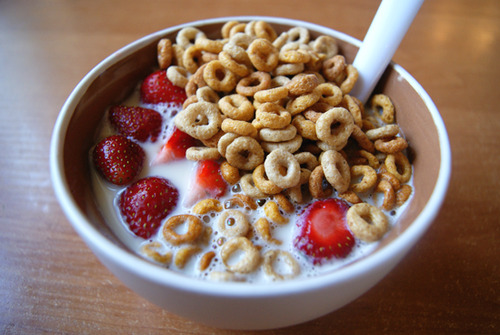
For a healthy breakfast, stick to classic Cheerios. “They are high in fiber and low in sugar, all those things that we look for,” Chriszt explains. “Go with the plain Cheerios, not the honey nut or vanilla or any of the other flavors.” There are also many store-brand or generic versions of Cheerios, which are acceptable as well. Need to add pizzazz to plain cereal? “Try adding some fruit to give it some sweetness,” Chriszt suggests.
Kellogg's All-Bran
 Serving size: 1/2 cup
Calories: 80
Sugar: 6 grams
Sodium: 80 mg
Fiber: 10 grams
Fat: 1 gram
Protein: 4 grams
“One of the main things that I look at is the fiber content,” says dietitian Gretchen Kauth, MEd, RD, of Western Michigan University in Kalamazoo. “The fiber recommendation is 20 to 35 grams a day, and if you can get a fourth to a third at breakfast, that’s good.” All-Bran is a cereal that really delivers on fiber, but Kauth points out that this cereal’s serving size might not seem substantial enough to many people. Add volume to your healthy breakfast and up the nutrition and flavor with berries, cut or dried fruit, or a small serving of nuts.
General Mills Fiber One Original
 Calories: 60
Sugar: 0 grams
Sodium: 105 mg
Fiber: 14 grams
Fat: 1 gram
Protein: 2 grams
A serving of this cereal provides just about half of the fiber you need for the entire day. That’s fine if you’re used to eating a lot of fiber, but Chriszt cautions that "when your gastrointestinal tract is not used to a high amount of fiber, it’s best to do it gradually.” Otherwise you risk feeling uncomfortable because of excess gas, which can undermine your healthy choice. If eating a very high-fiber cereal is one of your nutrition goals, start with a lower-fiber cereal and gradually work your way up over the course of a few weeks while increasing fiber at other times during the day. Keep in mind: This cereal has no sugar because it is sweetened with aspartame, which is not to everyone’s taste.
Kashi 7 Whole Grain Nuggets
 Serving size: 1/2 cup
Calories: 210
Sugar: 3 grams
Sodium: 260 mg
Fiber: 7 grams
Fat: 1.5 grams
Protein: 7 grams
Chriszt advocates looking carefully at nutrition labels to make sure that the grains in the cereals you eat are whole grains, not processed, and that they are at or near the beginning of the ingredients list. Kashi 7 Whole Grain Nuggets are whole-grain, Chriszt says, even though when you read the nutrition label it will include a trademarked ingredient description that reads “Kashi Seven Whole Grains & Sesame.” This brand, often found in the organic and health food sections of grocery stores, is a little high in sodium, but you can always balance that out by opting for lower-sodium choices the rest of the day.
Kellogg's Bite Size Unfrosted Mini-Wheats
 Serving size: 30 pieces
Calories: 190
Sugar: 0 grams
Sodium: 0 mg
Fiber: 8 grams
Fat: 1 gram
Protein: 6 grams
Unfrosted wheat bites may strike you as a bit dull, but think of this cereal as an opportunity to build a healthy breakfast. “I think it’s really great to pair a food that is high in protein, like milk or yogurt, with your cereal,” Chriszt advises, adding that the combination is filling and satisfying. Rather than opting for a frosted mini-wheat variety, which adds sugar and subtracts some fiber and protein, get sweetness by slicing in half a banana or sprinkling on a tablespoon of raisins or a dash of cinnamon, which adds flavor and may help control blood-sugar spikes.
Kashi GoLean
 Serving size: 1 cup
Calories: 140
Sugar: 6 grams
Sodium: 85 mg
Fiber: 10 grams
Fat: 1 gram
Protein: 13 grams
Kashi GoLean has an unusually high amount of protein for a high-fiber cereal thanks to the addition of soy protein to the mix — a combination that could help you feel full longer. It also contains a natural food dye, annatto, made from the outer coat of the seed of a tropical shrub. There isn’t a lot of research linking artificial dyes to health problems, “but if you’re of the opinion that you want to eat as whole as possible, skip them,” Chriszt says.
Post Shredded Wheat 'n Bran
 Serving size: 1 1/4 cups
Calories: 200
Sugar: 0 grams
Sodium: 0 mg
Fiber: 9 grams
Fat: 1 gram
Protein: 6 grams
You can’t get much simpler than this cereal. It contains just two ingredients: whole wheat and bran, which makes it a great one to have in your pantry as part of your breakfast rotation. “Factor in variety,” Kauth says. This will prevent boredom and give you different flavors, textures, and nutrition to choose from.
Nature's Path Organic SmartBran
 Serving size: 1/2 cup
Calories: 80
Sugar: 6 grams
Sodium: 130 mg
Fiber: 13 grams
Fat: 1 gram
Protein: 3 grams
This patented mix of whole grains includes psyllium seed husks along with wheat bran and oat bran. Psyllium is available as a fiber supplement that’s added to beverages to meet daily fiber needs and often recommended to keep you regular. Nature’s Path is an option if you’d rather get your daily dose in a cereal. This organic brand of breakfast cereals can be harder to find (you can buy it online) and might be more expensive than more traditional supermarket brands, but if you’d like to experiment with tastes and textures, it’s worth a try.
Comment below if you found this helpful. Which cereal is your favourite? Let me know in the comment section below.
Source