Showing posts with label worldwide. Show all posts

Sunday, 16 August 2015

8 Weight Loss secrets from around the world

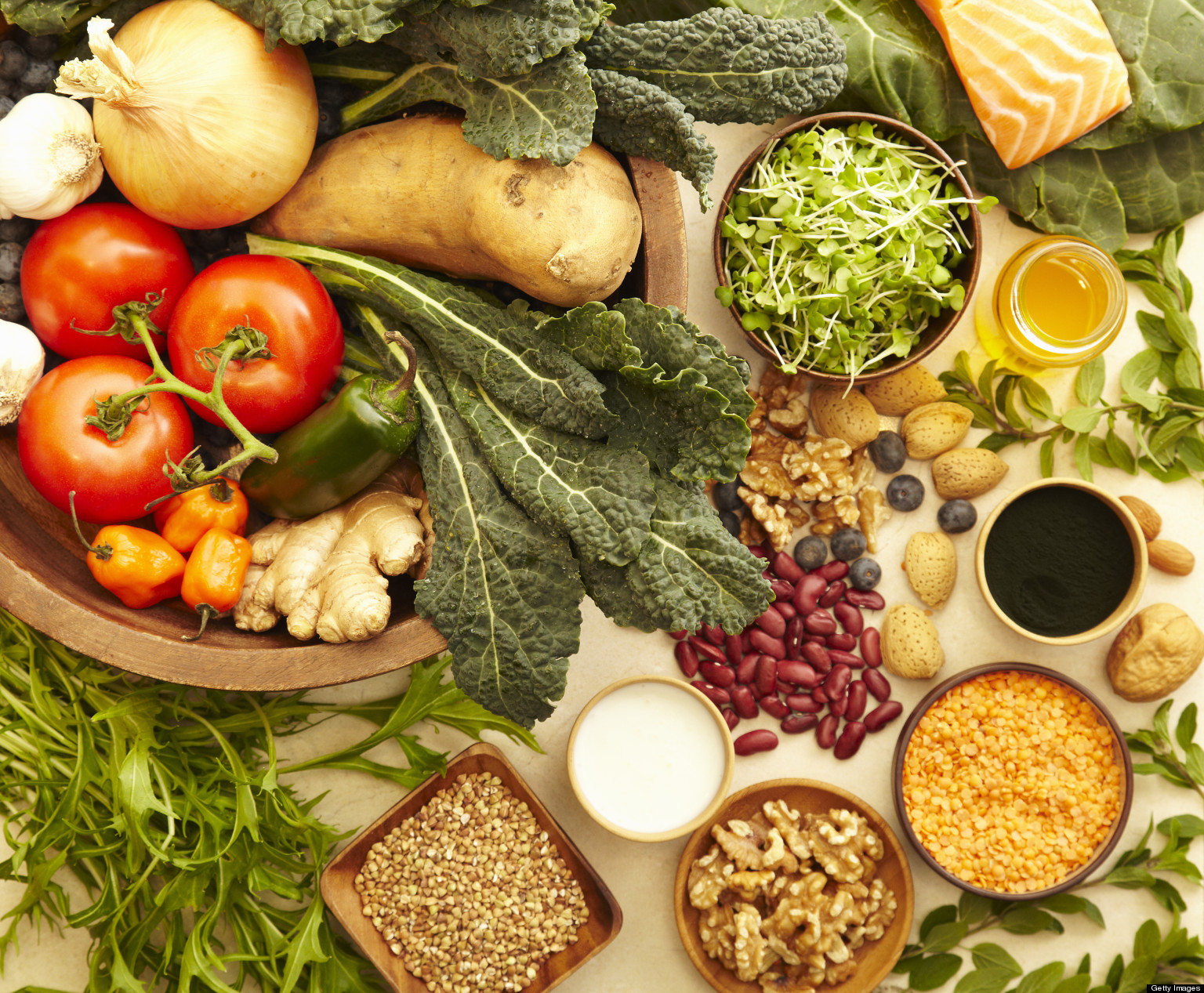
Ever considered how French ladies stay thin? On the other hand why Italians are one of the healthiest countries regardless of all that pizza? A gathering of nutritionists have gathered together the best eating routine tips far and wide that could keep you trim.

The Mediterranean

Fish, olive oil, vegetables, leafy foods are staples of the Med and they’re all stuffed with vitamins and minerals. In addition, eating this sort of eating regimen has been connected to a decreased danger of coronary illness and diabetes. While those on the Med do permit themselves treats like some cheddar and meat, they just eat them with some restraint as well. “Eating a lot of olive oil could bring down your aggregate blood cholesterol level. The high measure of fish in a Mediterranean slim down likewise gives you bunches of cell reinforcements that could decrease yourrisk of memory misfortune as you get more established” says nutritionist Sharon Morey from Mission Vitamins.


Japan

The Japanese have one of the healthiest weight control plans on the planet, not slightest on the grounds that it’s stuffed with fish, which is known not the danger of coronary illness and strokes. Japanese cooking additionally includes a lot of cruciferous vegetables, for example, cabbage and cauliflower, and in addition matured soya, both of which have been demonstrated to decrease the danger of bosom tumor. The Japanese additionally eat heaps of ocean growth that contains follow minerals that are extraordinary for a solid thyroid. For a simple prologue to Japanese sustenance, attempt sushi which is low in fat however high in omega acids that could keep your blood solid.

Iceland

In the matter of nourishment, Icelanders like to keep things straightforward with crisp fish and incline sheep. Most sustenances are developed and created by regional standards with barely any pesticides. Dairy items in Iceland are regularly higher quality than our own and brimming with “great” microscopic organisms. “Icelanders like new fish that is high in Omega 3 unsaturated fats as well, which keep your heart and cerebrum solid” says nutritionist Dr Marilyn Glenville.

Sweden

Much the same as Icelanders, Swedes eat heaps of top quality dairy items that are essential with regards to keeping their assimilation and resistance tickety-boo. Despite the fact that vegetables don’t assume a critical part in the Scandinavian cooking, they cherish berries, which are high in cancer prevention agents and normally got provincially. Swedes additionally eat a lot of complex foul starches in ryebread, which is frequently served nearby fundamental supper. Furthermore, on the grounds that it’s brimming with fiber, it abandons you feeling full for any longer.


Ethiopa

Ethiopian food is low in fat and high in supplements and elements parcels and heaps of grains. Teff, which is an entire grain that is high in fiber, iron, protein and calcium is utilized to get ready a large portion of the dishes in the nation. “Grains are truly imperative for advancing digestive wellbeing and a few studies propose it could bring down the danger of gut disease” says Dr Glenville. The most celebrated Ethiopian serving of mixed greens, Azifa, is comprised of green lentils and is frequently eaten with cocoa rice or pita bread. Lentils are high in fiber and protein however low in fat, making them an extraordinary supper time thought. They’re likewise what’s called phytoestrogens which have an adjusting impact on our hormones both for men and ladies.

China

“Utilizing chopsticks is one of the best traps to help you to ease off while eating, which may stop you gnawing through more than you truly need to” says Elouise Bauskis, a nutritionist at www.nutricentre.com. The Chinese most loved of green tea (which you’ll discover in every Chinese house) is likewise astounding for disposing of poisons, helping your assimilation and checking longings.

France

While you may consider France the home of cheddar and baguettes, one of the French’s mystery weapons is their affection for a glass of red wine with supper. Red wine is pressed with resveratrol, a cancer prevention agent that supports your body’s cell recharging and could help delay untimely maturing. One study additionally recommends that resveratrol could transform any additional weight into calorie blazing ‘cocoa fat’ helping you stay slimmer.


India

Indian cooking is surely understood for its blazing flavors, which include flavor and shading as well as heaps of medical advantages. “Turmeric is an incredible calming and could help mitigate the indications of IBS” says Adrienne Benjamin, a nutritionist at www.provenprobiotics.co.uk “Ginger is decent at facilitating a sore stomach as well as it disposes of overabundance gas in your digestive framework and alleviates your gut”. As a refresher, Indians drink Lassi – a conventional, yogurt-based beverage. Made of matured milk and frequently enhanced with mint or mango, this sound Lassi is rich in ‘amicable microbes’ and could likewise help with your assimilation, making for a more refreshed tummy.


Source
http://newsfuzzy.com/8-weight-loss-secrets-from-around-the-world/

Sunday, 3 May 2015

17 unusual weight-loss tips

Losing weight around the world


Just about every culture has some custom that can help people lose weight. For example, if you dine out in Europe, a waiter generally sets a bottle of mineral water on your table. But at restaurants here in Canada, you often have to request water and, as a result, you may end up having pop or other drinks high in calories instead. Or you might have one more glass of wine or beer than you would if you were alternating sips with water. Here’s our collection of clever tips from 17 countries—call it an international healthy eating plan that can help us all.


Thailand: Eat spicy food


Thai food is among the spiciest in the world. Hot peppers raise your metabolism, but the real benefit of food with a little zing is that spicy food slows your eating. When you eat too fast, as many North Americans do, by the time your body signals it’s full, you’ve overeaten. Eating more slowly is a good weight-loss strategy, and making food spicier is an easy way to do it.


Poland: Eat at home more often

Poles typically spend only five percent of their family budget on eating out. On the other hand, the average Canadian family 
now spends almost 30 percent of total food dollars at restaurants and fast-food joints, according to Statistics Canada. To save money and pounds, start tracking how often you eat out and how much you spend on those meals each month, then gradually cut back.


"People who eat out a lot tend to eat less-healthy food and to be heavier," says Melodie Yong, dietitian for the Heart and Lung Institute of St. Paul’s Hospital in Vancouver. In fact, the decline of cooking at home, linked in part to the increasing number of women in the workforce, tracks very closely with the rise in obesity over the past 30 years, she notes.

Brazil: Have rice and beans

All that shaking at Carnaval isn’t the only body-friendly habit in Rio; Brazilians stay slim by enjoying this traditional dish with just about every meal. A study in the journal Obesity Research found that a diet consisting primarily of rice and beans lowers the risk 
of becoming overweight by about 14 percent when compared with the typical Western fare. That’s because it’s lower in fat and higher in fibre, which is thought to stabilize blood sugar levels. It may be counterintuitive, but a diet full of beans equals a beach-ready body.

Netherlands: Ride your bike

Bikes outnumber people (at 18 million versus 16.5 million) in the Netherlands. While just 1.2 percent of work trips in Canada are made by bicycle, 40 percent of the Dutch use their bikes for commuting. Traffic lights in some parts of Amsterdam are even synchronized to bike speed. While most Canadians have to deal with winter conditions, riding bikes in good weather for errands, work or pleasure can help fend off weight gain.
"Casual riding for errands and commuting can burn around 500 calories an hour, but if you up the exertion or add in hill-climbing, you can burn up to 1,000 calories an hour," says Stephen Cheung, an exercise physiologist at Brock University, who commutes by bike—a 34-kilometre round trip—nine months of the year.

Germany: Eat breakfast

An impressive 75 percent of Germans eat breakfast daily, sitting down to whole-grain cereals, breads and fruit. Nutritionists have been advising people against skipping breakfast for years, but recent studies give a better picture of its importance. 
In one, British researchers discovered that 
if you haven’t eaten breakfast, your brain’s reward centre will light up more vividly when you see a high-calorie food—making you likelier to indulge.
"If you could make just one change to impact the obesity epidemic, it would be to get everyone to eat breakfast," says Dr. Arya Sharma, scientific director of the Canadian Obesity Network.

Switzerland: Try a bowl of muesli

The ingredients in this porridge—oats, fruit and nuts—have all been linked to better health and weight control. Muesli was developed by a Swiss physician more than 100 years ago to nourish hospital patients, but today the Swiss eat it for breakfast or as a light evening snack. "Eating a lot of soluble ’fibre can reduce bad cholesterol levels by 
up to 10 percent," says dietitian Melodie Yong. Muesli’s fibre makes it slow to digest, keeping you full 
longer. But read the label carefully, though: Sugar content can vary from two to 14 grams per serving.

United Kingdom: Eat smaller portions

In restaurants and at home, the Brits prefer smaller portions—perhaps a lingering vestige of the frugality instilled by World War II rationing. Nutritionists say supersizing a meal supersizes you.

France: Don't rush your meals

The French excel at leisurely family meals. On average, 92 percent of French families dine together nightly. These meals typically last 33 minutes during the week and 43 minutes on weekends. In contrast, a 2007 Statistics Canada report noted two trends in Canada over the past 20 years: a steep decline in the number of families eating together, and shorter mealtimes. Although it sounds illogical, lengthy meals actually encourage less eating. "It generally takes 20 minutes from the time you’re full for your brain to realize you’re full, so taking longer to eat means you’ll end up eating less," says dietitian Melodie Yong.

India: Do more yoga

Most Canadians respect yoga’s stress-busting and flexibility-enhancing power, but not many of us realize it facilitates weight loss. In fact, a recent study found that yoga devotees have a lower body mass index (BMI) than other exercisers do. Some reasons why: Yoga is best done on an empty stomach and can build muscle (depending on your preferred poses), which boosts metabolism. And it encourages mindfulness, which includes paying attention to whether you feel full.

Russia: Grow your own food

Country houses, or dachas, where 51 percent of city dwellers spend vacations and summer weekends, almost always feature 
a garden. Russians, who live in a similar climate to Canada’s, grow their own vegetables and fruit, which automatically makes their diet more nutritious. Plus, they preserve what they grow.

Finland: Try Nordic walking

This is one of the Finns’ favourite outdoor activities. All that’s required is a pair of inexpensive, lightweight walking poles. Holding these in your hands aids balance, which is great if you’re older or if you’re on slippery terrain. Even better: Because they make you use muscles in your shoulders, arms and torso, the poles transform walking into a total-body workout that burns 20 percent more calories. A number of recent studies show that Nordic walking increases the number of calories you burn by up to 65 percent, without the feeling of working harder. No matter what the time of year, it’s a simple way to derive more fat-reducing benefit from your regular walk.

Mexico: Eat a big lunch

Instead of ingesting the bulk of the day’s calories in the evening, Mexicans traditionally eat their biggest meal between 2 and 
4 p.m. If you eat less at night, you’ll wake up hungrier and eat a bigger breakfast, which facilitates weight control. As a general fat-fighting rule, try to get the bulk of your daily calories at breakfast and lunch.

Malaysia: Cook with tumeric

This spice, a key ingredient in curries, grows wild in Malaysian jungles. One of its chief components is a substance called curcumin, which may turn out to be a potent fat fighter. A recent study from Tufts University in Boston found that mice fed a high-fat diet with small amounts of curcumin gained less weight and body fat than other mice given meals that were similar but curcumin-free. Researchers think the ingredient suppresses the growth of fat tissue. Try some turmeric in your next curry or stir-fry.

Hungary: Eat more pickles

Hungarians like things pickled—not just cucumbers but bell peppers, cabbage and tomatoes. All of these brined beauties can help keep you thin, probably because of 
the vinegar that pickles them. Growing evidence suggests that acetic acid, the main component of vinegar, helps reduce blood pressure, blood sugar levels and fat formation. If you’re watching your sodium intake, though, check the product label—pickled foods can be high in salt.

Norway: Spend time outdoors

It’s a deeply rooted Norwegian habit: On Sunday, everyone—from toddlers to grandparents—heads out to hike (in summer) or cross-country ski (in winter). By comparison, in 2007, Statistics Canada found that 
in the past 20 years, Canadian families have been spending less time on such activities. So start this weekend tradition and get everyone out for a walk in the neighbourhood or a hike up the nearest hill.

Japan: Take a nap

In this on-the-go country, many people take a daily 20- to 30-minute nap, says James Maas, a sleep researcher at Cornell University and the author of Power Sleep. There is increasing evidence that chronic sleep deprivation raises the risk of weight gain. Maas cites two hormones: leptin, which helps the brain sense when you’re full, and ghrelin, which triggers hunger. The less sleep you get, the lower your leptin levels—and the higher your ghrelin. "Many people think they’re hungry when they’re actually sleepy," Maas says. "Instead of a snack, they need shut-eye."

South Africa: Drink rooibos tea

Enjoyed throughout the country, rooibos tea is more robust than green tea, and it’s naturally sweet. Swapping your specialty coffee for rooibos tea or any hot drink without cream or sugar could save you thousands 
of calories a month. "Liquid calories sneak up on us," says Toronto dietitian Sue Mah. "Even a cup of fruit juice has over 100 calories. Cut out 100 calories a day from food or drinks and you could lose 10 pounds in one year."


Source
http://www.besthealthmag.ca/best-eats/swap-and-drop/17-unusual-weight-loss-tips#eO4OZKHQ2eLXcMsz.97

Tuesday, 7 April 2015

19 Weight-Loss Secrets From Around the World

Thailand


Spice it up

Thai food is among the spiciest in the world. Hot peppers raise your metabolism, but the real benefit of food with a little zing is that it slows your eating, says James Hill, PhD, past president of the American Society for Nutrition. "Americans eat too fast," he says. "By the time your body signals that it's full, you've overeaten. Eating slower is a good weight-loss strategy, and making food spicier is an easy way to do it."

United Kingdom


Downsize the supersizing

If you walk into a McDonald's in London, the clerk won't ask if you'd like to "supersize" that. This option was discontinued in the U.K. after it accounted for less than 0.1% of sales. The Brits prefer smaller portions—perhaps a lingering vestige of the frugality instilled by World War II rationing, says Simon Hartley, executive editor of Reader's Digest U.K.

In the United States, McDonald's has backed off supersizing too. But a large Coke here still contains 100 calories more than one in the U.K., and there's no such thing as a Double Quarter Pounder with Cheese in Great Britain. Take the hint: Who really needs to eat a half-pound of meat at a sitting?

Brazil

Serve a side of rice and beans

All that shaking at Carnaval isn't the only body-friendly habit in Rio; Brazilians stay slim by enjoying this traditional dish with just about every meal, says Sergio Charlab, editor of Reader's Digest Brazil.

A study in the journal Obesity Research found that a diet consisting primarily of rice and beans lowers the risk of becoming overweight by about 14% when compared with typical Western fare. That's because it's lower in fat and higher in fiber, which is thought to stabilize blood sugar levels. It may be counter-intuitive, but a diet full of beans equals a beach-ready body.

http://crosspointweb.org/red-beans-rice/

Indonesia

Try fasting once in a while

Islam, this country's leading religion, encourages periodic fasting—no food or drink from dawn to dusk. Others in Indonesia practice mutih, which allows only water and white rice.

Although experts don't recommend fasting for weight control, fasting in moderation can break patterns of mindless eating, says Hill, of the American Society for Nutrition. "Most Americans never get hungry," he points out. "We've eaten the next meal before we've entirely digested the last one." No need for strict abstinence to get these psychological benefits—try just cutting your calories in half for a day

Poland


Eat at home more often than you eat out

Poles typically spend only 5% of their family budget on eating out. According to U.S. Department of Agriculture statistics, the average American family spends 37% of its food dollars at restaurants and fast-food joints.

To save money and pounds, start tracking how often you eat out and how much you spend each month, and gradually cut back. "People who don't cook at home tend to eat less healthy food and be heavier than people who do," says journalist and activist Michael Pollan. "In fact, the collapse of cooking in a society tracks very closely its rise in obesity."

Germany

Eat your breakfast

An impressive 75% of Germans eat breakfast daily (compared with just 44% of Americans). They're not grabbing Egg McMuffins either; they're sitting down to fruit and whole-grain cereals and breads.

Nutritionists have been advising people not to skip breakfast for years, but recent studies give a better picture of its importance. In one, British researchers discovered that if you haven't eaten breakfast, your brain's reward center will light up more vividly when you see a high-calorie food—making you more likely to indulge. Finally, a scientific explanation for that irresistible urge to pull into Dunkin' Donuts.

 http://citrusvb.com/menu/healthy-menu/

Netherlands

Swap the gas pedal for the bike pedal

Bikes (18 million) outnumber people (16.5 million) in the Netherlands. But unlike Americans—most of whose two-wheelers languish in basements and garages—54% of Dutch bike owners use them for daily activities, such as shopping and traveling to work.

The average Dutchman pedals 541 miles per year. Traffic lights in parts of Amsterdam are even synchronized to bike speed. Try using your bike to commute one day or just for errands close to home. If you're of average size and pedaling at a moderate pace, you can burn around 550 calories per hour.

Switzerland

Try a bowl of muesli

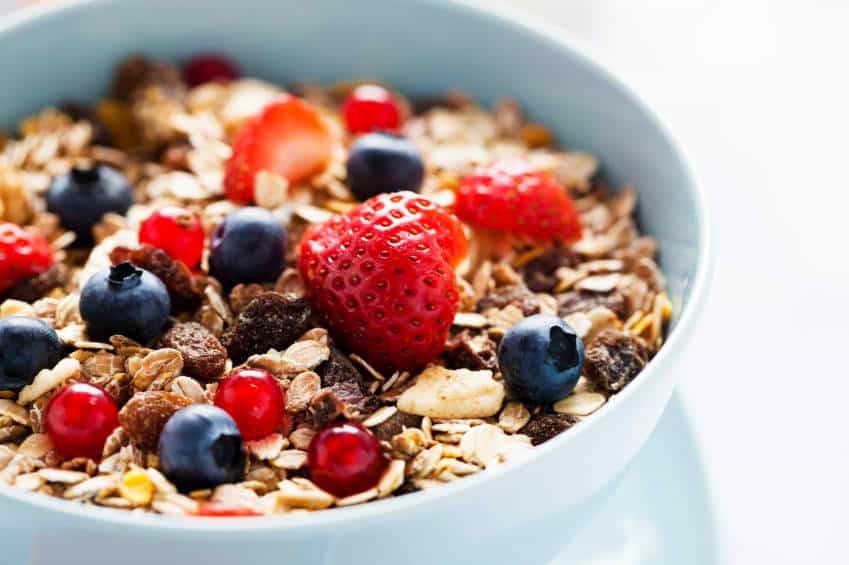
Muesli is a porridge or cereal made from oats, fruit, and nuts, each of which has been linked to better health and weight control. It was developed by a Swiss physician more than a hundred years ago to nourish hospital patients, but the Swiss eat it for breakfast or as a light evening dish.

Muesli's fiber makes it slow to digest, keeping you feeling full longer. Read the label carefully, though: Sugar content can vary from 2 to 14 grams per serving.
http://pickyeaterblog.com/the-picky-eaters-10-healthiest-breakfast-cereals/

Russia


Carve out a dacha plot

Country houses, or dachas, where 51% of city folk spend vacations and summer weekends, almost always feature a garden.

Russians grow their own vegetables and fruits and preserve and can what they grow. That makes their diet more nutritious. And "there's not much you can grow in a garden that will make you fat," notes Hill.

Malaysia


Turn up the turmeric

This spice, a key ingredient in curries, grows wild in Malaysian jungles. One of its chief components is a substance called curcumin, which may turn out to be a potent fat fighter.

A recent Tufts University study found that mice fed a high-fat diet with small amounts of curcumin gained less weight than did other mice given similar but curcumin-free meals. Researchers think the ingredient suppresses the growth of fat tissue and increases fat-burning. Try some in your next stir-fry.

France

Sit long, talk lots

The French excel at the leisurely family meal. On average, 92% of French families dine together nightly, compared with 28% of American families.

"For the French, eating is the event of the day," says Fred Pescatore, MD, president of the International & American Associations of Clinical Nutritionists. "For us, it's something we do before heading out to do something else."

Lengthy meals actually encourage less eating, Dr.Pescatore says: Conversation slows down the fork and gives you time to realize you're full.

Hungary

Crunch more pickles

Hungarians like things pickled—and not just cucumbers but bell peppers, cabbage, and tomatoes. These tart treats can help keep you thin, probably because of the vinegar that pickles them.

Growing evidence suggests that acetic acid, the main component of vinegar, helps reduce blood pressure, blood sugar levels, and the formation of fat. Pickles aren't your thing? Swap your ranch salad dressing for oil and vinegar.

South Africa


Sip some rooibos tea

Enjoyed throughout the country, rooibos tea is more robust than green tea, and because it's naturally sweet, it needs no sugar. Ditching your daily Frappuccino for a cup of rooibos—Starbucks now sells it—could save you thousands of calories per month.

"Tea-drinking cultures generally have lower rates of obesity," says Dr. Pescatore. "That may be from special compounds, such as catechins, that certain teas contain, or it may simply be that we often think we're hungry when we're really dehydrated."

http://www.teamajesty.com/rooibos-tea-health-benefits/

Norway


Take a Sunday family tour

It's a deeply rooted Norwegian habit: On Sunday, everyone from toddlers to grandparents heads out to hike (in summer) or cross-country ski (in winter). Compare that with the typical American household, where the only Sunday expedition is from the fridge to the football game on TV.

Start a Nordic tradition in your house. At halftime, shoo everyone outdoors for a walk around the neighborhood.

India

Get yourself all twisted up

Most Americans respect yoga's stress-busting and flexibility-enhancing power, but not many realize it facilitates weight loss. In fact, a recent study found that yoga devotees have a lower body mass index (BMI) than other exercisers do.

There are probably multiple reasons. Yoga is best done on an empty stomach and can build muscle (depending on your preferred poses), which boosts your metabolism. And it encourages mindfulness, which includes paying attention to whether you feel full

Japan


Perfect the power nap

In this on-the-go country, many people take time for a daily 20- to 30-minute nap, says James Maas, PhD, a sleep researcher at Cornell University and the author of Power Sleep.

There's increasing evidence that chronic sleep deprivation raises the risk of weight gain. Maas blames two hormones: leptin, which helps the brain sense when you're full, and ghrelin, which triggers hunger. The less sleep you get, the lower your leptin levels-and the higher your ghrelin. "Many people think they're hungry when they're actually sleepy," Maas says. "Instead of a snack, they need some shut-eye."

Mexico

Make the midday meal the biggest

Instead of ingesting the bulk of the day's calories in the evening, as most Americans do, Mexicans traditionally eat their biggest meal between 2 and 4 p.m. If you eat less at night, you'll wake up hungrier and eat a bigger breakfast, which facilitates weight control.

As a general fat-fighting rule, try to get the bulk of your daily calories at breakfast and lunch.

http://www.lifehack.org/articles/lifestyle/5-healthy-lunch-ideas-for-work.html

Finland


Take up nordic walking

This is one of the Finns' favorite outdoor activities. It's not as exotic as it sounds: All that's required is a pair of inexpensive, lightweight walking poles. Holding these in your hands aids balance, which is great if you're older or if you're on slippery terrain.

Even better: Because they make you use muscles in your shoulders, arms, and torso, the poles transform walking into a total-body workout that burns 20% more calories, according to a study at the Cooper Institute in Dallas. Winter or summer, it's a simple way to derive more fat-reducing benefit from your regular walk.

Netherlands, Again


Swallow more herring

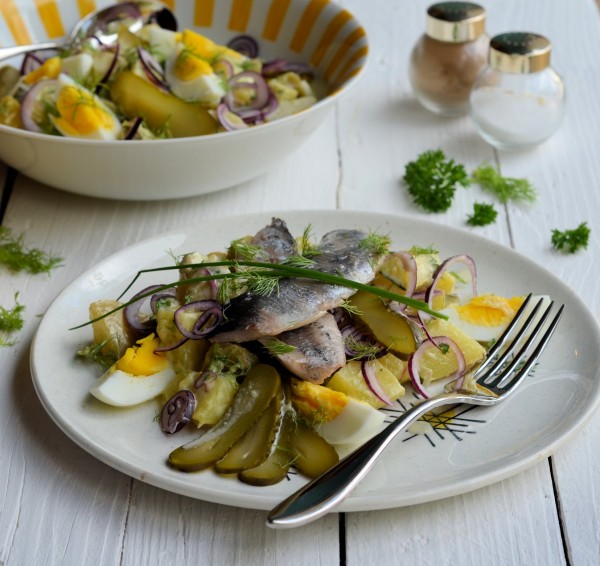
The Dutch down about 85 million of these slippery fish per year—raw. That's about five for every person in the country (and five more than eaten here). They're pickled, then served unadorned as snacks or in soft buns with onions and gherkins for lunch.

Oily fish like herring is slimming for a few reasons, says Dr. Pescatore, author of The Hamptons Diet. It contains lots of omega-3 fatty acids, which reduce levels of the stress hormone cortisol—and cortisol is known to increase the amount of fat deposited around your middle.

What's more, lunching on herring or canned sardines guarantees you'll ingest far fewer calories than you would if you eat a burger or even fish sticks. Just don't forget the breath mints.

http://www.lavenderandlovage.com/2013/04/scandi-friday-with-hot-pickled-herrings-and-a-dill-pickle-potato-salad-recipe.html


I hope these tips really help you guys out with your weight loss journeys or if you just want to lose a few kilos. There are some fantastic tricks from other cultures in here that I think we can really learn from and implement. Let me know what you guys think in the comments below.

Source
Copyright © 2015 Health Media Ventures, Inc. All rights reserved.
The material in this site is intended to be of general informational use and is not intended to constitute medical advice, probable diagnosis, or recommended treatments. See the Terms of Service and Privacy Policy (Your California Privacy Rights) for more information.
http://www.health.com/health/gallery/0,,20525096,00.html