Showing posts with label vitamins. Show all posts

Wednesday, 9 March 2016

Vitamin D and its effect on weight loss examined in new study

A new study published online April 18 in the American Journal of Clinical Nutrition suggests that healthy or “replete” levels of vitamin D may be associated with weight loss in a certain segment of postmenopausal overweight women.


Scientists at Fred Hutchinson Cancer Research Center looked at the results of Vitamin D supplementation on a group of overweight women ages 50 to 75 who tested low in D. The research was conducted as part of the Vitamin D, Diet and Activity study at the Hutch.

Vitamin D has multiple physiologic functions beyond its classically recognized role in calcium homeostasis and bone metabolism. Vitamin D receptors are found in more than 30 cell types and the focus has recently switched from bone health to vitamin D’s effect on cancer, cardiovascular health, and other areas, such as weight loss.

“Vitamin D is certainly having its day in the spotlight,” said Dr. Caitlin Mason, researcher at the Hutch’s Public Health Sciences who worked on the vitamin D and weight loss study. “But we still have a lot to understand.”

 The study compared 12 months of oral vitamin D supplementation (2000 IU/d) compared with placebo on changes in weight, body composition, and metabolic markers [insulin and C-reactive protein (CRP)] during a structured behavioral weight-loss program in overweight and obese postmenopausal women.

Women who took vitamin D in addition to participating in a diet and exercise weight loss program lost similar amounts of weight to those who just completed the weight loss program. There were also no significant differences in the reduction in weight corrected for height, waist circumference, percentage body fat, trunk fat, insulin or C-reactive protein.


However, women randomly assigned to vitamin D supplementation who became replete [i.e., whose blood levels of 25(OH)D rose to 32 ng/mL or greater] lost more weight and had greater improvements in body composition compared with women who did not become replete. These finding suggest a potential threshold effect and highlights the importance of considering changes in nutrient status rather than only the average magnitude of change.

The women whose D levels became replete lost an average of 19 pounds over the course of 12 months as compared to the women in the placebo group, who lost an average of 12 pounds during the same time period. Both groups participated in a reduced calorie diet and an exercise program that included approximately 45 minutes of moderate-to-vigorous aerobic activity a day, five days per week.

“This suggests women trying to lose weight might want to have their D levels checked by their provider and replenish their vitamin D levels either through supplements or sun and then have their D levels rechecked after a few months to make sure they’ve risen to a healthy level,” said Anne McTiernan, M.D., Ph.D., principal investigator of the study and a Member of the Fred Hutch Cancer Research Center’s Public Health Sciences Division.

While the NIH lists anything over 50 ng/mL as too high, others in the scientific community consider anything between 30 ng/mL and 80 ng/mL as normal.  In the weight loss study, women were considered replete at around 32 ng/mL.

The report also demonstrated that women who took their vitamin D pills regularly showed a drop in C-reactive protein, a marker of inflammation. If vitamin D can modify the metabolic alterations associated with obesity, then changes in circulating concentrations of vitamin D could modify obesity-disease relations.


“An overweight person’s body is in a state of chronic inflammation and all of these inflammation proteins that the body produces can cause things like elevated risk for cancer and diabetes,” said Catherine Duggan, Ph.D., principal staff scientist with the Fred Hutch Cancer Research Center’s Public Health Sciences Division. “Vitamin D helped with that. It could make the condition of being overweight less stressful on the body.”


Source

Friday, 12 February 2016

Vitamin K and Weight Loss

Vitamin K is a fat-soluble vitamin that's perhaps best known for helping blood clot properly and promoting healthy bones. Weight loss is not mentioned as a potential effect of vitamin K by Medline Plus, a website published by the National Institutes of Health. However, foods rich in vitamin K are typically part of a healthy weight loss plan.

Vitamin K and Weight Loss

Considerations

Vitamin K supplements are recommended only for people who have symptoms of a deficiency, the American Cancer Society explains. Abnormal or excessive bleeding or blood in the urine or stools can be a sign of insufficient levels of vitamin K in the body.

Alcoholism, ongoing malnutrition or intestinal disorders such as cystic fibrosis can lead to a vitamin K deficiency because they can destroy the bacteria that produce vitamin K. Long-term antibiotic treatment can also rob the body of vitamin K.

Healthy Weight Loss

Little evidence exists to support claims that taking dietary supplements will result in weight loss. Changes in both diet and exercise are necessary for successful dieting, explains the University of Maryland Medical Center. A healthy weight loss plan should include grains, lean protein sources, low-fat dairy items, fruits, vegetables, nuts and seeds.

Food Sources

Foods with the highest amount of vitamin K include beef liver, asparagus, turnip greens, broccoli, kale, spinach, cabbage and dark green lettuce. Green tea and dairy products also contain vitamin K. Eating these foods as part of a balanced diet should ensure you are getting an adequate amount of vitamin K. Cooking doesn't generally reduce the vitamin K content in food.

Outlook

Weight loss always comes down to burning more calories than you consume. Cutting out extra calories from food and beverages and increasing calories burned through exercise can help you achieve your weight loss goals. 

At least 30 minutes of aerobic exercise like brisk walking most days of the week is recommended by Mayo Clinic. Check with your doctor before embarking on a new exercise plan or before taking dietary supplements for weight loss.


Source

References

Tuesday, 22 December 2015

7 Best Superfoods for Rapid Weight Loss

Wouldn’t it be great if life came with a magic remote control that made the bad parts speed up and the good parts slow down? You could hit FF at the beginning of every workday, and RWD at the end of awesome date. All the vacations, holidays and parties could move at the pace of a Kenny G song, and all the endless conference calls could spin by faster than Nicki Minaj’s hairstyles.
And right up there on the FF list—weight loss. Sure, slow and steady may win the race, but who wants to plod along like a tortoise, especially when a warm weather getaway is right around the corner? Add these 7 superfoods to your day, compliments of the New York Times bestseller Zero Belly Diet, to get your weight-loss goals on hyperspeed. All of them have been scientifically proven to fry flab in 6 weeks or less!

PROVEN TO WORK IN JUST SIX WEEKS….
ZERO BELLY SUPERFOOD #7
Like a marathoner stretching before the big run, eating half a grapefruit before a meal can enhance your body’s fat-burning performance. A study published in the journal Metabolism found that this “warm-up” tactic can help whittle your middle—by up to an inch—in just six weeks! The scientists attribute the powerful effects to the grapefruits’ fat-zapping phytochemicals. The fruit can interact negatively with certain medications, so as long as you get the green-light from your M.D, plan to have half of a grapefruit before your morning meal and add a few segments your starter salads to reap the benefits.

PROVEN TO WORK IN JUST FOUR WEEKS…
ZERO BELLY SUPERFOOD #6

Pistachios

Stephen Colbert may be on to something. UCLA Center for Human Nutrition researchers divided study participants into two groups, each of which were fed a nearly identical low-cal diet for 12-weeks. The only difference between the groups was what they were given to eat as an afternoon snack. One group ate 220-calories of pretzels while the other group munched on 240-calories worth of pistachios. Just four weeks into the study, the pistachio group had reduced their BMI by a point, while the pretzel-eating group stayed the same, and their cholesterol and triglyceride levels showed improvements as well.

ZERO BELLY SUPERFOOD #5
What if we told you that you could make 20 percent of your belly disappear this year—poof, just gone? Penn State University researchers compared those who consumed avocado oil with those who consumed a flax-safflower oil blend. Those on the avocado oil diet—just three tablespoons daily did the trick—lost nearly 2 percent of their belly fat in just one month. For more ways to enjoy big, bold flavors, burn flab with What are healthy fats to eat?

ZERO BELLY SUPERFOOD #4
Legumes
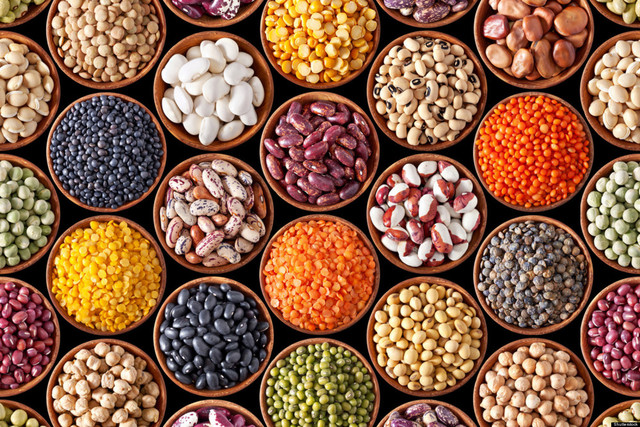
It’s time to focus on your lentil health. In one four-week Spanish study, researchers found that eating a calorie-restricted diet that includes four weekly servings of legumes aids weight loss more effectively than an equivalent diet that doesn’t include beans. Those who consumed the legume-rich diet also saw improvements in their “bad” LDL cholesterol levels and systolic blood-pressure. To reap the benefits at home, work lentils, chickpeas, peas and beans into your diet throughout the week.

ZERO BELLY SUPERFOOD #3

Vitamin D-Fortified Yogurt

How would you like to take all the great weight-loss results you’ve just read about—and double them? That’s what happens when you supplement your diet with a combination of vitamin D and calcium, according to a Nutrition Journal study.  Just four weeks into the 12-week experiment, subjects who had taken these two nutrients—found in abundance in some yogurts—lost two times more fat than the other group! To get similar results at home, start your day with one of these 9 Best Yogurts For Weight Loss.

PROVEN TO WORK IN JUST TWO WEEKS…..
ZERO BELLY SUPERFOOD #2

Green Tea

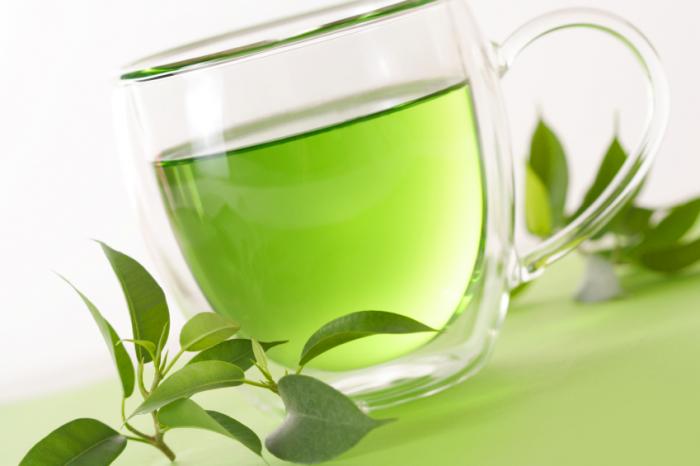
If you’re not drinking green tea with your workouts, you might be wasting your time at that barre class. A study published in The Journal of Nutrition found that after just two weeks, exercisers who sipped four to five cups of green tea each day and logged 25-minutes at the gym lost more belly fat than their non-tea-drinking counterparts. What makes the drink so powerful? It contains catechins, an antioxidant that hinders the storage of belly fat and aids rapid weight loss.

ZERO BELLY SUPERFOOD #1

Almonds

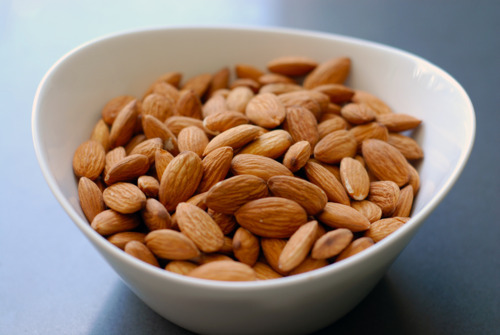
Think of each almond as a natural weight-loss pill. A study of overweight and obese adults found that, combined with a calorie-restricted diet, consuming a little more than a quarter cup of the nuts can decrease weight more effectively than a snack comprised of complex carbohydrates and safflower oil—after just two weeks! (And after 24 weeks, those who ate the nuts experienced a 62% greater reduction in weight and BMI!) For optimal results, eat your daily serving before you hit the gym. A study printed in The Journal of the International Society of Sports Nutrition found that almonds, rich in the amino acid L-arginine, can actually help you burn more fat and carbs during workouts. 


Comment below which is your favourite superfood. Let me know if you found this article helpful.

Source

Saturday, 19 December 2015

6 Rules for a Healthy Postpartum Slim Down

The post-baby slim-down

Chances are you won’t feel like publicly donning only a bra and panties a month after giving birth—unlike, say, Heidi Klum. There’s no magical way to take off baby weight, but with healthy-eating habits and regular exercise, you can get your pre-pregnancy body back. Unlike normal dieters, a new mom’s body needs certain nutrients to keep her—and her child—healthy. Here are some foods you need to trim down, boost energy, and get healthy, all while taking care of your bundle of joy.


Pack on the protein

High-protein foods contain a hunger-fighting hormone and will fill you up more than carbs. And many sources of protein—fish, beef, and eggs—are also rich in iron and vitamin B12, both of which have been shown to increase energy levels. (What new mom doesn’t need that?) Just be careful to choose lean cuts of meat and watch your fat intake, as excess saturated fat won’t help your diet or your cardiovascular health. 


Fight inflammation

Trauma and stress to the body—i.e., giving birth—can cause the immune system to respond through internal inflammation. Help your body fight this inflammation by consuming foods that are considered to be anti-inflammatories. Examples include everything from green tea to berries to spices such as turmeric and garlic. Steer clear of processed sugar, which increases inflammation and raises blood sugar.


Make milk

If you’re breastfeeding, most experts suggest adding 500 calories a day of nutrient-rich food. Drink plenty of water, eat fiber-rich foods, and avoid drinking too much alcohol. What you eat makes its way into your milk, so if you notice your child has diarrhea, gas, or a rash, it might be the result of an allergic reaction to a certain food.  

If you have a low milk supply, some mothers and health-care professionals believe herbs like fenugreek seeds, chamomile, and fennel may help with milk production. Many of these herbs have not been scientifically evaluated, so consult a doctor before altering your diet. 


Know your vitamin ABCs

These vitamins are important in a new mom's diet. 

Vitamin A—You lose a lot of this through breastfeeding. Aim for 1,300 micrograms per day; get it from spinach, carrots, sweet potatoes, and kale. 

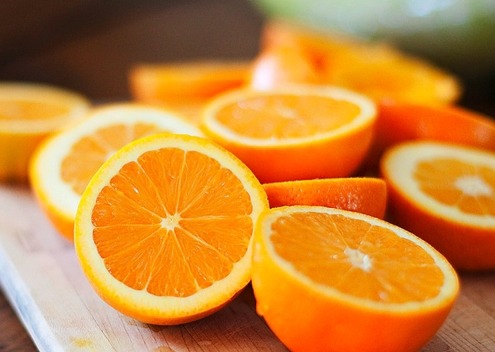
Vitamin C—It passes through breast milk, too. Aim for approximately 120 milligrams daily; good sources include red peppers, oranges, and broccoli. 

Vitamin D—It keeps bones strong and is made when the skin is exposed to sunlight, but many moms stay indoors most of the day. Aim for 200 IU every day; eat fortified milk, eggs, and mushrooms. 

Vitamin E—It helps you maintain a healthy circulation. Aim for 19 milligrams a day; it’s found in nuts, seeds, and eggs.

Potassium—Many multivitamins don't contain this blood pressure–lowering nutrient. Aim for 3,500 milligrams; add bananas, lima beans, and squash to your diet. 


Count on calcium

Though there is some debate about how much calcium breastfeeding women should consume, current calcium recommendations for non-pregnant women are also sufficient for pregnant and breastfeeding women. For strong bones and teeth, make sure to eat plenty of low-fat dairy products and other calcium-rich foods such as figs, beans and peas, or leafy greens. A recent study found that calcium supplements don't help to prevent bone loss in nursing, so try to eat your way to a recommended 1,000 mg of calcium a day. 


Discover the magic of fish oil

Omega-3 fatty acids found in fish and fish oil supplements have been show to boost an infant's sensory, cognitive, and motor development. Breast milk is rich in DHA, a type of omega-3 fatty acid that helps with brain growth. Recommendations are 0.3 to 0.5 grams of DHA a day, and good sources include salmon, tuna, and walnuts. Plus, it's not just for children—consumption of DHA may decrease the incidence of postpartum depression. 


Comment below and let me know if you found this helpful.


Source

Wednesday, 11 November 2015

Vitamin C - The Vitamin You Need To Succeed!

Whether you want to lose fat or build muscle - or both - an active lifestyle means you need Vitamin C! And a lot of it! Learn more about how to get enough vitamin C to succeed at your goals below!


Being involved in fitness in one capacity or another for over ten years, I have taken my share of nutritional supplements. When I was adding muscle and strength, I took NO products, glutamine, and creatine. When I needed to lose weight, I would consume green tea, CLA, and L-carnitine.
Although my goals have changed from time to time over the past decade, there have been three supplements that have stayed in my cabinet regardless of what I wanted to do with my physique. I have always had a multivitamin, whey protein, and the vitamin that this article covers, vitamin C.

What is Vitamin C and who needs it?
Vitamin C, also known as ascorbic acid or L-ascorbate, is an essential vitamin to the human body. It could very well be one of the safest and most important vitamins you could take on a daily basis. Vitamin C is most known as the first thing people go for whenever they have a cold. It is a water-soluble vitamin that is necessary for normal growth and development. Since it is water soluble, extra amounts that the body doesn't use leaves the body through urine within 24 hours.
It is an antioxidant as well. Antioxidants are nutrients that block some of the damage caused by free radicals, which are by-products that result when our bodies transform food into energy. Antioxidants also possibly help reduce the damage to the body caused by toxic chemicals and pollutants such as cigarette smoke.
Vitamin C is required for the growth and repair of tissues in all parts of your body. It is used to form collagen, a protein used to make skin, scar tissue, tendons, ligaments, and blood vessels. It is also essential for the healing of wounds, and for the repair and maintenance of people's cartilage, bones, and teeth. C also helps with blood pressure by strengthening the walls of the arteries. It can also prevent damage to cells caused by aging as well as help reduce stress.
Everybody needs Vitamin C, whether you are a hard training athlete, or an everyday person that is just trying to get in shape. C can help protect the immune system and help bodybuilders recover from intense training.
It helps in protein metabolism. It not only provides our body with certain necessary proteins but also blocks the synthesis of vital proteins that cause infection and inflammation. It is also believed that vitamin C usage may support efforts to prevent heart disease, stroke, and cancer later in life.
For male athletes, Vitamin C will keep testosterone levels high by supporting a lower ratio of cortisol to testosterone. This will help your body keep up that top level of performance you require on a daily basis.
In the case of women, vitamin C not only helps to protect the breaking off of the capillaries that cause heavy blood flow for women with endometriosis during menstruation but also prevents blood clotting caused by reduction of prothrombin, thrombin, and thrombokinase concentrations in the body.
Also, vitamin C not only helps to improve digestive absorption, but also may support our bodies' actions in fighting against all kinds of diseases including endometriosis. Women also benefit by taking C because it helps strengthen the liver function to balance the estrogen level during the menstrual cycle. If you are pregnant or breastfeeding, you are supposed to take in more C than women that are not.

Symptoms of Vitamin C deficiency 
  • Dry and splitting hair
  • Gingivitis (inflammation of the gums)
  • Bleeding gums
  • Rough, dry, scaly skin
  • Decreased wound-healing rate
  • Easy bruising
  • Nosebleeds
  • Weakened tooth enamel
  • Swollen and painful joints
  • Anemia
  • Decreased ability to fight infection
  • Possible weight gain because of slowed metabolism
If you stay deficient for too long, you could develop scurvy. Scurvy leads to the formation of spots on the skin, spongy gums, and bleeding from the mucous membranes. These spots are most abundant on a person's thighs and legs, and a person with the ailment looks pale, feels depressed, and is partially immobilized. Although it is mostly known to affect older adults, anyone can get it. Scurvy can be developed in as little as 90 days if you don't have enough C in your system.

How much should I take and how can i take it?
Now that we know you need vitamin C and why, we have to figure out how much you should take. The Food and Drug Administration set their guidelines for how much a person should take for general health. These are the FDA recommendations for each age group and gender.
Infants And Children
  • 0 - 6 months: 40 milligrams/day (mg/day)
  • 7 - 12 months: 50 mg/day
  • 1 - 3 years: 15 mg/day
  • 4 - 8 years: 25 mg/day
  • 9 - 13 years: 45 mg/day
Adolescents
  • Girls 14 - 18 years: 65 mg/day
  • Boys 14 - 18 years: 75 mg/day
Adults
  • Men age 19 and older: 90 mg/day
  • Women age 19 year and older: 75 mg/day
Now these guidelines aren't designed for athletes. Those folks that are active obviously need more C than the non-active person would. It is believed that active people can benefit from taking anywhere from 500 milligrams to as much as 3,000 mg a day, depending on the person's daily activity level. If you are sick, you may need as much as eight grams a day for the duration of your illness.

Sources of Vitamin C
Primary Known Sources Include:
  • Cantaloupe
  • Orange
  • Broccoli
  • Red cabbage
  • Green pepper
  • Red pepper
  • Kiwi
  • Tomatoes
  • Strawberries
  • Raspberries
  • Pineapple
  • Blueberries
  • Cranberries
  • Papaya
  • Mango
  • Watermelon
  • Cauliflower
  • Brussels Sprouts
Now although it is difficult to overdose on Vitamin C since it is water soluble, it can be done if you aren't careful.
How much C is too much depends on the person taking it. One thing you should not do is take it on an empty stomach. This can lead to indigestion. Also, do not take a lot at one time. Taking extra large dosages of C at one time can cause diarrhea, disturbed sleep, and nausea. Do not take more than 1,000mg of Vitamin C at one time.

Conclusion
Hopefully after learning all the benefits of taking Vitamin C on a regular basis, you will decide to take a Vitamin C supplement and start taking it now. Regardless of whether you are looking to pack on size, get stronger, lose weight, compete, or just stay in great shape, C is one of those vitamins that will go a long way of helping you reach all of your fitness goals.


Source