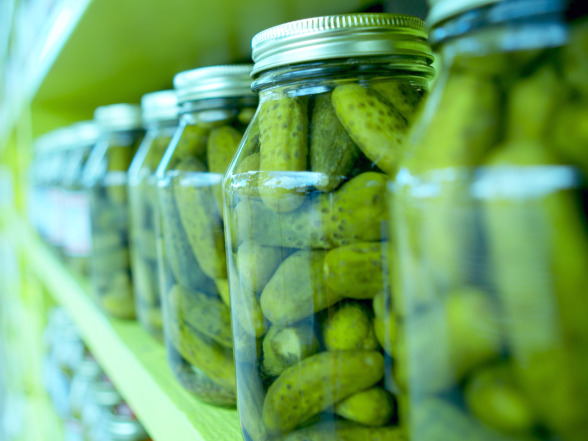
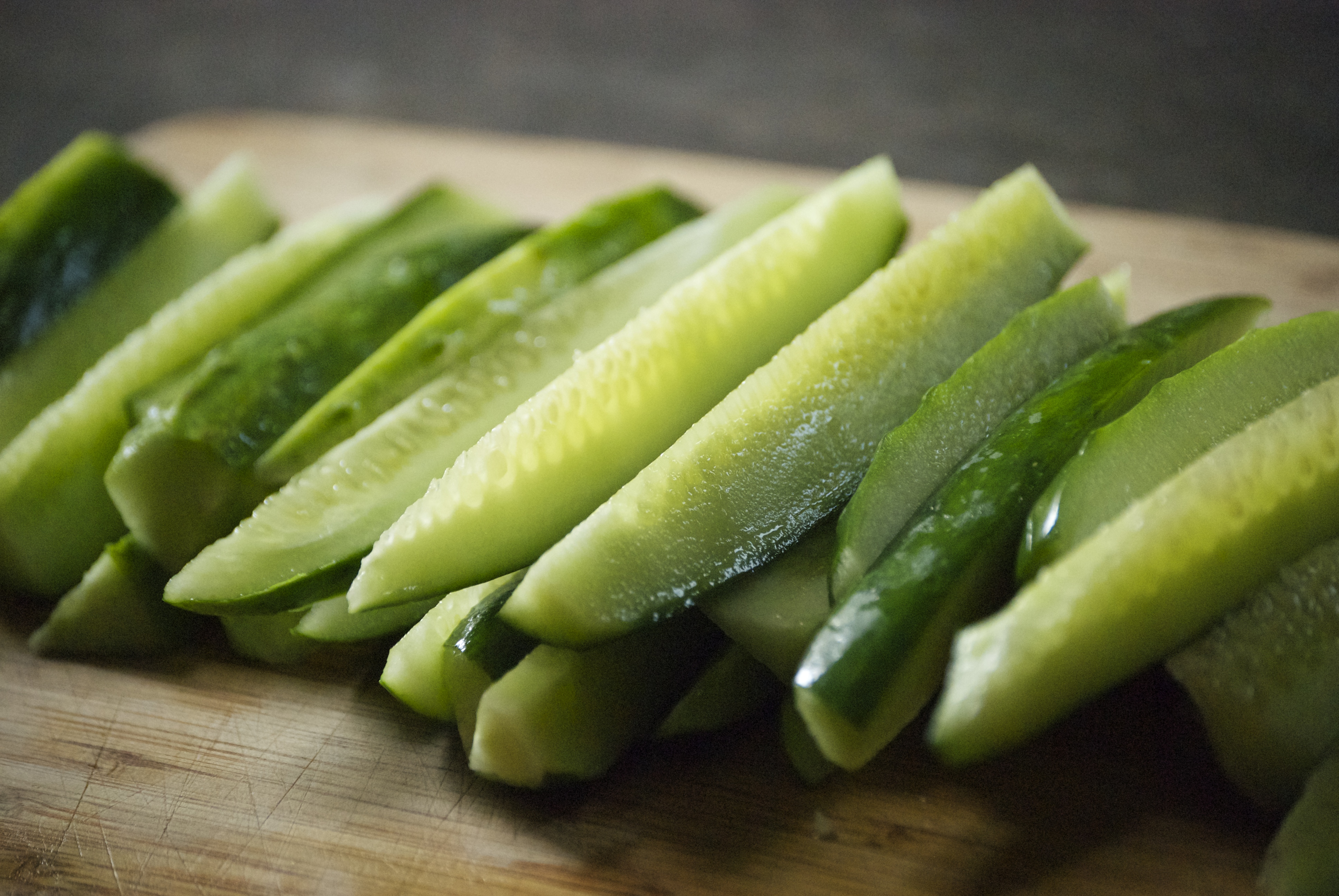
Pickle lovers will be disappointed to learn that eating pickles isn't likely to result in much weight loss. This doesn't mean pickles can't be part of a balanced diet, just that they aren't a weight-loss miracle food. For the best weight-loss results, you'll need to follow a nutritious reduced-calorie diet and increase your daily activity level.
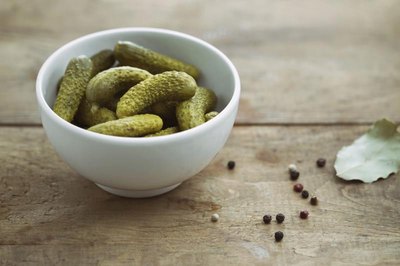
Calories in Pickles
Pickles are relatively easy to fit into a weight-loss diet because they're low in calories. A small sour pickle or a small dill pickle spear made from cucumber, each weighing about 35 grams, has just 4 calories. Sweet pickles, such as bread and butter pickles, are made with a sugary syrup, so they're higher in calories -- a 3-inch-long pickle provides about 32 calories.
Fermented Foods and Weight Loss
A traditionally made pickle, not typically available at the grocery store, is made by soaking a cucumber or another vegetable in brine and allowing it to ferment, resulting in a sour pickle. The fermentation process produces beneficial substances called probiotics. Pickles that have been pasteurized no longer contain probiotics, so you may need to make your own to get this type of pickle. The effect of fermented foods and probiotics on weight loss isn't clear. A review article published in "Nutrition Research" in July 2015 found that probiotics most likely aren't helpful for weight loss. A meta-analysis published in "Microbial Pathogenesis" in 2012, on the other hand, found that it depends on the type of probiotic, with some types leading to weight loss and others having no effect or increasing the likelihood of weight gain.
Glycemic Index and Weight Loss
The glycemic index measures how much a food is likely to affect your blood sugar level, with foods low on the index less likely to have a large effect than those high on the index. Foods that are acidic, such as pickles made with vinegar, tend to have a low glycemic index, as the acidity helps to slow down the transit of food through your digestive tract, thus limiting blood sugar spikes. Eating foods that are low on the glycemic index along with foods that are higher on the glycemic index lowers the overall glycemic index of the meal. For example, a study published in the "European Journal of Clinical Nutrition" in 2005 found that adding vinegar to a meal that included white bread, a high-GI food, helped reduce increases in blood sugar after the meal. Diets that are low on the glycemic index may be even better for weight loss than low-fat diets.

Sodium Considerations
Getting too much sodium could make you more likely to retain water, which would make you weigh more, at least temporarily. Unfortunately, pickles are relatively high in sodium. A fermented sour pickle provides about 19 percent of the daily value for sodium; a dill pickle provides about 12 percent of th DV; and a sweet pickle provides about 7 percent of the DV. So if you're trying to lose weight, you may want to go easy on the pickles.
Other Beneficial Weight-Loss Strategies
Instead of relying on any one food or beverage to bring about significant weight-loss results, focus on getting more exercise and eating a reduced-calorie diet consisting mainly of nutritious whole foods, including vegetables, whole grains, fruits and lean protein. Each meal or snack should contain some protein and some fiber, because these two nutrients help increase satiety and make it easier for you to cut calories. Aim for 60 minutes of cardio exercise at least five days a week, and two resistance-training workouts per week to help you increase your caloric deficit and ensure that most of the weight you lose is from fat instead of muscle.
Source
References
- USDA National Nutrient Database: Pickles, Cucumber, Dill or Kosher Dill
- Clinical Diabetes: The 3 R's of Glycemic Index: Recommendations, Research, and the Real World
- The Cochrane Library: Low Glycaemic Index or Low Glycaemic Load Diets for Overweight and Obesity
- QuickAndDirtyTips.com: Are Pickles Good for You?
- European Journal of Clinical Nutrition: Vinegar Supplementation Lowers Glucose and Insulin Responses and Increases Satiety After a Bread Meal in Healthy Subjects
- Tufts University Health & Nutrition Letter: Discover the Digestive Benefits of Fermented Foods
- Nutrition Reseach: Probiotics For Weight Loss: A Systematic Review and Meta-Analysis
- Microbial Pathogenesis: Comparative Meta-Analysis of the Effect of Lactobacillus Species on Weight Gain in Humans and Animals
- Drugs.com: Exercise for Weight Loss: Calories Burned in 1 Hour
- USDA National Nutrient Database: Pickles, Cucumber, Sour