Showing posts with label fiber. Show all posts

Friday, 17 June 2016

Foods To Eat More Of If You’re Trying To Lose Weight

Fiber is a nutrient experts say you probably aren't eating often enough.


Fiber is a bona fide nutritional superstar. It plays a key role in various
important physical processes like increasing your satiety, keeping you
regular, and helping maintain good heart health, and it can even
promote weight loss when you chow down on sufficient amounts. Only
issue is, even though fiber is undeniably important, you may accidentally
be skimping on your intake.

“Nine out of 10 Americans are not eating enough fiber,” Ashvini Mashru,
R.D., L.D.N., author of Small Steps to Slim, tells SELF. She’s referring to a
July 2014 report in the journal Nutrients, which says Americans have
“persistent and alarmingly low intakes of fiber.” (For full disclosure, the study received a funding grant from Kellogg Company.) A March 2013 study in the American Heart Association‘s journal Stroke also found that “most people do not get the recommended level of fiber.” Luckily, the very simple solution to this problem involves filling your plate with fresh, wholesome foods. Read on to learn what fiber is, how it keeps you healthy, and how to get enough of it in your diet.

What exactly is fiber?
Fiber is a carbohydrate found in plant-based foods like produce and whole
grains, Shilpa Ravella, M.D., a gastroenterologist with expertise in nutrition
and an assistant professor of medicine at Columbia University Medical Center, tells SELF. But fiber differs from other carbohydrates in an essential way: your body can’t break it down and absorb it. “Fiber is the part of plant foods that is not digested by the small intestine,” says Ravella. That means it can do a few unique things other nutrients can’t.

There are two main forms of fiber: soluble and insoluble. In the body, soluble fiber dissolves and helps make a gel-like substance, says Ravella. That gel-like material can help lower your “bad” cholesterol, according to Mayo Clinic. Some of the best sources of soluble fiber are barley, oatmeal, beans, nuts, and fruits like apples and pears, says Mashru. (Most foods with a lot of fiber have both
types, but they usually have more of one than the other, notes Ravella.)

Insoluble fiber doesn’t undergo a similar transformation when it comes into
contact with water, but it does add bulk to food and soak up water as it goes through your digestive system. “That can increase pressure on colonic walls and help stimulate bowel movements,” says Ravella. You can load up on insoluble fiber via whole grains and vegetables like carrots, celery, and
tomatoes, says Mashru.


How much fiber should you get each day?
Women between the ages of 19 and 30 should try to consume at least 28
grams of fiber per day, according to the United States Department of
Agriculture’s Dietary Guidelines. That number drops to 25 grams between
the ages of 31 and 50.

“I would recommend aiming for at least the recommended daily fiber intake, but ideally you should include as many minimally processed plant foods in your diet as you can,” says Ravella. “It’s hard to construct a diet with ‘too much’ fiber as long as you are getting fiber from whole foods rather
than supplements.” If you’re looking for more high-fiber foods, here are some suggestions to get you started.

Keep in mind that items like meat and dairy don’t naturally contain fiber. And while things like white bread and pasta maystart out with fiber, the refining process removes a lot of it, so those options aren’t as nutritionally rich as their whole-grain counterparts. “In general, the more natural and unprocessed the food, the higher it is in fiber,” says Mashru.

Getting more fiber is a great goal to have, but it can also throw your digestive system for a loop. “It can take your body time to adjust if you’re going from a low-fiber to a high-fiber diet. Increasing the fiber in your diet can initially cause gastrointestinal symptoms like bloating, gas, diarrhea, [and constipation],” says Ravella. Upping your water intake is an easy way to reduce that kind of discomfort, explains Mashru. “Fiber absorbs water, so the more fiber you add to your diet, the
more fluids you should drink,” says Mashru.

OK, so how are fiber and weight loss related?
Fiber is a non-negotiable part of living a healthy life, whether you want to lose weight or not. But it can be especially useful if you’re looking to shed some pounds. “Fiber adds bulk to your diet, a key factor in both losing weight and maintaining [a healthy one],” says Mashru. That extra volume can help you feel satisfied sooner, and since fiber stays in your system longer than many other nutrients, it can also help you feel fuller longer, she explains.

Fiber offers a few other weight-related bonuses. “High-fiber foods such as fruits and vegetables tend to be low in calories,” says Mashru. The nutrient also helps regulate your blood sugar, which is part of why refined carbohydrates like cookies that have had a lot of fiber removed can lead to intense blood sugar spikes.

In addition, fiber may also help sort out your gut microbiome, or the collection of bacteria that keeps your stomach healthy and could be related to your weight. “We are increasingly learning that the makeup of gut bacteria can play an important role in weight management,” says Ravella. “Generally speaking, soluble fiber is fermented by gut bacteria—though some insoluble fiber can be
fermented, too—and promotes the growth and maintenance of beneficial gut bacteria,” she says.

The bottom line? Give fiber a slot high up on your list of nutritional priorities. Just remember to drink enough water throughout the day, and you should be golden.


Source

Monday, 2 November 2015

Low GI still a winner

The low-GI diet proves that weight loss doesn't have to be complicated, restrictive or expensive.


Hardly a week goes by without a new weight-loss craze hitting the headlines. From pills and detox programs to prepackaged meals, it's no wonder dieters can become confused. But there's one diet that has been helping people to successfully lose weight for years. It's backed by sound scientific research, it can be followed by eating everyday foods and all the information you need to follow it is free.
The low-GI diet was based on research that shows that some carbohydrates have a different effect on blood glucose levels than others. While some flow into the bloodstream quickly, causing glucose to spike, others trickle in slowly, keeping it low. Based on this research, the glycaemic index, or GI, was established about 25 years ago. It's a scale that ranks foods from zero to 100 based on their effect on the body's blood glucose, but how does it relate to our weight?
Your body performs best when blood glucose is kept relatively constant. If blood glucose drops too low, you are left fatigued and looking for your next food fix. But if it goes too high, the pancreas secretes more insulin. This brings the level of glucose down, but primarily by converting the excess glucose into stored fat.


Weight-loss "power tool"

The low-GI diet was originally intended to help people with diabetes control their blood glucose levels, but it was quickly adapted to help people trying to lose weight as it also helps to control cravings and appetite.
Jennie Brand-Miller, a professor of human nutrition at the University of Sydney and a world authority on the GI, describes the diet as a "power tool" for healthy weight loss. "This is not a low-carb, low-fat or high-protein diet," she says. "On this diet you will be eating sensible quantities of bread, pasta, cereal, rice and noodles. It is just a matter of choosing the low-GI varieties."
Professor Brand-Miller says there are many benefits to the diet. One is that it promotes fat loss rather than muscle or fluid loss, and it increases the rate of weight loss compared to conventional low-fat diets. If you have "dangerous" levels of belly fat, a low-GI diet can help to get rid of that too.
All of the information you need to know about the GI, including a comprehensive database of food rankings, can be found free of charge on the glycaemic index website (www.glycemicindex.com). If you want to follow a specific 12-week diet plan, you can buy The Low GI Diet (Hachette Australia) by Professor Brand-Miller and her team.
When looking through the food database, a few things might come as a surprise. One is that some healthy, high-fibre foods, such as brown rice, have a high GI ranking. "Fibre is essential in our diet, but for a lot of people, eating everything 'brown' isn't very appealing," says Professor Brand-Miller. "One of the great things about the low-GI diet is that it is naturally high in fibre. People can eat low-GI bread, pasta and basmati rice, and not have to eat the brown versions."

Beneficial carbs

Also, certain high-fat foods, such as chocolate, have a low-GI ranking. "High-fat and saturated-fat foods still need to be limited as they would in any healthy diet," says Professor Brand-Miller. Lisa Renn, a Melbourne-based accredited practising dietitian and a spokesperson for the Dietitians Association of Australia, gives the diet a thumbs up. "The GI is a scientifically sound way of eating, as opposed to 'fad' diets which may avoid food groups, as it is based on eating carbohydrates which are generally higher in fibre and less refined," she says.
"The GI diet also teaches people about different types of carbohydrates, and how some may be more beneficial than others to their health. And it helps people to understand that carbohydrates are part of a healthy diet and can be useful for weight loss."
And there's more. "The GI diet does not require any supplements or [different] foods to be purchased," Renn says. "And the fact that people following this diet will prepare more meals at home will also be a saving for their budget in these tough economic times."
The key points
  1. High-GI foods have a ranking of 70 or higher, such as potatoes and most breads.
  2. Low-GI foods have a ranking of 55 or lower, such as pasta, legumes and porridge.
  3. Low-GI foods are best for most people most of the time, because they reduce the risk of heart disease and type 2 diabetes.
  4. Low-GI foods are the most satisfying to eat, and help suppress appetite.
  5. Low-GI foods help people with diabetes control their blood glucose levels.
  6. Low-GI foods help people lose and control weight.
  7. Low-GI foods help reduce blood insulin levels.

The GI symbol
 The University of Sydney has developed a GI symbol to help consumers make healthier carbohydrate choices. The symbol appears on a range of foods that have been tested for the glycaemic index by an accredited testing laboratory.

    Switching to a low-GI diet- the basics

    1. Eat breakfast cereals which include oats, barley and bran.
    2. Eat breads with wholegrains, stone-ground flour or sourdough.
    3. Reduce your consumption of potatoes.
    4. Enjoy all other types of vegetables and fruit.
    5. Cook basmati or doongara (a low-GI) rice.
    6. Eat pasta, noodles and quinoa.
    7. Eat plenty of salad with vinaigrette dressing.


    Comment below if you liked this article and found it helpful. Let me know what you think, love hearing from you. :)


    Source

    Saturday, 10 October 2015

    The Truth About Sugar Addiction

    Sugar Detox: Hype or Hope?

    A trendy sugar detox diet promises to end your craving for sweets and help you lose weight. But does it work? Here's the truth about sugar cravings and how to tame your sweet tooth.


    Can You Really Be Hooked on Sugar?

    Some people use sugary foods in ways that aren't healthy, even though it may not be an actual addiction. Some signs: You crave sugar, lose control, and eat more than you planned.

    Your Brain on Sugar

    Sugar fuels every cell in the brain. Your brain also sees sugar as a reward, which makes you keep wanting more of it. If you often eat a lot of sugar, you're reinforcing that reward, which can make it tough to break the habit.

    Quick Sugar Highs ...

    Why do you get a rush when you eat a midday candy bar? The sugar in it -- called a simple carbohydrate -- is quickly turned into glucose in your bloodstream. Your blood sugar levels spike. Simple carbs are also found in fruits, veggies, and dairy products. But these have fiber and protein that slow the process. Syrup, soda, candy, and table sugar don't.


    … And Sugar Lows

    Your body needs to move glucose out of the bloodstream and into your cells for energy. To do this, your pancreas makes insulin, a hormone. As a result, your blood sugar level may have a sudden drop. This rapid change in blood sugar leaves you feeling wiped out and shaky and searching for more sweets to regain that sugar "high." So that midday candy bar has set you up for more bad eating.

    Starch Can Equal Sugar

    Think you don't have a sweet tooth, but crave bagels, chips, or french fries? These starchy foods are complex carbs that the body breaks down into simple sugars. Eaten without better foods, starches can make blood sugar surge and crash like sugar. White rice, white flour, and potatoes do this. Highly refined starches like white bread, pretzels, crackers, and pasta are worst.

    Do Sugar Detox Diets Work?

    Can you beat your sugar habit by quitting cold turkey? Some sugar detox plans urge you to avoid all sweets. That means all fruit, dairy, and refined grains. The idea is to purge your system of sugar. Diet changes like this are too drastic to keep up. Changes that you can do only for the short term mean you'll fall back to your old habits.

    Retrain Your Taste Buds

    You don't need sugar as much as you think you do. In fact, you can train your taste buds to enjoy things that aren't as sweet. Try cutting out one sweet food from your diet each week. For example, pass on dessert after dinner. Start putting less sugar in your coffee or cereal. Over time, you will lose your need for that sugar taste.


    Choose Good-for-You Sweets

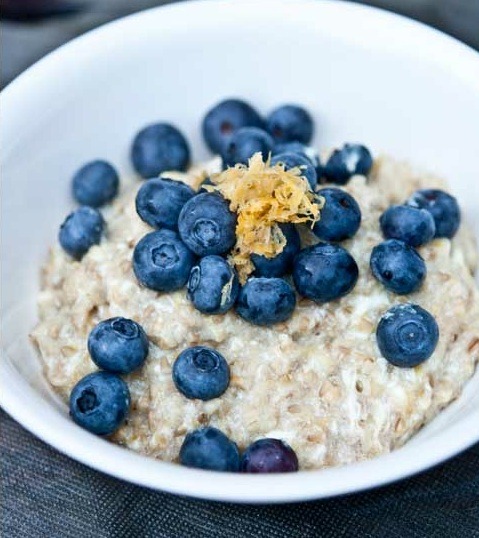
    You don't have to give up sweetness. Just get it from other sources. Try fresh berries or pureed fruit on oatmeal instead of sugar. Explore fruit that's dried, frozen, or canned (without too much added sugar). A glass of low-fat milk or low-sugar yogurt can help.


    Kick the Habit in Baby Steps

    If you make small, simple changes to your diet, it's easy to keep them up. Start by eating more fruits and vegetables. Drink extra water. Check food labels, and pick those that don't have a lot of sugar. Cut out a little bit of sugar each week. After a few weeks, you'll be surprised at how little you miss it.


    Let Protein Help

    Eating protein is an easy way to curb sugar cravings. High-protein foods digest more slowly, keeping you feeling full for longer. Protein doesn't make your blood sugar spike the way refined carbs and sugars do. Pick proteins like lean chicken, low-fat yogurt, eggs, nuts, or beans.


    Fill Up on Fiber

    Fiber helps fight a sugar itch in many ways. First, it keeps you full. High-fiber foods also give you more energy. Because they don't raise your blood sugar, there's no hungry crash after. Choose fruits, vegetables, and whole grains. Or smear some peanut butter on an apple for a protein/fiber combo.


    Get Outside

    Exercise can help wipe out those sugar cravings and change the way you eat in general. You start to feel better and want healthier foods. Do what you like, such as walking, riding your bike, or swimming. Start out slow, and work toward at least 30 minutes at a time, 5 days a week.


    Can Artificial Sweeteners Help?

    Some studies suggest artificial sweeteners may leave you craving more sugar. That could make it harder to control your weight. The problem is, some experts say, that artificial sweeteners don't help you break your taste for sweets. Pay attention to your body. Are sweeteners making you crave even more sugar? If so, look elsewhere for that sweet taste.


    Limit the 'Healthy' Sugars, Too

    Honey, brown sugar, and cane juice may sound healthy. But sugar is sugar. Whether it comes from bees or sugar cane, it can cause your blood sugar to rise. Honey and unrefined sugars are slightly higher in nutrients, but their calories still count.


    How Much Sugar Is Too Much?

    If you're like most people in the U.S., you eat 19 teaspoons or more of added sugar a day. That adds up to 285 calories, which health experts say is way too much. How much sugar should you be eating? No more than 6 teaspoons daily for women. That's 100 calories. Men should get a max of 9 teaspoons. That's 150 calories.


    Sugar by Any Other Name

    You don't always see the word "sugar" on a food label. It sometimes goes by another name, like these:
    • Agave nectar
    • Brown rice syrup
    • High-fructose corn syrup
    • Dextrose
    • Evaporated cane juice
    • Glucose
    • Lactose
    • Malt syrup
    • Molasses
    • Sucrose
    Watch out for items that list any form of sugar in the first few ingredients, or have more than 4 total grams of sugar.


    Scout Out Hidden Sugar

    Sugar can hide in foods where you least expect it. Although they don't seem sweet, ketchup, barbecue sauce, and pasta sauce can have loads of sugar. So can reduced-fat salad dressings, bread, baked beans, and some flavored coffees. Get in the habit of reading labels. Filter out high-sugar foods before they hit your shopping cart.


    Does Sugar Cause Diabetes?

    Sugar itself doesn't cause diabetes. But lots of sugar splurges can point you there. Too much of anything, including sugar, can pack on pounds, for one thing. Heavy bodies have a harder time using insulin, the hormone that controls blood sugar. When your body resists insulin, blood sugar and your risk of diabetes go up.


    How much sugar is in your diet? Do you indulge a little too much? What strategies do you implement to help divert you from snacking on sugary, high-cal foods? Comment below!


    Source
    http://www.webmd.com/diet/ss/slideshow-sugar-addiction
    Reviewed by Michael W. Smith, MD on /2, 14 1

    Wednesday, 17 June 2015

    Summer's Secret Weight Loss Weapon

    Farmer’s markets and fruit stands are bursting with berries—or they will be soon. Numerous studies link these summer treasures with a slew of health benefits, including weight loss. Here are five ways berries can help you slim down and a few healthy ways to gobble them up:


    Antioxidants


    Berries are potent sources of antioxidants that essentially act like little bodyguards protecting cells from damage, which can lead to premature aging and disease. But antioxidants are also linked to weight control. Some exciting new research from the University of Florida found that people who consume more antioxidants weigh less, even when they don’t eat fewer calories. The researchers developed an index that ranks the number of calories consumed from plant-based foods compared with overall daily calorie intake called the phytochemical index, or PI score. A totally plant-based, vegan diet (excluding hard liquor and refined sugars) could have a perfect score of 100, whereas a typical American diet, heavy with meat, sugar, and fried foods and low in fruits and veggies, would score below 20. In a study published in the Journal of Human Nutrition and Dietetics, the Florida scientists found that people of normal weight had PI scores 10.3 points higher, on average, than overweight or obese people. And even though both groups consumed about the same number of daily calories, those with lower PI scores weighed more, had larger waistlines, and higher body fat percentages.

     http://www.homelife.com.au/gardening/how+to+grow/how+to+grow+blueberries+,15687


    Blood sugar regulation


    Strawberries in particular have been shown to reduce blood sugar and insulin levels after meals. Scientists believe that a key antioxidant in strawberries blocks the activity of an enzyme responsible for breaking starch into simple sugar, which means fewer simple sugars are released into the blood stream, lowering the blood sugar and the corresponding insulin response. This is key for weight control because insulin shuttles excess sugar into fat cells. Check out my strawberry avocado taco snack recipe for a new way to enjoy the healthy fruit.


    Metabolism boosters


    Raspberries have been shown to contain a natural substance called ketones, which are similar to capsaicin, the compound that gives hot peppers their fire. Animal studies have found that raspberry ketones prevented an increase in overall body fat and visceral fat, the deep internal belly fat considered to be most dangerous due to its relationship to an increased risk of heart disease, type 2 diabetes and certain cancers. I love raspberries as is but they’re also great in parfaits, hot or cold cereal, or as a topping for whole grain French toast.

     http://commons.wikimedia.org/wiki/File:Fresh_raspberries_%28272567650%29.jpg


    Belly fat fighters


    In one animal study rats that consumed two percent of their diet as blueberries had dramatic results after 90 days—significantly less belly fat, lower blood fats, lower cholesterol, and improved blood sugar and insulin levels. I’m addicted to Pinterest and I love this photo of one of my favorite blueberry recipes.


    Fiber


    Berries are a terrific source of fiber, another key factor in weight control. Research has found that for every gram of fiber we eat, we eliminate seven calories, so consuming the recommended 25 to 35 grams daily could cancel out nearly 300 calories, enough to result in a 30 pound weight loss in one year’s time. Another study in Brazilian dieters found that over a six month period, each additional gram of fiber resulted in an extra quarter pound of weight loss. Raspberries in particular have the best ratio of carbohydrate to fiber. Of their 15 grams of carbohydates per cup, eight are fiber. That’s over 30 percent of the recommended intake, and one of the reasons I included them in my 5 Day, 5 Food Fast Forward, a solid food ‘detox’ in my newest book S.A.S.S! Yourself Slim. In the fast forward plan I combine raspberries with four other superfoods to create meals like a spinach raspberry salad and raspberry almond smoothie. The goal is to get quick results, up to eight pounds in five days, while eating satisfying, cleansing meals that reboot your metabolism and crush cravings.
     https://portuguesecooking.wordpress.com/2013/05/27/berries/

    In addition to weight loss, berries have been shown to boost bone density, maintain healthy vision, protect against the sun’s UV rays, slash the risk of cancer and Parkinson’s disease, fight infections, and keep your brain young. Pretty powerful stuff!

    If you have a bounty of berries and don’t think you’ll eat them all before going bad here’s an easy 3-step way to freeze the nutritional powerhouses so they won’t clump together in one big block:

    • Wash the berries and place them in a single layer on a cookie sheet so they aren’t touching.

    • Freeze for 30 minutes; remove then transfer to freezer bags.

    • Remove as much of the air as possible (some people suck it out with a straw), seal, label, and toss in the freezer.
    This way you can use as few or as many as you’d like in a smoothie or thaw and enjoy well beyond summer.
    Are you a fan of berries? What’s your favorite healthy way to enjoy them?


    Source
    http://www.shape.com/blogs/weight-loss-coach/summers-secret-weight-loss-weapon