Showing posts with label weight loss obstacles. Show all posts

Thursday, 31 December 2015

Your Post-Binge, 3-Day Diet Detox Plan

An extra serving of sweet potatoes, a sliver of pecan pie, a Campari cocktail or two. By itself, each of these festive splurges seems so innocent. But like holiday presents, dietary indulgences come at a cost. Most of us never lose the 1 to 2 pounds we gain between Thanksgiving and New Year's Eve—and over the years, they add up. The damage is even worse when December's hearty eating patterns take hold and last well into spring, as they often do.
That is why we developed this 3-day quick weight loss plan—to get you out of party excess mode and put you on a healthy eating track for the new year. It's simple, fast, and effective. Stick with it and you will have those extra pounds gone before you take down a single decoration.
BREAK THE CYCLE
The Splurge:
 Those dreams of sugarplums dancing in your head may be more like a nightmare brought on by too many sweet treats. While experts used to dismiss the notion of sugar addiction, a growing body of research suggests that the sweet stuff can hijack the same brain circuitry that's affected by drugs and alcohol, leading to a vicious cycle of cravings and binges. And holiday desserts with high levels of both sugar and fat provide a double whammy. The sugar hooks you, while the fat piles on the pounds. 
The Solution: Eliminate desserts that are rich in sugar and fat for at least 3 days—7 to 10 would be even better. This will help quell cravings while you start to reestablish a taste for naturally sweet foods, such as fruit and starchy vegetables.
RESIZE YOUR BELLY
The Splurge:
 As the "it's a holiday, I'll diet tomorrow" mentality sets in, one of your natural appetite control systems—the stomach's network of stretch receptors—starts losing its effectiveness. Normally, when your stomach is full, these receptors send messages to the brain that say "I'm satisfied." But prolonged periods of overeating make the receptors less sensitive. This helps explain why that feeling of "I'm so full, I'll never eat again" is followed the next day by the sense that you're even hungrier than usual.
The Solution: If you keep eating the same high-calorie foods but merely reduce the quantity, your stretch receptors will signal your brain that you're starving and need emergency rations—now. But you can short-circuit this by eating healthy-size servings of low-calorie, high-fiber foods such as fruits, vegetables, and whole grains. Their bulk will keep the receptors happy while avoiding excess calories.   
CUT DOWN ON COCKTAILS
The Splurge:
 So you had a few too many spiked eggnogs. The problem isn't just the sugar and fat. The alcohol itself packs in 7 calories per gram (compared with 4 for protein and carbs and 9 for fat). And the stomach and brain don't register liquid calories in the same way as solids, so it's easy to go right on eating and drinking—without compensating for the added calories. 
The Solution: Satisfying, low-calorie beverages can boost metabolism and even temper your hunger. Tea (lose the cream and sugar) has zero calories and lifts metabolic rate. Or prepare a pitcher of flavored water. Add sliced oranges, lemons, and limes to a pitcher—or toss in berries or sprigs of mint or lemongrass. They're refreshing and give you healing antioxidants. 
YOUR 3-DAY DETOX DIET
Now that you know the principles, you're ready to jump-start your new year's resolution. Our diet plan provides about 1,250 calories a day. To cut the craving for sweets, we've eliminated most refined sugars. To keep your stretch receptors happy, we feature plant-based foods that are rich in fiber. And instead of high-calorie cocktails, we give you delicious low- or no-cal drinks. If you're not back to your normal weight in 3 days, repeat for a total of 6 days.
DAY 1 
  • Egg white-veggie scramble: ½ c egg whites (or 4 egg whites) with 1 c chopped mixed vegetables (tomato, bell pepper, baby spinach leaves), prepared with cooking spray
  • 1 slice toasted whole grain bread or ½ whole wheat English muffin with 2 tsp 100% fruit spread
  • 1 c fat-free Greek-style yogurt Coffee or tea with ¼ c fat-free milk 
SNACK: 1 sheet graham cracker with 2 tsp natural (no added sugar) peanut butter 
LUNCH:
  • Hummus-veggie pita sandwich: ½ whole grain pita spread with 1 tsp deli mustard and 1 Tbsp hummus, then stuffed with vegetables (bell peppers, sprouts, lettuce, tomato) and 2 slices avocado
  • 1 medium orange or 2 tangerines
  • Unsweetened herbal tea (hot or iced) with cinnamon stick 
SNACK: 1 piece fresh fruit or 1 c mixed vegetables with 2 tsp oil and vinegar dressing 
DINNER:
  • 3 oz grilled salmon brushed with citrus glaze while cooking
  • Citrus glaze: 1 Tbsp each orange juice, honey, and reduced-sodium soy sauce
  • ½ c cooked brown rice prepared with 1 tsp olive oil
  • 1 c cooked winter squash, broccoli, or asparagus 
DESSERT: ½ c fat-free plain Greek-style yogurt with 2 tsp 100% fruit spread 
NUTRITION 1,288 cal, 91 g pro, 181 g carb, 27 g fiber, 26 g fat, 4.5 g sat fat, 1,322 mg sodium, 82 mg cholesterol
DAY 2 
BREAKFAST:
  • 1 c low-fat (1%), no-added-salt cottage cheese with ½ c pineapple chunks
  • 5 whole grain crackers
  • Coffee or tea with ¼ c fat-free milk 
SNACK: ½ turkey sandwich: 1 slice whole grain bread with 2 oz low-sodium or reduced-sodium turkey breast, lettuce, tomato, and 1 tsp mustard 
  • Pasta tuna salad: 1 c cooked whole grain pasta spirals or bow ties with 1 c chopped cherry tomatoes and our tuna salad
  • Tuna salad: 4 oz water-packed tuna mixed with 2 Tbsp chopped white onion, 1 Tbsp fat-free Greek-style yogurt, and 2 tsp Dijon mustard
  • Water with sprigs of mint or lemongrass 
SNACK: 1 medium orange 
DINNER:
  • 3 oz broiled or grilled boneless chicken breast
  • 1 medium baked sweet potato topped with 2 tsp light spread
  • 2 c tossed field greens drizzled with 1 Tbsp vinaigrette dressing
  • Unsweetened herbal tea (hot or iced) with lemon 
NUTRITION 1,242 cal, 122 g pro, 146 g carb, 26 g fiber, 21.5 g fat, 4 g sat fat, 1,565 mg sodium, 162 mg cholesterol
DAY 3 
BREAKFAST:
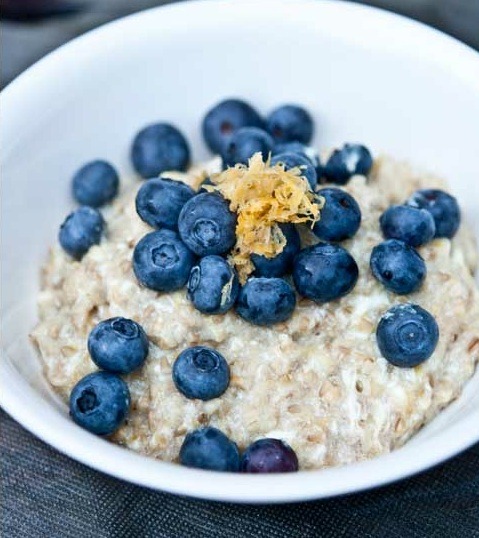
  • 1 c cooked oatmeal topped with ¼ cup fat-free plain or vanilla Greek-style yogurt and 1 c berries
  • Coffee or tea with ¼ c fat-free milk 
SNACK: 1 oz low-fat cheese with 5 whole grain crackers 
LUNCH:
  • 1 c low-sodium lentil soup or minestrone soup
  • 2 c mixed salad greens with ¼ c low-sodium water-packed tuna or low-sodium diced turkey and 1 tsp olive oil with lemon juice or balsamic vinegar
  • Unsweetened herbal tea with cinnamon stick 
SNACK: 1 piece fresh fruit (banana or apple) or 1 c berries, with 8 oz fat-free plain or vanilla Greek-style yogurt 
DINNER:
  • Veggie burger on whole wheat bun topped with 2 slices avocado
  • Spinach salad: 1½ c baby spinach; ¼ red onion, sliced; ¼ c fresh mandarin orange slices; and 1 tsp olive oil with balsamic vinegar
  • Seltzer water with sliced lemon, orange, or lime 
NUTRITION 1,277 cal, 86 g pro, 173 g carb, 34 g fiber,32 g fat, 5 g sat fat, 1,577 mg sodium, 38 mg cholesterol


Let me know if you found this 'post-holiday detox' plan helpful. Do you struggle with weight gain over the holidays? Let me know tricks and tips you've learnt to help battle the weight gain.

Source

Friday, 10 July 2015

12 Eating Mistakes That Are Making You Pack On The Pounds

Sometimes a carrot stick is just a carrot stick. But for many of us, it's a crunchy, bright orange vehicle for decadent dip—blue cheese, perhaps, or a nice herbed ranch. And as you dunk your sixth or seventh spear into that delicious dressing, you might tell yourself, Well, at least I'm eating a hearty serving of veggies right now. True—but you're also consuming quite a lot of salt, fat, and calories.
Wrecking our otherwise healthy food picks along with our waistlines is often beyond our control. In his book The End of Overeating, former FDA commissioner David Kessler, MD, explains that when you smell, see, or even think about "highly palatable" foods—ones that are high in fat, sugar, or salt—your brain can trigger the release of dopamine, the reward-seeking neurotransmitter. Just walking by a Krispy Kreme can cause your brain to send the "eat me" signal loud and clear. So in a way, you can blame the dopamine surge for forcing you to eat that glazed doughnut.

The fact is, it's possible to stop your pleasure-seeking brain from making menu decisions—you just need to know what to look for and be knowledgeable about what counts as a "pitfall." Check out these common acts of food sabotage, plus our easy strategies for steering clear of them, so that more often than not, you can keep delicious, healthy food top of mind, even in the face of temptation.

1. You dunk veggies into fat traps.

While it may seem like a good idea to watch TV with a plate of crisp crudités on the coffee table in front of you, that jar of peanut butter sitting right next to it can spell trouble. Sure, peanut butter provides healthy fat and protein, but it also has 94 calories per tablespoon. And 2 tablespoons of creamy dressing can pack 145 calories and 15 g of fat. "Eating just one hundred calories more each day can translate to about a 10-pound weight gain over the course of a year," says Brian Wansink, PhD, author of Mindless Eating: Why We Eat More Than We Think.

Fix it! If you're dying to dip, mix fat-free plain Greek yogurt with salsa or zingy seasonings such as horseradish or curry powder. Prepared hummus or black-bean dips coat raw veggies with protein, fiber, and flavor.

2. You go for the fried sweet potatoes.

Besides the beta-carotene (a disease-fighting carotenoid that our bodies convert to vitamin A) that's responsible for their vibrant color, sweet potatoes provide vitamin C, folic acid, potassium, and fiber—all for about 100 calories in a medium potato. But when you fry these and other vegetables, the fat and calorie counts skyrocket. Not only that, but a study in the Journal of Food Science found that certain vegetables, like zucchini, actually lose some of their antioxidant power when fried.

Fix it! A baked sweet potato is the worry-free choice (mash in 2 tablespoons of a creamy fat-free dressing for extra flavor); eat the skin and you'll also get at least 4 g of fiber. If you're just not satisfied with a baked spud, buy a bag of oven-ready frozen fries; choose ones with 0 trans fat and no more than 0.5 g saturated fat per serving.

3. You drown foods in olive oil.

Extra virgin olive oil is high in "good" monounsaturated fat—the kind of fat that can help lower LDL cholesterol—but it also has about 477 calories and 54 g of fat per ¼ cup. If you don't measure the amount of oil you use to sauté, grill, broil, or roast, you can end up with way more than you need.

Fix it! When grilling or broiling, use a pastry brush or nonaerosol pump to lightly glaze food with oil, says Jennifer Nelson, RD, director of clinical dietetics and nutrition at the Mayo Clinic in Rochester, MN. If you're making a stir-fry, wipe a paper towel dipped in olive oil around the wok before adding ingredients. You can also make your sautés sizzle with wine, soy sauce, chicken broth, or 100% carrot, tomato, or vegetable juice. And try poaching your fish in low-fat broth or watered-down orange juice; the fillets will soak up some of the liquid, which will make you feel fuller, says Barbara Rolls, PhD, professor of nutritional sciences at Pennsylvania State University and author of The Volumetrics Eating Plan.

4. Your salad is a high-cal land mine.

The virtue of a salad starts to wilt when you add more than one calorie-dense topping, such as cheese, nuts, dried fruit, or croutons. Cheeses can register high in bad saturated fat, and though nuts have monounsaturated and polyunsaturated fats that may help raise good (HDL) cholesterol, a small serving of walnuts (about 7 pieces) can add up to about 185 calories and 18 g of fat.

Fix it! Nelson offers an easy-to-remember ratio for preparing main-dish salads: "Three-quarters should be fresh fruits and vegetables, and the last quarter should be a combo of lean protein, like chicken, plus a complex carbohydrate such as wheat berries or quinoa. Then allow yourself two tablespoons of calorie-dense items." For major nutrition impact with minimal calorie load, forgo dried fruit in favor of fresh pomegranate seeds; they're potent in polyphenols, and researchers at Case Western Reserve University found that pomegranate extract may be effective in reducing the inflammation that can lead to arthritis.

5. Your coffee is anything but "regular."

Sipping coffee or tea plain isn't the problem. In fact, both beverages have been linked to a number of health benefits, including a lower risk of heart disease and cancer. A study in the Journal of Agricultural and Food Chemistry also suggests that drinking coffee may reduce your chances of type 2 diabetes. But major calories and saturated fat come with added ingredients such as sugary syrups, honey, whipped cream, and whole milk (1% and 2% aren't much better). And while honey may seem like a natural, healthier alternative to sugar, the fact is it has 21 calories per teaspoon versus sugar's 16.

Fix it! For a low-cal, lower-fat drink that feels like a sweet treat, choose coffee beans in tempting flavors such as chocolate almond, hazelnut, or white chocolate, rather than using syrupy mix-ins, and lighten your coffee with fat-free milk. Teas, too, come in sweet vanilla, berry, and tropical fruit blends. And if you use sugar or honey in your beverages, limit yourself to about a teaspoon.

6. Your marinades pack a big fat punch.

You're wise to choose skinless grilled chicken, but be careful with condiments. Barbecue sauce is filled with sugar, which equals calories (about 94 per ¼ cup).

Fix it! Ditch the high-sugar sauce and instead spice up chicken by marinating it with cayenne red-pepper sauce, or mix hot sauce with some fat-free yogurt and smear it on your sandwich for buffalo-inspired flavor. Another way to punch up the taste and nutrient power of grilled chicken sandwiches and turkey burgers: Try a topping of homemade slaw. Bagged shredded cabbage makes a convenient base; toss it with flavored vinegar or fat-free mayo and a little mustard. At 11 calories per ½ cup, raw cabbage offers filling fiber and vitamins such as C and B6, and as a cruciferous veggie, it contains cancer-fighting antioxidants.

7. You're good all day but all bets are off at night.

You're the Jekyll and Hyde of snacking—restricting calories so much by day that by night you're ravenous. After dinner, you trek back and forth to the fridge. Before you know it, you're cuddled up on the couch with a sleeve of Oreos.

Fix it! Start with a breakfast that's really satisfying—like steel-cut oats, eggs, or Greek-style yogurt. Then at lunch, combine healthy carbs, protein, and fat. And truly savor your treats. Dean Ornish, MD, author ofThe Spectrum, does a "chocolate meditation." Take a single piece of the best chocolate you can find and let it dissolve slowly in your mouth, paying attention to the complex flavors. You'll get more pleasure with fewer calories.

8. You snack before dinner.

You're starving by the time you get home from work (join the club). You inhale whatever you get your hands on, whether it's healthy or not.

Fix it! "Planning is key," says Patricia Bannan, RD, the author of Eat Right When Time Is Tight. Before you get home, eat something light and nourishing to tide you over. If you're starving while you cook, munch on raw veggies such as sugar snap peas. Set yourself up for success by knowing meals you can cook quickly, such as frozen veggies with a rotisserie chicken and microwaveable brown rice. Get dinner on the table fast with these 10-minute super-healthy meals.

9. You always eat in the car.

If you feel like you live in your car, you probably consume a lot of calories there, too. Maybe you wolf down snacks straight out of the bag, with little idea of how much you've inhaled, or you pull into the nearest drive-thru for a shake.

Fix it! Preempt unrestrained noshing by packing portable snacks that are calorie-controlled such as small bags of cashews or an apple. Even half of a PB&J on whole wheat will do the trick. And if those fries are still calling out to you, "drive home via another route so you won't pass your favorite fast-food restaurants," says Janna L. Fikkan, PhD, a health psychologist at Duke Integrative Medicine in Durham, NC. "It doesn't have to be the shortest way home, as long as you avoid the drive-thru."

10. You work at home.

It's just you and the fridge—and nobody watching. Because you have no meetings or structured activities, you can check the mail, toss in a load of laundry, play with the dog—and grab a snack (or two or four).

Fix it! Keep a log of your daily activities, including every time you get up to eat. Chances are, once you see how often you're indulging, you'll be shamed into cutting back. If you still feel the need to snack, eat at the kitchen table—and don't do anything else. Without the distraction of the computer, TV, or newspaper, you'll be much more aware of how often you eat out of habit rather than hunger.

11. You graze at the office.

Between the office candy bowl, the vending machine, and a coworker's homemade brownies, your office probably stocks more snacks than a 7-Eleven. And since you're only nibbling, the calories don't count, right?

Fix it! Launch a counteroffensive by bringing in healthy snacks—say, tamari-roasted almonds or dark chocolate—that you actually prefer over the junk. Knowing that these treats are tucked away will give you the strength to resist the disastrous jelly doughnuts. With healthy fare within arm's reach, you won't need to raid your colleague's candy jar.

12. Your kids' snack habits are contagious.

It's the diet dilemma of nearly every mom. The kids badger you into buying them sugary snacks—then you eat them. Before you know it, you're helping with homework and munching on a Pop-Tart or a snack-size package of cookies.

Fix it! Ditch the kiddie foods, says Rolls. These highly processed foods are digested in no time, leaving you wanting more. "Family-friendly snacks should include low-calorie foods that are high in water or fiber and aren't loaded with fat," she says. Try no-fuss fruits like grapes or berries—or fix some air-popped popcorn sprinkled with a bit of Parmesan.


Source
http://www.prevention.com/weight-loss/weight-loss-tips/eating-mistakes-leading-weight-gain