The psychology and biology of stress-related overeating and weight gain
Have you ever found yourself mindlessly eating a tub of ice cream while you brood about your latest romantic rejection or eating a hamburger and fries in front of your computer as you furiously try to make a work deadline? Perhaps you’re a busy mom, eating cookies in your car as you shuttle the kids back and forth to a slew of activities. Or you’re a small business owner desperately trying to make ends meet when you suddenly realize your waistline has expanded. If you recognize yourself in any of these scenarios, you’re not alone and it’s probably not your fault. Stress that goes on for a long period is a triple whammy for weight—it increases our appetites, makes us hold onto the fat, and interferes with our
willpower to implement a healthy lifestyle.
Below are the four major reasons stress leads to weight gain and four great research-based coping strategies you can use to fight back.
When your
brain detects the presence of a threat, no matter if it is a snake in the grass, a grumpy boss, or a big credit card bill, it triggers the release of a cascade of chemicals, including adrenaline, CRH, and cortisol. Your brain and body prepare to handle the threat by making you feel alert, ready for action and able to withstand an injury. In the short-term, adrenaline helps you feel less hungry as your blood flows away from the internal organs and to your large muscles to prepare for “fight or flight.” However, once the effects of adrenaline wear off, cortisol, known as the “stress hormone,” hangs around and starts signaling the body to replenish your food supply. Fighting off wild animals, like our ancestors did, used up a lot of energy, so their bodies needed more stores of fat and glucose. Today’s human, who sits on the couch worrying about how to pay the bill or works long hours at the computer to make the deadline, does not work off much energy at all dealing with the stressor! Unfortunately, we are stuck with a neuroendocrine system that didn’t get the update, so your brain is still going to tell you to reach for that plate of cookies anyway.
Belly Fat
In the days when our ancestors were fighting off tigers and famine, their bodies adapted by learning to store fat supplies for the long haul. The unfortunate result for you and me is that when we are chronically stressed by life crises and work-life demands, we are prone to getting an extra layer of “visceral fat” deep in our bellies. Your belly has an ample supply of blood vessels and cortisol receptors to make the whole process flow more efficiently.
The downside is that excess belly fat is unhealthy and difficult to get rid of. The fat releases chemicals triggering inflammation, which increases the likelihood that we will develop heart disease or diabetes. And it can make it more difficult to fit into those lovely jeans you splurged on, leading to more stress about money wasted! Unfortunately, excess cortisol also slows down your metabolism, because your body wants to maintain an adequate supply of glucose for all that hard mental and physical work dealing with the threat.
Anxiety
When we have a surge of adrenaline as part of our fight/flight response, we get fidgety and activated. Adrenaline is the reason for the “wired up” feeling we get when we’re stressed. While we may burn off some extra calories fidgeting or running around cleaning because we can’t sit still,
anxiety can also trigger “emotional eating.” Overeating or eating unhealthy foods in response to stress or as a way to calm down is a very common response. In the most recent American Psychological Association’s “Stress in America:” survey, a whopping 40% of respondents reported dealing with stress in this way, while 42% reported watching television for more than 2 hours a day to deal with stress. Being a couch potato also increases the temptation to overeat and is inactive, which means that those extra calories aren’t getting burned off. Anxiety can also make you eat more “mindlessly” as you churn around worrying thoughts in your head, not even focusing on the taste of the food, how much you’ve eaten, or when you are feeling full. When you eat mindlessly, you will likely eat more, yet feel less satisfied.
Cravings and Fast Food
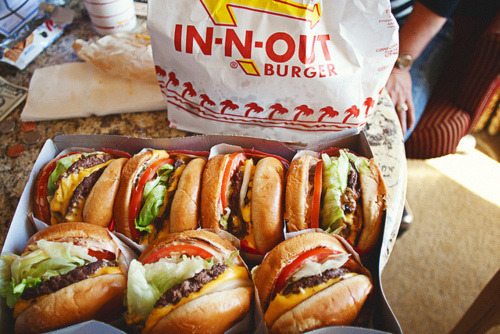
When we are chronically stressed, we crave “comfort foods,” such as a bag of potato chips or a tub of ice cream. These foods tend to be easy to eat, highly processed, and high in fat, sugar, or salt. We crave these foods for both biological and psychological reasons. Stress may mess up our brain’s reward system or cortisol may cause us to crave more fat and sugar. We also may have
memories from
childhood, such as the
smell of freshly baked cookies,, that lead us to associate sweet foods with comfort. When we are stressed, we also may be more likely to drive through the Fast Food place, rather than taking the time and mental energy to plan and cook a meal. Americans are less likely to cook and eat dinner at home than people from many other countries, and they also work more hours. Working in urban areas may mean long, jammed commutes, which both increase stress and interfere with willpower because we are hungrier when we get home later.
A University of Pennsylvania research study showed, in laboratory mice, that being “stressed” by exposure to the smell of a predator lead the mice to eat more high-fat food pellets, when given the choice of eating these instead of normal feed.
Do you ever lie awake at night worrying about paying the bills or about who will watch your kids when you have to go to work? According to the APA’s “Stress in America” survey, more than 40% of us lie awake at night as a result of stress. Research shows that worry is a major cause of
insomnia. Our minds are overactive and won’t switch off. We may also lose sleep because of pulling overnights to cram for exams or writing until the early hours. Stress causes decreased blood sugar, which leads to fatigue. If you drink coffee or caffeinated soft drinks to stay awake, or
alcohol to feel better, your
sleep cyclewill be even more disrupted. Sleep is also a powerful factor influencing weight gain or loss. Lack of sleep may disrupt the functioning of ghrelin and leptin—chemicals that control
appetite. We also crave carbs when we are tired or grumpy from lack of sleep. Finally, not getting our precious zzzz’s erodes our willpower and ability to resist temptation. In one study, overweight/obese dieters were asked to follow a fixed calorie
diet and assigned to get either 5 and a half or eight and a half hours of sleep a night (in a sleep lab). Those with sleep deprivation lost substantially less weight.
How to Minimize Weight Gain When You’re Stressed
Exercise
Aerobic exercise has a one-two punch. It can decrease cortisol and trigger release of chemicals that relieve pain and improve mood. It can also help speed your metabolism so you burn off the extra indulgences.
Learn Mindful Eating
Mindful Eating programs train you in
meditation, which helps you cope with stress, and change your consciousness around eating. You learn to slow down and tune in to your sensory experience of the food, including its sight, texture or smell. You also learn to tune into your subjective feelings of hunger or fullness, rather than eating just because it’s a mealtime or because there is food in front of you. A well-designed study of binge-eaters showed that participating in a Mindful Eating program led to fewer binges and reduced
depression.
Find Rewarding Activities Unrelated to Food
Taking a hike, reading a book, going to a yoga class, getting a massage, patting your dog, or making time for friends and family can help to relieve stress without adding on the pounds. Although you may feel that you don’t have time for leisure activities with looming deadlines, taking time to relieve stress helps you to feel refreshed, lets you think more clearly, and improves your mood, so you are less likely to overeat.
Write in a Journal
Writing down your experiences and reactions or your most important
goals keeps your hands busy and your mind occupied, so you’re less likely to snack on unhealthy foods. Writing can give you insight into why you’re feeling so stressed and highlight ways of thinking or expectations of yourself that may be increasing the pressure you feel. Writing down your healthy eating and exercise goals may make you more conscious of your desire to live a healthier lifestyle and intensify your commitment. Research studies have also shown that writing expressively or about life goals can improve both mood and
health.
Source
https://www.psychologytoday.com/blog/the-mindful-self-express/201308/why-we-gain-weight-when-we-re-stressed-and-how-not
Resources
Dr Elissa Eppel , a psychologist and professor at University of California, San Francisco Medical Center has conducted pioneering research on stress, eating, and weight gain. Click here for a summary of her work and a talk by Dr Eppel.
Dr. Michelle May, a family physician, author, and recovered yo-yo dieter has developed a Mindful Eating program to help combat emotional and stress-related eating. See the below link for more information and her Mindful Eating blog.
Read My Other Post on Mindful Eating
Learn About Why We Crave Sugar & Its Effects on Our Health


